Your Definitive Guide to February 2027 Holidays in the Philippines: Understanding the Proclamation and What to Expect
Planning a trip to the Philippines for February 2027? Managing business operations or simply curious about upcoming long weekends for your Filipino connections? Getting a clear picture of public holidays, especially for a future year, can be surprisingly tricky. You might be hearing buzz about “proclamations” and wondering what that even means for your plans.
Don’t sweat it. I’m here to cut through the confusion. While the official proclamation for 2027 holidays is still some time away, we can use historical patterns, known fixed dates, and current information to give you the most accurate forecast right now. This guide isn’t just a list; it’s a deep dive into how holidays are declared in the Philippines and what that means for you, especially if you’re in the USA.
The Immediate Answer: February 2027 Holidays at a Glance (Preliminary Forecast)
Let’s get straight to it. Based on traditional observances and the most current unofficial calendars, February 2027 is expected to feature at least two significant non-working days. Please note: These are projections based on historical data and common practices. The official confirmation will come from the President’s proclamation, typically issued later in 2026 or early 2027.
| Date | Day | Holiday Name | Holiday Type (Likely) | Significance |
|---|---|---|---|---|
| February 6, 2027 | Saturday | Chinese New Year (Lunar New Year) | Special Non-Working Holiday | Celebration of the traditional Chinese calendar new year. |
| February 25, 2027 | Thursday | EDSA People Power Revolution Anniversary | Special Non-Working Holiday | Commemorates the 1986 peaceful revolution. |
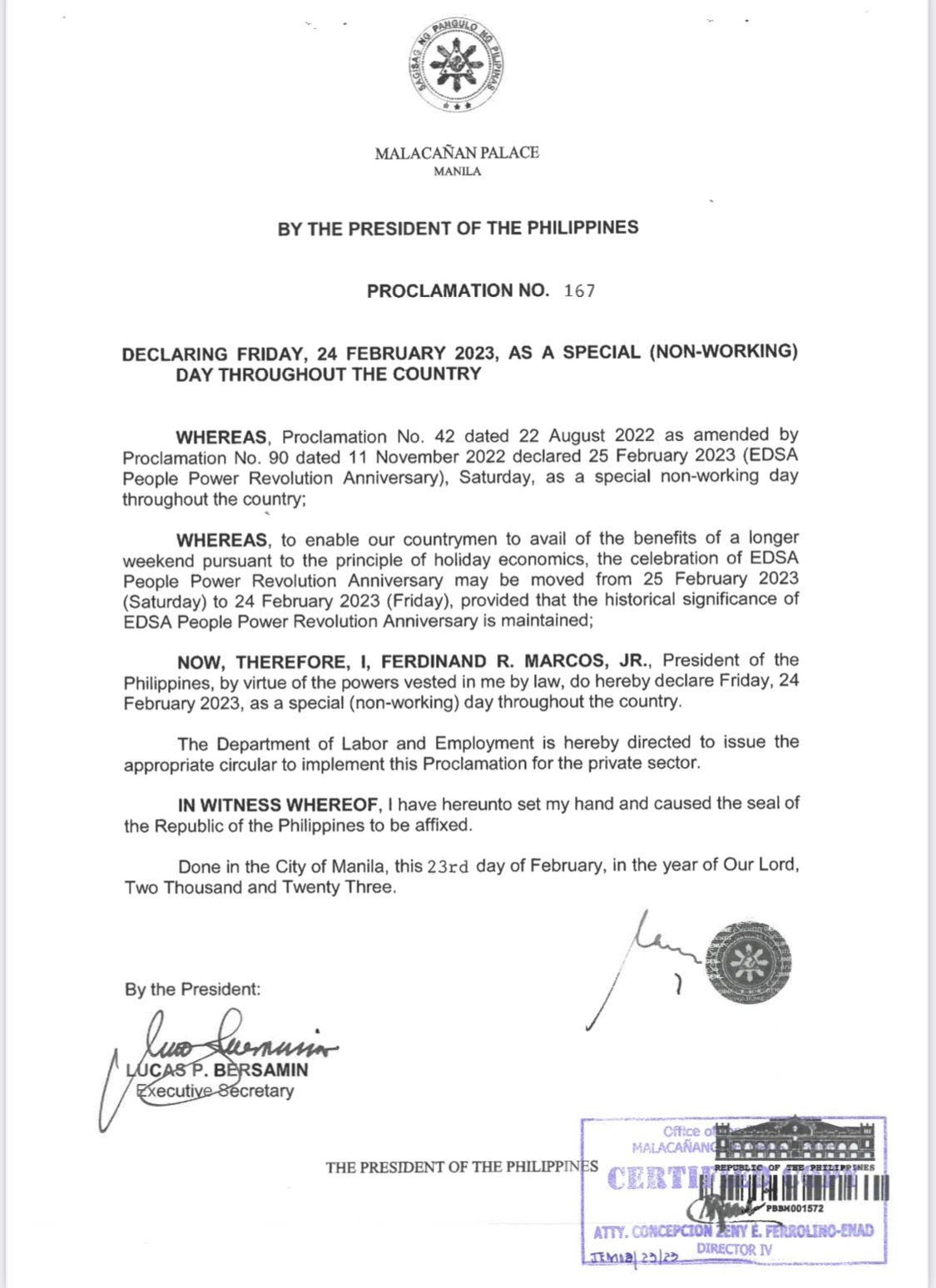
As you can see, February 6, 2027, falls on a Saturday, which means for most, it won’t create a traditional long weekend. However, February 25, 2027, being a Thursday, could potentially lead to a long weekend if Friday, February 26, is also declared a special non-working day or if employees take leave. We’ll monitor for any such declarations.
Decoding the “Proclamation”: What You Need to Know About Philippine Holidays
The term “proclamation” is central to how holidays are officially recognized in the Philippines. Unlike some countries where holidays are fixed by statute years in advance, many Philippine holidays, especially special non-working days and Muslim holidays, require a presidential proclamation.
Who Declares Holidays in the Philippines? The Power of the President
In the Philippines, the President holds the authority to declare national holidays through official proclamations. These executive orders are legally binding and specify which dates are considered non-working days for the general public, including government offices and schools, and often private sector workers.
There are typically two main types of national holidays:
- Regular Holidays: These are generally fixed by law and observe religious or patriotic significance, like New Year’s Day, Holy Week, Labor Day, Independence Day, Christmas Day, etc. Employers are required to pay a premium for work on these days.
- Special (Non-Working) Days: These are declared by presidential proclamation, often for specific historical events (like the EDSA Revolution Anniversary) or cultural observances (like Chinese New Year or Eid’l Fitr/Adha). While work is not mandatory, those who do work on these days also receive premium pay, though typically at a lower rate than regular holidays.
Regular vs. Special Non-Working Days: The Crucial Difference
Understanding the distinction is vital for both travelers and businesses:
- Regular Holidays: These are the big ones. Banks, government offices, schools, and many businesses are typically closed. Public transportation might have reduced schedules. If you’re traveling, expect closures and potentially higher prices. For businesses, specific payroll rules apply for employees who work on these days.
- Special Non-Working Days: These are often observed, but some private businesses might choose to operate. Government offices and schools are usually closed. Public transportation is generally less affected than on regular holidays, but services might still be reduced. Payroll rules for working on these days are different from regular holidays.
The impact on your plans, whether personal or business, depends heavily on whether a day is declared a “regular” or “special non-working” holiday.
The Significance of a “Proclamation Number”
Every official declaration from the President’s office receives a unique “Proclamation Number.” For example, Proclamation No. 90, s. 2022 declared the holidays for 2023. Proclamation No. 727, s. 2024 declared the regular holidays and special (non-working) days for 2025. These numbers serve as official references for the specific executive order that dictates the holiday schedule. When you see a Proclamation Number, you know it’s an official, legally binding declaration.
When Do Holiday Proclamations Typically Get Issued?
For a full calendar year like 2027, the official proclamation is usually issued in the latter half of the preceding year (e.g., late 2026) or sometimes even in the early months of the calendar year itself. This means that as of now, for February 2027, we are operating on strong predictions rather than a confirmed presidential proclamation.
Why the wait? Sometimes, exact dates for holidays like Eid’l Fitr and Eid’l Adha (which follow the Islamic lunar calendar) are not finalized until closer to the date by religious authorities, requiring subsequent proclamations. Also, the President may declare additional special non-working days throughout the year for specific local events or unforeseen circumstances.
Anticipating February 2027 Holidays in the Philippines
While we await the official word, we can confidently project the two most likely national holidays for February 2027 based on their consistent observance in previous years.
Special Non-Working Holidays to Watch For in February 2027
February in the Philippines often features two important dates:
- Chinese New Year (Lunar New Year) – Expected February 6, 2027 (Saturday): This vibrant cultural celebration is a significant event in the Philippines, given the large Chinese-Filipino community. It has been consistently declared a special non-working day for many years. While it falls on a Saturday in 2027, its observance will still be felt culturally and in some business sectors.
- EDSA People Power Revolution Anniversary – Expected February 25, 2027 (Thursday): This historic day commemorates the peaceful revolution in 1986 that overthrew the Marcos dictatorship. It’s a deeply significant national event and has almost always been observed as a special non-working holiday. Its placement on a Thursday in 2027 makes it a key date for potential long weekend planning.
Detailed Forecast for February 2027 Philippine Holidays
Here’s a more detailed breakdown of what to expect:
| Date | Day | Holiday Name | Type of Holiday (Provisional) | Implications for Travelers/Businesses |
|---|---|---|---|---|
| February 6, 2027 | Saturday | Chinese New Year | Special Non-Working Holiday | Observed culturally. Most businesses and services will operate as usual, though some Chinese-Filipino establishments may close. No impact on regular workweek. |
| February 25, 2027 | Thursday | EDSA People Power Revolution Anniversary | Special Non-Working Holiday | Government offices, banks, and schools likely closed. Many private businesses will observe the holiday. Expect reduced services and potential traffic changes for commemorative events. Potential for a long weekend. |
| February 26, 2027 | Friday | Potential Special Non-Working Day / Work Disruption | To be determined | If declared a holiday, this would create a long weekend. Even if not, many Filipinos might take leave, leading to slower business operations. |
Potential Local or Special Proclamations
Beyond national holidays, the President (or even local government units with proper authority) can declare special non-working days for specific regions or cities. These are usually for local fiestas, founding anniversaries, or other significant local events. While less common for February, it’s always a possibility that could affect your localized plans. However, for a general national overview, the two holidays mentioned above are the primary ones to anticipate.
How Philippine Holidays Impact You (Especially if You’re in the USA)
Understanding the holiday schedule is critical, whether you’re planning a vacation, managing a remote team, or simply sending money to family.
For Travelers: Planning Your Trip to the Philippines
If you’re traveling from the USA to the Philippines in February 2027, here’s what you need to consider:
- Crowds and Bookings: Holidays, especially those creating long weekends, often mean increased domestic travel within the Philippines. Tourist destinations can get crowded, and flights/accommodations might be booked up or more expensive. Book well in advance.
- Bank and Government Closures: Banks and government offices (like immigration services, if you need them) will be closed on special non-working days. Plan your financial transactions or official business accordingly.
- Transportation: Public transportation might be less frequent, particularly on major holidays. Traffic could also be heavier in urban areas, especially around celebratory or commemorative sites.
- Cultural Immersion: While closures can be inconvenient, holidays offer unique opportunities for cultural immersion. You might witness parades, special events, or family gatherings related to Chinese New Year or EDSA.
For Businesses: Operations, Payroll, and Deadlines
US-based businesses with operations, clients, or remote teams in the Philippines need to pay close attention to holiday proclamations:
- Operational Disruptions: Expect reduced workforce availability and potential closures of partner businesses or government agencies (e.g., permits, registrations). This impacts everything from supply chains to customer service.
- Payroll and Compensation: Philippine labor laws mandate specific holiday pay rules. Regular holidays typically require 200% of an employee’s daily wage if worked, while special non-working days often require 130%. Understanding these rules is crucial for compliance and budget planning.
- Project Deadlines: Factor in holidays when setting project timelines. A Thursday holiday, especially near a weekend, can effectively shorten a workweek.
- Communication: Clearly communicate holiday schedules and expectations with your Filipino team members or partners well in advance to avoid misunderstandings.
For Individuals with Filipino Connections: Cultural Observance
If you have family or friends in the Philippines, these holidays are important cultural touchstones:
- Family Gatherings: Filipinos often gather with family during holidays. This can be a prime time for connection, but also means they might be less available for communication or errands.
- Remittances: While digital banking has made transfers easier, traditional banks might have delays on non-working days. Plan your remittances around these dates to ensure timely delivery.
- Understanding the Culture: Knowing about these holidays demonstrates respect and understanding of Filipino culture, strengthening your connections.
Staying Updated on Official Proclamations
Since the official proclamation for 2027 is still pending, how can you ensure you have the most up-to-date information?
Where to Find Official Announcements
The most reliable sources for official holiday proclamations are government channels:
- The Official Gazette of the Republic of the Philippines (officialgazette.gov.ph): This is the official journal of the Republic of the Philippines and the primary source for presidential proclamations, executive orders, and laws.
- Presidential Communications Office (PCO) (pco.gov.ph): The PCO (formerly the Presidential Communications Operations Office) also publishes official releases and documents, including holiday proclamations, on its website.
Keep an eye on these sites, typically in late 2026 or early 2027, for the definitive word on the 2027 holiday schedule.
Why Early Planning is Key
Even with preliminary information, early planning is invaluable. It allows you to:
- Adjust Travel Itineraries: Avoid peak travel dates or plan your activities around closures.
- Manage Business Expectations: Communicate with your team and clients about potential delays.
- Budget Effectively: Factor in potential premium pay for employees or higher travel costs.
A Look Back: February Holidays in Recent Years (Context for 2027)
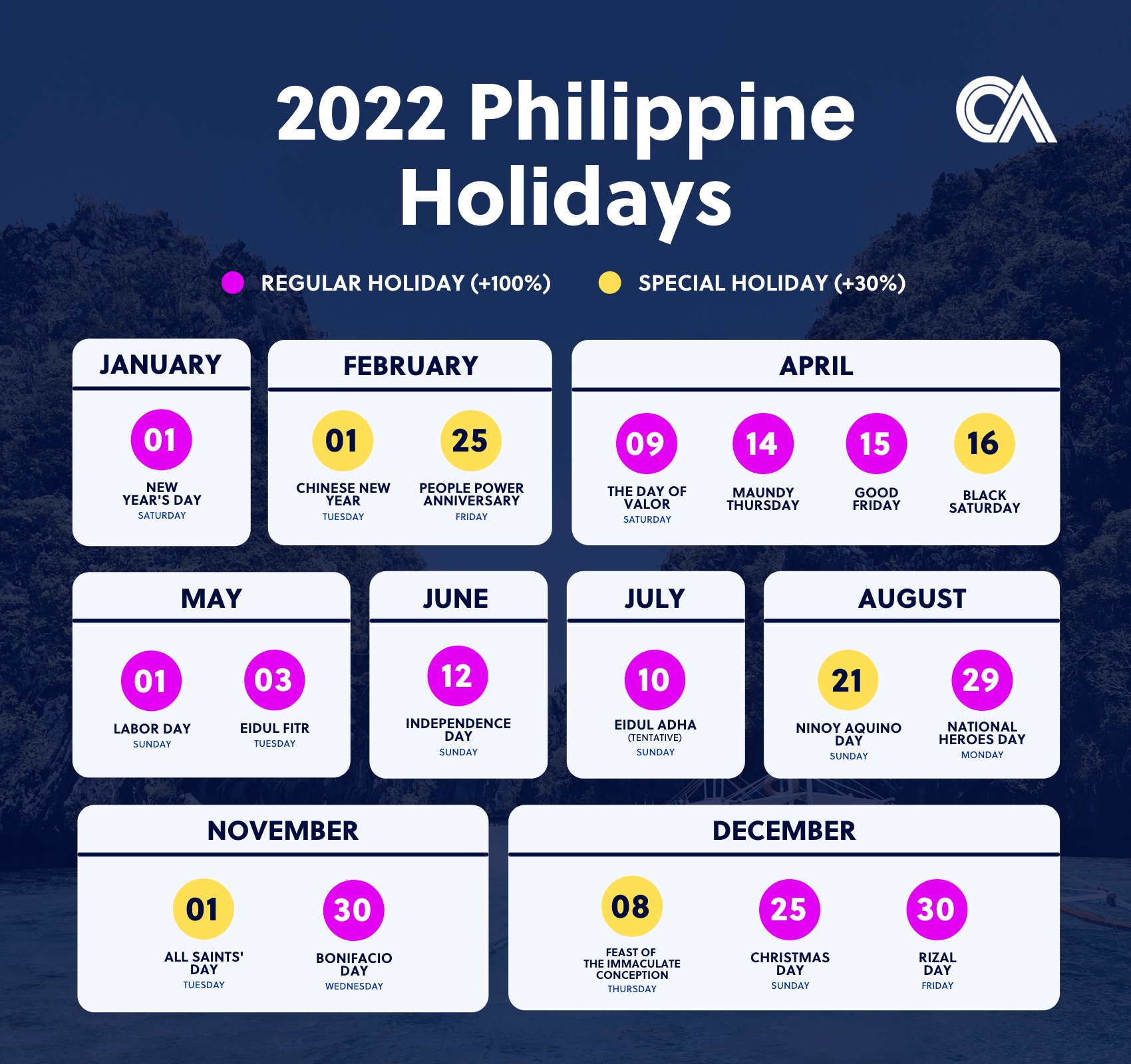
To give you a better sense of patterns, here’s how February holidays have typically shaped up in recent years, based on official proclamations.
| Year | Date | Day | Holiday Name | Type of Holiday | Proclamation No. (if applicable) |
|---|---|---|---|---|---|
| 2025 | January 29 | Wednesday | Chinese New Year | Special Non-Working Holiday | 727, s. 2024 |
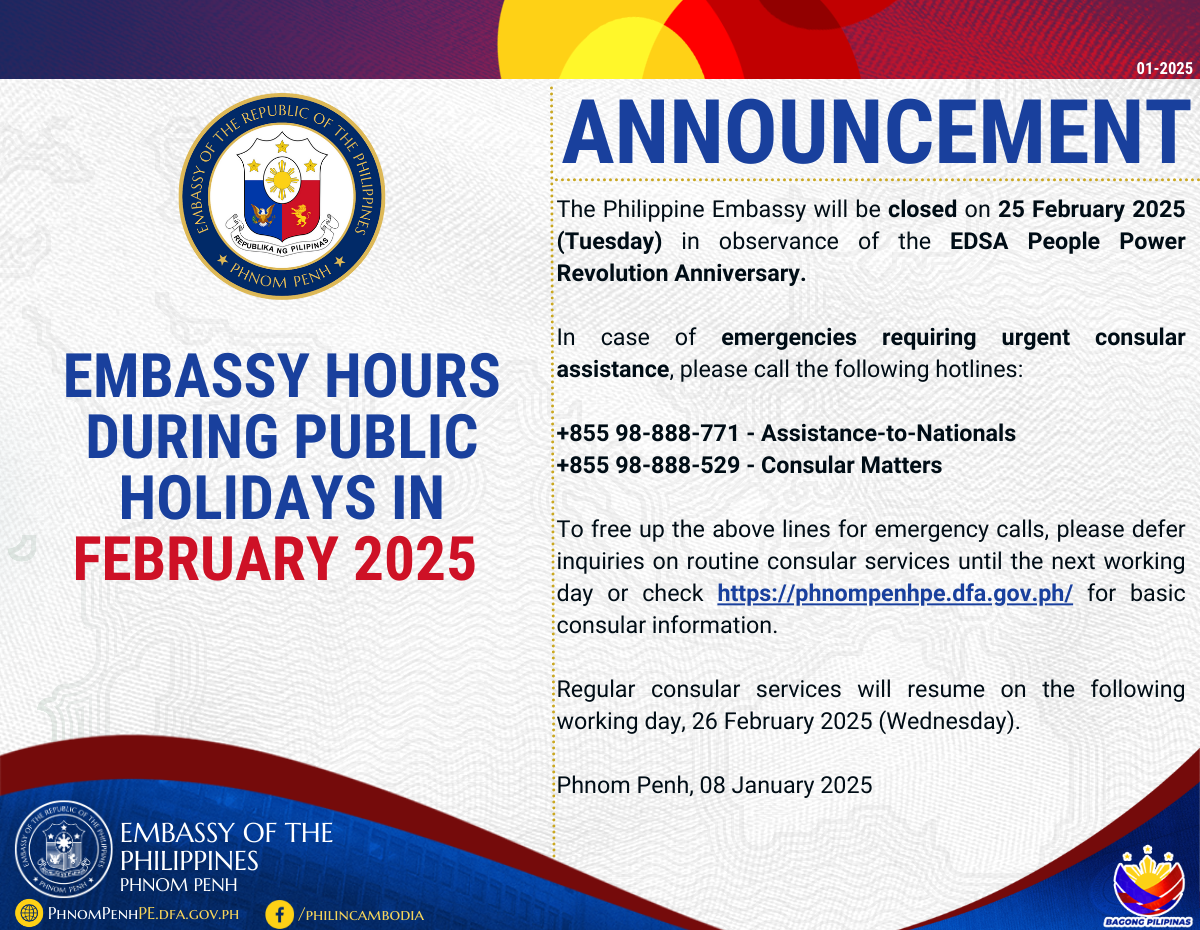
| 2025 | February 25 | Tuesday | EDSA People Power Revolution Anniversary | Special Non-Working Holiday | 727, s. 2024 |
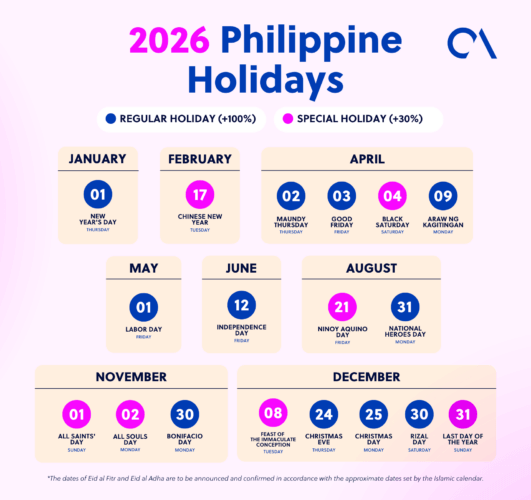
| 2026 | February 17 | Tuesday | Chinese New Year | Special Non-Working Holiday | (Likely 2025 proclamation) |
| 2026 | February 25 | Wednesday | EDSA People Power Revolution Anniversary | Special Non-Working Holiday | (Likely 2025 proclamation) |
This historical data confirms the consistent observance of Chinese New Year and the EDSA People Power Revolution Anniversary as special non-working days in February. While the exact dates of Chinese New Year shift annually (as it follows the lunar calendar), the EDSA anniversary is fixed on February 25th.
Final Thoughts: Stay Informed, Plan Ahead
Navigating holiday schedules, especially for a future year and in a country with a proclamation-based system like the Philippines, requires a bit of foresight. While we’ve provided you with the most likely scenario for February 2027 based on strong historical precedent and current unofficial calendars, the key takeaway is to remain vigilant for the official presidential proclamation.
By understanding how holidays are declared, knowing the difference between regular and special non-working days, and keeping an eye on official government sources, you’ll be well-prepared for any travel, business, or personal plans involving the Philippines in February 2027.
Frequently Asked Questions
What are the likely national holidays in the Philippines for February 2027?
Based on historical patterns, the most likely national holidays for February 2027 are Chinese New Year (expected February 6, 2027, a Saturday) and the EDSA People Power Revolution Anniversary (expected February 25, 2027, a Thursday). Both are typically declared as Special Non-Working Holidays.
When will the official proclamation for 2027 Philippine holidays be issued?
The official proclamation for a full calendar year like 2027 is usually issued by the President in the latter half of the preceding year (late 2026) or sometimes early in the year itself (early 2027). Until then, holiday dates are based on predictions and traditional observances.
What is the difference between a Regular Holiday and a Special Non-Working Day in the Philippines?
Regular Holidays are generally fixed by law and observe major religious or patriotic events, with strict rules for employee compensation if worked. Special Non-Working Days are declared by presidential proclamation, often for specific historical or cultural events. While both are non-working days for government and schools, private businesses may have more flexibility to operate, and employee compensation rules differ.
How do Philippine holidays affect travelers from the USA?
Travelers from the USA should anticipate potential closures of banks and government offices, increased crowds at popular destinations, and possible changes in transportation schedules on national holidays. Booking accommodations and flights well in advance is advisable, especially if a holiday creates a long weekend.
Where can I find the official holiday proclamations for the Philippines?
The most reliable sources for official holiday proclamations are the Official Gazette of the Republic of the Philippines (officialgazette.gov.ph) and the Presidential Communications Office (pco.gov.ph). These government websites publish the President’s executive orders.
Will February 25, 2027 (EDSA People Power Revolution Anniversary) create a long weekend?
As February 25, 2027, falls on a Thursday, it has the potential to create a long weekend if the following day, Friday, February 26, is also declared a special non-working day. While this has happened in the past, it is not guaranteed and would require a specific presidential proclamation.