February 2027’s Full Moon in India: When the “Snow Moon” Shines as Sacred Pournami
You’re here because you’re curious about the February 2027 Full Moon, specifically as it pertains to India. Maybe you’re tracking lunar phases, interested in cultural observances, or simply fascinated by celestial events. Whatever your reason, you’ve landed on the definitive guide.
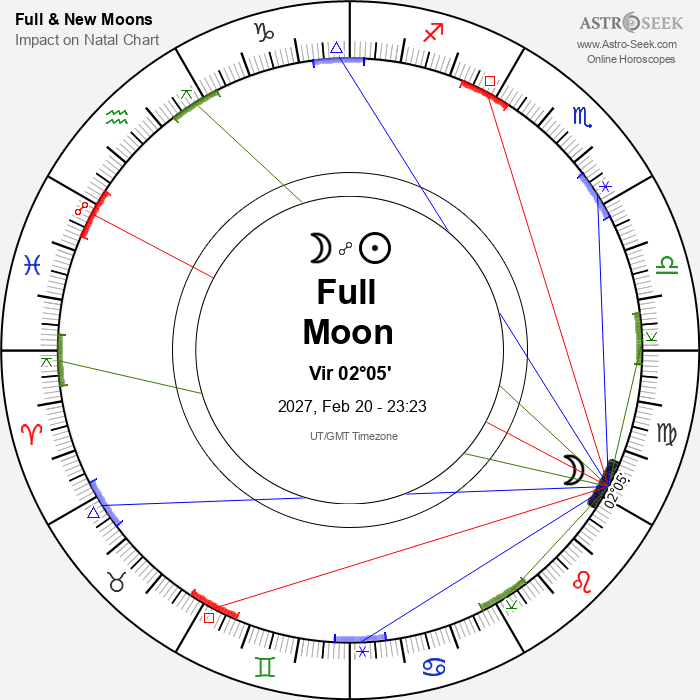
Let’s get straight to it: The Full Moon in February 2027 will occur on February 21, 2027, at 04:54 AM India Standard Time (IST). This celestial event carries a dual significance, known universally as the “Snow Moon” and revered in India as a sacred “Pournami.”
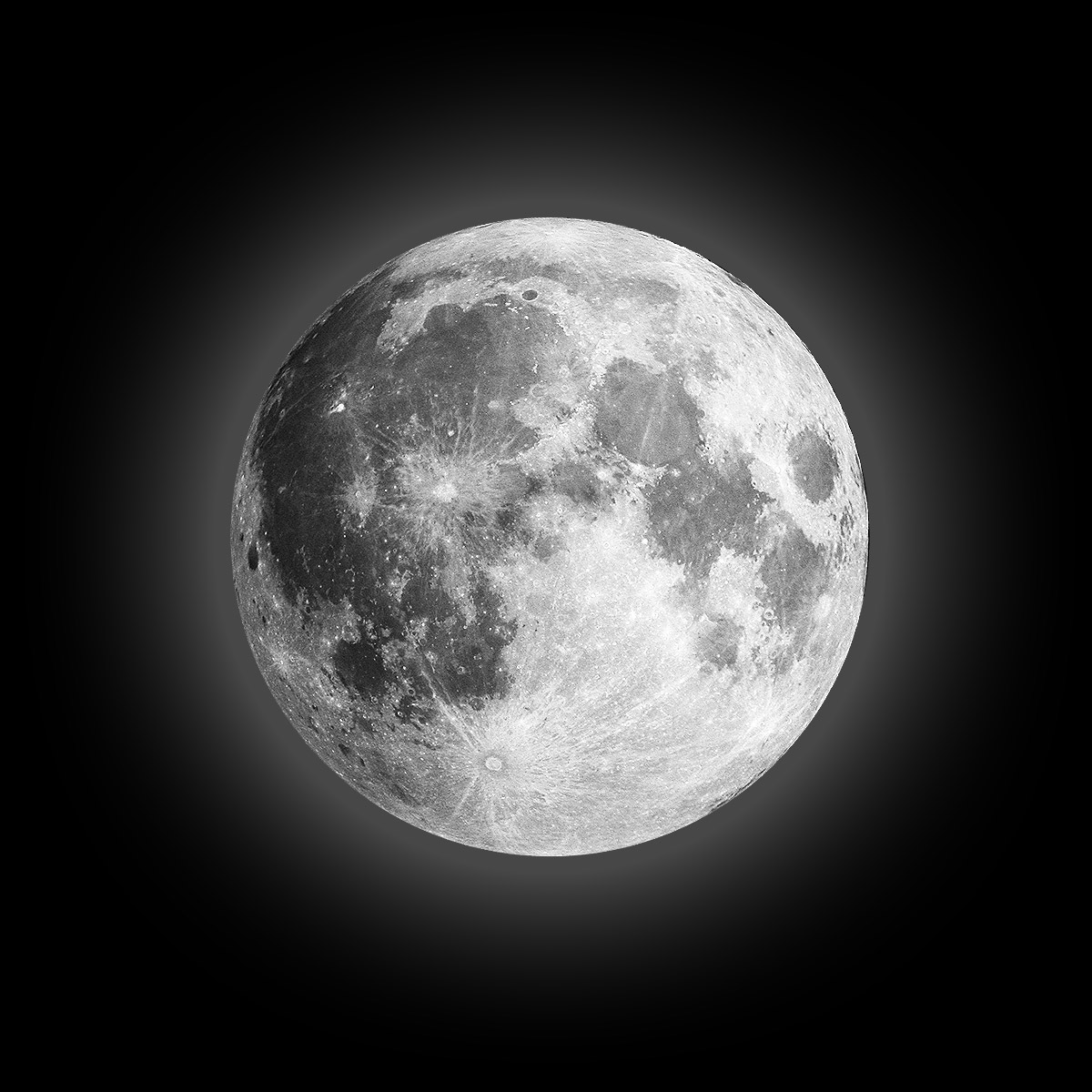
But what does that mean for you, especially if you’re observing from the USA? How do you connect with its cultural depth? Let’s dive in.
Your Guide to the February 2027 Full Moon in India: Dates, Times, and Names
Understanding the precise timing and the rich tapestry of names associated with this full moon is your first step to appreciating its full splendor.
The Core Details: Mark Your Calendars!
The moon’s phases are predictable, yet their impact feels unique each time. For February 2027, the moon will reach its fullest illumination in the early morning hours in India.
Date & Time (India Standard Time):
February 21, 2027, at 04:54 AM IST
This early morning timing means that for many in India, the preceding night (late evening of February 20th leading into the morning of the 21st) will offer the most spectacular views of the near-full, and then fully illuminated moon. Traditional observances often begin on the evening before the precise full moon moment.
Time Zone Conversion for the USA
For our audience in the United States, understanding the time difference is crucial for observing the event or participating in any online cultural activities. India Standard Time (IST) is UTC+5:30.
Here’s a quick conversion table for major US time zones:
| Location | Time Zone | Full Moon Time (February 2027) |
|---|---|---|
| India | IST (UTC+5:30) | February 21, 04:54 AM |
| Coordinated Universal Time | UTC | February 20, 11:24 PM |
| Eastern Standard Time (USA) | EST (UTC-5) | February 20, 06:24 PM |
| Central Standard Time (USA) | CST (UTC-6) | February 20, 05:24 PM |
| Mountain Standard Time (USA) | MST (UTC-7) | February 20, 04:24 PM |
| Pacific Standard Time (USA) | PST (UTC-8) | February 20, 03:24 PM |
Why timing matters: For those observing from the USA, the full moon peaks on the evening of February 20th. This means you can observe it in the night sky as it rises, experiencing its brilliance even though the precise moment of fullness is hours earlier in India. For spiritual practices aligning with the Indian calendar, knowing the IST timing helps you connect with the energy as it unfolds.
The “Snow Moon”: A Winter’s Tale
Globally, February’s full moon is often known as the “Snow Moon.” This evocative name originates from the indigenous Algonquin tribes of what is now the northeastern United States and southeastern Canada. For these communities, February was historically the month of heaviest snowfall, making hunting difficult and life challenging.
The name “Snow Moon” is therefore a direct reflection of the harsh, cold realities of winter’s peak. It symbolizes:
- Perseverance: Enduring the deepest part of winter.
- Scarcity: A time when food stores dwindled.
- Anticipation: The slow, hopeful turn towards spring.
This universal name helps us connect to a shared human experience of observing lunar cycles, regardless of geography, and underscores how closely our ancestors lived in tune with natural rhythms.
Pournami: India’s Sacred Full Moon
While the West recognizes the “Snow Moon,” in India, every full moon is known as Pournami or Purnima. These Sanskrit terms signify the completeness and fullness of the moon, which holds profound spiritual significance in Hinduism.
Pournami is not just an astronomical event; it’s a day charged with heightened spiritual energy, considered auspicious for various religious and spiritual practices. It’s believed that during Pournami, the moon’s potent energies are at their peak, making it an ideal time for:
- Fasting (Vratam): Many devotees observe a full or partial fast.
- Prayers and Offerings: Special prayers (pujas) are offered to various deities.
- Meditation and Introspection: The mind is believed to be more receptive and calm.
- Charity: Performing acts of kindness and giving.
Though February’s Pournami isn’t traditionally associated with one of Hinduism’s largest pan-Indian festivals (like Maha Shivaratri or Diwali, which follow lunar calendars but often fall on new moon or specific lunar days), it is still observed as a day of spiritual cleansing and devotion. Deities like Lord Vishnu (often through Satyanarayana Puja) and Goddess Lakshmi are frequently honored on full moon days, seeking blessings for prosperity and well-being.
Beyond the Date: Cultural and Spiritual Significance in India
The full moon in India is far more than just a date on a calendar; it’s a living tradition that weaves into the fabric of daily life and spiritual practice.
Embracing Pournami Vratam: Rituals and Practices
Observing a Pournami Vratam (fast) is a common practice among Hindus. The intention behind the fast varies, but generally, it’s undertaken for spiritual purification, expressing devotion, seeking blessings, or fulfilling a vow. Devotees may fast from sunrise to moonrise, consuming only water, milk, or fruits, or abstaining completely from food and water.
Common rituals associated with Pournami include:
- Early Morning Bathing: Taking a sacred bath, sometimes in a holy river or body of water, to cleanse the body and mind.
- Temple Visits: Visiting local temples to offer prayers and participate in special pujas or aartis (ritual of light).
- Chanting and Mantras: Reciting specific mantras or devotional hymns dedicated to the moon god (Chandra) or other deities.
- Performing Satyanarayana Puja: A popular ritual performed to Lord Vishnu, seeking truth, harmony, and prosperity. Many families perform this puja on full moon days.
- Lighting Lamps: Offering ghee or oil lamps to invite positive energy and dispel darkness.
The serene and luminous energy of the full moon is considered highly conducive for meditation and introspection, allowing individuals to connect more deeply with their inner selves and the divine.
The Astrological Lens: Vedic Insights into the Full Moon
In Vedic Astrology, known as Jyotish, the Moon (Chandra) is a powerful planet that governs the mind, emotions, mother, and general well-being. The full moon, where the Moon is in direct opposition to the Sun, is a period of maximum lunar influence.
Astrologically, the full moon is believed to:
- Heighten Emotions: Both positive and negative emotions can be amplified, leading to periods of intense feeling.
- Impact the Mind: The mind (Manas Karaka) can feel more active, either leading to increased clarity, creativity, or, for some, restlessness and agitation.
- Influence Energy: Many people report feeling a surge of energy, sometimes leading to sleeplessness.
- Amplify Intentions: It’s considered an excellent time for setting intentions, manifesting desires, and releasing what no longer serves you.
While specific predictions depend on an individual’s unique birth chart, the general influence of the full moon is universally acknowledged in Vedic traditions as a time of amplified energy and emotional sensitivity. It encourages self-awareness and conscious management of one’s inner landscape.
Regional Echoes: Variations Across India
India is a vast land with diverse cultures and traditions. While the core spiritual significance of Pournami remains consistent, the specific ways it’s celebrated or the emphasis placed on certain deities can vary regionally.
- In some parts of South India, temple festivals might align with lunar phases, though February isn’t typically a major festival month for Pournami.
- In North India, the observance might be more focused on individual fasts and prayers, perhaps dedicated to specific forms of Shiva or Vishnu.
- Even the names can vary slightly; for instance, in Bengal, it might be referred to as ‘Purnima’ with a slightly different pronunciation.
These regional nuances add to the richness of India’s spiritual tapestry, but the underlying reverence for the full moon as a time of spiritual potency is a unifying thread.
Observing the February 2027 Full Moon: A Global Perspective
Whether you’re in Chennai or California, the full moon is a universal spectacle that invites awe and reflection. Here’s how you can make the most of it.
Astronomical Basics: What Makes a Full Moon “Full”?
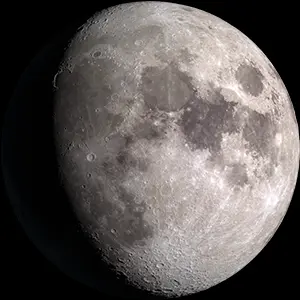
From a scientific standpoint, a full moon occurs when the Sun, Earth, and Moon align in an almost straight line, with the Earth in the middle. This allows the side of the Moon facing Earth to be fully illuminated by the Sun’s rays. It’s a precise moment, though the moon appears “full” to the naked eye for about three days around this peak.
The Moon doesn’t generate its own light; it merely reflects the Sun’s light. When it’s full, we see its entire sunlit face, making it appear as a bright, perfectly round disk in our night sky.
Best Practices for Observation (Even from the USA)
You don’t need fancy equipment to enjoy the full moon. Here’s how to make your observation meaningful:
- Find an Unobstructed View: Look for a spot away from tall buildings or trees, ideally with minimal light pollution.
- Check Your Local Moonrise/Moonset: Use a reliable astronomical app or website (like those from Time and Date or TheSkyLive) to find the exact moonrise and moonset times for your specific location on February 20th and 21st, 2027.
- Naked Eye Observation: This is often the most profound way to experience the moon’s beauty. Notice its color, the craters, and the subtle textures.
- Binoculars or Small Telescope: If you have them, these can offer a more detailed view of the lunar surface, revealing craters and mare (dark plains).
- Moon Photography: Even with a smartphone, you can capture stunning shots of the moon. Use night mode settings, or consider a tripod for more stability.
Remember, observing a celestial event like the full moon connects us globally. It’s the same moon, whether viewed over the Himalayas or the Grand Canyon, fostering a sense of universal wonder.
Engaging with Indian Culture from Afar
For our audience in the USA interested in the cultural dimension of the February 2027 Full Moon, there are several ways to engage:
- Learn About Hinduism: Dive into books, documentaries, or reputable websites that explain Hindu philosophy, deities, and rituals. Understanding the context enriches the experience.
- Connect Virtually: Many Hindu temples and spiritual organizations (like AstroVed) offer live streams of pujas and spiritual discourses, especially during auspicious times like Pournami. Look for online Satyanarayana Pujas or meditations that align with the full moon.
- Personal Reflection and Meditation: Take time on the evening of February 20th or morning of February 21st (your local time) to meditate under the moonlight. Focus on setting positive intentions, releasing negativity, and aligning with the moon’s calming energy.
- Lunar Journaling: Use the full moon as a prompt for journaling about your emotional state, goals, and reflections.
- Cook Traditional Indian Food: Embrace the cultural aspect by preparing a simple, traditional Indian meal, perhaps one often consumed during fasts (like fruit-based dishes or specific vegetarian preparations).
These actions, though simple, can create a powerful connection to the deeper spiritual current of Pournami, bridging geographical distances through intention and cultural appreciation.
Looking Ahead: The Rhythmic Dance of India’s Lunar Calendar in 2027
The February 2027 Full Moon is just one bead on the long string of India’s vibrant lunar calendar. Each Pournami throughout the year holds its own unique significance, often linked to specific deities, legends, or festivals.
As you move through 2027, you’ll encounter other significant full moons, such as Guru Purnima (celebrating spiritual teachers), Raksha Bandhan (a bond of protection), and Karthik Purnima (a major bathing festival). Each offers another opportunity to connect with India’s profound cultural and spiritual heritage, all guided by the rhythmic dance of the moon.
Conclusion
The Full Moon in February 2027 is a truly global event, known as the “Snow Moon” to many and cherished as sacred Pournami in India. Peaking on February 21, 2027, at 04:54 AM IST (and the evening of February 20th in the USA), it invites us to pause, observe, and reflect.
Whether you’re gazing at its brilliant light, understanding its astronomical mechanics, or connecting with its deep spiritual resonance through Indian traditions, this lunar event offers a chance for wonder, introspection, and a deeper connection to both the cosmos and human culture. Mark your calendars, set your intentions, and prepare to be illuminated.
Frequently Asked Questions
When exactly is the Full Moon in February 2027 in India?
The Full Moon in February 2027 will occur on February 21, 2027, at 04:54 AM India Standard Time (IST).
What is the cultural significance of this Full Moon in India?
In India, every full moon is known as Pournami or Purnima, a day of heightened spiritual energy. It’s considered auspicious for fasting (Vratam), prayers, offerings, meditation, and performing rituals like Satyanarayana Puja.
Why is it called the
The name
How can someone in the USA observe or participate in this lunar event?
From the USA, you can observe the full moon on the evening of February 20th, 2027 (see time zone conversions for exact local times). You can also engage culturally by learning about Hinduism, watching virtual pujas online, meditating under the moonlight, or setting intentions.
Are there any specific rituals or major festivals associated with Pournami in February?
While February’s Pournami isn’t typically tied to one of Hinduism’s largest pan-Indian festivals, it is still observed as a day for general spiritual practices like fasting, temple visits, chanting, and performing pujas, often dedicated to Lord Vishnu or Goddess Lakshmi.
Does the Full Moon have astrological effects in Vedic tradition?
Yes, in Vedic Astrology, the full moon is believed to amplify emotions and mental activity. It can lead to increased clarity or agitation, and is considered a powerful time for setting intentions and introspection due to the Moon’s strong influence on the mind.