Is February 2027 a Leap Year? Here’s the Definitive Answer (And Why It Matters)
Have you ever found yourself wondering about the calendar, particularly those pesky extra days? You’re not alone. The rhythm of our days, weeks, and months is something we often take for granted, until an anomaly like a leap year comes along and throws a wrench into our assumptions.
If you’re looking ahead to 2027 and trying to plan your schedule, figure out a birthday, or simply settle a curiosity, you’ve landed in the right place. We’re going to cut through the confusion and give you the straight answer about February 2027, then dive into the fascinating ‘why’ behind leap years.
The Short Answer: Is 2027 a Leap Year?
Let’s get straight to it: No, 2027 is NOT a leap year.
This means that February 2027 will have its usual 28 days, not 29. The year 2027 will consist of 365 days, just like a standard common year. You won’t find a February 29th on your calendar that year.
Understanding Leap Years: Why Do We Even Have Them?
So, if 2027 isn’t a leap year, what exactly *is one, and why do we even bother with them? It all comes down to the inconvenient truth about Earth’s orbit.
The Earth’s Orbit Isn’t Perfect: A Cosmic Problem
Our Gregorian calendar, the one most of the world uses, is designed to keep our measurement of time in sync with the Earth’s journey around the sun. We typically say a year is 365 days long. But here’s the kicker: it’s not exactly 365 days.
The Earth actually takes approximately 365.2422 days to complete one full orbit around the sun. That extra quarter of a day (0.2422, to be precise) might seem small, but if we ignored it, our calendar would slowly drift out of alignment with the seasons. After just 100 years, the calendar would be off by nearly 24 days! Summer would start to creep into what we now consider spring, and planting seasons would be a mess.
To counteract this drift and keep our calendar aligned with astronomical events and seasons, we periodically add an extra day. This additional day is called a ‘leap day,’ and the year it’s added to is called a ‘leap year.’
From Julian to Gregorian: The Evolution of Our Calendar
The concept of a leap year isn’t new. The ancient Romans, under Julius Caesar, introduced the Julian calendar, which included a leap day every four years. This was a massive improvement, but it wasn’t perfectly accurate. The Julian calendar overcompensated slightly, adding too many leap days over centuries.
By the 16th century, the calendar was noticeably out of sync, particularly impacting religious holidays like Easter, which is tied to the vernal equinox. To fix this, in 1582, Pope Gregory XIII introduced the Gregorian calendar. This new calendar refined the leap year rules to be much more precise, and it’s the system we still follow today.
The Gregorian Calendar Rules: How to Spot a Leap Year
The Gregorian calendar’s rules for determining a leap year are a bit more complex than just ‘every four years.’ Here’s how it works, step by step:
Rule 1: Divisible by 4 (The First Check)
The primary rule is that a year is a leap year if it is evenly divisible by 4. For example, 2024 (2024 ÷ 4 = 506) was a leap year. This accounts for most leap years.
Rule 2: Exception for Century Years (Divisible by 100)
Here’s where it gets a little trickier. If a year is a century year (meaning it ends in ’00’, like 1900 or 2100), it is NOT a leap year if it is evenly divisible by 100. So, 1900 was divisible by 4 (1900 ÷ 4 = 475), but it was also divisible by 100 (1900 ÷ 100 = 19). Therefore, 1900 was NOT a leap year, even though it passed the first rule.
This exception helps correct the slight overcompensation of adding a leap day every four years.
Rule 3: The Century Exception Exception (Divisible by 400)
Just when you thought you had it, there’s an exception to the exception! If a century year (one divisible by 100) is also evenly divisible by 400, then it IS a leap year. For example, the year 2000 was divisible by 4 (2000 ÷ 4 = 500), divisible by 100 (2000 ÷ 100 = 20), AND divisible by 400 (2000 ÷ 400 = 5). Therefore, 2000 was a leap year.
These three rules, when applied in order, ensure our calendar stays remarkably accurate with the Earth’s orbit for centuries.
Applying the Leap Year Rules: Examples
Let’s see how these rules play out for different years, including 2027:
| Year | Divisible by 4? | Divisible by 100? | Divisible by 400? | Is it a Leap Year? | February Days |
|---|---|---|---|---|---|
| 2027 | No (2027 ÷ 4 = 506.75) | No | No | NO | 28 |
| 2024 | Yes (2024 ÷ 4 = 506) | No | No | YES | 29 |
| 1900 | Yes | Yes | No | NO | 28 |
| 2000 | Yes | Yes | Yes | YES | 29 |
February 2027: A Closer Look at a Common Year Month
Since 2027 is a common year, February will be exactly what you expect: a 28-day month. It will begin on a Monday and conclude on a Sunday, making it a perfectly standard month in the calendar cycle.
February 2027 vs. February 2028: What’s the Difference?
To highlight the impact of a leap year, let’s compare February 2027 with the upcoming leap year February 2028:
| Feature | February 2027 (Common Year) | February 2028 (Leap Year) |
|---|---|---|
| Number of Days | 28 days | 29 days |
| Total Year Days | 365 days | 366 days |
| Starts On | Monday | Tuesday |
| Ends On | Sunday | Wednesday |
| Presence of Feb 29th | No | Yes |
Upcoming & Recent Leap Years: Planning Your Calendar
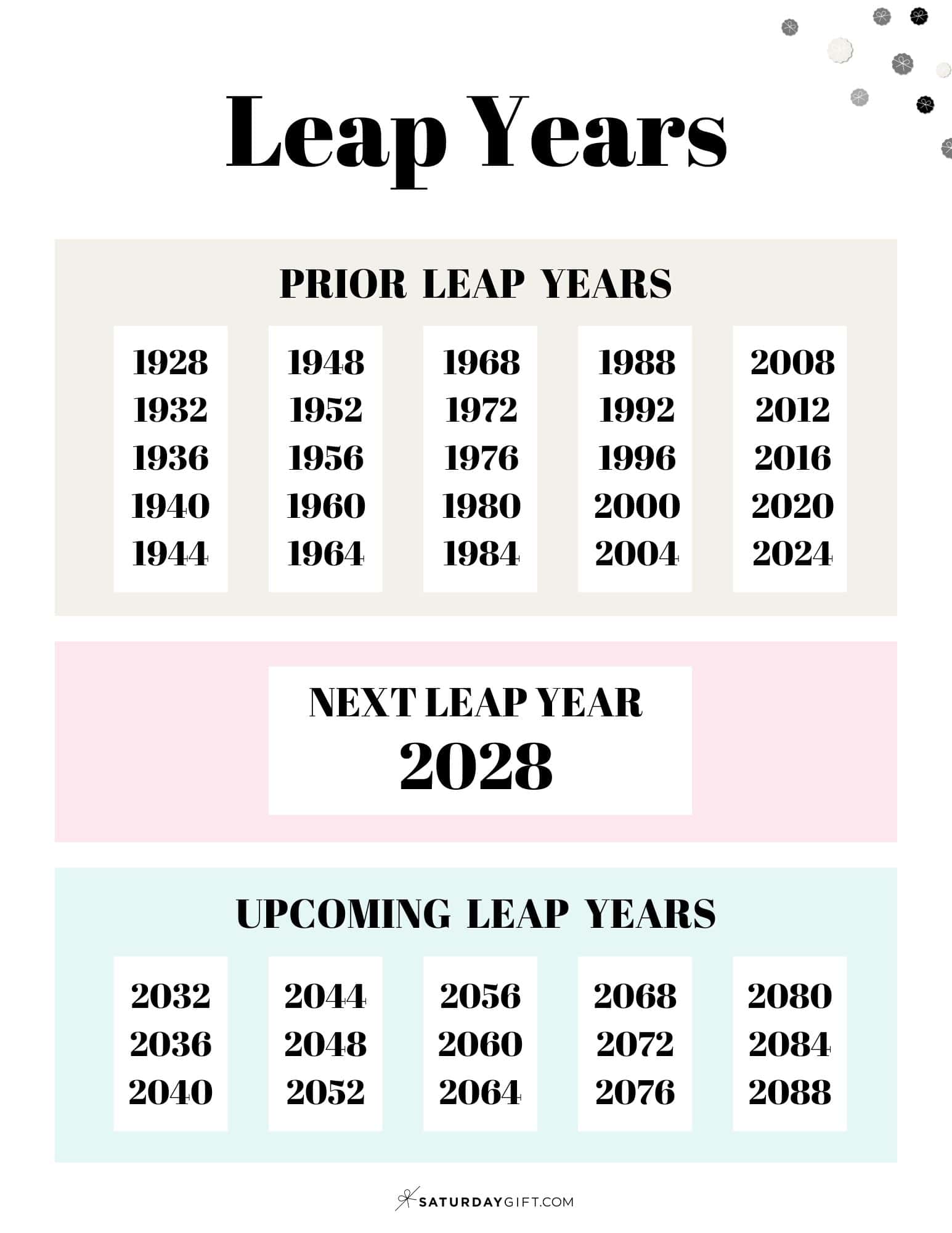
Knowing which years are leap years can be helpful for long-term planning, whether for personal events, business cycles, or just general curiosity. Here’s a quick reference for recent and upcoming leap years:
| Category | Leap Years | Common Years Around 2027 |
|---|---|---|
| Recent Past | 2020, 2024 | 2021, 2022, 2023 |
| Current/Near Future | 2028 | 2025, 2026, 2027 |
| Further Future | 2032, 2036, 2040, 2044, 2048 | 2029, 2030, 2031, etc. |
The Impact of a Common Year February: What It Means for You
While a 28-day February in 2027 might not seem like a big deal, it does have subtle implications for various aspects of life and planning.
Daily Planning & Scheduling
For most of us, a 28-day February means a slightly shorter month for hitting monthly targets or projects. If you’re planning events or deadlines, it’s a good reminder that February always runs a bit faster than its longer counterparts. For businesses, this can mean a shorter billing cycle or reporting period if your cycle is tied to calendar months.
Birthdays and Anniversaries (No Feb 29 for ‘Leaplings’)
If you or someone you know was born on February 29th (often called a ‘leapling’), then 2027 will be a year where their actual birthdate won’t appear on the calendar. Leaplings typically celebrate their birthday on February 28th or March 1st in common years. For everyone else, birthdays and anniversaries in February will fall on their usual dates.
Financial Cycles and Monthly Bills
For financial planning, a shorter February can sometimes subtly affect calculations. For instance, if you’re paid monthly, you’ll still receive your full pay, but it will cover fewer days of work compared to a 31-day month. This is more of an interesting tidbit than a major financial shift, but it highlights how the calendar influences our monetary cycles.
Debunking Leap Year Myths & Fun Facts
Leap years and leap days have gathered a fair share of folklore and interesting facts over the centuries. Let’s look at a few.
The "Only Women Propose" Tradition
One popular tradition, particularly in some Western cultures, suggests that February 29th is the only day when women can propose marriage to men without breaking social norms. This tradition is often linked to Irish folklore, where St. Brigid allegedly struck a deal with St. Patrick to allow women to propose on this one day every four years. While charming, it’s mostly a fun piece of history today.
Rare Birthdays and Leap Year Babies (‘Leaplings’)
Being born on February 29th is quite rare, with the odds being about 1 in 1,461. Those born on this day are affectionately known as ‘leaplings’ or ‘leap year babies.’ They often joke about only having a birthday every four years, though they celebrate annually on either February 28th or March 1st.
What If We Didn’t Have Leap Years?
If we simply ignored the fractional day and stuck to a strict 365-day year, our calendar would slowly but surely drift. Imagine Christmas falling in the height of summer in the northern hemisphere, or harvest festivals happening in what we now consider winter. It would create chaos for agriculture, traditional celebrations, and our fundamental understanding of seasons. The leap year system, though a slight periodic adjustment, is crucial for keeping our world, literally, on track.
Conclusion
So, there you have it: February 2027 will be a straightforward, 28-day month, as 2027 is not a leap year. While it might lack the unique flair of a February 29th, understanding why* it’s a common year helps us appreciate the intricate dance between our calendars and the cosmos. The Gregorian calendar, with its clever leap year rules, is a testament to human ingenuity in keeping our timekeeping accurate and aligned with the natural world. Happy planning for 2027!
Frequently Asked Questions
Is 2027 a leap year?
No, 2027 is not a leap year. It is a common year, meaning it will have 365 days, and February will have 28 days.
How many days will February 2027 have?
February 2027 will have 28 days, as 2027 is a common year and does not include a leap day.
What is the next leap year after 2024?
The next leap year after 2024 will be 2028. Following the Gregorian calendar rules, 2028 is divisible by 4, making it a leap year with February having 29 days.
Why do we have leap years?
We have leap years to keep our calendar in sync with the Earth’s orbit around the sun. The Earth takes approximately 365.2422 days to orbit the sun, so an extra day (February 29th) is added periodically to account for the accumulated quarter-day, preventing the calendar from drifting out of alignment with the seasons.
What are the rules for determining a leap year?
According to the Gregorian calendar, a year is a leap year if it is evenly divisible by 4, EXCEPT for century years (years ending in ’00’). Century years are only leap years if they are also evenly divisible by 400. For example, 2000 was a leap year, but 1900 was not.
Will February 29th exist in 2027?
No, February 29th will not exist in 2027. The last day of February 2027 will be February 28th.
How does a common year February impact planning?
A 28-day February in a common year means it’s a shorter month for budgeting, project deadlines, and general scheduling compared to months with 30 or 31 days. For ‘leaplings’ (born on Feb 29), their actual birthdate won’t appear on the calendar that year, leading them to celebrate on Feb 28 or March 1.