New Moon February 2027 Vedic Astrology: Unveiling Amavasya’s Potent Capricorn Conjunction & Solar Eclipse
Feeling the stir of upcoming cosmic energies? If you’ve been looking ahead to February 2027, particularly the New Moon, and wondering what it means from a Vedic Astrology perspective, you’ve landed in the right place. This isn’t just another calendar entry; this New Moon, known as Amavasya in Vedic tradition, brings with it a powerful and unique alignment: a rare gathering of five significant planets in Capricorn, nestled within the resolute Nakshatra of Uttara Ashadha. To top it off, this lunar event coincides with a Solar Eclipse, amplifying its karmic and transformative potential. Let’s unravel what this means for you, your spiritual path, and your worldly ambitions.
What is the February 2027 New Moon in Vedic Astrology? (Amavasya Deep Dive)
In the vast and intricate world of Vedic Astrology, known as Jyotish, a New Moon isn’t merely the absence of visible light. It’s a profound juncture where the Sun and Moon conjoin, signifying a reset, a deep introspection, and a potent time for planting new seeds of intention. For February 2027, this Amavasya takes on an extraordinary significance due to its precise timing and planetary backdrop.
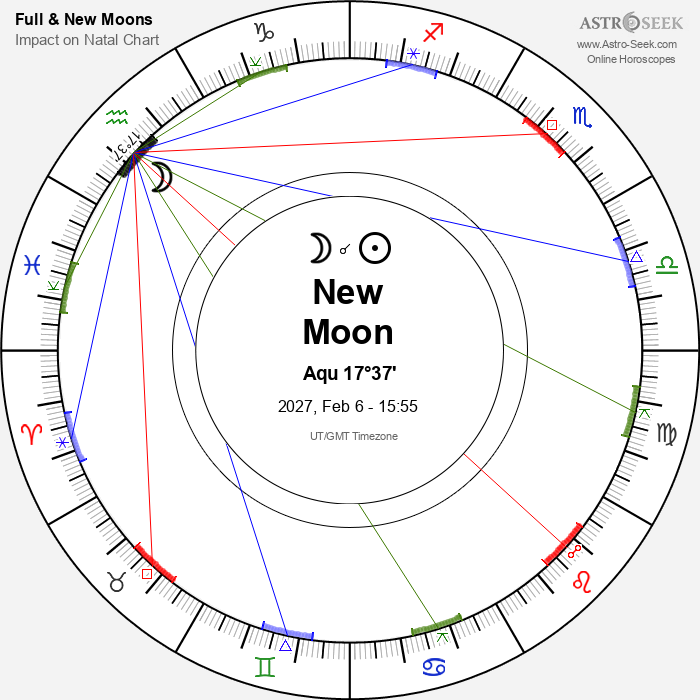
Key Dates, Times, and Astronomical Details (USA Focus)
Mark your calendars, because this is a date steeped in cosmic potential:
| Event | Date | Time (EST – Eastern Standard Time) | Vedic Tithi |
|---|---|---|---|
| New Moon / Amavasya Peak | February 6, 2027 | Around 10:55 AM | Krishna Paksha Amavasya |
| Solar Eclipse (Partial/Annular) | February 6, 2027 | Coincides with New Moon | N/A |
From a Vedic perspective, the New Moon will occur in the sidereal sign of Capricorn (Makara Rashi), specifically within the Uttara Ashadha Nakshatra. This is a crucial distinction from Western tropical astrology, which would place it in Aquarius. This difference, stemming from the Ayanamsa (precession of the equinoxes), shifts the energetic focus significantly. This specific conjunction is not just about a sign; it’s about a rare planetary gathering.
Understanding Amavasya: The Vedic New Moon
Amavasya is more than just a lunar phase; it’s a powerful period for spiritual introspection, purification, and honoring ancestors (Pitra). With the Moon, representing our mind and emotions, completely obscured by the Sun, representing our soul and consciousness, it’s a time when our inner world is quieted, allowing deeper spiritual insights to surface. Traditionally, Amavasya is considered ideal for:
- Deep Meditation: To connect with the subconscious and intuition.
- Pitra Tarpan: Performing rituals for ancestors, seeking their blessings, and clearing ancestral karma.
- Sankalpa (Intention Setting): Planting seeds for new beginnings, especially those requiring discipline and sustained effort.
- Fasting & Self-Reflection: To purify the body and mind, letting go of old patterns.
This Amavasya in February 2027 is supercharged by its unique planetary dynamics, making these practices even more potent.
The Cosmic Alignment: Five Planets in Vedic Capricorn & Uttara Ashadha
Here’s where the February 2027 New Moon becomes truly extraordinary. The presence of five major planets—the Sun, Moon, Mercury, Venus, and Saturn—all conjoined in the sidereal sign of Capricorn creates a formidable concentration of energy. This isn’t a common occurrence, and it implies a highly focused, intense period for collective and individual karmic evolution. The specific positioning within Uttara Ashadha Nakshatra adds another layer of profound influence.
Capricorn in Vedic Astrology: Structure, Discipline, and Karma
In Vedic Astrology, Capricorn (Makara Rashi) is an earthy, cardinal sign ruled by Saturn (Shani), the planet of discipline, structure, karma, and responsibility. When multiple planets gather here, especially Saturn itself, the energy of Capricorn is amplified tremendously. This signifies a time for:
- Ambitious Endeavors: Focus on long-term career goals, public image, and material achievements.
- Karmic Reckoning: Saturn ensures that efforts are rewarded based on past actions, demanding integrity and perseverance.
- Structure & Foundation: Ideal for building or rebuilding foundational aspects of your life, be it financial, professional, or personal.
- Patience & Endurance: Success won’t come overnight; it requires sustained effort and a methodical approach.
With the Sun (soul), Moon (mind), Mercury (intellect/communication), Venus (relationships/resources), and Saturn (karma/discipline) all in Capricorn, nearly every aspect of life is pulled into this sphere of practical, results-oriented action. It’s a call to mature, take responsibility, and work diligently.
Uttara Ashadha Nakshatra: The Unconquerable Star
The New Moon and the planetary stellium fall specifically in Uttara Ashadha Nakshatra, spanning 26°40′ Sagittarius to 10°00′ Capricorn in the sidereal zodiac. Its symbolism is profound:
- Symbol: The tusk of an elephant, signifying strength, unwavering focus, and the ability to break through obstacles.
- Deity: The Vishvadevas (the Universal Gods), representing virtues like truth, will, skill, time, and desire.
- Qualities: Perseverance, leadership, spiritual depth, and an unconquerable spirit. It’s associated with victory that comes after much struggle and effort.
This Nakshatra infuses the Capricorn energies with a profound sense of purpose and a relentless drive towards righteous achievement. It supports those who strive with honesty and unwavering determination. It’s a stellar placement for seeking lasting success and spiritual recognition through dedicated work.
The Stellium Power: What 5 Planets in Capricorn Means
A planetary stellium (three or more planets in the same sign) in Vedic Astrology signifies a potent concentration of energy, causing that sign’s themes to dominate. Five planets in Capricorn during this New Moon is a rare celestial event that can manifest as:
| Planet | Influence in Capricorn | Personal Impact |
|---|---|---|
| Sun (Atmakaraka – Soul) | Identity tied to responsibility, career, public duty. | Drive to achieve recognition, build a legacy. Need to prove self through hard work. |
| Moon (Manas – Mind/Emotions) | Emotions grounded in reality, practicality. Emotional security found in structure. | Need for stability, perhaps a melancholic or serious emotional tone. Good for planning. |
| Mercury (Buddhi – Intellect) | Communication is practical, strategic, focused on business/career. | Logical thinking, organized communication. Excellent for detailed planning and negotiation. |
| Venus (Kama – Relationships/Resources) | Relationships are serious, commitment-oriented. Value practical security over fleeting romance. | Attraction to stable, mature partners. Financial gains through disciplined effort. |
| Saturn (Karma – Discipline/Lessons) | Its own sign, Saturn is exceptionally strong, reinforcing all Capricorn themes. | Major karmic lessons around responsibility, patience, public life. Hard work brings lasting rewards. |
This stellium intensifies themes of leadership, social responsibility, and the pursuit of long-term security. It’s a period where the universe rewards those who are diligent, strategic, and willing to put in the hard work. However, it also demands facing limitations and overcoming obstacles with Saturnian grit.
The Solar Eclipse of February 6, 2027: Vedic Perspectives
The fact that this powerful New Moon is also a Solar Eclipse significantly elevates its impact. In Vedic Astrology, eclipses are not seen merely as astronomical curiosities but as highly sensitive, karmically charged events. They involve the shadow planets, Rahu and Ketu, which are the lunar nodes of destiny.
Rahu & Ketu’s Influence: The Shadow Planets
Eclipses occur when the Sun, Moon, and Earth align with the nodal axis (Rahu and Ketu). Rahu (the North Node) represents insatiable desires, ambition, and worldly illusions, while Ketu (the South Node) signifies detachment, spirituality, and past life karma. During an eclipse, these nodes temporarily ‘swallow’ the light of the Sun (or Moon), disrupting its normal flow of energy.
- Solar Eclipse: When the Sun is eclipsed, the ‘light of the soul’ or ego is momentarily obscured. This can bring sudden awareness, karmic purges, or shifts in areas related to government, authority figures, or personal leadership.
Eclipses often mark periods of significant change, revelation, and the culmination or beginning of major life cycles. They are not typically considered auspicious for starting new ventures, but rather for introspection and releasing what no longer serves us.
Specific Implications of This Solar Eclipse
This particular Solar Eclipse in Capricorn, conjunct such a significant planetary stellium in Uttara Ashadha, means:
- Karmic Acceleration: Expect rapid manifestation of past actions, both good and challenging, especially related to career, public standing, and responsibilities.
- Ego & Authority Shifts: Challenges to your current status, leadership roles, or even the perception of authority figures. It can be a time to redefine your professional identity.
- Clearing Blockages: The eclipse energy, combined with Saturn’s influence, is powerful for purging old patterns, outdated structures, and karmic baggage that are hindering your growth in career and public life.
- Sudden Insights: While traditionally not for new beginnings, an eclipse can bring sudden, intuitive insights about your long-term goals and societal contributions. Pay attention to dreams and subtle messages.
It’s a time to be cautious, observant, and focus on internal work rather than external action. Avoid making major decisions or starting highly important projects immediately during the eclipse window.
Navigating the Energies: Recommendations for This Powerful Amavasya
Given the intensity of the February 2027 New Moon, stellium, and Solar Eclipse, conscious engagement with these energies is key. This is a rare opportunity for profound transformation, particularly in areas governed by Capricorn: career, public image, structure, and responsibility.
Spiritual Practices & Rituals
- Deep Meditation & Silence: Dedicate time to quiet contemplation. The absence of lunar light makes it ideal for connecting with your inner self. Focus on releasing negativity and setting clear, high-minded intentions.
- Pitra Tarpan: If you follow Vedic traditions, performing ancestral rites during Amavasya is highly recommended. This can involve offering water, food, or simply meditating on your ancestors to clear ancestral debts and receive blessings.
- Fasting: Observe a partial or full fast (if medically appropriate) to purify the body and enhance spiritual receptivity.
- Chanting & Mantras: Recite mantras related to Saturn (Om Sham Shanicharaya Namaha), Vishnu, or your Ishta Devata (personal deity). The power of sound can balance challenging energies.
- Charity & Service: Saturn appreciates selfless service. Engaging in charity, especially helping those less fortunate, can mitigate challenging karmic influences.
Practical Actions & Goal Setting
- Review & Re-strategize: This is an excellent time to critically review your career path, long-term goals, and financial strategies. Are they aligned with your highest purpose?
- Let Go & Purge: Identify and release outdated ambitions, toxic work habits, or professional relationships that no longer serve your growth. The eclipse energy supports dissolution.
- Focus on Foundation: Use the Capricorn energy to strengthen the foundations of your professional and financial life. Think long-term security and sustainable growth.
- Discipline & Structure: Commit to new disciplines, routines, or structural improvements in your work or daily life. Saturn rewards consistent effort.
Mantras and Affirmations for the Capricorn New Moon
Utilize these specific affirmations and mantras to align with the energies of the Capricorn New Moon and Uttara Ashadha:
- For Saturn/Capricorn: Om Sham Shanicharaya Namaha. (Chant 108 times daily during this period for discipline, patience, and karmic grace).
- For Uttara Ashadha: “I am strong, disciplined, and focused on achieving my highest purpose with integrity.”
- General Amavasya Affirmation: “I release all that no longer serves me and plant seeds for powerful, disciplined growth and lasting achievement.”
How This New Moon May Impact Different Vedic Moon Signs/Ascendants
While the overall energy is strong, its manifestation will vary based on your individual Vedic chart, specifically your Moon sign (Chandra Rashi) or Ascendant (Lagna). Here’s a brief, general overview:
- Aries (Mesha): Major focus on career, public image, and status. Challenges and opportunities for professional growth.
- Taurus (Vrishabha): Emphasis on higher education, philosophy, long journeys, and spiritual pursuits. Re-evaluation of beliefs.
- Gemini (Mithuna): Intense focus on transformation, occult knowledge, shared resources, and overcoming obstacles. Deep psychological shifts.
- Cancer (Karka): Significant impact on relationships, partnerships, and marriage. Reviewing commitment and balance.
- Leo (Simha): Focus on daily routines, health, service, and overcoming enemies or debts. Need for disciplined self-care.
- Virgo (Kanya): Creative expression, children, speculation, and romance take center stage. Opportunities for joyful endeavors, but with responsibility.
- Libra (Tula): Home, family, inner peace, and real estate matters are highlighted. Focus on domestic stability.
- Scorpio (Vrischika): Communication, siblings, short journeys, and self-effort are prominent. Powerful time for learning and expressing truths.
- Sagittarius (Dhanu): Financial matters, speech, family values, and accumulated wealth are key. Reviewing resources and self-worth.
- Capricorn (Makara): A direct and powerful influence on your self, personality, and life path. Profound new beginnings and karmic lessons.
- Aquarius (Kumbha): Focus on expenses, foreign lands, spirituality, and endings. Time for introspection and releasing karmic ties.
- Pisces (Meena): Gains, desires, social networks, and community involvement are highlighted. Re-evaluation of friendships and future aspirations.
For a personalized understanding, consulting a qualified Vedic astrologer is always recommended, as the exact impact depends on your unique birth chart.
Comparative Overview: Vedic vs. Western Astrology for February 2027 New Moon
Understanding the distinction between Vedic and Western astrology is crucial, especially for an event like the February 2027 New Moon. The core difference lies in their starting points:
| Feature | Vedic (Sidereal) Astrology | Western (Tropical) Astrology |
|---|---|---|
| Zodiac System | Sidereal (fixed stars) | Tropical (seasons) |
| Ayanamsa | Uses an Ayanamsa (e.g., Lahiri) to account for precession. | Does not use Ayanamsa, Aries always starts at vernal equinox. |
| New Moon Sign (Feb 2027) | Capricorn (Makara) | Aquarius |
| Lunar Mansions | Utilizes 27 Nakshatras for finer analysis. | Does not traditionally use Nakshatras. |
| Primary Focus | Karmic patterns, spiritual growth, destiny, precise timing (Dashas). | Personality, psychological traits, personal growth, potential. |
This table highlights why a Vedic interpretation for the February 2027 New Moon places such a heavy emphasis on Capricorn’s practical, disciplined, and karmic themes, rather than Aquarius’s more innovative, humanitarian, or rebellious energy. Both systems offer valuable insights, but their frameworks lead to different interpretations for the same cosmic event.
The February 2027 New Moon in Vedic Astrology is not just an astronomical occurrence; it’s a powerful karmic reset, calling us to align with discipline, build strong foundations, and release old patterns that hinder our long-term growth. With a rare stellium in Capricorn and the amplifying effect of a Solar Eclipse in Uttara Ashadha, this Amavasya offers a profound opportunity for those willing to engage consciously with its potent energies.
”
Frequently Asked Questions
When is the New Moon in February 2027 according to Vedic Astrology?
The New Moon (Amavasya) in February 2027 peaks around 10:55 AM EST on February 6, 2027. In Vedic Astrology, this places it in the sidereal sign of Capricorn and the Nakshatra of Uttara Ashadha.
What is the significance of ‘5 planets in Capricorn’ for this New Moon?
A rare conjunction of five planets (Sun, Moon, Mercury, Venus, and Saturn) in sidereal Capricorn intensifies themes of discipline, responsibility, career, and long-term goals. It’s a powerful period for karmic reckoning and building solid foundations through hard work and integrity.
What is Uttara Ashadha Nakshatra, and how does it influence the February 2027 New Moon?
Uttara Ashadha, symbolized by an elephant’s tusk, is a Nakshatra associated with perseverance, leadership, and ultimate victory after sustained effort. Its influence on this New Moon in Capricorn emphasizes achieving success through truthfulness, determination, and spiritual purpose.
Why is there a Solar Eclipse mentioned with the New Moon?
The February 6, 2027 New Moon coincides with a Solar Eclipse. In Vedic Astrology, eclipses are karmically charged events involving Rahu and Ketu, the shadow planets. A Solar Eclipse means the ‘light of the soul’ is momentarily obscured, leading to sudden shifts, karmic purges, or insights related to ego, authority, and public roles.
What spiritual practices are recommended during this Amavasya and Solar Eclipse?
It’s a powerful time for deep meditation, introspection, fasting (if suitable), and performing Pitra Tarpan (ancestral offerings). Chanting Saturn mantras (Om Sham Shanicharaya Namaha) and engaging in selfless service are also highly beneficial to balance and utilize these intense energies.
How does Vedic Astrology differ from Western Astrology for this New Moon?
The main difference is the zodiac system. Vedic (Sidereal) Astrology uses fixed stars, placing the February 2027 New Moon in Capricorn. Western (Tropical) Astrology uses seasons, placing it in Aquarius. Vedic astrology also incorporates Nakshatras for finer analysis and focuses more on karmic patterns and precise timing.