Unlocking Sri Lanka’s Heartbeat: Your Essential Guide to February 2027 Festivals
Dreaming of a trip to Sri Lanka? Imagine yourself amidst vibrant parades, ancient rituals, and a palpable sense of national pride. If your travel calendar points to February 2027, you’re in for an extraordinary treat. While some months boast a flurry of festivals, February in Sri Lanka offers a unique blend of national celebration and profound spiritual observance, creating an unforgettable cultural tapestry. It’s not just about seeing the sights; it’s about feeling the pulse of this incredible island nation.
Many travel guides give you a generic overview, but you’re here for the specifics, right? You want to know exactly what awaits you, how to immerse yourself respectfully, and how to plan your itinerary to capture the true essence of Sri Lanka in February 2027. Consider this your definitive insider’s guide to navigating the festivities, understanding their significance, and making your journey truly impactful.
February 2027 in Sri Lanka: A Snapshot of Celebration
Let’s cut straight to the chase. February in Sri Lanka is dominated by two significant events: the spirited Independence Day and the serene Navam Full Moon Poya. Adding to this, the revered Maha Shivratri also falls within the month, alongside the ongoing pilgrimage season to Adam’s Peak. This isn’t just a list of dates; it’s a doorway to understanding the diverse cultural and religious fabric of the country.
Key Festivals and Public Holidays at a Glance
| Date (2027) | Festival/Observance | Type | Significance | Traveler Impact |
|---|---|---|---|---|
| February 4, Thursday | Independence Day (National Day) | Public Holiday | Celebrates independence from British rule (1948). | Major national celebrations, government offices closed, potential transport disruptions. |
| February 20, Saturday | Navam Full Moon Poya Day | Public Holiday (Buddhist) | Commemorates the appointment of Sariputta & Moggallana as chief disciples and the first Buddhist Council. | Alcohol sales restricted, quiet atmosphere, temples busy. Navam Perahera likely follows. |
| February 26, Friday | Maha Shivratri | Hindu Observance | Night of devotion to Lord Shiva. | Hindu temples will be active with devotees, night vigils. |
| Throughout Feb | Adam’s Peak Pilgrimage Season | Spiritual Trek | Pilgrimage to Sri Pada, believed to hold the footprint of Buddha/Adam. | Peak pilgrimage season, expect crowds if attempting the climb. |
Independence Day (National Day): A Nation’s Pride (February 4, 2027)
Mark your calendar for February 4, 2027. This is when Sri Lanka bursts into a vibrant display of patriotism, commemorating its declaration of independence from British colonial rule in 1948. It’s more than just a public holiday; it’s a day when the entire nation pauses to reflect on its journey and celebrate its hard-won freedom.
The Significance Behind the Grandeur
For centuries, Sri Lanka (then Ceylon) was under various colonial powers. The struggle for independence was long and arduous, culminating in a peaceful transfer of power. Independence Day is a powerful reminder of this history, a day to honor national heroes, and a time to reinforce national identity and unity. You’ll see locals proudly displaying the lion flag, a symbol of the nation’s strength and heritage.
What to Expect: Parades, Pageantry, and Patriotism
The epicenter of the celebrations is typically Colombo, particularly around the iconic Galle Face Green. Here, the main ceremony unfolds with military parades showcasing the might of the armed forces, cultural performances reflecting Sri Lanka’s diverse traditions, and patriotic speeches by the President.
- Grand Parade: Expect to witness impeccably uniformed military personnel, police, and cadets marching in unison, often accompanied by colorful floats.
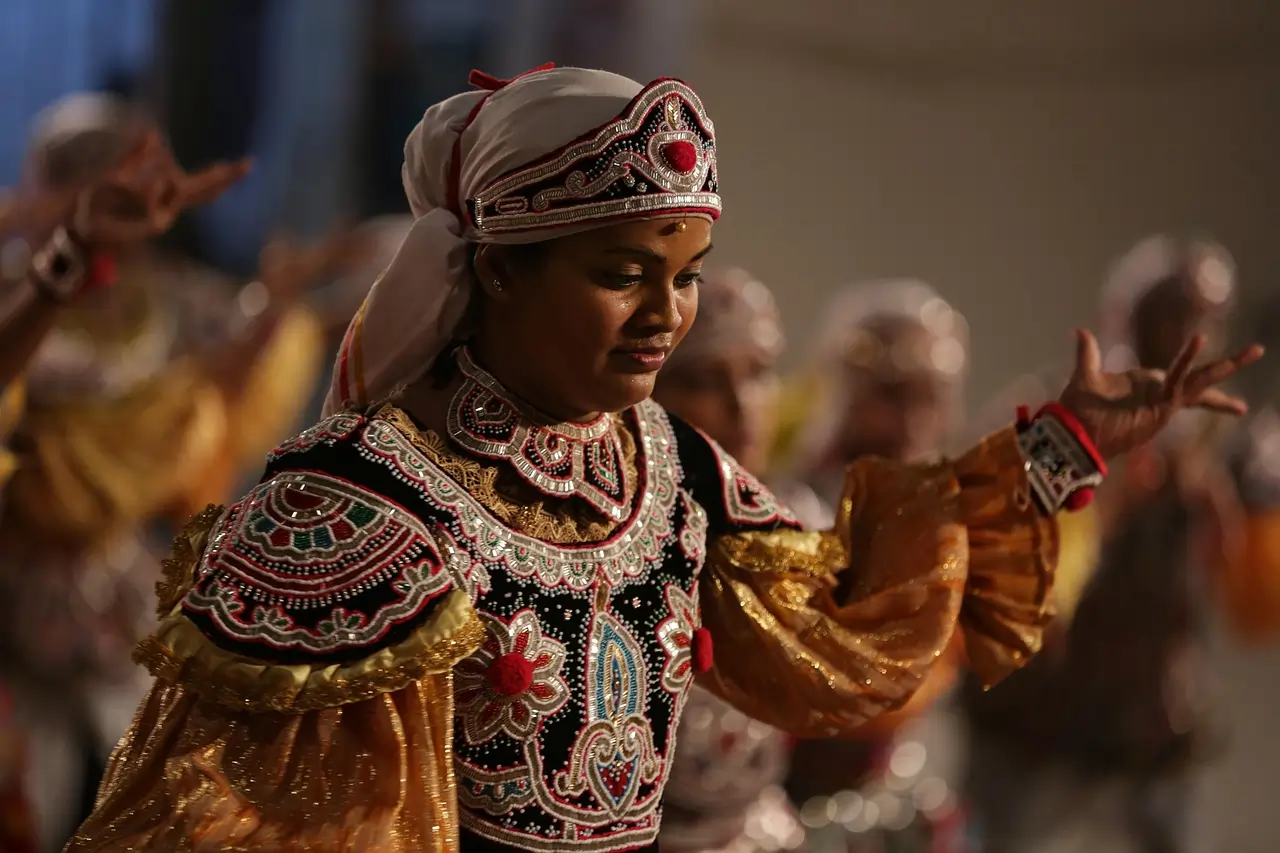
- Cultural Extravaganza: Dancers, drummers, and traditional performers from various ethnic groups showcase the island’s rich cultural heritage.
- Flag Hoisting: The raising of the national flag, often to the tune of the national anthem, is a deeply moving moment for locals.
Beyond Colombo, you’ll find smaller, equally heartfelt celebrations in towns and villages across the island, with schools and local communities organizing their own events. Government offices, banks, and many businesses will be closed, so plan your errands accordingly. Public transport might also run on a reduced schedule or experience diversions, especially in Colombo.
How to Experience Independence Day Like a Local
To truly embrace Independence Day, consider these tips:
- Head to Galle Face Green: If you’re in Colombo, arriving early to secure a good spot is crucial. The atmosphere is electric, filled with families and enthusiastic onlookers.
- Dress Respectfully: While not strictly formal, avoid overly casual beachwear if you plan to attend the main ceremonies.
- Savor Street Food: Independence Day is a perfect opportunity to indulge in local snacks and treats from street vendors, who will be out in full force.
- Engage with Locals: Sri Lankans are generally very friendly and proud of their heritage. Don’t hesitate to strike up a conversation and learn more about their perspective on this important day.
Navam Poya: The Full Moon of Ordination and Unity (February 20, 2027)
Just a few weeks after the national fervor, Sri Lanka shifts to a profound spiritual observance with Navam Full Moon Poya Day on February 20, 2027. Poya days are central to the Buddhist calendar, marking significant events in the life of the Buddha or the history of Buddhism in Sri Lanka. Each full moon brings a public holiday, fostering a unique atmosphere of spiritual reflection across the island.
Understanding Poya Days: Sri Lanka’s Monthly Spiritual Rhythm
Poya days are more than just public holidays; they are deeply revered days of religious observance. For devout Buddhists, it’s a time for meditation, visiting temples, listening to sermons (bana), and engaging in good deeds. You’ll notice certain changes across the country:
- Alcohol Ban: By law, the sale of alcohol is prohibited on Poya days, and most bars and liquor stores will be closed.
- Meat Restriction: Many restaurants will not serve meat, aligning with the Buddhist principle of non-violence.
- Quiet Atmosphere: While not solemn, there’s a distinctly calmer, more reflective ambiance, especially in residential areas and near temples.
Embrace this peaceful energy; it’s a beautiful aspect of Sri Lankan culture.
The Historical Tapestry of Navam Poya
Navam Poya holds immense significance in Buddhist history. It commemorates two pivotal events:
- Appointment of Chief Disciples: On this day, Lord Buddha appointed Sariputta and Moggallana, two of his most esteemed followers, as his chief disciples. This formalized the monastic hierarchy, strengthening the Sangha (Buddhist order).
- First Buddhist Council: It also marks the occasion when the Buddha, at the age of 80, announced his impending passing (Parinibbana) three months later. Following this, the first Buddhist Council was held to recite and codify his teachings.
These events solidified the structure and preservation of Buddhist teachings, making Navam Poya a day of great importance for the global Buddhist community.
The Spectacle of Navam Perahera (Late February 2027)
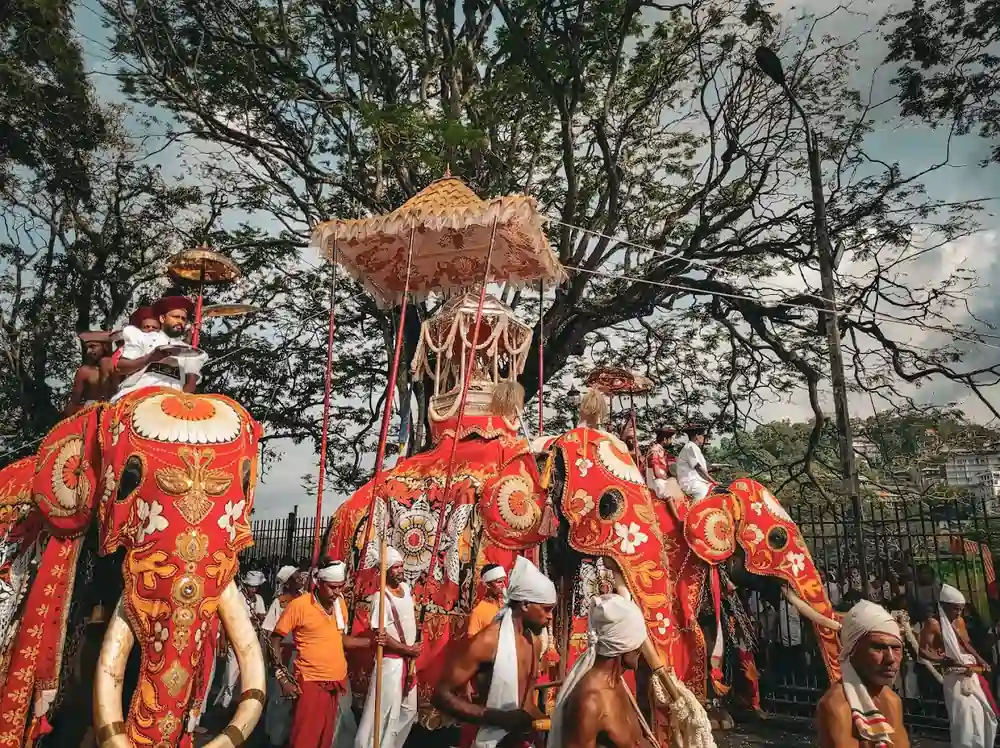
While Navam Poya itself is a day of quiet contemplation, it often precedes one of Colombo’s most spectacular cultural events: the Navam Perahera. Organized by the Gangaramaya Temple, this grand procession usually takes place in the days following the Poya. Given Navam Poya is on February 20, 2027, it’s highly probable the Perahera will occur in late February 2027, transforming the streets of Colombo into a dazzling display of culture and devotion.
The Navam Perahera is a sensory feast:
- Decorated Elephants: Magnificently adorned elephants, often carrying relic caskets, lead the procession.
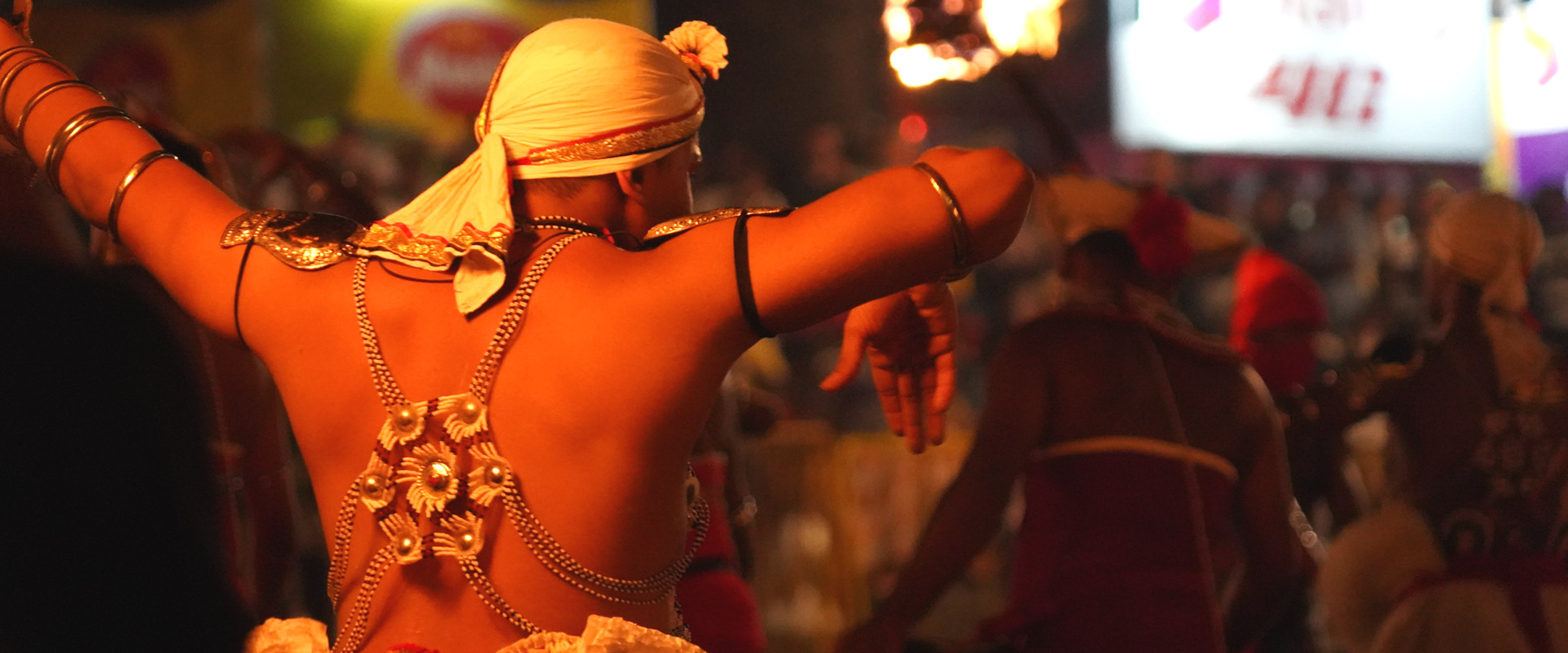
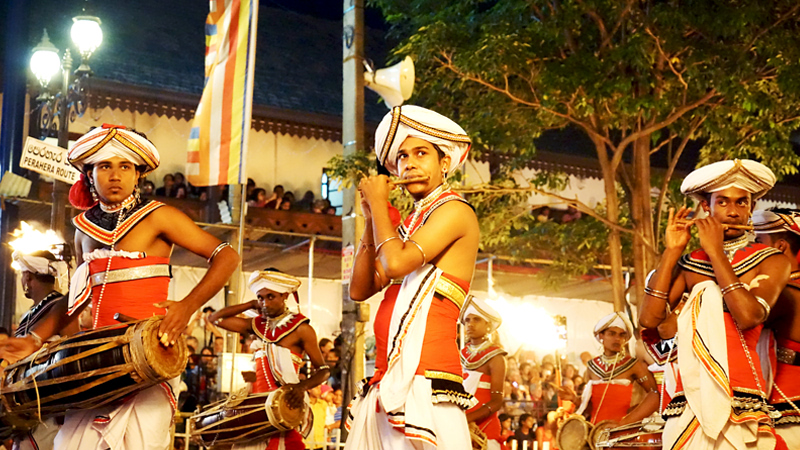
- Traditional Dancers: Kandyan and low-country dancers, drummers, fire twirlers, and whip crackers fill the streets with rhythmic movements and sounds.
- Religious Dignitaries: Buddhist monks and other religious figures participate, adding solemnity to the pageantry.
Traveler Tips for Navam Perahera: This is a highly anticipated event. If you wish to experience it:
- Book Accommodation Early: Hotels along the procession route get booked up quickly.
- Secure Your Spot: Locals and tourists will line the streets hours in advance. Consider purchasing a seat in a designated viewing gallery for comfort and an unobstructed view, if available.
- Dress Comfortably: You’ll likely be standing or sitting for a while, so comfortable shoes and light clothing are recommended.
Respectful Participation During Navam Poya
To honor the spirit of Navam Poya:
- Visit a Temple: Observe the rituals, leave an offering of flowers, or simply sit in quiet reflection.
- Dress Appropriately: When visiting temples, wear modest clothing that covers your shoulders and knees. White attire is traditionally preferred by devotees.
- Observe Silence: Be mindful of the peaceful atmosphere; keep your voice low, especially in sacred spaces.
Other Notable Observances & Events Potentially in February 2027
Beyond the main events, February 2027 offers a couple of other significant cultural threads that might enhance your Sri Lankan experience.
Maha Shivratri: A Hindu Dedication (February 26, 2027)
For Hindu devotees, Maha Shivratri, meaning ‘The Great Night of Shiva,’ is a major annual festival dedicated to Lord Shiva. In 2027, this significant observance falls on Friday, February 26. It’s a night of intense devotion, prayer, and fasting, believed to be the night Shiva performs his cosmic dance (Tandava).
While Sri Lanka is predominantly Buddhist, it has a significant Tamil Hindu population, especially in the North and East, and pockets across the island. During Maha Shivratri, Hindu temples will come alive with:
- All-Night Vigils: Devotees stay awake throughout the night, chanting prayers and hymns.
- Abhishekams: Ritual bathing of the Shiva Lingam with milk, water, honey, and other sacred offerings.
- Fasting: Many observe a strict fast, often breaking it only the next morning.
If you’re near a Hindu temple, particularly in areas like Jaffna, Trincomalee, or even some parts of Colombo, you might witness these sincere acts of worship. It’s a powerful display of faith, offering a different cultural perspective.
Adam’s Peak Pilgrimage Season (December-May)
February is right in the heart of the pilgrimage season for Adam’s Peak (Sri Pada), a sacred mountain revered by Buddhists, Hindus, Muslims, and Christians alike. The peak is believed to bear the footprint of Buddha (Buddhists), Shiva (Hindus), Adam (Muslims and Christians), or St. Thomas (some Christians).
The trek to the summit is undertaken predominantly at night to witness the breathtaking sunrise and the unique triangular shadow cast by the peak. It’s a physically demanding but spiritually rewarding journey, often accompanied by chants and camaraderie among pilgrims. While not a single-day festival, its peak season in February means you’ll find the trails bustling with devotees. Expect significant crowds, especially on Poya days and weekends.
Planning Your February 2027 Sri Lanka Festival Journey
To ensure your trip to Sri Lanka in February 2027 is as smooth and enriching as possible, here’s some practical advice tailored to the festival season.
Navigating Logistics: Accommodation, Transport, and Timing
- Book Well in Advance: Especially if you plan to be in Colombo around Independence Day (Feb 4th) or the Navam Perahera (late Feb). Popular hotels will fill up quickly.
- Transportation: Public holidays can affect bus and train schedules. While often reduced, they usually still operate. For the main Independence Day parade, certain roads in Colombo will be closed, so factor in extra travel time or plan to walk/use ride-sharing apps (though these might also be impacted by demand).
- Banking & Shopping: Banks and many government offices will be closed on public holidays (Feb 4th and Feb 20th). Supermarkets and essential services generally remain open, but smaller shops might opt to close. Have enough cash on hand.
Cultural Etiquette: Respecting Traditions
Sri Lankans are incredibly hospitable, and showing respect for their customs will enhance your experience tenfold.
- Temple Attire: Always dress modestly when visiting temples – cover your shoulders and knees. Remove your shoes and hats before entering.
- Photography: Always ask permission before photographing people, especially monks or during religious rituals. Avoid posing with your back to a Buddha statue, as this is considered disrespectful.
- Greetings: A polite ‘Ayubowan’ (a respectful greeting meaning ‘may you live long’) goes a long way.
- Left Hand: The left hand is generally considered unclean. Avoid using it for eating, passing objects, or gesturing.
Combining Festivals with Sri Lanka’s Wonders
February is generally a fantastic month for weather across much of Sri Lanka, particularly the west and south coasts, and the hill country. This makes it ideal for combining festival experiences with broader exploration:
- Cultural Triangle & Hill Country: After experiencing the buzz of Colombo’s festivals, head north to the ancient cities of Anuradhapura and Polonnaruwa, or climb Sigiriya. Then journey to Kandy and Nuwara Eliya for cooler climes, stunning tea plantations, and waterfalls.
- Southern Beaches: Unwind on the beautiful beaches of Galle, Mirissa, or Unawatuna. February offers perfect conditions for sunbathing, surfing, and whale watching.
- Wildlife Safaris: Yala National Park and Udawalawe National Park offer excellent safari opportunities in February, with good chances of spotting elephants, leopards, and diverse birdlife.
Your February 2027 itinerary could look something like this: Start in Colombo for Independence Day and the Navam Perahera. Then, depending on your interests, head to the Hill Country for a cultural and nature immersion (and Adam’s Peak if you’re up for the trek), or journey south for some beach relaxation, perhaps timing your visit to a Hindu temple for Maha Shivratri.
February 2027 Sri Lanka Festival Planner: Quick Reference Table
To help you solidify your plans, here’s a detailed planner consolidating the key information for February 2027.
| Festival/Event | Date (2027) | Key Locations | What to Experience | Traveler Impact/Tips |
|---|---|---|---|---|
| Independence Day | Feb 4, Thursday | Colombo (Galle Face Green), Nationwide | Military parades, cultural shows, patriotic fervor, flag hoisting. | Public holiday, government closures, transport diversions in Colombo. Book Colombo accommodation early. |
| Navam Full Moon Poya | Feb 20, Saturday | Buddhist Temples Nationwide, especially Colombo | Quiet reflection, temple visits, sermons, religious observances. | Public holiday, no alcohol sales, modest dress for temples. Navam Perahera follows. |
| Navam Perahera | Late Feb (post-Poya) | Colombo (Gangaramaya Temple vicinity) | Grand procession of elephants, dancers, drummers, cultural performances. | Highly popular, book viewing seats/accommodation very early. Streets closed for procession. |
| Maha Shivratri | Feb 26, Friday | Hindu Temples Nationwide (e.g., Jaffna, Trincomalee, Colombo) | All-night vigils, prayers, Abhishekams (ritual bathing of Shiva Lingam). | Observe respectful silence if visiting temples. No specific public holiday impact. |
| Adam’s Peak Pilgrimage Season | Throughout February | Adam’s Peak (Sri Pada) | Spiritual night trek to witness sunrise and sacred footprint. | Peak season, expect crowds, especially weekends/Poya days. Physically demanding. |
February 2027 in Sri Lanka isn’t just a month; it’s an invitation to step into a living, breathing cultural narrative. From the rousing cheers of Independence Day to the serene chants of Poya, and the devout vigils of Shivratri, you’ll find yourself immersed in experiences that resonate long after you’ve left its shores. It’s a journey not just across an island, but through its very soul. Start planning now, and prepare for an adventure that will awaken your senses and enrich your understanding of this incredible nation.
Frequently Asked Questions
What are the main festivals in Sri Lanka during February 2027?
The main festivals and observances in Sri Lanka for February 2027 include Independence Day (February 4th), Navam Full Moon Poya Day (February 20th), and Maha Shivratri (February 26th). Additionally, February falls within the peak pilgrimage season for Adam’s Peak (Sri Pada).
Is Independence Day a public holiday, and how does it affect travelers?
Yes, February 4th is a major public holiday across Sri Lanka. Government offices, banks, and many businesses will be closed. Travelers should expect large national celebrations, especially in Colombo, which may lead to road closures and altered public transport schedules. It’s advisable to book accommodation in Colombo early.
What is Navam Poya, and what should I expect on this day?
Navam Poya (February 20th, 2027) is a significant Buddhist public holiday commemorating key events in Buddhist history. On this day, you’ll experience a quieter, more spiritual atmosphere across the island. The sale of alcohol is prohibited, and many will visit temples. Modest dress is essential when visiting sacred sites.
Will the Navam Perahera take place in February 2027?
Yes, it is highly probable the grand Navam Perahera, organized by Gangaramaya Temple in Colombo, will take place in late February 2027, likely in the days following Navam Poya (February 20th). This spectacular procession features decorated elephants, traditional dancers, and drummers, transforming parts of Colombo into a vibrant cultural show.
What is Maha Shivratri, and where can I observe it?
Maha Shivratri (February 26th, 2027) is a significant Hindu festival dedicated to Lord Shiva, marked by all-night vigils, prayers, and ritual bathing of the Shiva Lingam. While not a public holiday, Hindu temples across Sri Lanka, particularly in areas with significant Tamil populations like Jaffna, Trincomalee, and parts of Colombo, will be active with devotees.
What is the weather like in Sri Lanka in February, and is it a good time to visit?
February is generally an excellent time to visit Sri Lanka, offering pleasant weather across much of the country. The west and south coasts, as well as the hill country, typically experience dry, sunny conditions with comfortable temperatures, making it ideal for both festival participation and broader sightseeing.
What cultural etiquette should I be aware of during festivals?
Always dress modestly when visiting temples (shoulders and knees covered) and remove shoes/hats. Avoid posing with your back to Buddha statues. When interacting with locals, a polite ‘Ayubowan’ is appreciated. Remember the left hand is generally considered unclean for eating or passing items.