Your Essential Guide to February 2026 Holidays in India: Planning for US Travelers & Enthusiasts
Planning a trip to India in February 2026? Or perhaps you’re simply curious about the vibrant cultural tapestry of this incredible nation? Either way, understanding India’s holiday calendar is absolutely key. Unlike the US, where national holidays are largely uniform, India’s holiday landscape is a rich, complex mosaic of national observances, state-specific declarations, and deeply personal religious festivals.
Table of Contents
- Your Essential Guide to February 2026 Holidays in India: Planning for US Travelers & Enthusiasts
- February 2026 Indian Holidays at a Glance: Key Dates for Your Calendar
- Diving Deeper: Understanding Each February 2026 Holiday
- Guru Ravidas Jayanti (February 1, 2026)
- Maharishi Dayanand Saraswati Jayanti (February 12, 2026)
- Maha Shivaratri (February 15, 2026)
- Navigating Indian Holidays: What US Travelers Need to Know
- Distinguishing Holiday Types: Gazetted vs. Restricted vs. Bank Holidays
- Impact on Your Travel Plans: Logistics, Crowds, and Costs
- Embracing the Celebrations: Cultural Immersion Opportunities
- Beyond February: Planning Your 2026 India Trip Strategically
As an American looking to navigate this, you might be wondering: Which holidays truly matter for my travel plans? Will banks be closed? What about public transport? And crucially, how can I immerse myself in these cultural moments without inadvertently causing disruption or missing out on incredible experiences?
You’re in the right place. I’m going to cut through the confusion and give you the definitive, human-first guide to February 2026 holidays in India. We’ll cover the major dates, explain their significance, and most importantly, equip you with the practical knowledge you need to plan a seamless, enriching visit.

February 2026 Indian Holidays at a Glance: Key Dates for Your Calendar
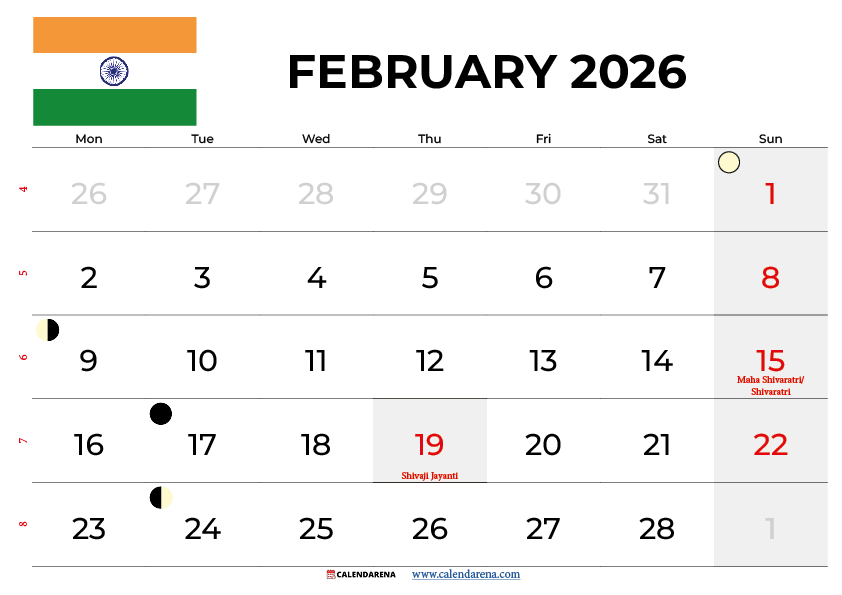
Let’s kick things off with the most important dates. February 2026 sees a few significant observances that are either full public holidays in various states or widely celebrated ‘Restricted Holidays.’ Understanding the difference is crucial, and we’ll break that down shortly. For now, here’s your quick reference:
| Date | Day | Holiday Name | Type | Significance & Impact Summary |
|---|---|---|---|---|
| February 1, 2026 | Sunday | Guru Ravidas Jayanti | Restricted Holiday | Celebrates the birth of Guru Ravidas. Primarily observed by his followers. Minimal public disruption, but some local businesses/government offices in areas with significant Ravidassia populations might be affected. |
| February 12, 2026 | Thursday | Maharishi Dayanand Saraswati Jayanti | Restricted Holiday | Commemorates the founder of Arya Samaj. Observed by followers. Generally, a normal working day for most, with minor regional impacts. |
| February 15, 2026 | Sunday | Maha Shivaratri | Public Holiday (State/Regional) / Restricted Holiday | A major Hindu festival dedicated to Lord Shiva. Expect temple visits, fasting, and night-long vigils. Often a public holiday in many states (e.g., Uttar Pradesh, Madhya Pradesh), meaning banks, government offices, and some businesses might be closed. Significant crowds around Shiva temples. |
While the first two are ‘Restricted Holidays’ (meaning individuals can choose to take leave, but it’s not a mandatory closure), Maha Shivaratri on February 15th is the one you need to pay closest attention to. It’s a significant religious event that often translates into a full public holiday in many Indian states, even though it falls on a Sunday in 2026. This means the preceding Friday or following Monday might see extended observance or reduced services in some areas.
Diving Deeper: Understanding Each February 2026 Holiday
Now, let’s explore the cultural and social context behind these dates. Knowing ‘what’ they are is helpful, but understanding ‘why’ they matter makes your travel experience so much richer.
Guru Ravidas Jayanti (February 1, 2026)
Guru Ravidas Jayanti marks the birth anniversary of Guru Ravidas, a revered Indian mystic and poet-saint of the Bhakti movement during the 15th to 16th centuries. He was a champion of human rights and equality, advocating for a casteless society and emphasizing devotion to God above all rituals.
His teachings greatly influenced the Sikh tradition, and he is deeply respected across various communities, particularly in Punjab, Himachal Pradesh, and Haryana. On this day, followers gather at gurdwaras (Sikh temples) to offer prayers, participate in kirtans (devotional singing), and listen to discourses on his life and philosophy. Large processions (nagar kirtan) are also common in areas with significant Ravidassia populations.
- Cultural Significance: A day of spiritual reflection and celebration of equality and social justice.
- Impact on Travelers: As it falls on a Sunday and is a ‘Restricted Holiday,’ you’re unlikely to face widespread closures or travel disruptions. However, if you are in a region with a strong Ravidassia community, you might witness local processions or celebrations. Embrace the opportunity to observe respectfully.
Maharishi Dayanand Saraswati Jayanti (February 12, 2026)
Maharishi Dayanand Saraswati Jayanti celebrates the birth of Swami Dayanand Saraswati, a prominent Hindu religious scholar, reformer, and the founder of the Arya Samaj, a reform movement within Hinduism. Born in 1824, he dedicated his life to reviving the Vedic traditions and teachings, advocating against idol worship, caste discrimination, and promoting education for all, including women.
His teachings profoundly impacted Indian society, advocating for a return to the original principles of the Vedas. On his birth anniversary, followers of Arya Samaj, primarily in North India, hold special prayers, yajnas (fire rituals), and satsangs (spiritual gatherings) to remember his contributions and teachings.
- Cultural Significance: A day of remembrance for a pivotal figure in modern Hindu reform, focusing on social justice and Vedic principles.
- Impact on Travelers: This is also a ‘Restricted Holiday’ and falls on a Thursday. Most businesses and government offices will operate normally. You might encounter local observances in communities with a strong Arya Samaj presence, but these are unlikely to impact general travel.
Maha Shivaratri (February 15, 2026)
Maha Shivaratri, meaning ‘The Great Night of Shiva,’ is one of the most significant and widely celebrated Hindu festivals in India. It is dedicated to Lord Shiva, the destroyer and transformer within the Hindu trinity. The festival marks the convergence of Shiva and Parvati, and also celebrates the night Shiva performs the ‘Tandava’ dance, the cosmic dance of creation, preservation, and destruction.

Devotees observe a day-long fast, engage in meditation, and chant prayers. Temples dedicated to Lord Shiva, especially ancient ones, become vibrant hubs of activity, with devotees offering milk, water, bel leaves, fruit, and sweets to Shiva Lingams. Many devotees also perform a ‘jaagran’ (all-night vigil) in temples, singing bhajans and devotional songs. The atmosphere is truly electric and spiritually charged.
- Cultural Significance: A major Hindu festival symbolizing the victory of overcoming darkness and ignorance. A deeply spiritual day for millions.
- Impact on Travelers: This is the most impactful holiday in February. While it falls on a Sunday in 2026, many states declare it a public holiday, potentially extending its impact. Expect:
- Temple Crowds: Shiva temples will be extremely crowded, especially during the evening and night.
- Bank & Government Closures: In states where it’s a public holiday, banks, post offices, and government offices will be closed.
- Business Impact: Many local shops and businesses, especially in smaller towns or religious areas, might close or have reduced hours. Larger cities and tourist-centric areas might be less affected but still see some impact.
- Travel: Local transport around major temples might be diverted or face congestion. Long-distance transport like trains and domestic flights generally operate, but booking might be tighter.
- Opportunity: If you’re keen on cultural immersion, witnessing the fervor and devotion at a Shiva temple during Maha Shivaratri is an unforgettable experience. Be prepared for crowds and dress respectfully.
Navigating Indian Holidays: What US Travelers Need to Know
Understanding the nuances of Indian holidays is crucial for a smooth trip. It’s not just about knowing the dates; it’s about comprehending their practical implications.
Distinguishing Holiday Types: Gazetted vs. Restricted vs. Bank Holidays
India’s holiday system can be a bit perplexing at first glance. Let’s clarify the different categories:
| Holiday Type | Definition | Impact on Businesses & Government | Impact on Travel & Public Life |
|---|---|---|---|
| Gazetted Holidays (Public/National Holidays) | Mandatory public holidays declared by the Central Government. All government offices, banks, and most businesses are closed nationwide. States may also declare additional public holidays. | CLOSED. Essential services may operate with reduced staff. | Significant impact. Public transport might be less frequent (especially buses), tourist attractions might be crowded or have special hours. Major disruptions possible. |
| Restricted Holidays (Optional Holidays) | Optional holidays, primarily for government employees, who can choose a limited number from a list. Not mandatory closures for businesses or banks. | OPEN. Most businesses, government offices, and banks operate as usual. Some employees may take leave. | Minimal impact on general public life or travel. Localized religious observances might occur. |
| State-Specific Holidays | Declared by individual state governments for their region. These can be gazetted within that state. | CLOSED within that state. Banks, government offices, and many businesses in the specific state will be shut. | High impact within the specific state. Affects local transport, services, and crowds. |
| Bank Holidays | Days when banks are closed. These often align with Gazetted or State-Specific holidays but can sometimes include specific banking observances. | BANKS CLOSED. Other businesses may be open. | Direct impact on financial transactions. Plan cash withdrawals and currency exchanges ahead. |
For February 2026, Maha Shivaratri (Feb 15) is the primary holiday that could be a state-specific Public/Gazetted Holiday. Always check the local holiday calendar for the specific state(s) you plan to visit, as closures can vary dramatically.

Impact on Your Travel Plans: Logistics, Crowds, and Costs
Holidays in India, especially major festivals, can significantly alter your travel experience. Here’s what to keep in mind:
- Public Transport: During major public holidays (like Maha Shivaratri in certain states), local bus services might run on a reduced schedule. Trains and domestic flights generally operate, but they can be heavily booked, particularly if the holiday creates a long weekend. Book well in advance!
- Tourist Attractions: Most major tourist attractions (like the Taj Mahal, historical forts, national parks) remain open on most holidays, especially those designated as ‘Restricted Holidays.’ However, expect larger crowds, particularly at religious sites during associated festivals. Some museums or government-run sites might have altered hours on full public holidays. Always check their official websites.
- Accommodation and Flights: If a holiday creates a long weekend, expect a surge in domestic tourism. This can lead to higher prices for hotels and flights, and limited availability. Plan and book your accommodation and internal travel legs well ahead of time to avoid disappointment and inflated costs.
- Local Businesses & Services: In areas observing a full public holiday, many smaller shops, markets, and even some restaurants might close. This is especially true for local, family-run establishments. Larger malls, chain restaurants, and international hotel groups are generally less affected. Keep some cash handy, as ATMs might be busier or run out of cash on public holidays.
- Banking & Currency: On bank holidays, physical bank branches will be closed. ATMs usually function, but it’s always wise to withdraw cash beforehand, especially in smaller towns. Plan currency exchanges carefully around these dates.
Embracing the Celebrations: Cultural Immersion Opportunities
While holidays can pose logistical challenges, they also offer unparalleled opportunities for cultural immersion. February 2026’s Maha Shivaratri, for instance, is a chance to witness deep Hindu devotion firsthand.
- Respectful Observation: If you find yourself near a temple or a procession during a festival, observe from a respectful distance. Ask permission before taking photos, especially of people.
- Dress Code: When visiting religious sites, always dress modestly (shoulders and knees covered). Remove your shoes before entering temples or gurdwaras.
- Participate (if appropriate): Sometimes, locals might invite you to partake in simple aspects of the celebration, like sharing food or watching a ritual. This can be a truly heartwarming experience, but always gauge the situation and accept gracefully.
- Be Patient: Embrace the slower pace or unexpected diversions that holidays can bring. This is part of the experience!
Beyond February: Planning Your 2026 India Trip Strategically
February is just one month, and India’s calendar is packed with festivals year-round. If you’re planning an extended trip to India in 2026, here’s some broader advice:
- Check State-Specific Calendars: India is a union of 28 states and 8 union territories, and each has its own set of regional holidays. Always cross-reference a national calendar with the specific state calendars for the regions you plan to visit. Websites of state tourism boards or official government portals are good sources.
- Long Weekends are Key: Holidays that fall on a Friday or Monday (or create a bridge with the weekend) often lead to long weekends. This is when domestic tourism peaks, impacting travel prices and availability across the board.
- Consider the Pros and Cons:
- Pros of traveling during a holiday: Witnessing vibrant cultural celebrations, experiencing unique traditions, seeing a different side of India.
- Cons of traveling during a holiday: Crowds, potential closures, higher costs, logistical hurdles.
- Flexibility is Your Friend: Build some flexibility into your itinerary. If a particular day is a major holiday in a city you’re visiting, consider it a day for local exploration, rest, or enjoying your hotel’s amenities, rather than expecting all services to be fully operational.
Armed with this knowledge, your February 2026 trip to India, or even just your understanding of its rich cultural calendar, will be far more insightful and enjoyable. Happy planning!
Frequently Asked Questions
What are the main holidays in India during February 2026?
The main holidays in India during February 2026 are Guru Ravidas Jayanti (February 1st), Maharishi Dayanand Saraswati Jayanti (February 12th), and Maha Shivaratri (February 15th). Maha Shivaratri is the most significant and can be a public holiday in many states.
What is the difference between a ‘Gazetted Holiday’ and a ‘Restricted Holiday’ in India?
A ‘Gazetted Holiday’ (Public/National Holiday) is a mandatory public holiday where government offices, banks, and most businesses are closed. A ‘Restricted Holiday’ (Optional Holiday) is one that government employees can choose to take leave for, but it is not a mandatory closure for businesses or banks, meaning most services will operate as usual.
Will banks and government offices be closed on Maha Shivaratri in February 2026?
Maha Shivaratri on February 15, 2026, is a major Hindu festival. While it falls on a Sunday, it is often declared a public holiday in many Indian states. In those specific states, banks, post offices, and government offices will be closed. It’s advisable to check the local holiday calendar for the state you are visiting.
How do these holidays impact travel for a US tourist in India?
For ‘Restricted Holidays,’ the impact is minimal. For ‘Gazetted’ or state-specific public holidays (like Maha Shivaratri in certain states), expect potential closures of banks and some businesses, crowded religious sites, and possibly higher prices or limited availability for domestic flights and hotels if the holiday creates a long weekend. Public transport might also see some variations.
Are tourist attractions open during Indian holidays?
Most major tourist attractions usually remain open during Indian holidays, especially ‘Restricted Holidays.’ However, during significant public holidays or religious festivals like Maha Shivaratri, expect larger crowds, especially at religious sites, and some government-run museums might have altered hours. Always check official websites for specific timings.
What should I know about Maha Shivaratri if I plan to be in India on February 15, 2026?
Maha Shivaratri is a deeply spiritual Hindu festival dedicated to Lord Shiva. Expect to see temples bustling with devotees, many fasting and offering prayers. If you visit a Shiva temple, dress modestly and be prepared for large crowds. It’s a fantastic opportunity for cultural immersion, but also be aware of potential local closures and increased travel demand in certain areas.