Unlocking February 2026: Your Definitive Calendar with Tithi, Festivals, and Auspicious Timings for the USA
Feeling overwhelmed trying to plan your spiritual observances or important life events amidst the complexities of the Hindu calendar? You’re not alone. While Western calendars offer a simple grid, the Vedic system provides layers of auspiciousness and insight, particularly through the concept of ‘Tithi’. But how do you navigate this ancient wisdom, especially when you’re in the USA and dealing with different time zones and regional variations?
Table of Contents
- Unlocking February 2026: Your Definitive Calendar with Tithi, Festivals, and Auspicious Timings for the USA
- What Exactly is a “Tithi” and Why Does it Matter?
- The Lunar Cycle in a Nutshell: Shukla Paksha and Krishna Paksha
- How Tithis Influence Your Daily and Spiritual Life
- Your Complete February 2026 Vedic Calendar for the USA
- Key February 2026 Tithis and Dates at a Glance (USA Time Zone)
- Major Hindu Festivals and Observances in February 2026 (USA Focus)
- Guru Ravidas Jayanti (February 1, 2026)
- Thai Pusam (February 1, 2026)
- Magha Purnima (February 1, 2026)
- Maha Shivaratri (February 15, 2026)
- Phalguna Amavasya (February 16, 2026)
- And More: Vratas and Auspicious Days
- Understanding the Panchang: Beyond Just Tithi
- Nakshatra: The Lunar Mansions
- Yoga: Planetary Combinations
- Karana: Half of a Tithi
- Vedic Time Segments: Rahu Kalam and Gulikai Kalam
- How to Use Your February 2026 Tithi Calendar Effectively in the USA
- Aligning Activities with Auspicious Tithis
- Planning Festivals and Fasting Days
- Navigating Time Zones (Crucial for USA Users)
- The Broader Significance of the Hindu Calendar in Modern Life
- Connecting with Cultural Roots
- Embracing Holistic Well-being
This guide cuts through the confusion. We’re not just giving you a list of dates; we’re empowering you with a comprehensive, USA-centric understanding of February 2026, complete with daily Tithis, significant festivals, and vital astrological timings. Whether you’re planning a puja, observing a fast, or simply seeking alignment with cosmic energies, you’ll find everything you need right here.
What Exactly is a “Tithi” and Why Does it Matter?
At the heart of the Hindu calendar, or Panchang, lies the concept of Tithi (तिथी). Simply put, a Tithi is a lunar day. It’s the time taken for the longitudinal angle between the Sun and the Moon to increase by 12 degrees. Because the Sun and Moon move at varying speeds, Tithis are not fixed 24-hour periods. They can be shorter or longer, leading to fascinating astrological implications.
Understanding Tithis is fundamental because they dictate the auspiciousness of a day for specific actions, the timing of festivals, and the observance of fasts (Vratas). For millennia, Tithis have been the backbone of spiritual planning in Hindu traditions.
The Lunar Cycle in a Nutshell: Shukla Paksha and Krishna Paksha
The month is divided into two fortnights, or Pakshas, based on the moon’s waxing and waning phases:

- Shukla Paksha (Bright Fortnight): This is the waxing phase, from the New Moon (Amavasya) to the Full Moon (Purnima). Tithis here are generally considered more auspicious for new beginnings, growth, and positive endeavors.
- Krishna Paksha (Dark Fortnight): This is the waning phase, from the Full Moon (Purnima) to the New Moon (Amavasya). While often associated with introspection and letting go, certain Tithis within this Paksha are highly significant for specific spiritual practices, like Maha Shivaratri.
Each Paksha has 15 Tithis, numbered from Pratipada (1st) to Purnima (15th) in Shukla Paksha, and Pratipada (1st) to Amavasya (15th) in Krishna Paksha. Knowing which Tithi falls on a given day is your first step towards aligning with cosmic rhythms.
How Tithis Influence Your Daily and Spiritual Life
Beyond determining festival dates, Tithis carry inherent qualities that can impact your daily activities:
- Auspicious for Certain Tasks: Specific Tithis are considered ideal for starting new ventures, performing ceremonies, getting married, or traveling. For example, Dwitiya (2nd Tithi) is good for establishing things, while Panchami (5th Tithi) is excellent for educational pursuits.
- Fasting and Vratas: Many fasts are observed on particular Tithis, such as Ekadashi (11th Tithi) for spiritual purification or Chaturthi (4th Tithi) for Ganesh worship.
- Avoidance of Inauspicious Activities: Some Tithis are considered inauspicious for certain actions. For instance, Rikta Tithis (4th, 9th, 14th) are generally avoided for new beginnings.
Your Complete February 2026 Vedic Calendar for the USA
Here’s your comprehensive guide to February 2026, meticulously detailing the Tithis, Pakshas, and key observations. Remember, these timings are typically calculated for a specific location (often a major city like New York or Los Angeles for USA users), and minor variations can occur based on your precise geographical location and specific Panchang source. Always consult a local Panchang for pinpoint accuracy.
Key February 2026 Tithis and Dates at a Glance (USA Time Zone)
Note: The Tithi listed is the prevailing Tithi at sunrise on that day. Tithi changes can occur at any time during the day.
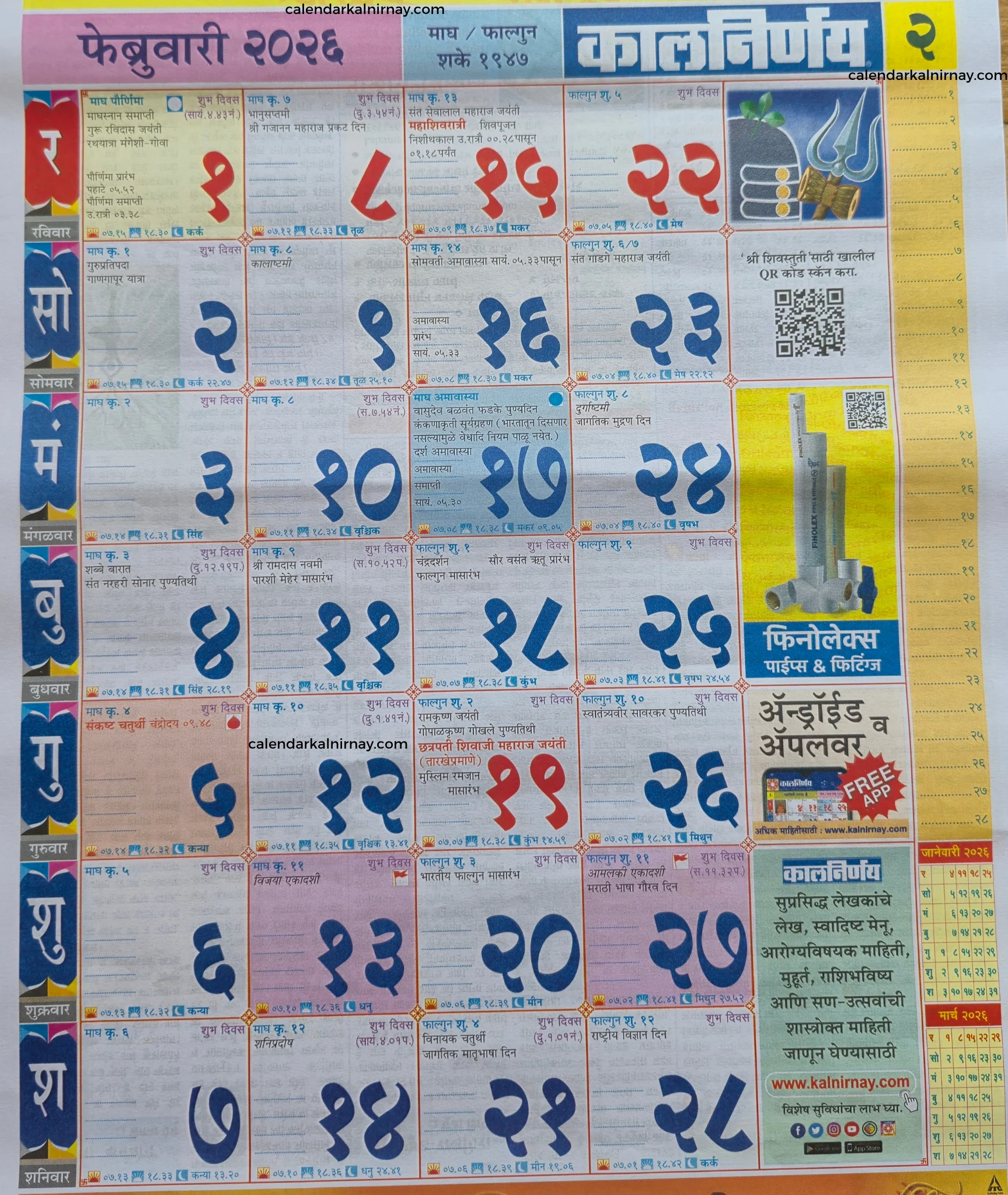
| Date | Weekday | Tithi | Paksha | Moon Phase | Key Observations/Festivals |
|---|---|---|---|---|---|
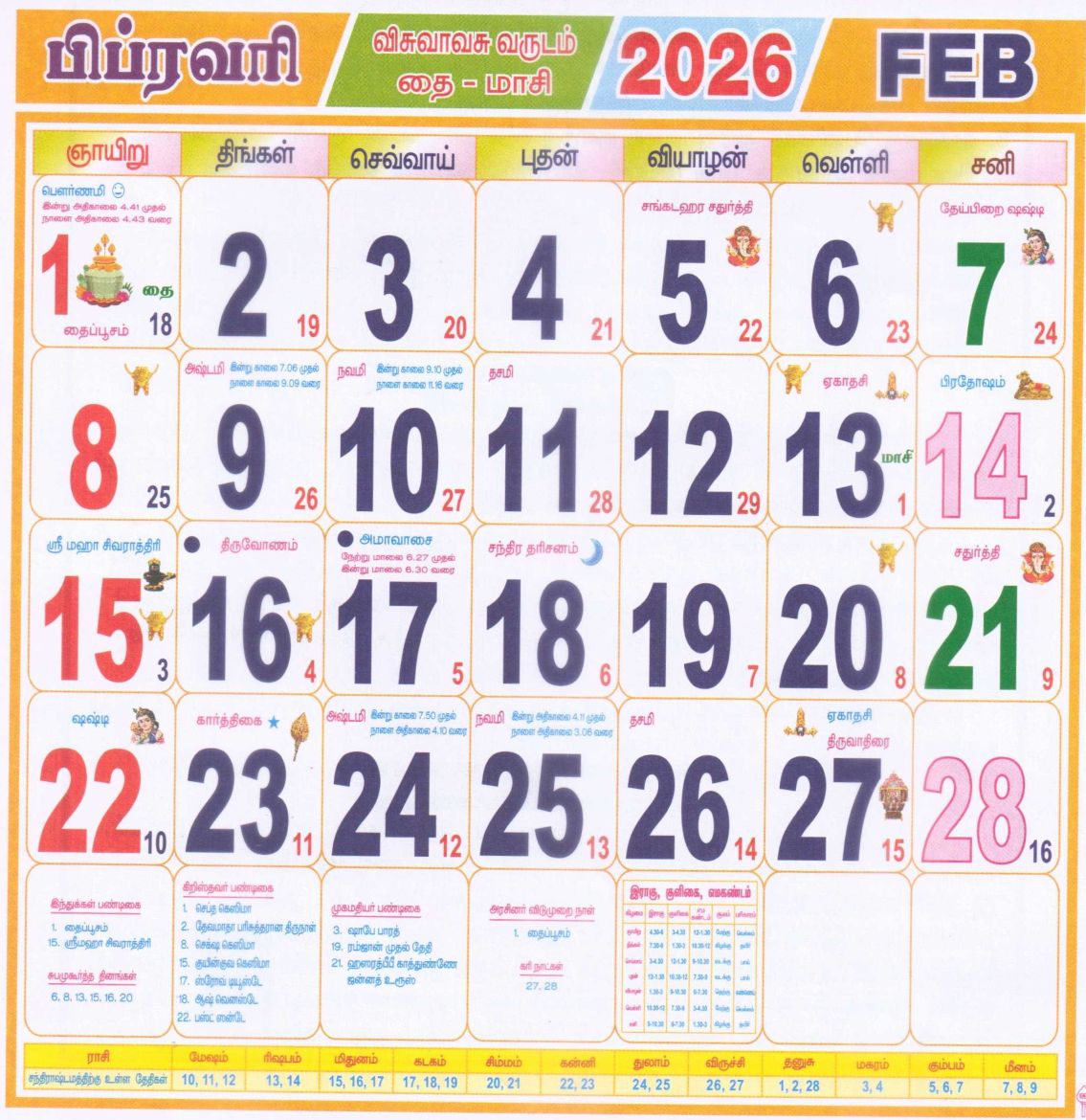
| Feb 1 | Sunday | Purnima | Shukla | Full Moon | Magha Purnima Vrat, Guru Ravidas Jayanti, Thai Pusam |
| Feb 2 | Monday | Pratipada | Krishna | Waning Gibbous | |
| Feb 3 | Tuesday | Dwitiya | Krishna | Waning Gibbous | |
| Feb 4 | Wednesday | Tritiya | Krishna | Waning Gibbous | |
| Feb 5 | Thursday | Chaturthi | Krishna | Last Quarter | Sankashti Ganesh Chaturthi |
| Feb 6 | Friday | Panchami | Krishna | Waning Crescent | |
| Feb 7 | Saturday | Shashti | Krishna | Waning Crescent | |
| Feb 8 | Sunday | Saptami | Krishna | Waning Crescent | |
| Feb 9 | Monday | Ashtami | Krishna | Waning Crescent | |
| Feb 10 | Tuesday | Navami | Krishna | Waning Crescent | |
| Feb 11 | Wednesday | Dashami | Krishna | Waning Crescent | |
| Feb 12 | Thursday | Ekadashi | Krishna | Waning Crescent | Shattila Ekadashi |
| Feb 13 | Friday | Dwadashi | Krishna | Waning Crescent | Pradosh Vrat |
| Feb 14 | Saturday | Trayodashi | Krishna | Waning Crescent | |
| Feb 15 | Sunday | Chaturdashi | Krishna | Waning Crescent | Maha Shivaratri |
| Feb 16 | Monday | Amavasya | Krishna | New Moon | Phalguna Amavasya |
| Feb 17 | Tuesday | Pratipada | Shukla | Waxing Crescent | |
| Feb 18 | Wednesday | Dwitiya | Shukla | Waxing Crescent | |
| Feb 19 | Thursday | Tritiya | Shukla | Waxing Crescent | |
| Feb 20 | Friday | Chaturthi | Shukla | Waxing Crescent | Ganesh Chaturthi |
| Feb 21 | Saturday | Panchami | Shukla | First Quarter | |
| Feb 22 | Sunday | Shashti | Shukla | Waxing Gibbous | Skanda Shashti |
| Feb 23 | Monday | Saptami | Shukla | Waxing Gibbous | |
| Feb 24 | Tuesday | Ashtami | Shukla | Waxing Gibbous | |
| Feb 25 | Wednesday | Navami | Shukla | Waxing Gibbous | |
| Feb 26 | Thursday | Dashami | Shukla | Waxing Gibbous | |
| Feb 27 | Friday | Ekadashi | Shukla | Waxing Gibbous | Amalaki Ekadashi |
| Feb 28 | Saturday | Dwadashi | Shukla | Waxing Gibbous |
Major Hindu Festivals and Observances in February 2026 (USA Focus)
February 2026 holds several significant dates for followers of Hindu traditions. Let’s look closer at some key observances:
Guru Ravidas Jayanti (February 1, 2026)
Observed on the Purnima (full moon) of the Magh month, Guru Ravidas Jayanti celebrates the birth anniversary of Guru Ravidas, a revered Indian mystic and poet-saint of the 15th to 16th century. He was a central figure in the Bhakti movement, advocating for equality, devotion, and social harmony. His teachings continue to inspire millions, particularly in North India and among the Ravidassia community. In the USA, devotees gather in Gurdwaras and temples to offer prayers, hold Kirtans, and participate in processions, remembering his timeless message of universal brotherhood and selfless service.
Thai Pusam (February 1, 2026)
Coinciding with Magha Purnima, Thai Pusam (or Thaipusam) is a vibrant Hindu festival primarily celebrated by the Tamil community, particularly in South India, Sri Lanka, and among the Tamil diaspora worldwide, including in the USA. It’s dedicated to Lord Murugan (Kartikeya), the son of Shiva and Parvati. Devotees express their gratitude and seek blessings by performing various acts of penance, including carrying ‘kavadi’ (ornate portable altars) and engaging in piercing rituals. Temples in the USA with a strong Tamil community presence will observe this festival with special pujas and devotional offerings.
Magha Purnima (February 1, 2026)
This Full Moon day, known as Magha Purnima, is highly auspicious in the Hindu calendar. It marks the culmination of the Magha month, a period considered holy for bathing in sacred rivers, charity, and spiritual austerities. Performing a holy dip, offering donations, and observing fasts on this day are believed to cleanse sins and bring spiritual merit. For those in the USA, observing a fast, performing charity, or engaging in personal prayers and meditation are ways to honor this sacred day.
Maha Shivaratri (February 15, 2026)
One of the most significant festivals in Hinduism, Maha Shivaratri (‘The Great Night of Shiva’) is celebrated on the 14th Tithi of the Krishna Paksha in the month of Phalguna. It commemorates the convergence of Shiva and Shakti, and many believe it to be the night Shiva performs the cosmic dance (Tandava). Devotees observe a strict fast, chant mantras, offer prayers, and stay awake all night, meditating on Lord Shiva. Temples across the USA will host special pujas, Abhishekams (ritual bathing of the Shiva Lingam), and cultural programs throughout the night, drawing large crowds of devotees.
Phalguna Amavasya (February 16, 2026)
The New Moon day, Phalguna Amavasya, immediately follows Maha Shivaratri. This Amavasya is considered significant for performing rituals and offerings to ancestors (Pitru Tarpan) to seek their blessings. It’s a day for introspection, spiritual reflection, and connecting with one’s lineage. Many observe a partial or full fast on this day.
And More: Vratas and Auspicious Days
Throughout February 2026, various other vratas (fasts) and auspicious days occur based on Tithi and other Panchang elements. These include the Sankashti Ganesh Chaturthi (Feb 5) for Lord Ganesha, Shattila Ekadashi (Feb 12) for Lord Vishnu, and Amalaki Ekadashi (Feb 27) which celebrates the Amla tree and is dedicated to Vishnu. Observing these days, even in a small way, can bring spiritual benefits and maintain a connection to ancient traditions.
Understanding the Panchang: Beyond Just Tithi
While Tithi is crucial, the Hindu calendar (Panchang) is a complex system built on five main elements, giving it its name (Panch = five, Ang = limb). To truly grasp auspicious timings, it’s beneficial to understand these other components:

Nakshatra: The Lunar Mansions
Nakshatras are 27 divisions of the sky, each spanning 13 degrees and 20 minutes, through which the Moon travels. Each Nakshatra has specific characteristics, ruling deities, and influences. They are pivotal in Vedic astrology for birth chart analysis, determining compatibility, and identifying auspicious timings for significant events like marriages or housewarmings. The Nakshatra on a given day significantly impacts the day’s energy.
Yoga: Planetary Combinations
Yoga in Panchang refers to the combined influence of the Sun and Moon’s longitudes. There are 27 Yogas, each with its own energy and potential. Some Yogas are considered highly auspicious for specific activities, while others might be unfavorable. For instance, Siddha Yoga is excellent for starting new projects, while Vyatipata Yoga is generally avoided.
Karana: Half of a Tithi
A Karana is half a Tithi. Since a Tithi is approximately one lunar day, there are 11 Karanas that repeat eight times during a lunar month. Each Karana has a unique nature and is considered either auspicious or inauspicious for certain actions. Understanding Karanas allows for even finer tuning of auspicious timings.
Vedic Time Segments: Rahu Kalam and Gulikai Kalam
Beyond the five main limbs, the Panchang also identifies specific daily time segments that are considered inauspicious. Knowing these can help you avoid starting critical tasks during unfavorable periods:
- Rahu Kalam: This is an inauspicious period lasting about 90 minutes each day, associated with the shadow planet Rahu. It’s generally advised to avoid starting new ventures, making major decisions, or traveling during Rahu Kalam.
- Gulikai Kalam: Similar to Rahu Kalam, Gulikai Kalam is another inauspicious period, though often considered less severe. It’s associated with Gulika (the son of Saturn) and is also best avoided for commencing important work.
These timings vary daily and by location, so always consult a reliable Panchang specific to your USA city for accuracy.
How to Use Your February 2026 Tithi Calendar Effectively in the USA
Having this information is powerful, but knowing how to apply it is key, especially when living outside traditional Hindu cultural centers.
Aligning Activities with Auspicious Tithis
- New Beginnings: For starting a new business, project, or even a new diet, look for Tithis in Shukla Paksha, particularly Dwitiya, Tritiya, Panchami, Saptami, or Trayodashi.
- Spiritual Practices: Ekadashi is ideal for fasting and Vishnu worship. Chaturthi is for Ganesh pujas. Purnima and Amavasya are potent for meditation and connecting with ancestral energies.
- Avoidance: Generally avoid Rikta Tithis (4th, 9th, 14th) for crucial beginnings. Also, consult the daily Rahu Kalam and Gulikai Kalam for your local time zone to steer clear of inauspicious windows.
Planning Festivals and Fasting Days
Mark the major festivals like Magha Purnima, Maha Shivaratri, and Ekadashis on your personal calendar. Plan ahead for any special preparations, temple visits, or community events. Many Hindu temples in the USA will announce their festival schedules in advance, which you can cross-reference with this calendar.
Navigating Time Zones (Crucial for USA Users)
This is perhaps the most important consideration for those in the USA. A Tithi or Nakshatra change time is tied to a specific geographic longitude. What might be one Tithi in New York could be a different Tithi at sunrise in Los Angeles on the same calendar day, due to the time difference. Always:
- Specify Your Location: Use online Panchang calculators that allow you to input your exact city and state.
- Verify Sunrise Timings: Many Tithi calculations are based on the Tithi prevailing at sunrise. Your local sunrise time is critical.
- Consult Local Pundits/Temples: If you’re observing a critical vrata or ritual, it’s best to consult a local temple priest (Pundit) in your area, as they will use a Panchang calculated for your specific region.
The Broader Significance of the Hindu Calendar in Modern Life
For many, particularly those of Indian descent living in the USA, the Hindu calendar is more than just a schedule; it’s a lifeline to their heritage. For others, it’s a profound system for harmonizing with natural cycles.
Connecting with Cultural Roots
Following the Hindu calendar helps preserve and transmit rich cultural traditions across generations. It provides a framework for celebrating festivals, remembering ancestors, and participating in community rituals that reinforce identity and belonging, even far from ancestral lands.
Embracing Holistic Well-being
The Vedic calendar encourages a mindful approach to life. By observing Tithis and auspicious timings, you become more attuned to natural rhythms, leading to a sense of balance and purpose. It’s a system designed to support spiritual growth, mental clarity, and overall well-being by aligning human actions with cosmic energies.
February 2026, with its significant festivals and daily Tithi cycles, offers a wonderful opportunity to deepen your connection to these ancient practices. Armed with this calendar and understanding, you’re well-equipped to plan a month filled with purpose, spirituality, and harmony.
Frequently Asked Questions
What is a Tithi and why is it important for February 2026?
A Tithi is a lunar day, defined by a 12-degree longitudinal angle between the Sun and Moon. It’s crucial for February 2026 (and any month) because it determines the timing of Hindu festivals, fasts (Vratas), and influences the auspiciousness of a day for specific actions, helping you align with cosmic energies for spiritual and daily planning.
How do I account for time zones when using a Tithi calendar in the USA?
Time zone differences are critical. Always use an online Panchang or consult a local temple’s calendar that specifies timings for your exact city and state in the USA. Tithi changes are often calculated based on sunrise, so your local sunrise time impacts which Tithi prevails for your day. What’s one Tithi on the East Coast might be another on the West Coast.
What are the major Hindu festivals in February 2026?
February 2026 features several significant Hindu festivals. Key observances include Magha Purnima (Feb 1), Guru Ravidas Jayanti (Feb 1), Thai Pusam (Feb 1), Maha Shivaratri (Feb 15), and Phalguna Amavasya (Feb 16). There are also various Ekadashi and Chaturthi fasts throughout the month.
What is the difference between Shukla Paksha and Krishna Paksha?
Shukla Paksha is the waxing phase of the moon, from New Moon to Full Moon (Pratipada to Purnima). It’s generally considered auspicious for new beginnings. Krishna Paksha is the waning phase, from Full Moon to New Moon (Pratipada to Amavasya), often associated with introspection and specific spiritual practices.
Besides Tithi, what other elements of the Panchang should I know?
The Panchang (‘Five Limbs’) includes Tithi, Nakshatra (lunar mansions for astrological insights), Yoga (planetary combinations), and Karana (half of a Tithi). Understanding these, along with daily inauspicious periods like Rahu Kalam and Gulikai Kalam, provides a more complete picture for planning and auspicious timing.
Where can I find a reliable Tithi calendar for my specific location in the USA?
For precise local timings, it’s best to use reputable online Vedic calendar websites or apps that allow you to input your exact city and state. Many local Hindu temples also publish their annual calendars, which are calculated for their specific geographical region. Always cross-reference if planning critical events.