February 2026 Indian Holiday Calendar: Your Essential Guide for US Planners & Travelers
Planning a business trip, a cultural adventure, or simply managing cross-border operations between the USA and India? If you’re a US-based individual or company, understanding India’s holiday calendar is absolutely critical. February 2026 might seem like a quiet month, but beneath the surface, it holds significant religious observances and regional celebrations that can impact travel plans, business continuity, and cultural engagement. Forget digging through fragmented lists or getting caught off guard by unexpected closures. This guide cuts through the noise, providing you with a clear, human-centric overview of February 2026 holidays in India, explained from a US perspective. You’ll get the dates, the cultural significance, and crucial advice on how these observances might affect your plans.
Navigating February 2026: Key Indian Holidays at a Glance
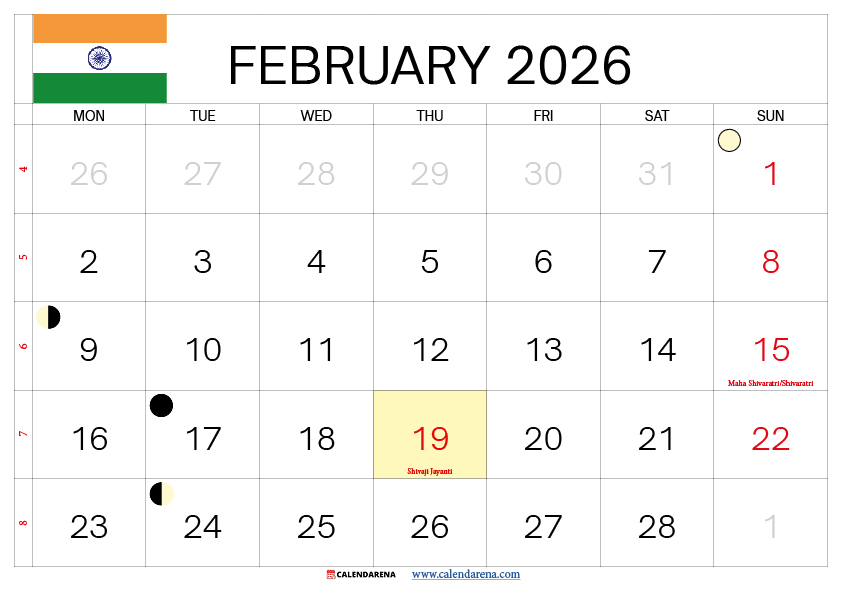
Let’s start with the most important information: a concise overview of the key holidays and observances in India for February 2026. This table summarizes what you need to know at a glance, helping you quickly identify potential impacts on your schedule.
| Date | Day | Holiday Name | Type | Significance | Key Regions/Impact |
|---|---|---|---|---|---|
| February 1, 2026 | Sunday | Guru Ravidas Jayanti | Religious (Sikh/Hindu) | Birthday of Saint Ravidas, a revered Indian mystic and social reformer. | Significant in North India, especially Punjab, Haryana, Himachal Pradesh. Often a restricted holiday or regional public holiday. |
| February 12, 2026 | Thursday | Maharishi Dayanand Saraswati Jayanti | Religious (Hindu) | Birthday of Swami Dayanand Saraswati, founder of the Arya Samaj, a Hindu reform movement. | Observed by followers across India. Not a public holiday, but an important cultural observance. |
| February 15, 2026 | Sunday | Maha Shivaratri | Religious (Hindu) | The ‘Great Night of Shiva,’ celebrating the overcoming of darkness and ignorance. Devotees fast and offer prayers. | One of India’s most significant Hindu festivals, widely observed across the country. Often a public holiday in many states. |
| February 19, 2026 | Thursday | Shivaji Jayanti | State Observance | Birthday of Chhatrapati Shivaji Maharaj, the founder of the Maratha Empire. Celebrated with great fervor. | Primarily a public holiday in Maharashtra. Important for anyone operating or traveling in this state. |
| February 19, 2026 | Thursday | Ramadan Begins (approx.) | Religious (Islamic) | Commencement of the holy month of fasting, prayer, reflection, and community. Dates subject to moon sighting. | Observed by Muslim communities across India. While not a public holiday, business hours and routines may be affected. |
Note: Indian holiday dates, especially for religious festivals, can sometimes vary by a day depending on local astronomical observations and regional calendars. Always verify with local sources closer to the date.

Table of Contents
- February 2026 Indian Holiday Calendar: Your Essential Guide for US Planners & Travelers
- Navigating February 2026: Key Indian Holidays at a Glance
- Diving Deeper: Understanding February’s Major Indian Observances
- Guru Ravidas Jayanti (February 1, 2026)
- Maharishi Dayanand Saraswati Jayanti (February 12, 2026)
- Maha Shivaratri (February 15, 2026)
- Shivaji Jayanti (February 19, 2026)
- Commencement of Ramadan (Around February 19, 2026)
- Beyond the Calendar: What These Holidays Mean for a US Audience
- For US Travelers to India:
- For US Businesses with Indian Operations:
- For the Indian Diaspora in the USA:
- Important Considerations for February 2026 in India
- National vs. State Holidays
- Restricted Holidays (Gazetted Holidays)
- Lunar vs. Solar Calendars
- Your February 2026 India Holiday Action Plan
Diving Deeper: Understanding February’s Major Indian Observances
Knowing the dates is one thing, but understanding the cultural tapestry behind them is another. For a US audience, grasping the significance of these holidays provides invaluable context for travel, business, and cultural appreciation.
Guru Ravidas Jayanti (February 1, 2026)
Guru Ravidas Jayanti marks the birth anniversary of Sant Ravidas, a revered Indian mystic and social reformer from the 15th century. He was a pioneer in the Bhakti movement, advocating for equality and spiritual unity irrespective of caste or social status. His teachings emphasize hard work, humility, and the belief that God resides within every person. For followers, primarily in North India (especially Punjab, Himachal Pradesh, and Haryana), this day is celebrated with great devotion. Devotees visit temples and gurdwaras, recite hymns (bhajans and kirtans), and participate in processions (nagar kirtan). While it’s not a national public holiday, it’s a significant regional observance, and businesses in these areas might operate on reduced hours or close entirely.
Maharishi Dayanand Saraswati Jayanti (February 12, 2026)
This day commemorates the birth of Swami Dayanand Saraswati, a profound 19th-century Hindu religious scholar, reformer, and the founder of the Arya Samaj. He championed a return to the Vedas, emphasizing their monotheistic and universal teachings, and actively opposed idol worship, caste discrimination, and child marriage. His contributions to social and religious reform in India were immense. Followers of the Arya Samaj across India observe this day with prayers, discussions, and community gatherings focused on his teachings. While not a gazetted public holiday, it’s an important day for those who follow his philosophical path. For US individuals keen on understanding India’s reformist movements, this date offers insight into a pivotal figure.
Maha Shivaratri (February 15, 2026)
Literally meaning ‘The Great Night of Shiva,’ Maha Shivaratri is one of the most significant and widely celebrated Hindu festivals in India. It honors Lord Shiva, one of the principal deities of Hinduism, marking the convergence of Shiva and Parvati, or the night Shiva performed the ‘Tandava’ dance of primordial creation, preservation, and destruction. Devotees observe a strict fast, offer prayers, meditate, and perform pooja (worship rituals) to Shiva Lingams. Temples dedicated to Shiva are bustling with activity throughout the night, with continuous chanting and offerings. The atmosphere is one of deep spiritual contemplation and devotion. Because of its pan-Indian significance, Maha Shivaratri is often declared a public holiday in many Indian states, leading to closures of government offices, banks, and some businesses.
Shivaji Jayanti (February 19, 2026)
Shivaji Jayanti celebrates the birth anniversary of Chhatrapati Shivaji Maharaj, the iconic 17th-century Maratha warrior king who laid the foundation of the Maratha Empire. Revered for his military prowess, administrative skills, and progressive policies, Shivaji Maharaj is a symbol of Maratha pride and Indian nationalism. His reign is often seen as a golden age of justice and good governance. This day is celebrated with immense enthusiasm, particularly in the state of Maharashtra. Parades, cultural programs, and historical reenactments showcase Shivaji’s life and achievements. Public offices, schools, and many businesses in Maharashtra will be closed on this day. If your travel plans or business operations involve Maharashtra, be aware of this important state holiday.
Commencement of Ramadan (Around February 19, 2026)
February 19, 2026, is the projected start date for Ramadan, the ninth month of the Islamic calendar and a time of intense spiritual reflection, fasting, and prayer for Muslims worldwide. The exact start date is traditionally determined by the sighting of the new crescent moon, so a slight variation is possible. During Ramadan, observant Muslims fast from dawn until sunset. While not a public holiday in India, its commencement and the subsequent month can subtly influence daily life, especially in regions with significant Muslim populations. You might observe changes in business hours, dining patterns, and a general shift in social rhythms. It’s a time of communal prayer and charity, and cultural sensitivity is appreciated.
Beyond the Calendar: What These Holidays Mean for a US Audience
Understanding India’s holiday calendar isn’t just about dates; it’s about anticipating impacts. For US travelers, businesses, and the Indian diaspora, these February observances carry specific implications.
For US Travelers to India:
If you’re planning a trip to India in February 2026, these holidays offer both challenges and unique opportunities:
- Crowds and Closures: Expect temples and popular pilgrimage sites to be particularly crowded during Maha Shivaratri. Government offices, banks, and some businesses might be closed, especially in states observing a public holiday. Public transport might also be affected by processions.
- Cultural Immersion: These are fantastic opportunities for cultural immersion! Witnessing Maha Shivaratri celebrations or Shivaji Jayanti parades (in Maharashtra) can be an unforgettable experience. Participate respectfully, observe local customs, and ask before photographing.
- Booking Ahead: If your travel coincides with a major festival, consider booking accommodation, domestic flights, and trains well in advance, as demand can spike.
- Respect Local Customs: During religious observances like Maha Shivaratri or Ramadan, be mindful of local customs. Dress modestly, especially when visiting religious sites. During Ramadan, avoid eating, drinking, or smoking in public in front of fasting individuals.
For US Businesses with Indian Operations:
Running operations that span the USA and India requires an acute awareness of local holidays to maintain seamless workflow and strong relationships:
- Bank Holidays: Maha Shivaratri, for instance, is often a bank holiday. This means financial transactions, wire transfers, and banking services might be delayed. Plan your financial calendar accordingly.
- Staff Availability: While not all observances are public holidays, many employees may take a restricted holiday or personal leave to celebrate. Be prepared for potential staff shortages, especially for Maha Shivaratri or in Maharashtra for Shivaji Jayanti.
- Communication Gaps: Proactively communicate with your Indian teams about holiday schedules. Set clear expectations for availability and response times during these periods. Avoid scheduling critical meetings on or immediately around major holidays.
- Cultural Sensitivity: Acknowledge and respect these holidays. A simple message wishing your Indian colleagues well can go a long way in fostering good relationships and demonstrating cultural understanding.
- Ramadan Adjustments: During Ramadan, be aware that fasting employees might have altered energy levels, and their work-life rhythm will shift. Meetings might be better scheduled outside of peak fasting hours (typically mid-day).
For the Indian Diaspora in the USA:
For those of Indian heritage living in the USA, these dates are vital for maintaining cultural and religious connections:
- Community Celebrations: Many Indian communities in the US organize local celebrations for major festivals like Maha Shivaratri or Guru Ravidas Jayanti. These are excellent opportunities to connect with your heritage and community.
- Family Planning: These dates might influence family gatherings or religious observances within your household, helping you keep track of important cultural milestones.
- Staying Connected: Knowing when major festivals occur can help you schedule calls or virtual greetings with family and friends still in India, ensuring you share in the festive spirit.
Important Considerations for February 2026 in India
India’s holiday system can be complex. Here’s a quick primer to help you navigate it more effectively:
National vs. State Holidays
India has a mix of national public holidays (like Republic Day, Independence Day, Gandhi Jayanti, which don’t fall in February 2026) and state-specific public holidays. What’s a day off in one state might be a regular working day in another. For example, Shivaji Jayanti is primarily a public holiday in Maharashtra.
Restricted Holidays (Gazetted Holidays)
Beyond public holidays, the Indian government also issues a list of ‘Restricted Holidays’ or ‘Gazetted Holidays.’ These are optional holidays, where employees are typically allowed to choose a limited number (e.g., 2-3) from a broader list to observe. Many religious observances, including Guru Ravidas Jayanti, often fall under this category. This means not everyone will be off, but a significant portion of the workforce might be.
Lunar vs. Solar Calendars
Many Hindu and Islamic festivals are calculated based on lunar calendars, which don’t align perfectly with the Gregorian (solar) calendar. This is why their dates shift annually. Always double-check specific dates for a given year, as slight variations can occur based on moon sightings or regional calendar interpretations.
Your February 2026 India Holiday Action Plan
To ensure a smooth February 2026, here’s a practical action plan:
- Integrate into Calendars: Immediately mark these dates in your personal and professional calendars.
- Verify Regional Specifics: If your focus is a particular state or region, do a quick check closer to February to confirm any specific state public holidays or local observances.
- Communicate with Teams/Partners: Share this information with your Indian counterparts, clients, or travel agents to align expectations.
- Plan Financial Transactions: Anticipate potential delays for banking and financial operations around public holidays like Maha Shivaratri.
- Embrace the Cultural Experience: For travelers, view these holidays as opportunities for deeper cultural engagement rather than mere inconveniences.
February 2026 in India offers a blend of significant religious and cultural observances. By understanding these dates and their implications, US individuals and businesses can navigate the month with greater efficiency, respect, and appreciation for India’s rich tapestry of traditions. Don’t let a holiday catch you off guard; be prepared, be informed, and make the most of your engagement with India.
Frequently Asked Questions
What are the major public holidays in India during February 2026?
For February 2026, Maha Shivaratri (February 15) is a significant religious festival often observed as a public holiday in many Indian states. Shivaji Jayanti (February 19) is a major state public holiday specifically in Maharashtra. Guru Ravidas Jayanti (February 1) is a significant regional or restricted holiday in parts of North India.
How do Indian holidays in February 2026 impact US travelers?
US travelers might experience increased crowds at religious sites, especially during Maha Shivaratri. Government offices, banks, and some businesses may be closed on public holidays. It’s advisable to book travel and accommodation in advance and be mindful of local customs, especially during religious observances like fasting for Ramadan.

What are ‘Restricted Holidays’ in India and how do they differ from ‘Public Holidays’?
Public Holidays are mandatory days off for government offices, banks, and often many businesses across the entire country or specific states. Restricted Holidays (also known as Gazetted Holidays) are optional; employees are typically allowed to choose a limited number from a list to observe, meaning not all offices or businesses will be closed, but individual staff may be unavailable.

Will banks be closed in India during February 2026 holidays?
Yes, banks are typically closed on public holidays. Maha Shivaratri (February 15) is likely to be a bank holiday across many states. Shivaji Jayanti (February 19) will be a bank holiday in Maharashtra. It’s crucial for US businesses to plan financial transactions accordingly to avoid delays.
How does the start of Ramadan (around February 19, 2026) affect daily life in India?
While Ramadan is not a public holiday, the month of fasting and prayer influences daily routines, particularly in Muslim-majority areas. You might notice altered business hours, changes in dining patterns, and a general shift in social rhythms. It’s a period of spiritual reflection, and cultural sensitivity is appreciated.
Why do some Indian festival dates vary each year?
Many Hindu and Islamic festivals, including Maha Shivaratri and Ramadan, are calculated based on lunar calendars. These calendars do not align perfectly with the Gregorian (solar) calendar used in the West, causing the dates to shift annually. Local astronomical observations and regional calendar interpretations can also lead to minor variations.