Your Essential Guide to February 2026 Hindu Festivals: Dates, Significance, & Observances
Are you looking to connect with your spiritual roots, understand upcoming Hindu celebrations, or simply plan your February 2026 around significant cultural events? You’re in the right place. Navigating the Hindu calendar can feel a bit complex, especially when you’re seeking accurate information for the USA. Many resources are India-centric, leaving you wondering about dates, observances, and how to participate from afar.
Table of Contents
- Your Essential Guide to February 2026 Hindu Festivals: Dates, Significance, & Observances
- Navigating the Hindu Calendar: Why February 2026 is Special
- A Quick Look at the Lunar-Solar System
- The Spirit of Observance in the USA
- February 2026 Hindu Festivals: Your Comprehensive Calendar & Details
- Guru Ravidas Jayanti (February 1)
- Magha Purnima (February 1)
- Thai Pusam (February 1)
- Sankashti Chaturthi (February 5 & 24)
- Jaya Ekadashi (February 13)
- Maha Shivratri (February 15)
- Phulera Dooj (February 19)
- Ramakrishna Jayanti (February 20)
- Other Important Vrats & Observances in February 2026
- Beyond the Dates: Embracing the Spirit of February’s Festivals
- Connecting with Community (or Solo Observance)
- Simple Ways to Participate
- The Spiritual Benefits
- Planning Ahead: Tips for Your 2026 Festival Calendar
- Cross-Referencing & Local Variances
- Involving the Next Generation
I’ve got you covered. This guide is your definitive resource for February 2026, offering not just a list of dates, but a deep dive into the meaning, rituals, and spiritual importance of each major festival. Whether you’re a devout follower, a curious seeker, or someone raising a family in the diaspora, understanding these auspicious times is a beautiful way to enrich your life and connect with a rich heritage.
Navigating the Hindu Calendar: Why February 2026 is Special
The Hindu calendar is a lunisolar system, meaning it accounts for both the sun’s position and the moon’s phases. This intricate system, known as the Panchang, determines the exact timing of festivals, fasts (vrats), and auspicious moments (muhurats). February 2026, falling primarily within the Hindu months of Magha and Phalguna, is particularly rich with opportunities for devotion, introspection, and community celebration.
A Quick Look at the Lunar-Solar System
Unlike the Gregorian calendar, which is purely solar, the Hindu calendar relies heavily on the lunar cycle. A lunar month is about 29.5 days, and to keep in sync with the solar year, an extra month (Adhik Maas) is added approximately every three years. This means festival dates shift relative to the Gregorian calendar each year. Key components include:

- Tithi: The lunar day, approximately 19-24 hours long. There are 15 tithis in each lunar fortnight (Shukla Paksha – waxing moon, Krishna Paksha – waning moon).
- Nakshatra: The lunar mansion, a segment of the ecliptic where the moon resides.
- Yoga & Karana: Further astronomical divisions influencing auspiciousness.
Understanding these elements helps explain why a festival might fall on a different Gregorian date each year, and why some traditions might observe a festival on a slightly different day based on local sunrise or sunset calculations. For most of us, though, we rely on trusted panchang resources – and that’s exactly what I’ve distilled for you here.
The Spirit of Observance in the USA
Celebrating Hindu festivals in the United States presents unique opportunities and challenges. While you might not have the grand processions or public holidays found in India, the spirit of devotion and community thrives. Temples across the USA become vibrant centers of activity, offering special pujas, discourses, and cultural programs. Many families create their own sacred spaces at home, performing rituals and sharing traditional foods, ensuring these rich traditions are passed down to the next generation.
Whether you’re visiting a local temple, participating in a virtual satsang, or observing privately with your family, February 2026 offers profound moments for spiritual growth and cultural connection.
February 2026 Hindu Festivals: Your Comprehensive Calendar & Details
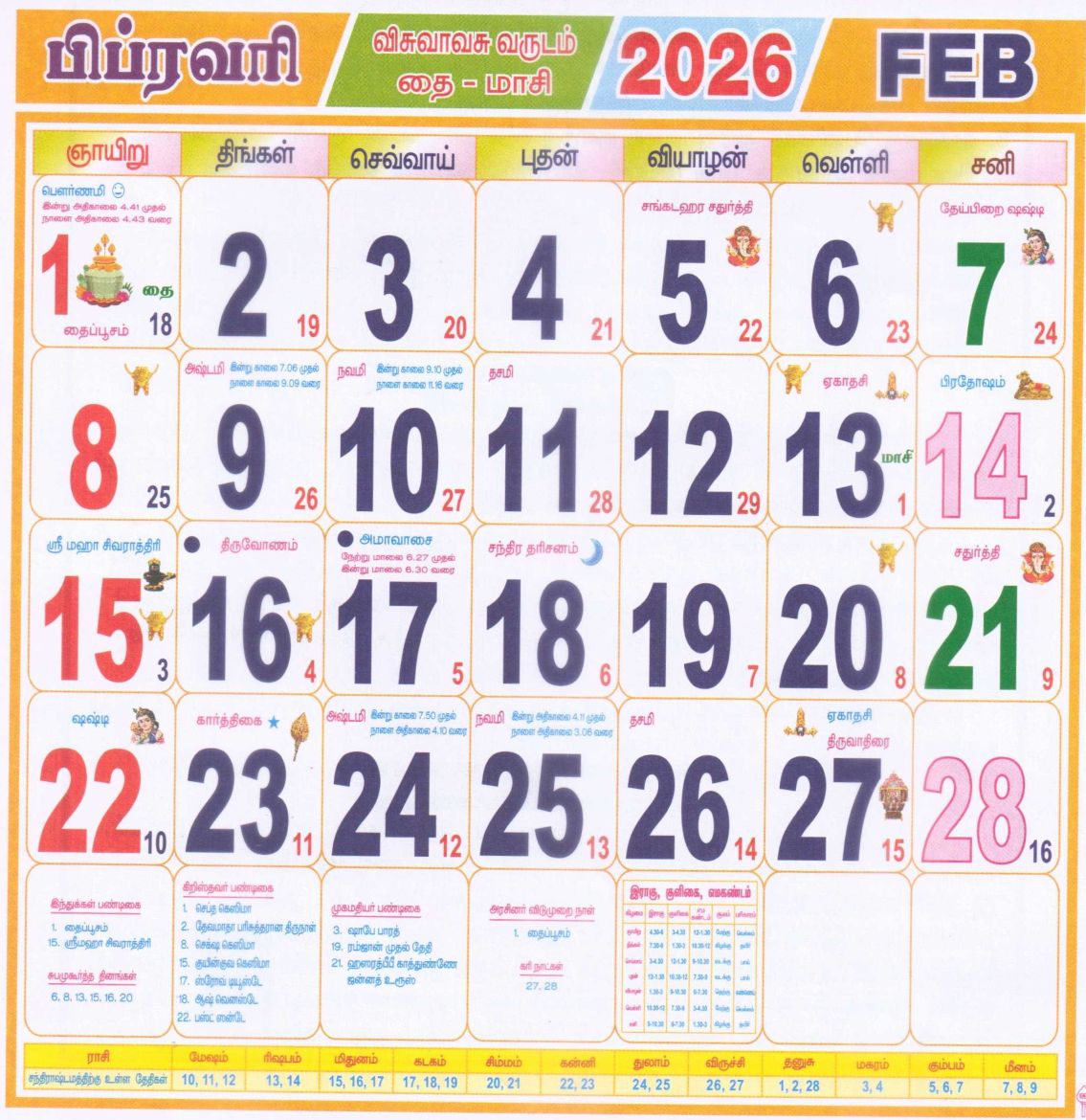
Here’s your definitive guide to the Hindu festivals and significant observances in February 2026, tailored for those seeking clear, actionable information. I’ve broken down each event, so you understand not just *when but why* it’s important.
| Date | Day | Festival/Vrat | Traditional Month/Tithi | Significance & Observance |
|---|---|---|---|---|
| February 1 | Sunday | Guru Ravidas Jayanti | Magha Purnima | Celebrates the birth of Guru Ravidas, a North Indian mystic and poet-saint of the Bhakti movement. His teachings emphasize equality, self-respect, and spiritual freedom. Devotees offer prayers, kirtans, and community meals (Langar). |
| February 1 | Sunday | Magha Purnima | Magha Shukla Purnima | The full moon day of the Magha month, considered highly auspicious for holy dips in rivers (like the Ganges) and performing charities. It marks the end of the Magha month’s spiritual observances. Many undertake vrat (fasts) and perform ‘Satyanarayan Puja’. |
| February 1 | Sunday | Thai Pusam | Thai Pusam (Tamil calendar) | A major festival observed by Tamil Hindus, particularly in South India and the Tamil diaspora, dedicated to Lord Murugan (Kartikeya). Devotees carry kavadis (ceremonial burdens) and perform acts of penance to seek blessings. It often features elaborate temple processions. |
| February 5 | Thursday | Sankashti Chaturthi | Magha Krishna Chaturthi | A fasting day dedicated to Lord Ganesha, the remover of obstacles. Devotees fast from morning until moonrise, breaking their fast after performing a puja to Ganesha and sighting the moon. This specific Chaturthi is known as ‘Akshara Sankashti Chaturthi’. |
| February 7 | Saturday | Shasti Vrat | Magha Krishna Shasti | Observed for Lord Kartikeya (Skanda), the son of Shiva and Parvati. Devotees fast and pray for progeny, courage, and victory over adversaries. |
| February 12 | Thursday | Pradosh Vrat | Magha Krishna Trayodashi | Observed twice a month, this vrat is dedicated to Lord Shiva and Devi Parvati. It occurs on the 13th day (Trayodashi) of each lunar fortnight. Devotees fast from sunrise to sunset and perform Shiva Puja during the ‘Pradosh Kaal’ (twilight period). |
| February 13 | Friday | Jaya Ekadashi | Magha Shukla Ekadashi | Dedicated to Lord Vishnu, observing a fast on this day is believed to cleanse sins and grant liberation (moksha). Devotees abstain from grains and certain foods, focusing on prayers and meditation. The fast is broken the following day during specific timings. |
| February 13 | Friday | Kumbha Sankranti | Solar transition | Marks the Sun’s transit into the zodiac sign of Aquarius (Kumbha). It’s considered an auspicious day for holy bathing, charity, and spiritual practices. |
| February 15 | Sunday | Maha Shivratri | Phalguna Krishna Chaturdashi | The ‘Great Night of Shiva,’ one of the most significant Hindu festivals. Devotees observe a strict fast, perform Lingam Puja throughout the night (Jagaran), and offer bilva leaves, milk, and water to Lord Shiva, celebrating the convergence of Shiva and Shakti. |
| February 19 | Thursday | Phulera Dooj | Phalguna Shukla Dwitiya | An auspicious day, particularly in the Braj region, dedicated to Lord Krishna and Radha. It’s considered a highly propitious day for marriages and new beginnings. Devotees playfully shower Radha and Krishna with flowers, signifying the beginning of Holi festivities. |
| February 20 | Friday | Ramakrishna Jayanti | Phalguna Shukla Dwitiya/Tritiya | Celebrates the birth anniversary of Sri Ramakrishna Paramahamsa, the 19th-century Indian mystic and guru of Swami Vivekananda. His teachings emphasized the harmony of religions and the divinity of all beings. Observed with pujas, bhajans, and spiritual discourses. |
| February 24 | Tuesday | Sankashti Chaturthi | Phalguna Krishna Chaturthi | Another monthly observance dedicated to Lord Ganesha, removing obstacles and bestowing wisdom. Fasting from sunrise till moonrise, with prayers and offerings to Ganesha. This specific Chaturthi is known as ‘Dvija Priy Sankashti Chaturthi’. |
| February 26 | Thursday | Pradosh Vrat | Phalguna Krishna Trayodashi | The second Pradosh Vrat of the month, again dedicated to Lord Shiva and Parvati. Follows the same fasting and puja rituals during the Pradosh Kaal, seeking blessings for a happy and prosperous life. |
| February 27 | Friday | Vijaya Ekadashi | Phalguna Krishna Ekadashi | This Ekadashi is believed to grant victory over adversaries and success in endeavors. Devotees fast, meditate on Lord Vishnu, and perform prayers. The fast is broken the following day (Dwadashi) during the specific Parana time. |
Guru Ravidas Jayanti (February 1)
Guru Ravidas was a 15th-century Indian mystic poet-saint of the Bhakti movement. His teachings championed equality, social justice, and devotion to God. Born into a marginalized community, he challenged rigid caste systems and advocated for a society where all individuals are treated with respect and dignity. On this day, followers remember his profound wisdom, recite his poetry and hymns (Bani), and participate in processions and community meals. It’s a day to reflect on the importance of inner purity and universal brotherhood.

Magha Purnima (February 1)
Magha Purnima is the full moon day of the Hindu month of Magha, and it holds immense spiritual significance. It’s believed that taking a holy dip in sacred rivers like the Ganges on this day can cleanse one of sins and lead to liberation (moksha). Many devotees observe a full-day fast and perform ‘Satyanarayan Puja’ to Lord Vishnu, seeking blessings for health, wealth, and prosperity. Acts of charity, such as donating food, clothes, or money to the needy, are also highly encouraged. It marks the culmination of the month-long ‘Kalpavas’ observance at the Kumbh Mela, where devotees live a disciplined, ascetic life by the riverbanks.
Thai Pusam (February 1)
Thai Pusam is a vibrant and powerful festival predominantly observed by Tamil Hindus, especially in South India, Sri Lanka, Malaysia, Singapore, and among the Tamil diaspora globally, including in the USA. It’s dedicated to Lord Murugan (also known as Kartikeya or Skanda), the son of Shiva and Parvati. The festival commemorates the occasion when Parvati gave Murugan a spear (Vel) to vanquish the demon Surapadman. Devotees express their devotion through acts of penance, such as carrying a ‘kavadi’ (a ceremonial burden), often adorned with flowers and peacock feathers, and sometimes piercing their skin with skewers. These acts are performed as offerings, to fulfill vows, or to seek blessings for health and prosperity. Temples dedicated to Lord Murugan witness grand celebrations, processions, and fervent prayers.
Sankashti Chaturthi (February 5 & 24)
The term ‘Sankashti’ means liberation from difficulties, and ‘Chaturthi’ refers to the fourth day of the lunar fortnight. This day is dedicated to Lord Ganesha, the elephant-headed deity known as the remover of obstacles and the god of wisdom and auspicious beginnings. Devotees observe a fast from sunrise until moonrise, breaking it only after sighting the moon and performing a special ‘Ganesha Puja’. Offerings like modak (sweet dumplings), ladoos, and durva grass are made. Observing Sankashti Chaturthi is believed to bring good fortune, prosperity, and overcome challenges in life. There are two Sankashti Chaturthis in February 2026, offering double the opportunity for devotion!
Jaya Ekadashi (February 13)
Ekadashi is the eleventh day of each lunar fortnight, and it’s a significant day for devotees of Lord Vishnu. Jaya Ekadashi, falling in the Magha month’s waxing phase, is considered highly potent. Legend has it that observing this Ekadashi vrat (fast) can free one from sins, grant liberation from the cycle of birth and death, and bestow prosperity. Devotees abstain from grains, pulses, and sometimes even water, engaging in prayers, chanting mantras (especially ‘Om Namo Bhagavate Vasudevaya’), and reading sacred texts. The fast is broken on the following day (Dwadashi) during specific ‘Parana’ times, typically after offering food to Brahmins or the needy.
Maha Shivratri (February 15)
Maha Shivratri, the ‘Great Night of Shiva’, is arguably the most important and widely celebrated festival in February. It marks the convergence of Shiva and Shakti, the night when Lord Shiva performs the cosmic dance (Tandava) of creation, preservation, and destruction. It’s also believed to be the day Shiva married Parvati. Devotees observe a strict fast, often without water (Nirjala Vrat), and perform ‘Shivlingam Puja’ throughout the night (Jagaran). Temples dedicated to Shiva are abuzz with activity, with continuous chanting of ‘Om Namah Shivaya’, offerings of milk, water, bilva leaves, dhatura, and fruits to the Shivlingam. This night is considered profoundly auspicious for spiritual growth, meditation, and seeking Shiva’s blessings for moksha and prosperity.
Phulera Dooj (February 19)
Phulera Dooj is a colorful and joyous festival, primarily celebrated in the Braj region of India, deeply associated with Lord Krishna and Radha. It falls on the second day of the waxing moon fortnight in the Phalguna month, just before Holi. The word ‘phulera’ comes from ‘phool’, meaning flower. On this day, devotees playfully shower Radha and Krishna deities with fresh flowers, symbolizing the onset of spring and the festive mood of Holi. It is considered an extremely auspicious day for initiating new ventures, and many couples also choose it for weddings, believing it brings good fortune and marital bliss. The day is spent in devotion, singing bhajans, and participating in colorful ‘phoolon ki Holi’ (Holi with flowers) celebrations.
Ramakrishna Jayanti (February 20)
This day commemorates the birth anniversary of Sri Ramakrishna Paramahamsa (1836-1886), one of India’s most influential spiritual figures. A Bengali mystic and yogi, Ramakrishna’s life and teachings emphasized the harmony of all religions and the realization of God through various spiritual paths. He was the guru to Swami Vivekananda, who later founded the Ramakrishna Mission. On Ramakrishna Jayanti, devotees gather at Ramakrishna Math and Mission centers worldwide, including many in the USA, to offer prayers, read from his teachings, listen to discourses, and engage in bhajans and kirtans. It’s a day to reflect on his profound spiritual experiences and the message of universal love and spiritual awakening he propagated.
Other Important Vrats & Observances in February 2026
- Pradosh Vrat (February 12 & 26): These bi-monthly fasts are dedicated to Lord Shiva and Maa Parvati. Observing the Pradosh Vrat, particularly during the twilight period (Pradosh Kaal), is believed to bring liberation from sins and fulfill desires.
- Somvar Vrat: While not a specific festival, Mondays (Somvar) are traditionally dedicated to Lord Shiva. Many devotees observe fasts and visit Shiva temples on Mondays throughout the year.
- Shasti Vrat (February 7): Dedicated to Lord Kartikeya, observed for progeny and protection.
Beyond the Dates: Embracing the Spirit of February’s Festivals
Knowing the dates is just the beginning. The real magic happens when you embrace the spirit of these festivals. It’s about more than just rituals; it’s about devotion, community, and personal spiritual growth.
Connecting with Community (or Solo Observance)
Even if you’re not in India, there are abundant ways to connect. Many Hindu temples in the USA organize special pujas, bhajans, and cultural programs for major festivals like Maha Shivratri and Thai Pusam. These are wonderful opportunities to meet fellow devotees, learn more about the traditions, and experience the collective energy of devotion. If a temple visit isn’t feasible, don’t worry! Many organizations offer live streams of temple ceremonies, allowing you to participate from your home. Or, you can create a sacred space at home, perform simple pujas, light lamps, and chant mantras. The intention is what truly matters.
Simple Ways to Participate
- Fasting: Many festivals involve fasting. This doesn’t necessarily mean abstaining from all food and water. It can be a partial fast (e.g., eating only fruits, milk, or specific non-grain foods) to purify the body and mind, dedicating that energy to spiritual pursuits.
- Prayer & Meditation: Dedicate extra time for personal prayer, meditation, or chanting mantras associated with the deity of the festival.
- Offerings: Offer flowers, fruits, sweets, water, or milk to your home altar or temple deities.
- Reading Sacred Texts: Immerse yourself in stories and scriptures related to the festival or deity.
- Charity (Dana): Giving to those in need is a cornerstone of Hindu spirituality and highly auspicious on festival days.
- Traditional Foods: Prepare and share traditional festival dishes with family and friends.
The Spiritual Benefits
Participating in these festivals isn’t just about following tradition; it’s a powerful way to:

- Deepen Devotion: Regular observance strengthens your connection with the divine.
- Foster Discipline: Fasting and specific rituals cultivate self-control and focus.
- Preserve Culture: Especially for the diaspora, these celebrations are vital for passing on rich traditions and values to younger generations.
- Promote Inner Peace: The collective energy of devotion and the focus on spiritual practices bring a sense of calm and well-being.
Planning Ahead: Tips for Your 2026 Festival Calendar
With so many dates and varied observances, a little planning goes a long way to ensure you can fully participate and cherish these moments.
Cross-Referencing & Local Variances
While I’ve provided the most commonly accepted dates, it’s wise to cross-reference with your local temple or preferred Hindu calendar (Panchang) source if you have one. Slight variations can occur based on regional traditions, the specific panchang followed, or even geographic location (e.g., sunrise/sunset times affecting the exact start/end of a tithi).
Involving the Next Generation
For parents raising children in the USA, festivals are invaluable teaching moments. Explain the stories behind each festival, involve them in preparing offerings, help them decorate the puja space, and encourage them to participate in temple events. Creating these positive, memorable experiences will instill a deep appreciation for their heritage.
February 2026 is poised to be a month filled with spiritual opportunities and cultural richness. By understanding the dates, significance, and ways to participate, you can make the most of these auspicious times and deepen your connection to the vibrant tapestry of Hindu traditions.
Frequently Asked Questions
What are the major Hindu festivals in February 2026?
February 2026 features several significant Hindu festivals, including Guru Ravidas Jayanti, Magha Purnima, Thai Pusam (all on Feb 1), Jaya Ekadashi (Feb 13), and the most prominent, Maha Shivratri (Feb 15). Other observances include Sankashti Chaturthi and Pradosh Vrat.

Why do Hindu festival dates change each year on the Gregorian calendar?
Hindu festivals are based on the lunisolar Hindu calendar, which tracks both lunar months and the solar year. Since a lunar month is shorter than a solar month, an extra ‘Adhik Maas’ (intercalary month) is added periodically to realign the calendars, causing festival dates to shift relative to the fixed Gregorian calendar each year.
How can I observe Hindu festivals in the USA?
In the USA, you can observe Hindu festivals by visiting local temples for special pujas and events, performing home pujas and prayers, observing fasts, preparing traditional foods, engaging in charity, and participating in virtual spiritual gatherings. Many Hindu organizations and temples provide resources for diaspora communities.
What is the significance of Maha Shivratri in February 2026?
Maha Shivratri on February 15, 2026, is considered the ‘Great Night of Shiva.’ It celebrates the convergence of Shiva and Shakti and is believed to be the night Lord Shiva performs his cosmic dance. Devotees observe strict fasts, perform Lingam Puja throughout the night, and offer various items to seek blessings for spiritual growth and liberation.
What is the difference between Magha Purnima and Thai Pusam, both on February 1, 2026?
Magha Purnima is the full moon day of the Hindu month Magha, significant for holy dips and charity, observed widely across various Hindu traditions. Thai Pusam is a major festival primarily for Tamil Hindus, dedicated to Lord Murugan, involving intense acts of devotion and penance, distinct in its rituals and regional focus.
Are there fasting days in February 2026 besides Maha Shivratri?
Yes, February 2026 includes several other fasting days. These include Magha Purnima (Feb 1), Sankashti Chaturthi (Feb 5 & 24), Pradosh Vrat (Feb 12 & 26), and Jaya Ekadashi (Feb 13), all observed with specific rituals and devotional practices.