Your Essential Guide to February 2026 Hindu Festivals: Dates, Significance & Observance in the USA
Are you looking to connect with Hindu spirituality, plan your observance, or simply understand the rich tapestry of Hindu traditions in February 2026? For many in the USA, navigating the nuances of the Hindu calendar can feel like deciphering an ancient code. Unlike fixed Gregorian dates, Hindu festivals are calculated based on the lunar-solar calendar, meaning dates shift each year and can even vary slightly by geographic location.
Table of Contents
- Your Essential Guide to February 2026 Hindu Festivals: Dates, Significance & Observance in the USA
- Understanding the Hindu Calendar: Why Dates Matter
- The Lunar-Solar Dance: A Quick Primer on the Panchang
- How Geographic Location Impacts Festival Timings (Especially in the USA)
- February 2026: A Unique Blend of Spiritual Opportunities
- February 2026 Hindu Festival & Observance Calendar (USA Focus)
- Deep Dive: Major February 2026 Hindu Festivals Explained
- Magha Purnima (February 1, 2026)
- Sankashti Chaturthi (February 5, 2026)
- Vijaya Ekadashi (February 13, 2026)
- Kumbha Sankranti (February 13, 2026)
- Pradosh Vrat (February 14, 2026)
- Maha Shivaratri (February 15, 2026)
- Somvar Vrat (February 23, 2026)
- Observing Hindu Festivals in the USA: Practical Tips
- Connecting with Local Temples & Communities
- Creating a Sacred Space at Home
- Adapting Traditions to Your Schedule
- Resources for Learning More
- Beyond February: The Continuous Journey of Hindu Spirituality
That’s where this guide comes in. I’m here to cut through the confusion, offering you clear dates, profound meanings, and practical insights specifically tailored for those living in the United States. Forget generic lists; we’re diving deep into the spiritual heart of February 2026.
Understanding the Hindu Calendar: Why Dates Matter
Before we jump into the festival list, let’s clarify something crucial: the Hindu calendar isn’t just a system of dates; it’s a profound spiritual blueprint. Each day, each phase of the moon, holds a unique energy and significance. Understanding this helps you appreciate the depth of these observances.
The Lunar-Solar Dance: A Quick Primer on the Panchang
The Hindu calendar is primarily lunar, but it’s adjusted to the solar year, making it a lunar-solar calendar. This intricate system is governed by the Panchang (Sanskrit for “five limbs”), which includes:
- Tithi: The lunar day, which dictates most festival timings.
- Vaar: The day of the week.
- Nakshatra: The constellation the moon is in.
- Yoga: Auspicious and inauspicious periods.
- Karana: Half of a Tithi.
It’s this complex interplay that makes Hindu dates move in relation to the Gregorian calendar. The Panchang is a spiritual almanac, guiding everything from marriages to temple consecrations and, of course, festivals.
How Geographic Location Impacts Festival Timings (Especially in the USA)
Here’s a key point often missed by generic calendars: the precise timing of festivals, especially those tied to sunrise, sunset, or moonrise, can vary based on your geographic location. For instance, an Ekadashi fast might break at a different time in New York City than it would in Los Angeles, due to different local sunrise times.
While the overall date for a festival like Maha Shivaratri remains consistent, the specific hours for fast-breaking (Parana) or Puja timings are calculated based on local sunrise and sunset. This is why a calendar focused on India might have slightly different recommendations than one optimized for the USA. I’ve taken this into account, providing a general guide that aligns with USA observance, but always recommend checking with your local temple or a specific Panchang app for your exact city if precision is critical for you.

February 2026: A Unique Blend of Spiritual Opportunities
February 2026, corresponding to parts of the Hindu months of Magha and Phalguna, is a month rich with spiritual significance. From opportunities for purification and self-reflection to celebrations of divine love and power, it offers a diverse range of observances. It’s a time when devotion is highlighted through fasting, prayer, and acts of charity, paving the way for spiritual growth and connection.
February 2026 Hindu Festival & Observance Calendar (USA Focus)
Let’s get right to it. Here’s your at-a-glance guide to the significant dates in February 2026, complete with their key significance and associated deities. This table offers a streamlined view, and we’ll dive deeper into each major festival shortly.
| Date (USA) | Festival / Vrat | Key Significance | Associated Deity | General Observance Notes |
|---|---|---|---|---|
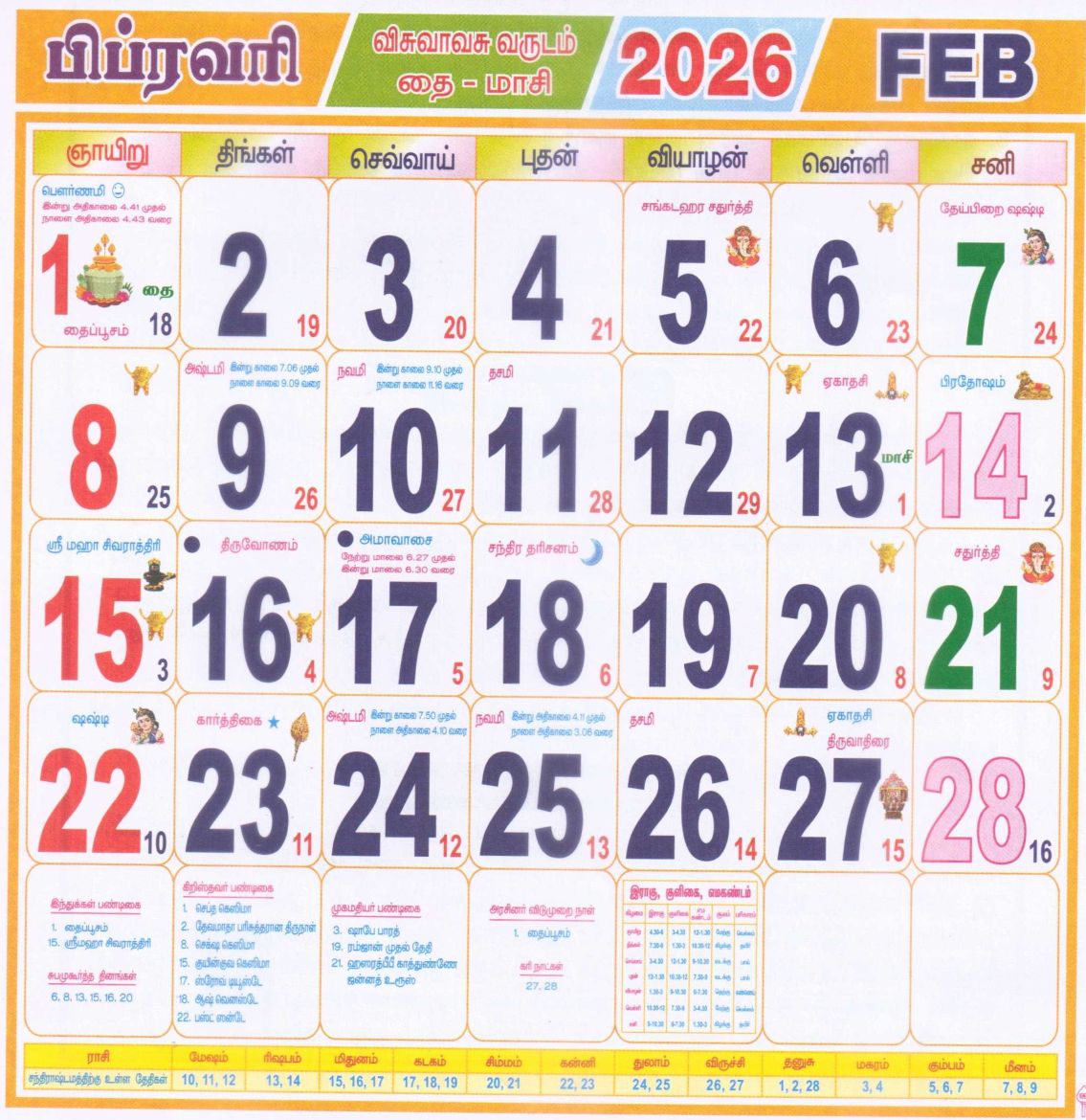
| Sunday, Feb 1 | Magha Purnima | End of Magha month; ritual bathing, charity, spiritual merit. | Vishnu, Lunar Deities | Holy dips in sacred waters (symbolic or actual), fasting, acts of service. |
| Thursday, Feb 5 | Sankashti Chaturthi | Fasting for removal of obstacles and fulfillment of desires. | Lord Ganesha | Fasting, Ganesha Puja, moon sighting (Chandrodaya Vyapini). |
| Friday, Feb 13 | Vijaya Ekadashi | Fasting for victory, success, and spiritual upliftment. | Lord Vishnu | Strict fasting, Vishnu Puja, chanting, reading scriptures. |
| Friday, Feb 13 | Kumbha Sankranti | Sun’s entry into Aquarius; auspicious for bathing and charity. | Surya Dev (Sun God) | Holy bathing, giving donations (Dan), spiritual meditation. |
| Saturday, Feb 14 | Pradosh Vrat | Observance for Lord Shiva and Parvati during twilight (Pradosh Kaal). | Lord Shiva, Goddess Parvati | Fasting, Shiva Puja in the evening, listening to Pradosh Katha. |
| Sunday, Feb 15 | Maha Shivaratri | The “Great Night of Shiva”; cosmic dance, marriage of Shiva-Parvati. | Lord Shiva, Goddess Parvati | Fasting, all-night vigil (Jagarana), Shiva Lingam worship, chanting. |
| Monday, Feb 23 | Somvar Vrat | Monday fast dedicated to Lord Shiva for marital bliss, good fortune. | Lord Shiva | Fasting, offering prayers to Shiva, often observed by women. |
Deep Dive: Major February 2026 Hindu Festivals Explained
Now, let’s explore the deeper meaning and traditional observance of these significant days. Understanding the ‘why’ behind each festival enriches the ‘how,’ allowing for a more profound connection.
Magha Purnima (February 1, 2026)
Magha Purnima marks the culmination of the auspicious Magha month, a period highly revered in the Hindu calendar. Occurring on the full moon day of the lunar month of Magha, it is considered exceptionally sacred for performing purifying baths, making donations, and observing fasts. The belief is that during the month of Magha, all sacred rivers, including the Ganga, Yamuna, and Saraswati, become imbued with special purifying powers. Therefore, a bath on Magha Purnima is believed to cleanse one of sins and lead to liberation (moksha).
Spiritual Significance: This day emphasizes purification, charity, and self-restraint. It’s a time for self-reflection, atonement, and drawing closer to the divine through acts of compassion and devotion. Many pilgrims gather at riverbanks (like Triveni Sangam in India) to take a holy dip. For those in the USA, a symbolic bath at home, perhaps with a few drops of Ganga water, is often observed. The act of charity (Dan) on this day is also highly praised, as it’s believed to multiply spiritual merit.
Who Observes: Devotees seeking spiritual merit, purification, and the blessings of Lord Vishnu and the lunar deities. It’s a day for spiritual aspirants to intensify their practices.
Sankashti Chaturthi (February 5, 2026)
The term Sankashti means “deliverance from troubled times,” and Chaturthi refers to the fourth day of the lunar fortnight. Thus, Sankashti Chaturthi is an auspicious day dedicated to Lord Ganesha, the remover of obstacles. Occurring every lunar month on the fourth day of the Krishna Paksha (dark fortnight), devotees observe a fast to seek Ganesha’s blessings for overcoming challenges, achieving success, and attaining prosperity.
Spiritual Significance: This fast is about invoking the energy of Ganesha to clear one’s path, both materially and spiritually. It cultivates discipline, patience, and unwavering faith. The fasting is often strict, broken only after sighting the moon in the evening, after performing Puja to Lord Ganesha.
Practices: Devotees typically observe a partial or full fast throughout the day. In the evening, after taking a bath, a special Puja is performed for Lord Ganesha, offering modak (his favorite sweet), ladoos, flowers, and incense. Reciting Ganesha mantras like “Om Gam Ganapataye Namaha” is common. The fast is then broken after glimpsing the moon.
Who Observes: Anyone seeking the benevolent intervention of Lord Ganesha in their life, particularly those facing difficulties or embarking on new ventures.
Vijaya Ekadashi (February 13, 2026)
Ekadashi, the eleventh day of each lunar fortnight, is profoundly significant in Vaishnavism, dedicated to Lord Vishnu. Vijaya Ekadashi, specifically, falls during the Krishna Paksha of the Phalguna month (which extends into February). “Vijaya” translates to “victory,” and observing this fast is believed to grant victory over adversaries, obstacles, and negative influences, leading to success in all endeavors.
Spiritual Significance: The Puranas recount that Lord Rama observed this Ekadashi before crossing the ocean to Lanka, seeking victory over Ravana. It embodies the power of devotion, self-discipline, and surrender to Vishnu. The fast is not just about abstaining from food but also about purifying the mind and body, focusing solely on the divine.
Practices: Devotees observe a strict fast, typically abstaining from grains, beans, and certain spices. Some may opt for a complete waterless fast (Nirjala). Vishnu Puja is performed, offering fruits, flowers, and sweets. Chanting the Maha Mantra (“Hare Krishna Hare Krishna, Krishna Krishna Hare Hare, Hare Rama Hare Rama, Rama Rama Hare Hare”) or other Vishnu mantras is central. The fast is broken the following day (Dwadashi) during a specific period (Parana time) after offering prayers.
Who Observes: Devotees of Lord Vishnu, those seeking success, overcoming challenges, and spiritual liberation.
Kumbha Sankranti (February 13, 2026)
Sankranti refers to the sun’s transit from one zodiac sign to another. Kumbha Sankranti marks the Sun’s entry into the zodiac sign of Kumbha (Aquarius). This astrological event holds spiritual significance, particularly for bathing in sacred rivers and performing acts of charity. While not a festival with elaborate rituals like Diwali or Holi, it’s considered an auspicious day for spiritual practices.
Spiritual Significance: The day is believed to be potent for accumulating spiritual merit. Taking a holy dip (snan) in rivers is thought to cleanse one of karmic burdens. Giving donations (Dan) to the needy, especially grains, blankets, or clothes, is also highly recommended. It’s a day to recognize the sun’s journey and its influence on life, encouraging introspection and generosity.

Practices: Many observe ritual baths early in the morning. Performing Tarpan (ancestral rites) is also common. Offering water to the Sun God (Surya Dev) and reciting Surya mantras are traditional. Acts of charity are a key component of observance.
Who Observes: Many Hindus, particularly those who follow Vedic astrology and traditions related to river bathing and charity.
Pradosh Vrat (February 14, 2026)
Pradosh Vrat is a bi-monthly fast dedicated to Lord Shiva and Goddess Parvati, observed on the 13th day (Trayodashi) of both the Krishna Paksha and Shukla Paksha (dark and bright fortnights) of the lunar month. The term “Pradosh” refers to the period just before and after sunset, an auspicious time (known as Pradosh Kaal) for Shiva worship.
Spiritual Significance: Observing Pradosh Vrat is believed to bestow blessings, fulfill desires, and alleviate suffering. It is said that Lord Shiva performs his cosmic dance (Tandav) during this time, and observing fast and Puja during Pradosh Kaal pleases him immensely. The fast is particularly beneficial for those seeking peace, prosperity, and liberation.
Practices: Devotees observe a fast from sunrise until sunset. In the evening, during the Pradosh Kaal (approximately 45 minutes before and after sunset), a special Puja is conducted for Lord Shiva and Parvati. This includes bathing the Shiva Lingam with milk, curd, ghee, honey, and sugar (Panchamrit), offering Bael leaves, Dhatura, Bhang, flowers, and incense. Chanting “Om Namah Shivaya” is central. The fast is broken after the evening Puja.
Who Observes: Devotees of Lord Shiva and Parvati, especially those seeking specific boons, relief from ailments, or spiritual growth.
Maha Shivaratri (February 15, 2026)
This is arguably the most significant festival in February 2026 for Shiva devotees. Maha Shivaratri, the “Great Night of Shiva,” falls on the 14th day of the dark fortnight of the Phalguna month. It celebrates the convergence of Shiva and Shakti, the masculine and feminine energies that sustain the universe. There are several legends associated with this day: Shiva’s cosmic dance of creation, preservation, and destruction (Tandav), his marriage to Goddess Parvati, and the day he consumed poison to save the universe (Samudra Manthan).
Spiritual Significance: Maha Shivaratri is considered a time when Shiva’s divine energy is most accessible. It is a night for intense spiritual practices, self-reflection, and seeking blessings for liberation (moksha). Fasting, meditation, and chanting on this night are believed to grant immense spiritual benefits and purify the soul.

Practices: The observance typically involves a strict Nirjala fast (without water) for 24 hours. Devotees perform Jagarana (an all-night vigil), staying awake to chant mantras, meditate, and perform Puja. The Shiva Lingam is bathed with milk, water, Bael leaves, and other sacred offerings throughout the night, often in four phases (Prahars) representing different aspects of Shiva worship. Chanting “Om Namah Shivaya” continuously is a core practice. Many visit Shiva temples.
Who Observes: Millions of Hindus worldwide, particularly Shaivites, observe Maha Shivaratri with great fervor, seeking Lord Shiva’s blessings for a meaningful life and ultimate liberation.
Somvar Vrat (February 23, 2026)
Somvar means Monday, and this day is traditionally dedicated to Lord Shiva. Observing a Somvar Vrat (Monday fast) is a common practice among devotees of Shiva, particularly women, who fast for a happy and prosperous married life, or to find a suitable partner. It’s also observed by others seeking general well-being, success, and the removal of obstacles.
Spiritual Significance: Fasting on Mondays is believed to appease Lord Shiva and Goddess Parvati, who symbolize the ideal union. It cultivates discipline, devotion, and a sense of surrender. Each Monday offers a fresh opportunity for spiritual cleansing and seeking divine blessings.
Practices: Devotees observe a fast from sunrise to sunset. Some observe a strict fast without food or water, while others may consume fruits, milk, or specific fasting-friendly foods. Prayers are offered to Lord Shiva, often by visiting a temple or performing Puja at home. The fast is broken after sunset with simple, sattvic food.
Who Observes: Predominantly unmarried women seeking a good husband and married women praying for their husband’s longevity and family well-being. However, anyone can observe Somvar Vrat to seek Shiva’s blessings.
Observing Hindu Festivals in the USA: Practical Tips
Participating in Hindu festivals in the US might look different from celebrations in India, but the spirit remains the same. Here are some practical tips to help you connect and observe meaningfully:
Connecting with Local Temples & Communities
The easiest way to experience the vibrancy of Hindu festivals in the USA is to connect with your local Hindu temple or cultural centers. Many temples organize special Pujas, Bhajans (devotional songs), and community meals for major festivals like Maha Shivaratri. This not only provides a sense of community but also offers guidance on local observance timings and practices. Don’t hesitate to reach out to them; they are often very welcoming.
Creating a Sacred Space at Home
If you can’t make it to a temple, or simply prefer private observance, creating a sacred space at home is powerful. A small altar with Murtis (deities), incense, a lamp, and fresh flowers can transform a corner of your home into a place of worship. For festivals like Maha Shivaratri, you can perform your own Shiva Lingam Puja, chanting mantras, and meditating. Many online resources offer guidance for home Pujas.
Adapting Traditions to Your Schedule
Life in the USA comes with its own demands. It’s okay to adapt traditions to fit your schedule. If a full 24-hour fast isn’t feasible, consider a partial fast. If you can’t stay up all night for Jagarana, dedicate a few hours in the evening to prayer and meditation. The intention and devotion behind the act are far more important than rigid adherence to every single detail. The spirit of the festival is what truly counts.
Resources for Learning More
The digital age offers a wealth of resources. Reputable online Panchang apps and websites (like Drik Panchang, Prokerala, AstroSage) can provide precise timings for your specific US location. YouTube has numerous channels offering guided Pujas, Bhajans, and explanations of festival significance. Additionally, look for local spiritual groups or yoga centers that might offer discussions or workshops on Hindu traditions.
Beyond February: The Continuous Journey of Hindu Spirituality
February 2026 is just one chapter in the rich, ongoing narrative of the Hindu calendar. Each month, each season, brings new opportunities for spiritual growth, connection, and celebration. The beauty of these festivals lies in their ability to remind us of cosmic truths, reinforce ethical values, and provide a communal framework for devotion.
Whether you are a lifelong practitioner, a curious seeker, or simply someone interested in world cultures, understanding and engaging with these traditions can offer profound insights into the human spirit and its quest for the divine. May your February 2026 be filled with peace, purpose, and spiritual enrichment!
Frequently Asked Questions
What is the most important Hindu festival in February 2026?
The most significant Hindu festival in February 2026 is Maha Shivaratri, falling on Sunday, February 15th. It is dedicated to Lord Shiva and is observed with fasting, all-night vigil, and worship of the Shiva Lingam.
Why do Hindu festival dates change each year?
Hindu festival dates change because they are based on a lunar-solar calendar, known as the Panchang, rather than the fixed Gregorian solar calendar. This system considers the phases of the moon and the sun’s transits, causing dates to shift annually.
Do Hindu festival timings vary by location in the USA?
Yes, precise festival timings, especially for observances tied to sunrise, sunset, or moonrise (like fast-breaking for Ekadashi or moon sighting for Sankashti Chaturthi), can vary slightly based on your specific geographic location in the USA. It’s always best to consult a local temple or a specific Panchang app for your city.
What is an Ekadashi fast?
Ekadashi is the 11th day of each lunar fortnight, dedicated to Lord Vishnu. Devotees observe a fast, abstaining from grains, beans, and certain spices, to seek spiritual upliftment, blessings, and liberation. Vijaya Ekadashi falls on February 13, 2026.
How can I observe Hindu festivals in the USA if I don’t have a local temple?
You can observe Hindu festivals at home by creating a sacred space for Puja, chanting mantras, meditating, and observing fasts. Many online resources and YouTube channels offer guidance for home observances and provide community virtually. The intention and devotion are paramount.
What is the significance of Magha Purnima?
Magha Purnima (February 1, 2026) marks the full moon day of the Magha month and is considered highly auspicious for ritual bathing in sacred waters, performing acts of charity (Dan), and observing fasts. It is believed to cleanse sins and bestow spiritual merit.