Your Essential Guide to the February 2026 Hindu Calendar (Marathi) in the USA
As a Marathi Hindu living in the United States, you know the unique blend of connecting with your roots while navigating life far from home. Keeping track of the Hindu calendar, especially specific Marathi observances, isn’t just about marking dates; it’s about preserving culture, performing timely rituals, and staying spiritually connected. February 2026, while a shorter month, holds several significant fasts, festivals, and lunar events that are crucial for your spiritual planning.
Table of Contents
- Your Essential Guide to the February 2026 Hindu Calendar (Marathi) in the USA
- February 2026 at a Glance: Key Marathi Hindu Festivals & Vrats for Your USA Home
- Diving Deeper: Understanding February’s Important Observances
- Beyond Festivals: Navigating the February 2026 Marathi Panchang from the USA
- Amavasya, Purnima & Other Key Tithis for February 2026
- Auspicious Timings (Muhurat) & Inauspicious Periods (Rahu Kaal) for Your USA Location
- Amanta vs. Purnimanta: Understanding the Marathi Calendar Systems in February 2026
- Practical Guidance for Marathi Hindus in the USA: Maximizing Your February Observances
- Adapting Observances to Your US Time Zone & Lifestyle
- Connecting with Marathi & Hindu Communities Across America
- Preserving Heritage: Educating the Next Generation About Marathi Traditions
- Your February 2026 Planning Checklist: A Month of Spiritual Connection
- Conclusion: A Meaningful February 2026, Rooted in Marathi Tradition
Forget generic calendar apps that don’t account for your specific needs or the nuances of Marathi tradition. This guide is crafted specifically for YOU – providing clarity on the February 2026 Marathi Hindu calendar, adjusted for observance in the USA, and offering practical insights to enrich your spiritual journey.
February 2026 at a Glance: Key Marathi Hindu Festivals & Vrats for Your USA Home
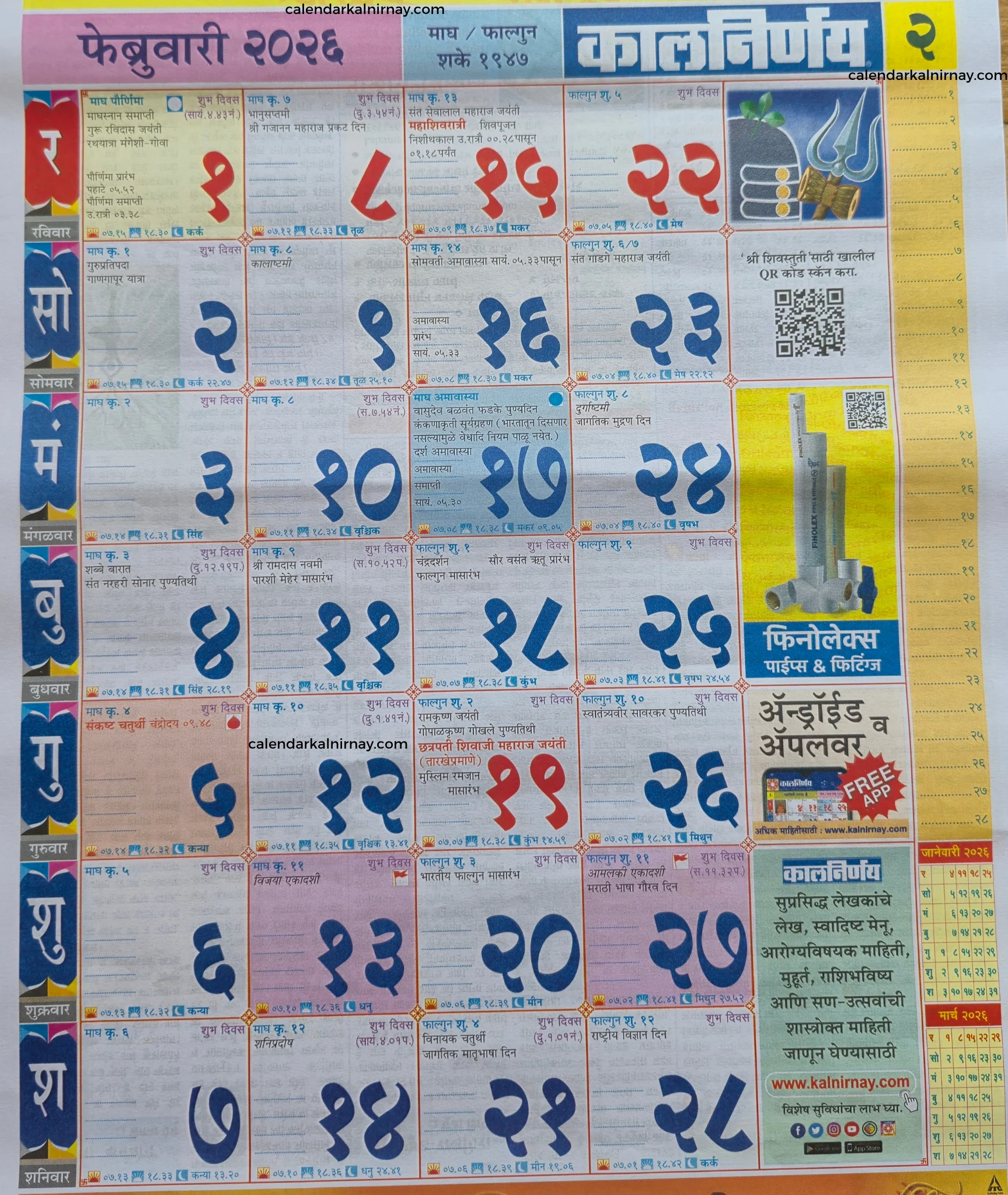
Let’s dive straight into the heart of February 2026. Here’s a consolidated overview of the major Marathi Hindu festivals, fasts (Vrats), and important lunar events. Remember, while these dates are widely observed, local sunrise/sunset times and specific Panchang publications can cause minor variations. Always consult a local temple or a trusted online Panchang for precise timings relevant to your city in the USA.
| Date | Day | Marathi Tithi (Approx.) | English Event | Significance & Observance in USA |
|---|---|---|---|---|
| February 4 | Wednesday | Magha Krishna Chaturthi | Sankashti Chaturthi | Dedicated to Lord Ganesha, observed with fasting from sunrise to moonrise. Seek blessings for overcoming obstacles. Moonrise timing is crucial for breaking fast in your US location. |
| February 11 | Wednesday | Magha Krishna Ekadashi | Shatila Ekadashi | A fast dedicated to Lord Vishnu. Emphasizes donating sesame seeds (til) and food, consuming them, and using them for purification. Observe from sunrise to sunrise. |
| February 13 | Friday | Magha Krishna Trayodashi | Masik Shivaratri | Monthly observance dedicated to Lord Shiva. Devotees fast and perform Shiva Puja, often at night. Consult local temple timings for "Nishita Kaal" (midnight period) in your US zone. |
| February 14 | Saturday | Magha Amavasya | Magha Amavasya | The new moon day, marking the end of the Amanta Magha month. Auspicious for Shraddha (ancestor rituals) and charity. Take a holy bath if possible (symbolically or in a local body of water). |
| February 15 | Sunday | Phalgun Shukla Pratipada | Phalgun Month Begins | Start of the Phalgun month according to the Amanta calendar (common in Maharashtra). This marks the lead-up to Holi. |
| February 21 | Saturday | Phalgun Shukla Panchami | Vasant Panchami / Saraswati Puja | Celebrates the arrival of spring and the birth of Goddess Saraswati, deity of knowledge, music, and art. Observe by worshipping books, musical instruments, and wearing yellow. |
| February 24 | Tuesday | Phalgun Shukla Saptami | Ratha Saptami | A day dedicated to Surya Dev (Sun God). Worshipped for good health and prosperity. Often observed by bathing with seven Arka (madar) leaves. |
| February 27 | Friday | Phalgun Shukla Ekadashi | Amalaki Ekadashi | Another significant fast for Lord Vishnu, focusing on the Amla (Indian gooseberry) tree, believed to be the abode of Vishnu. Fasting and offering Amla are key. |
| February 28 | Saturday | Phalgun Shukla Dwadashi/Trayodashi | Pradosh Vrat (Shukla) | Dedicated to Lord Shiva and Goddess Parvati. Observed by fasting and performing puja during the "Pradosh Kaal" (twilight period). This timing requires careful local adjustment for your US city. |
Diving Deeper: Understanding February’s Important Observances
While the table gives you the essentials, understanding the "why" behind each date deepens your connection. Here’s a closer look at some key observances for February 2026:
- Sankashti Chaturthi (February 4): This monthly fast for Lord Ganesha is particularly revered by Marathi families. The fast is typically broken after sighting the moon. In the US, this means knowing your local moonrise time – it can vary significantly across different states and time zones. Many families prepare traditional Modaks and observe a simple puja at home.
- Shatila Ekadashi (February 11): This Ekadashi carries specific importance related to sesame seeds (til). The rituals often involve six forms of til usage: bathing with til, applying til paste, consuming til, offering til in Havana (fire sacrifice), donating til, and giving til as charity. This is an excellent opportunity to engage children in understanding the symbolic value of natural elements in Hindu rituals.
- Vasant Panchami / Saraswati Puja (February 21): A vibrant festival celebrating creativity, knowledge, and new beginnings. For Marathi families, it’s a day to place books, musical instruments, and art supplies near the idol of Goddess Saraswati for blessings. Many also wear yellow clothing, symbolizing the vibrancy of spring. It’s a beautiful occasion to teach children about the importance of education and artistic pursuits.
- Amalaki Ekadashi (February 27): Falling in the Phalgun month, this Ekadashi reveres the Amla (Indian gooseberry) tree, considered sacred to Lord Vishnu. Devotees fast and offer Amla fruits to Lord Vishnu. If fresh Amla is hard to find, symbolic offerings or consuming Amla products can be a practical adaptation for your US observance.
Beyond Festivals: Navigating the February 2026 Marathi Panchang from the USA
The Panchang (literally "five limbs") is the backbone of the Hindu calendar. It details the five key elements: Tithi (lunar day), Vara (day of the week), Nakshatra (constellation), Yoga (planetary combinations), and Karana (half of a Tithi). Understanding these helps you identify auspicious and inauspicious times for various activities.
Amavasya, Purnima & Other Key Tithis for February 2026
February 2026 sees the conclusion of the Magha month and the beginning of Phalgun, according to the Amanta (Marathi) calendar system. Here are the crucial lunar phases:
- Magha Amavasya (February 14): The new moon. Highly significant for ancestral rites.
- Phalgun Shukla Pratipada (February 15): The first day of the waxing moon, marking the start of the new month, Phalgun, in the Amanta system.
- Ekadashis: Shatila Ekadashi (Krishna Paksha – February 11) and Amalaki Ekadashi (Shukla Paksha – February 27) are crucial fasting days.
Auspicious Timings (Muhurat) & Inauspicious Periods (Rahu Kaal) for Your USA Location
For Marathi Hindus in the USA, determining precise Muhurat (auspicious timings) and avoiding Rahu Kaal (inauspicious periods) is paramount for significant undertakings like starting a new venture, performing Griha Pravesh, or even scheduling a wedding. While a detailed Muhurat requires a personalized Panchang based on your exact longitude and latitude, here’s what you need to generally understand for February 2026:

- Rahu Kaal: Occurs daily for about 90 minutes. It’s generally considered inauspicious for starting new endeavors. Its timing varies significantly based on your specific US location’s sunrise and sunset. Always check a reliable local Panchang app or website that can adjust for your city.
- Abhijit Muhurat: A daily auspicious period, generally around midday. Many consider this a good time to start new work if no other specific Muhurat is available. Again, calculate based on your local noon.
Trying to convert timings from an India-centric calendar can be frustrating and inaccurate. Leverage modern tools that can calculate these periods for your specific US zip code. Look for apps or websites that allow you to set your location.
| Panchang Element | Description for February 2026 (USA Context) |
|---|---|
| Tithi Cycle | Magha Krishna Paksha (waning moon) continues until Feb 14 (Magha Amavasya). Phalgun Shukla Paksha (waxing moon) begins Feb 15. |
| Nakshatras | The moon will traverse various constellations throughout February. For specific Nakshatra-based rituals (e.g., child’s birth star), consult a detailed local Panchang. |
| Rahu Kaal | Daily inauspicious period. Crucially, its start and end times depend on your local sunrise and sunset in the USA. Use a location-specific Panchang app to get accurate timings for your city. |
| Abhijit Muhurat | Daily auspicious window, typically around local midday. A safe bet for starting important tasks if specific Muhurats aren’t available, but still check for Rahu Kaal overlap. |
Amanta vs. Purnimanta: Understanding the Marathi Calendar Systems in February 2026
When you look at different Hindu calendars, you might notice slight variations in festival dates. A primary reason for this is the difference between the Amanta (or Amavasyanta) and Purnimanta calendar systems.
- Amanta System: This is primarily followed in Maharashtra, Gujarat, Goa, and parts of South India. In this system, a new month begins immediately after the Amavasya (new moon).
- Purnimanta System: Prevalent in North India, Rajasthan, and parts of East India. Here, a new month begins after the Purnima (full moon), and the Krishna Paksha (waning moon phase) of the previous month is considered part of the new month.
For February 2026, this means:
- Up to February 14: We are in the Krishna Paksha of the Magha month for both systems.
- February 14: Magha Amavasya. This marks the *end* of the Magha month in the Amanta (Marathi) system.
- February 15 onwards: For Marathi speakers following the Amanta system, this is the beginning of the Phalgun month. For Purnimanta followers, the Magha month continues with its Shukla Paksha (waxing moon) until Magha Purnima, which would occur around February 12 (as per Drikpanchang).
The dates provided in our table above align with the Amanta system, which is typical for Marathi Hindu calendars, ensuring you have the most relevant information for your traditions.
Practical Guidance for Marathi Hindus in the USA: Maximizing Your February Observances
Observing Marathi Hindu traditions in the USA comes with its unique set of challenges and opportunities. Here’s how you can make the most of February 2026:
Adapting Observances to Your US Time Zone & Lifestyle
- Time Zone Awareness: The most critical factor. Many Panchang apps (e.g., Drikpanchang, Pavan Panchang) allow you to set your specific location (city, state, or even zip code) to get accurate sunrise, sunset, moonrise, and Tithi timings. This is indispensable for fasts like Sankashti Chaturthi or rituals like Pradosh Puja.
- Work and School Schedules: You might not have the luxury of taking a full day off for every festival. Prioritize key rituals. Perhaps a shorter puja in the morning before work or an evening gathering with family can suffice. Remember, sincerity of devotion matters more than elaborate display.
- Ingredient Sourcing: Traditional puja items or specific foods might not be readily available. Be open to substitutions or order specialty items online well in advance. For example, if you can’t find specific leaves for a ritual, using alternatives or simply water with devotion is often acceptable.
Connecting with Marathi & Hindu Communities Across America
You are not alone! The Marathi diaspora in the USA is vibrant and growing.
- Local Temples: Many cities across the US have Hindu temples that follow specific regional calendars. Find out if there’s a Marathi Mandir or a general Hindu temple that aligns with Marathi traditions in your area. They often publish their own calendars and host communal observances.
- Marathi Associations: Organizations like Brihan Maharashtra Mandal (BMM) or local Maharashtra Mandals organize cultural events, Ganeshotsav, and other festivals, providing a sense of community and opportunities to celebrate together.
- Online Communities: Facebook groups, WhatsApp groups, and online forums dedicated to Marathi Hindus in the USA can be invaluable for sharing information, finding local contacts, and seeking advice on observance.
Preserving Heritage: Educating the Next Generation About Marathi Traditions
Passing on your rich heritage to children born and raised in the US is a beautiful responsibility.
- Tell the Stories: Share the legends and mythological tales associated with each festival. Children connect better with narratives than dry facts.
- Involve Them Actively: Let them help with puja preparations, making rangoli, preparing traditional foods, or even researching aspects of a festival.
- Language Connection: Encourage learning basic Marathi. Even simple phrases or festival-related vocabulary can bridge the cultural gap.
- Cultural Immersion: Attend community events, online classes for Marathi language or traditional arts, and expose them to Marathi music and literature.
Your February 2026 Planning Checklist: A Month of Spiritual Connection
To help you stay organized and make the most of February 2026, here’s a quick checklist:
- Mark Your Calendar: Transfer the key dates from the table above to your personal digital or physical calendar.
- Verify Local Timings: For fasts like Sankashti Chaturthi or rituals requiring specific Muhurat, check a location-specific Panchang app for your US city.
- Meal Planning: If observing Vrats, plan your fasting meals and Sahankal (food consumed after fast).
- Puja Preparations: List any special puja items, flowers, or traditional sweets you might need for festivals like Vasant Panchami.
- Community Connection: See if local Marathi organizations or temples are hosting any events for these dates.
- Family Engagement: Plan how to involve your family, especially children, in the observances.
Conclusion: A Meaningful February 2026, Rooted in Marathi Tradition
February 2026 offers a beautiful tapestry of spiritual observances for Marathi Hindus. From the devotion of Ekadashis and the power of Masik Shivaratri to the cultural vibrancy of Vasant Panchami, each date is an opportunity to strengthen your faith and connect with your heritage. By understanding the nuances of the Marathi calendar, adjusting for your US location, and actively engaging with your community, you can ensure a deeply meaningful and fulfilling month. Embrace these traditions, teach them to your children, and let your Marathi roots flourish, no matter where you are in the world.
Frequently Asked Questions
What are the major Marathi Hindu festivals in February 2026?
February 2026 for Marathi Hindus includes Sankashti Chaturthi (Feb 4), Shatila Ekadashi (Feb 11), Masik Shivaratri (Feb 13), Magha Amavasya (Feb 14), Vasant Panchami (Feb 21), Ratha Saptami (Feb 24), Amalaki Ekadashi (Feb 27), and Pradosh Vrat (Feb 28). These dates align with the Amanta calendar system common in Maharashtra.
How do time zones in the USA affect observing these dates?
Time zones are crucial. Festival timings like moonrise for Sankashti Chaturthi, or specific Muhurat and Rahu Kaal periods, vary significantly based on your local sunrise and sunset in your US city. Always use a location-specific Panchang app or website that adjusts for your precise geographical coordinates.
What is the difference between Amanta and Purnimanta calendars for February 2026?
The Amanta system (followed in Maharashtra) considers a new month to begin after the New Moon (Amavasya). For February 2026, Magha Amavasya is on February 14, marking the end of Magha and the start of Phalgun. The Purnimanta system (North India) considers a new month to begin after the Full Moon (Purnima), with the waning phase of the previous month belonging to the new month.

Where can I find a reliable Marathi Panchang for my specific US location?
Look for reputable online Panchang providers or apps (like Drikpanchang or Pavan Panchang) that allow you to set your specific city or zip code in the USA. Many local Hindu temples in the US also publish their own calendars, which you can consult.
How can I pass on Marathi Hindu traditions to my children in the USA?
Engage them by telling the stories behind festivals, involving them in puja preparations and cultural activities, encouraging basic Marathi language learning, and connecting with local Marathi or Hindu community organizations for communal celebrations. This helps bridge the cultural gap and fosters a sense of belonging.
Are there any specific Vrats observed by Marathi Hindus in February 2026?
Yes, significant Vrats include Sankashti Chaturthi (fast broken after moonrise for Lord Ganesha), Shatila Ekadashi (fast for Lord Vishnu involving sesame seeds), Masik Shivaratri (monthly fast for Lord Shiva), and Amalaki Ekadashi (fast for Lord Vishnu associated with the Amla tree).
What is Holashtak and does it fall in February 2026 for Marathi calendars?
Holashtak is an eight-day inauspicious period before Holi. According to most Marathi (Amanta) calendars for 2026, Holashtak typically begins in early March, leading up to Holi. While some calendars might show a slight variation, the major Holashtak period is generally outside of February for this year.