Your Definitive Guide to February 2026 Holidays in India: Plan Ahead!
Planning a trip to India in February 2026? Managing business operations with Indian partners? Or simply curious about the vibrant cultural calendar? Understanding India’s holiday schedule isn’t just about marking dates; it’s about grasping the pulse of a nation. February 2026 holds a few significant observances that can impact everything from travel plans to business deadlines. If you’re a US resident or business looking for clarity, you’re in the right place.
Table of Contents
- Your Definitive Guide to February 2026 Holidays in India: Plan Ahead!
- Quick Look: February 2026 Indian Holidays at a Glance
- Understanding India’s Holiday System: Gazetted vs. Restricted vs. Bank Holidays
- What are Public (Gazetted) Holidays?
- What are Restricted Holidays?
- What are Bank Holidays?
- February 2026 Public (Regional) Holidays in India: A Deeper Dive
- February 1, 2026: Guru Ravidas Jayanti
- February 15, 2026: Maha Shivaratri
- February 2026 Restricted Holidays in India
- February 1, 2026: Maharishi Dayanand Saraswati Jayanti
- February 2026 Bank Holidays in India (State-Wise Implications)
- Planning Your Trip or Business Operations in India for February 2026
- For Travelers: Embrace the Culture, Plan Smart
- For Businesses: Mind the Calendar, Foster Relationships
- Beyond February: Looking Ahead in 2026
- Navigating February 2026 in India with Confidence
Forget the generic calendars that mix international observances with Indian ones. We’re diving deep into the specific holidays for India in February 2026, offering you a clear, comprehensive, and culturally rich breakdown. This isn’t just a list; it’s your essential guide to navigating this fascinating month with confidence.
Quick Look: February 2026 Indian Holidays at a Glance
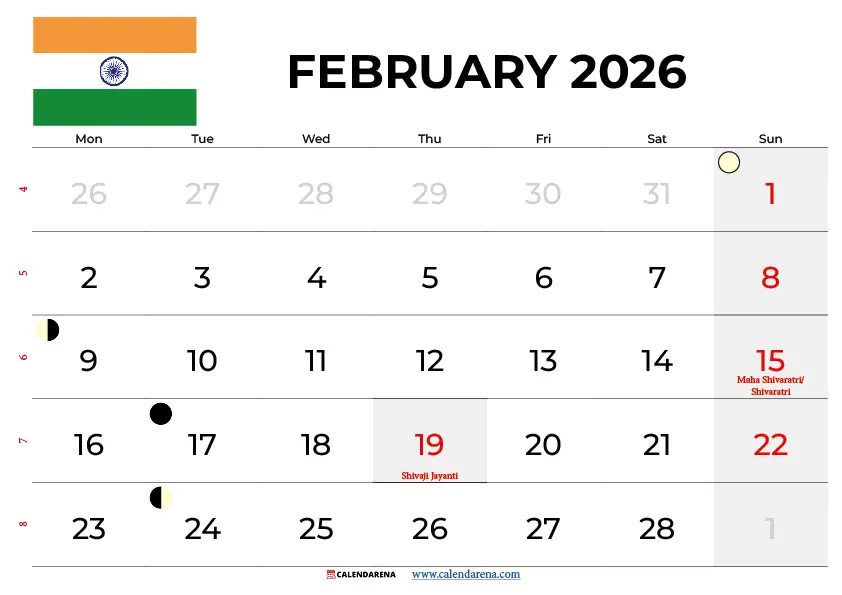
Let’s get straight to what you need to know. Here’s a snapshot of the key holidays and observances in India for February 2026. We’ll break down the nuances of each one shortly, but for immediate reference, this table provides the essentials.

| Date | Day | Holiday Name | Type of Holiday | Significance |
|---|---|---|---|---|
| February 1, 2026 | Sunday | Guru Ravidas Jayanti | Public Holiday (Regional) | Birthday of Guru Ravidas, a revered Indian mystic and social reformer. |
| February 1, 2026 | Sunday | Maharishi Dayanand Saraswati Jayanti | Restricted Holiday | Birthday of Swami Dayanand Saraswati, founder of the Arya Samaj movement. |
| February 15, 2026 | Sunday | Maha Shivaratri | Public Holiday (Regional) | Major Hindu festival honoring Lord Shiva. |
You might notice that all these significant observances fall on a Sunday in February 2026. While Sundays are typically non-working days, the cultural and religious significance of these holidays remains paramount across India. Certain businesses, especially in specific regions, may still observe them more stringently, or cultural events may be planned.
Understanding India’s Holiday System: Gazetted vs. Restricted vs. Bank Holidays
India’s holiday calendar is a nuanced tapestry. It’s not a one-size-fits-all system, which can be a bit confusing for outsiders. Let’s clarify the different categories to help you understand the impact of each holiday.
What are Public (Gazetted) Holidays?
These are the big ones. Public Holidays, also known as Gazetted Holidays, are mandatory holidays declared by the central government. On these days, almost all government offices, schools, and many private businesses across the country (or in specific states where they are gazetted) are closed. Essential services like hospitals, emergency services, and some public transport usually remain operational, often with reduced staff. For you, this means:
- Travel: Expect crowded trains, buses, and flights as people travel to celebrate with family. Tourist attractions might be open but very busy.
- Business: Assume most business operations will halt. Communication might be delayed.
What are Restricted Holidays?
Restricted Holidays (also called Optional Holidays) are a unique feature of the Indian system. These are not mandatory closures for all. Instead, government employees are usually allowed to choose a limited number (typically two or three) from a list of Restricted Holidays to take off. Private companies may or may not observe these, depending on their policy. For a US perspective:

- Travel: Minimal impact on general travel and tourism, though local events might occur.
- Business: Most businesses will operate as usual, but some individuals might be off. It’s wise to confirm availability with your contacts.
What are Bank Holidays?
As the name suggests, Bank Holidays are specific days when banks in certain states are closed. While national bank holidays align with gazetted holidays, many states declare additional bank holidays unique to their region. On these days, while banks are closed for public transactions, other businesses and government offices might remain open. The modern digital banking landscape means ATM services and online transactions generally function, but no in-person banking services are available. For you:
- Travel: Limited direct impact, unless you need to conduct specific banking transactions.
- Business: Be aware that financial transactions requiring physical bank processing or visits might be delayed in specific states.
February 2026 Public (Regional) Holidays in India: A Deeper Dive
Let’s unpack the cultural significance of the public holidays observed in various parts of India during February 2026. Understanding the ‘why’ behind these dates enriches your experience, whether you’re traveling or doing business.
February 1, 2026: Guru Ravidas Jayanti
Observed primarily in Northern India, especially in states like Punjab, Haryana, and Himachal Pradesh, Guru Ravidas Jayanti celebrates the birth anniversary of Guru Ravidas. He was a 15th-century Indian mystic and social reformer, whose devotional songs and verses are part of the Sikh holy scripture, the Guru Granth Sahib. Ravidas championed equality and humanity, advocating for a casteless society and inspiring countless individuals with his spiritual teachings.
- Significance: A day of spiritual reflection, community gatherings, and prayers. Devotees visit gurdwaras (Sikh temples) and temples, participate in processions, and organize langars (community meals).
- Impact: While falling on a Sunday in 2026, its cultural importance means that many families and communities will observe the day with religious activities. Businesses in regions with a strong following might still see reduced staff or altered hours around religious ceremonies.
February 15, 2026: Maha Shivaratri
One of the most significant and widely celebrated Hindu festivals, Maha Shivaratri (The Great Night of Shiva), is dedicated to Lord Shiva, one of the principal deities of Hinduism. It is observed with great fervor across India, though rituals and local traditions may vary from state to state.

- Significance: Devotees believe that on this night, Lord Shiva performs the ‘Tandava,’ his cosmic dance of creation, preservation, and destruction. Many observe a strict fast, offer prayers, meditate, and visit Shiva temples throughout the night. It’s considered an auspicious time for spiritual growth and seeking blessings.
- Impact: Even though it’s on a Sunday, the religious observance is profound. Major Shiva temples will be extremely crowded, and surrounding areas might experience traffic diversions. Many people will dedicate the entire day and night to religious practices. Businesses in areas with prominent Shiva temples might experience increased footfall for offerings or reduced activity from fasting employees.
February 2026 Restricted Holidays in India
For those observing specific traditions, Restricted Holidays provide an opportunity for reflection and celebration. While not a nationwide public closure, these days hold deep personal and community meaning.
February 1, 2026: Maharishi Dayanand Saraswati Jayanti
Falling on the same Sunday as Guru Ravidas Jayanti, Maharishi Dayanand Saraswati Jayanti commemorates the birth of Swami Dayanand Saraswati, a towering figure in 19th-century India. He was a profound philosopher, social reformer, and the founder of the Arya Samaj, a Hindu reform movement that emphasized a return to the Vedas and condemned idol worship, caste discrimination, and child marriage.
- Significance: Followers of the Arya Samaj and admirers of his reformist ideas observe this day with special prayers, lectures, and community events focusing on his teachings and philosophy.
- Impact: As a Restricted Holiday on a Sunday, the impact on general business and travel is minimal. However, institutions and communities associated with the Arya Samaj will hold special programs. If you’re engaging with such organizations, be mindful of their observances.
February 2026 Bank Holidays in India (State-Wise Implications)
Beyond the national and restricted observances, India’s states have the autonomy to declare their own bank holidays. This means a bank holiday in one state might not be observed in another, making local awareness key for financial planning. While specific state-wise bank holidays for February 2026 beyond the general public holidays are often declared closer to the date, here’s how they generally work and what to anticipate.
Often, state-specific bank holidays coincide with local festivals, regional elections, or significant anniversaries within that particular state. For February, such holidays are less common than in other months but can still occur.
| Date | Day | Potential Bank Holiday | Likely States Affected (Illustrative) |
|---|---|---|---|
| February 1, 2026 | Sunday | Guru Ravidas Jayanti | Punjab, Haryana, Himachal Pradesh (as a regional public holiday, banks would be closed) |
| February 15, 2026 | Sunday | Maha Shivaratri | Many states across India (as a regional public holiday, banks would be closed) |
| *Any other weekday | Weekday* | Local Festival / State Foundation Day (e.g., Goa Liberation Day in December) | Specific state only (e.g., a specific state’s formation day, not relevant for February as per current data) |
Important Note: Since February 1st and 15th, 2026, both fall on a Sunday, banks are already closed on these days. Any specific ‘bank holiday’ declared for these dates would primarily be for formal recognition rather than an additional closure day. For other potential weekday bank holidays in February, it’s always best to check the official Reserve Bank of India (RBI) notifications or specific state government gazettes closer to the date for the most accurate, localized information.
Planning Your Trip or Business Operations in India for February 2026
Now that you have the details, let’s talk practicalities. How do these holidays impact your plans as a traveler or a business professional from the USA?
For Travelers: Embrace the Culture, Plan Smart
- Crowds: While February isn’t typically peak holiday season for domestic travel in India (like Diwali or Holi), religious observances like Maha Shivaratri will draw large crowds to temples and pilgrimage sites. If your itinerary includes such places, be prepared for heavier footfall.
- Cultural Immersion: These holidays offer a fantastic opportunity to witness India’s rich cultural and religious traditions firsthand. Consider participating in local celebrations (respectfully, of course) or observing the special prayers and decorations.
- Transportation: General public transport (trains, buses) might be busier around popular pilgrimage routes on Maha Shivaratri. Book long-distance travel in advance if your dates coincide.
- Accommodation & Services: Most hotels, restaurants, and tourist services operate normally, especially during restricted holidays. During major public holidays like Maha Shivaratri, some local businesses might have reduced hours.
- Weather: February generally offers pleasant weather across much of India, making it an excellent time for travel. Combine this with cultural events for a memorable experience.
For Businesses: Mind the Calendar, Foster Relationships
- Communication: Even if a holiday isn’t officially observed by your Indian partners, key individuals might be observing it personally. Be mindful of potential delays in communication or response times, especially on days like Maha Shivaratri.
- Deadlines: Factor in these holidays when setting project deadlines or planning product launches. Ensure that critical tasks aren’t scheduled to fall on or immediately after a major observance, particularly if it impacts a significant portion of your team or partners.
- Financial Transactions: While online banking is prevalent, any transactions requiring physical bank intervention in India could be delayed on state-specific bank holidays. Plan your transfers accordingly.
- Supply Chains: If your business relies on Indian manufacturers or suppliers, assess the impact of these holidays on production schedules and logistics. Public holidays can mean factory closures or reduced staff.
- Cultural Sensitivity: Acknowledging and respecting Indian holidays demonstrates cultural understanding and strengthens business relationships. A simple ‘Happy Maha Shivaratri’ can go a long way.
Beyond February: Looking Ahead in 2026
While February 2026 offers its own unique set of observances, India’s calendar is perpetually rich with festivals. Looking ahead, March 2026 is expected to feature Holi, one of India’s most vibrant and joyous festivals. Known as the ‘festival of colors,’ Holi is a major public holiday that brings the entire country alive with celebration, music, and colorful revelry. If your plans extend beyond February, be sure to research the specific dates and impacts of upcoming festivals to fully optimize your experience or operations.
Navigating February 2026 in India with Confidence
February 2026 in India, though having its major observances fall on Sundays, still carries significant cultural weight. By understanding the distinction between public, restricted, and bank holidays, and appreciating the spiritual and historical context of each, you’re not just informed – you’re prepared.
Whether you’re exploring the ancient temples during Maha Shivaratri or connecting with business partners, this guide equips you with the knowledge to make informed decisions. Embrace the rich tapestry of Indian culture, plan strategically, and you’ll find February 2026 to be a month of opportunity and insight.
Frequently Asked Questions
What are the main public holidays in India for February 2026?
For February 2026, the main public holidays observed in various regions of India include Guru Ravidas Jayanti (February 1st) and Maha Shivaratri (February 15th). Both of these significant observances fall on a Sunday in 2026, meaning they coincide with a non-working day for most.
What is the difference between a Public (Gazetted) Holiday and a Restricted Holiday in India?
A Public (Gazetted) Holiday is a mandatory holiday declared by the central government, leading to closure of government offices and many businesses. A Restricted Holiday (or Optional Holiday) is not mandatory for all; government employees can choose a limited number to take off, and private companies decide their own observance. Businesses generally operate as usual on Restricted Holidays.
Will banks be closed during February 2026 holidays in India?
Banks in India will be closed on Sundays, which include February 1st (Guru Ravidas Jayanti and Maharishi Dayanand Saraswati Jayanti) and February 15th (Maha Shivaratri). While these are significant observances, they don’t cause additional weekday bank closures for these specific holidays in February 2026. However, state-specific bank holidays can occur on other weekdays, so it’s best to check local notifications closer to the date.
How will February 2026 holidays impact travel for US citizens visiting India?
Since the major holidays in February 2026 fall on Sundays, the direct impact on general travel services (like flights, hotels, most businesses) will be minimal. However, popular pilgrimage sites and temples will be very crowded on Maha Shivaratri (Feb 15th), potentially affecting local transportation around those areas. It’s a great opportunity for cultural immersion!
What is Maha Shivaratri and how is it celebrated?
Maha Shivaratri, on February 15, 2026, is a major Hindu festival dedicated to Lord Shiva. Devotees observe fasts, offer prayers, meditate, and visit Shiva temples, often throughout the night. It’s believed to be the night Lord Shiva performs his cosmic dance. Celebrations involve religious rituals, devotional songs, and community gatherings.
Are there any specific business implications for US companies dealing with India in February 2026?
While the main holidays are on Sundays, it’s crucial to be mindful of cultural observances. Key personnel might be engaged in religious activities, potentially leading to delayed responses. For financial transactions, verify bank holiday schedules, especially for state-specific closures. Proactive communication and cultural sensitivity will strengthen business relationships.