February 2026 Malayalam Calendar: Your Essential Guide to Festivals & Holidays
Are you looking to connect with your roots, plan cultural observances, or simply understand the rhythm of life as celebrated in Kerala, even from afar? For Malayalees across the globe, especially here in the USA, keeping track of the Malayalam calendar is a beautiful way to maintain cultural ties, honor traditions, and plan for significant religious and community events. But let’s be honest, trying to cross-reference Gregorian dates with the intricate Malayalam calendar, especially when holidays and observances shift, can feel like navigating a maze.
Table of Contents
- February 2026 Malayalam Calendar: Your Essential Guide to Festivals & Holidays
- Navigating February 2026 in the Malayalam Calendar: Key Dates at a Glance
- Deep Dive into February 2026 Malayalam Holidays & Festivals
- Maha Shivaratri (February 15, 2026)
- Ramadan Fasting Starts (February 18, 2026)
- Sree Ramakrishna Jayanti (February 19, 2026)
- Shivaji Jayanthi (February 19, 2026)
- International Mother Language Day (February 21, 2026)
- Kumbha Bharani (February 23, 2026)
- Shasti (February 23, 2026)
- Understanding Public & Bank Holidays in February 2026 for Kerala
- Beyond the Dates: Cultural Significance and Observance for the US Diaspora
- Planning Your February 2026: Practical Tips and Resources
- The Essence of the Malayalam Calendar: More Than Just Dates
That’s where this guide comes in. Forget sifting through multiple sources or trying to decode different formats. This is your definitive, human-centric resource for February 2026 – meticulously compiled to bring you clarity on all the festivals, holidays, and important observances. We’re not just listing dates; we’re providing the context and significance you need to truly engage with your heritage.
Navigating February 2026 in the Malayalam Calendar: Key Dates at a Glance
The Malayalam calendar, also known as the Kollavarsham calendar, is a sidereal solar calendar that starts with the month of Chingam. Unlike the Gregorian calendar, which is purely solar, the Malayalam calendar incorporates both solar and lunar elements for its festivals and observances, making it deeply connected to astrological and religious timings. February 2026 primarily falls under the Malayalam months of Makaram (ending February 12) and Kumbham (starting February 13).

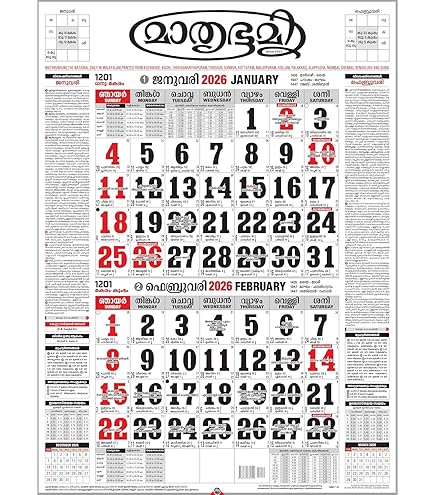
Let’s dive into the day-by-day breakdown of February 2026, highlighting the crucial dates and what they signify. This table is your quick reference for planning and understanding the flow of the month.
| Gregorian Date | Weekday | Malayalam Date (Kollavarsham) | Important Events / Holidays | Brief Significance |
|---|---|---|---|---|
| Feb 1 | Sunday | Makaram 18 | ||
| Feb 2 | Monday | Makaram 19 | ||
| Feb 3 | Tuesday | Makaram 20 | ||
| Feb 4 | Wednesday | Makaram 21 | World Cancer Day | Global observance for cancer awareness. |
| Feb 5 | Thursday | Makaram 22 | ||
| Feb 6 | Friday | Makaram 23 | ||
| Feb 7 | Saturday | Makaram 24 | ||
| Feb 8 | Sunday | Makaram 25 | ||
| Feb 9 | Monday | Makaram 26 | ||
| Feb 10 | Tuesday | Makaram 27 | ||
| Feb 11 | Wednesday | Makaram 28 | ||
| Feb 12 | Thursday | Makaram 29 | ||
| Feb 13 | Friday | Kumbham 1 | Kumbham Sankramam, Vijaya Ekadasi | Start of Malayalam month Kumbham; Ekadasi fasting day. |
| Feb 14 | Saturday | Kumbham 2 | ||
| Feb 15 | Sunday | Kumbham 3 | Maha Shivaratri | Major Hindu festival honoring Lord Shiva. |
| Feb 16 | Monday | Kumbham 4 | ||
| Feb 17 | Tuesday | Kumbham 5 | ||
| Feb 18 | Wednesday | Kumbham 6 | Ramadan Fasting Starts | Beginning of the holy month of fasting for Muslims. |
| Feb 19 | Thursday | Kumbham 7 | Sree Ramakrishna Jayanti, Shivaji Jayanthi | Birth anniversaries of spiritual leader and Maratha king. |
| Feb 20 | Friday | Kumbham 8 | ||
| Feb 21 | Saturday | Kumbham 9 | International Mother Language Day | A global observance promoting linguistic diversity. |
| Feb 22 | Sunday | Kumbham 10 | ||
| Feb 23 | Monday | Kumbham 11 | Kumbha Bharani, Shasti | Temple festival; Monthly observance for Lord Muruga. |
| Feb 24 | Tuesday | Kumbham 12 | ||
| Feb 25 | Wednesday | Kumbham 13 | ||
| Feb 26 | Thursday | Kumbham 14 | ||
| Feb 27 | Friday | Kumbham 15 | ||
| Feb 28 | Saturday | Kumbham 16 |
Deep Dive into February 2026 Malayalam Holidays & Festivals
While the calendar overview gives you the dates, let’s explore the deeper meaning behind these observances. Knowing the ‘why’ makes celebrating from afar even more meaningful, allowing you to participate with intention and pass on rich traditions to the next generation.
Maha Shivaratri (February 15, 2026)
One of the most significant Hindu festivals, Maha Shivaratri is dedicated to Lord Shiva. This ‘Great Night of Shiva’ celebrates the overcoming of darkness and ignorance in the world. Devotees observe a day-long fast, perform pujas, chant mantras, and stay awake all night, meditating on Lord Shiva. Many believe that on this night, Lord Shiva performs the heavenly dance of creation, preservation, and destruction. In Kerala, special rituals are held in Shiva temples, and many people visit these sacred sites to offer prayers and participate in the ceremonies.
Ramadan Fasting Starts (February 18, 2026)
For the Muslim community in Kerala and worldwide, February 18, 2026, marks the likely beginning of Ramadan, the ninth month of the Islamic calendar. This holy month is a period of fasting (Sawm), prayer, reflection, and community. From dawn until sunset, Muslims abstain from food, drink, and other physical needs to focus on spiritual purification and devotion. It’s a time for increased charity, reading the Quran, and strengthening one’s relationship with Allah. The exact start date is determined by the sighting of the crescent moon, so always be mindful of local announcements.
Sree Ramakrishna Jayanti (February 19, 2026)
Sree Ramakrishna Jayanti commemorates the birth anniversary of Sri Ramakrishna Paramahamsa, a prominent 19th-century Indian mystic and yogi. Revered as a divine manifestation by his followers, Ramakrishna emphasized the harmony of religions and the realization of God through various spiritual paths. His teachings continue to inspire millions, focusing on selfless service, devotion, and the inherent divinity of all beings. Observances often include special prayers, bhajans (devotional songs), and discourses at Ramakrishna Math centers.
Shivaji Jayanthi (February 19, 2026)
Also observed on February 19, Shivaji Jayanthi celebrates the birth of Chhatrapati Shivaji Maharaj, the founder of the Maratha Empire. Though historically significant in Maharashtra, his legacy as a brilliant warrior, astute administrator, and protector of Hindu dharma resonates across India. For many, this day is a reminder of his courage, strategic genius, and commitment to justice. While not a religious holiday in the traditional sense, it’s a day of pride and remembrance, particularly for those who draw inspiration from his leadership.
International Mother Language Day (February 21, 2026)
While not a traditional Malayalam festival, International Mother Language Day is a globally recognized observance (by UNESCO) that holds profound significance for Malayalees and all linguistic communities. Celebrated annually to promote linguistic and cultural diversity and multilingualism, it’s a day to appreciate and preserve one’s native language. For Malayalees in the USA, it’s a beautiful opportunity to reaffirm the importance of passing on Malayalam to younger generations, ensuring the language thrives beyond Kerala’s borders.
Kumbha Bharani (February 23, 2026)
Kumbha Bharani is a significant temple festival primarily celebrated in various Bhagavathy temples across Kerala, most notably at the Chettikulangara Devi Temple. The festival, falling in the Malayalam month of Kumbham (hence the name), is famous for its vibrant processions, unique rituals like ‘Kettukazhcha’ (elaborate decorated structures), and ‘Kuthiyottam’ (a ritual dance). It’s a day of immense devotion, celebrating the divine feminine and seeking blessings from the Goddess. For those unable to attend, special pujas and prayers can be offered at local temples or at home.

Shasti (February 23, 2026)
Shasti, or Sashti, is a recurring religious observance dedicated to Lord Muruga (Kartikeya), the son of Lord Shiva. It falls on the sixth day (Tithi) of the lunar fortnight. Many devotees observe a partial or full fast on this day, offering prayers and performing pujas to seek blessings for health, prosperity, and the removal of obstacles. While a monthly observance, its significance is felt deeply by Muruga devotees.
Additionally, February 13, 2026, also marks Vijaya Ekadasi, another important fasting day observed by many Hindus. Ekadasi is the eleventh day of each of the two lunar phases in the Hindu calendar, dedicated to Lord Vishnu. Fasting on this day is believed to cleanse sins and lead to spiritual upliftment.
Understanding Public & Bank Holidays in February 2026 for Kerala
It’s vital to distinguish between religious/cultural observances and official government-declared holidays. While you might celebrate a festival here in the USA, a ‘public holiday’ generally refers to a day off from work or school in a specific region. For Malayalees in the USA, this distinction is crucial when thinking about family members in Kerala or planning international travel. The holidays listed below are official observances in Kerala, India. Please remember these do not apply to the USA workplace or school calendar.
| Gregorian Date | Weekday | Holiday Name | Type of Holiday |
|---|---|---|---|
| Feb 15 | Sunday | Maha Shivaratri | Public Holiday (Kerala State) |
As you can see, Maha Shivaratri is the only official Public Holiday in Kerala for February 2026. This means government offices, banks, and many businesses in Kerala will be closed on this day. Other events, while culturally significant, are generally not official days off work or school in Kerala.

Beyond the Dates: Cultural Significance and Observance for the US Diaspora
Living thousands of miles away from Kerala doesn’t diminish the desire to stay connected to one’s heritage. In fact, for many Malayalees in the USA, these calendar dates become even more poignant – a thread linking them to their roots, their family, and their community. Observing these festivals, even in a modified way, is a powerful act of cultural preservation and identity. Here’s why and how:
- Preserving Identity: By understanding and celebrating Malayalam festivals, you reinforce your cultural identity and ensure that the rich traditions of Kerala are not lost in a new environment.
- Community Connection: Many Malayalee associations and Hindu temples across the USA organize special events, pujas, and cultural programs for major festivals like Maha Shivaratri. Participating in these gatherings is a wonderful way to connect with fellow community members, share traditions, and foster a sense of belonging.
- Educating the Next Generation: For parents, these holidays are invaluable teaching moments. Explaining the stories, rituals, and significance behind each festival to children helps them understand their heritage and instill a sense of pride in their roots. Even simple home pujas or special meals can create lasting memories.
- Spiritual Fulfillment: For those who observe fasts like Ekadasi or participate in prayers for Shasti, these dates offer opportunities for spiritual reflection and growth, regardless of geographical location.
Planning Your February 2026: Practical Tips and Resources
Now that you have the detailed breakdown, how do you make this calendar work for you in the USA? It’s all about proactive planning and smart integration.
- Integrate with Digital Calendars: Add these Malayalam dates and holidays directly into your Google Calendar, Outlook, or Apple Calendar. Set reminders for important observances like fasting days or festival preparations.
- Connect with Local Associations: Research Malayalee cultural associations, Hindu temples, or Islamic centers in your city or state. Many organize community events for major festivals. Their websites or social media pages are excellent resources for local observances.
- Plan Family Gatherings: If a festival holds particular family significance, use this calendar to plan ahead for family get-togethers, special meals, or prayer sessions at home.
- Educate Your Workplace/School (Carefully): While not official holidays in the USA, you might consider gently informing your employer or your children’s school about significant cultural observances if they impact your availability or require a different dress code (e.g., for temple visits). Frame it as cultural awareness, not a demand for a day off.
- Leverage Online Resources (Responsibly): Many reputable online platforms offer daily panchangam details or full Malayalam calendars. While this guide provides the core information, these can be useful for daily astrological details (nakshatram, tithi) if you need them. However, always cross-reference important dates.
Remember, the goal isn’t just to mark a date, but to embrace the cultural richness it represents. Whether it’s a quiet puja at home, a vibrant community celebration, or simply taking a moment for reflection, these observances offer a powerful connection to your heritage.
The Essence of the Malayalam Calendar: More Than Just Dates
At its heart, the Malayalam calendar is a living testament to a vibrant culture, a deep-seated spiritual tradition, and a community that values its heritage. For those of us navigating life in the USA, it serves as a crucial link – a reminder that while our physical location may be far from the backwaters of Kerala, our cultural and spiritual home remains vibrantly alive within us.

By making the effort to understand and observe these dates, you’re not just following a calendar; you’re participating in a continuous narrative that has been passed down through generations. You’re contributing to its preservation, ensuring that the stories, the rituals, and the collective memory of Kerala continue to thrive, even thousands of miles away. February 2026 is more than just another month; it’s an opportunity to deepen that connection.
Frequently Asked Questions
What is the Malayalam Calendar?
The Malayalam Calendar, also known as Kollavarsham, is a sidereal solar calendar primarily used in Kerala, India. It’s unique for starting its year in the month of Chingam (August/September) and is deeply tied to the agricultural cycle and specific astronomical calculations, distinct from the Gregorian and other Indian calendars.
Are Kerala government holidays observed in the USA?
No, official Kerala government or bank holidays are specific to the state of Kerala in India and do not apply to workplaces or schools in the USA. For Malayalees in the USA, these dates serve as cultural and religious observances, which might involve personal celebrations or participation in community events.
What is the significance of Maha Shivaratri in February 2026?
Maha Shivaratri, falling on February 15, 2026, is a major Hindu festival dedicated to Lord Shiva. It’s a night of intense devotion, observed with fasting, prayers, chanting, and meditation to overcome darkness and ignorance. Many believe Lord Shiva performs his cosmic dance on this night, making it highly auspicious for spiritual practices.
How can I find a reliable Malayalam calendar app for 2026?
Several reputable apps offer Malayalam calendars with panchangam details, holidays, and festivals. You can typically find them on the Apple App Store or Google Play Store by searching ‘Malayalam Calendar 2026’ or ‘Kerala Calendar’. Look for apps from well-known media houses or spiritual organizations for accuracy.
What is Kollavarsham?
Kollavarsham refers to the traditional Malayalam era, which began in 825 CE (Common Era). It’s the system used to number years in the Malayalam calendar, distinct from the Gregorian year. So, when we refer to a Malayalam date, it often includes the Kollavarsham year alongside the month and day.
Are there any significant ‘Vrutham’ (fasting days) in February 2026?
Yes, February 2026 includes significant Vrutham days. Vijaya Ekadasi falls on February 13, and Maha Shivaratri on February 15 is observed with a major fast. Additionally, Shasti on February 23 is a monthly fasting day dedicated to Lord Muruga. The beginning of Ramadan fasting for Muslims also commences around February 18.
How do I convert a Malayalam date to a Gregorian date?
Converting Malayalam dates to Gregorian dates (and vice-versa) can be complex due to the different calendrical systems. For practical purposes, it’s best to use online Malayalam calendar converters or reliable calendar apps. These tools perform the necessary calculations based on astronomical data to provide accurate correspondences for specific dates.