February 2026 Tamil Calendar: Unveiling Amavasai and Its Significance
Are you looking for the exact Amavasai date in February 2026 according to the Tamil Calendar? You’re in the right place. Whether you’re planning ancestral rituals, seeking spiritual guidance, or simply trying to understand the nuances of the Tamil calendar, knowing these key dates is essential.
Table of Contents
- February 2026 Tamil Calendar: Unveiling Amavasai and Its Significance
- What Exactly is Amavasai in the Tamil Calendar?
- The New Moon and Its Spiritual Weight
- Understanding the Tamil Calendar System
- February 2026 Amavasai: Your Definitive Guide
- Date, Day, and Tamil Tithi Details
- Why Masi Amavasai Holds Special Importance
- Observances and Rituals During Amavasai
- Honoring Ancestors (Pitrus)
- Spiritual Practices and Self-Reflection
- Beyond Amavasai: Other Significant Dates in February 2026 (Tamil Calendar)
- February 2026 Tamil Calendar Highlights
- Planning Your February 2026 with the Tamil Calendar
- For Tamils in the USA and Worldwide
- All Amavasai Dates in 2026: A Year at a Glance
For February 2026, the Amavasai falls on a significant day, aligning with the Tamil month of Masi. This period holds profound spiritual weight for many, particularly for performing rites dedicated to ancestors. Let’s dive deep into what this means for you and how you can observe this important day.
Key Takeaway for February 2026 Amavasai:
- Date: Tuesday, February 17, 2026
- Tamil Month: Masi (specifically, Masi Amavasai)
- Significance: A day dedicated to ancestral rites (Tarpanam, Shradh) and spiritual reflection.
What Exactly is Amavasai in the Tamil Calendar?
Let’s cut through the jargon. In simple terms, Amavasai is the New Moon day. It’s a lunar phase when the moon is not visible in the sky from Earth. While in many cultures, the New Moon might simply mark the start of a new lunar cycle, in the Tamil and broader Hindu calendar, Amavasai holds a very special, almost sacred, significance.
Unlike a regular day, Amavasai is primarily associated with ancestral veneration. It’s a time when the veil between our world and the realm of ancestors (Pitrus) is believed to be thinner, making it an opportune moment to offer prayers and gratitude to those who have passed on. Think of it as a designated day in the spiritual calendar for remembering and honoring your lineage.

The New Moon and Its Spiritual Weight
The absence of the moon’s light on Amavasai is not seen as darkness, but rather a powerful, introspective energy. It’s a day for looking inward, for spiritual cleansing, and for connecting with the unseen. For many Tamil households, this means:
- Performing Tarpanam or Shradh rituals to offer water, sesame seeds, and other sacred items to ancestors.
- Visiting temples, particularly those dedicated to ancestors or deities associated with spiritual liberation.
- Fasting or observing dietary restrictions to purify the body and mind.
- Engaging in meditation and prayer for peace and blessings.
While often seen as a day for somber reflection, it’s also a day of profound gratitude and connection, ensuring the well-being of both the living and the departed.
Understanding the Tamil Calendar System
To truly grasp Amavasai, you need a basic understanding of the Tamil calendar. It’s a lunisolar calendar, meaning it takes into account both the solar year and the lunar months. This intricate system is steeped in astronomical calculations and ancient traditions.
The Tamil calendar begins in mid-April (Chithirai month) and cycles through 12 months, each with its own unique significance. Each day (Tithi) within these months is governed by the moon’s phase. Amavasai marks the end of the waning moon cycle (Krishna Paksha) and the beginning of the waxing moon cycle (Shukla Paksha) for the next month.
So, when we talk about “Masi Amavasai,” we’re referring to the New Moon day that falls within the Tamil month of Masi (typically February-March). This specific alignment gives each Amavasai its unique flavor and particular set of observances.
February 2026 Amavasai: Your Definitive Guide
Now, let’s get down to the specifics for February 2026. The Amavasai this month is particularly noteworthy as it falls in the Tamil month of Masi. Knowing the precise date and its associated timings can help you plan your spiritual practices and family observances effectively.

Date, Day, and Tamil Tithi Details
Here’s a clear breakdown of the February 2026 Amavasai, drawing from traditional Tamil calendar calculations:
| Event | Date | Day | Tamil Month & Tithi | Key Significance |
|---|---|---|---|---|
| February 2026 Amavasai | February 17, 2026 | Tuesday | Masi Amavasai (Masi 5, Theipirai Amavasai) | Ancestral Rites, Spiritual Cleansing, Offerings to Pitrus |
This means that on Tuesday, February 17, 2026, you’ll have the opportunity to participate in the traditional observances of Amavasai. While specific timings for the New Moon phase can vary slightly by geographical location and panchangam calculations, the entire day is generally considered auspicious for performing the associated rituals.
Why Masi Amavasai Holds Special Importance
Every Amavasai is significant, but certain months carry extra weight. Masi Amavasai is one such occasion. The month of Masi (Maasi) is traditionally associated with bathing in holy rivers and seas, particularly for ancestral blessings.
Here’s why Masi Amavasai stands out:
- Sacred Bathing: It’s considered highly auspicious to take a holy dip in sacred rivers or the sea on Masi Amavasai. This act is believed to wash away sins and offer immense spiritual merit to ancestors. Many Tamils living abroad, even in the USA, will recreate this by taking a purifying bath at home or visiting a natural body of water if possible.
- Connection to Pithrus: The offerings made during Masi Amavasai are believed to reach ancestors more effectively, ensuring their peace and granting blessings upon the family.
- Spiritual Purification: The energies of this month, combined with the New Moon, are thought to be particularly potent for self-purification and seeking divine blessings.
So, February 17, 2026, isn’t just another Amavasai; it’s Masi Amavasai, a day imbued with specific traditions and heightened spiritual efficacy.
Observances and Rituals During Amavasai
Understanding the date is just the first step. The true essence of Amavasai lies in its observances. These rituals are deeply rooted in tradition and offer a tangible way to connect with your heritage and express reverence.

Honoring Ancestors (Pitrus)
The core of Amavasai observance revolves around honoring ancestors. This is not a ritual of sadness, but one of respect, gratitude, and ensuring the continuity of blessings through generations.
- Tarpanam: This is perhaps the most significant ritual. It involves offering water mixed with black sesame seeds (til), darbha grass, and uncooked rice to ancestors. It’s a symbolic act of nourishing and satisfying the souls of the departed. Often, men perform this ritual, taking a bath before doing so.
- Shradh: While Shradh is a more elaborate annual ceremony, some simpler forms of offerings can be made on Amavasai. This might include preparing favorite foods of the deceased and offering them before consuming.
- Food Offerings to the Needy: Feeding the poor, Brahmins, or cows is considered a highly meritorious act on Amavasai. It’s believed that by satisfying the hungry, you are indirectly satisfying your ancestors and earning their blessings.
- Temple Visits: Many visit Shiva temples or temples specifically known for ancestral worship. Performing a simple puja or offering prayers can be very impactful.
The intention behind these acts is paramount. It’s about remembering, revering, and seeking blessings from your forefathers.
Spiritual Practices and Self-Reflection
Beyond ancestral rites, Amavasai is also a powerful day for personal spiritual growth and introspection. The subdued energy of the New Moon encourages a focus on inner stillness.
- Fasting: Many observe a partial or complete fast on Amavasai. This spiritual discipline helps purify the body and mind, making one more receptive to spiritual energies.
- Meditation and Prayer: Dedicate time to meditation, chanting mantras, or engaging in silent prayer. It’s an excellent day to release negative energies and set intentions for personal growth.
- Avoiding New Beginnings: Traditionally, Amavasai is considered inauspicious for starting new ventures, business deals, or auspicious ceremonies like weddings. The focus is more on ending cycles and reflection rather than initiation. However, this is a general guideline, and personal beliefs vary.
- Charity and Daana: Donating to charitable causes or helping those in need is highly recommended. It’s believed to accumulate good karma and blessings.
Ultimately, Amavasai is a day to consciously pause, reflect on your roots, and engage in practices that foster spiritual well-being for yourself and your lineage.
Beyond Amavasai: Other Significant Dates in February 2026 (Tamil Calendar)
While Amavasai is a key focus, the Tamil calendar for February 2026 holds other important dates that are significant for different reasons. Understanding these helps you get a complete picture of the month’s spiritual and cultural landscape.
February 2026 Tamil Calendar Highlights
Here’s a quick overview of other notable days in February 2026, according to the Tamil Calendar:
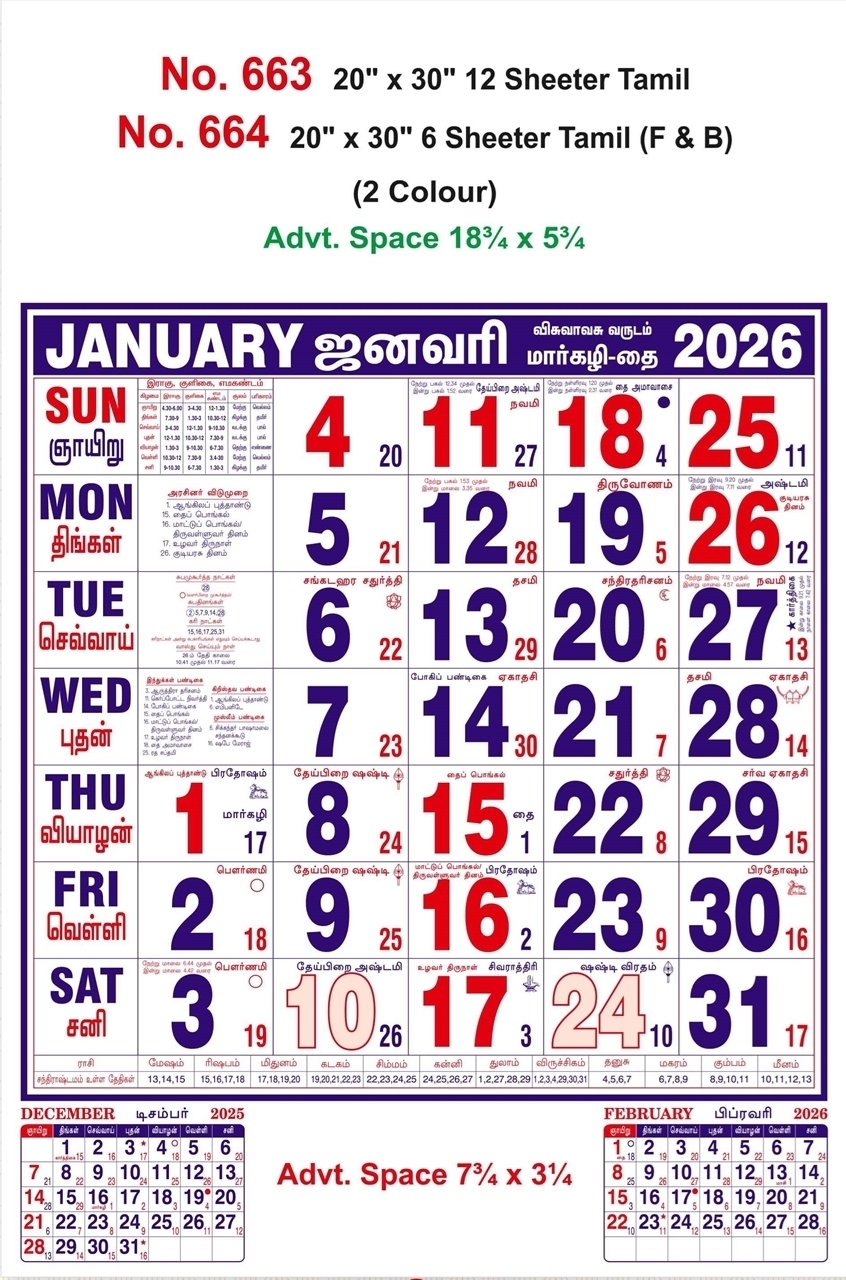
| Date | Day | Event / Tithi | Significance |
|---|---|---|---|
| February 1, 2026 | Sunday | Pournami (Full Moon) | A day of heightened energy, good for spiritual practices, meditation, and offerings. |
| February 16, 2026 | Monday | Pradosham | Auspicious time for worshipping Lord Shiva, particularly in the evening. Occurs twice a lunar month. |
| February 18, 2026 | Wednesday | Chandra Darshan | The first sighting of the moon after Amavasai, considered auspicious for new beginnings (after the ancestral rites). |
| February 21, 2026 | Saturday | Chaturthi Vratham | Fasting day dedicated to Lord Ganesha, observed for overcoming obstacles. |
| February 22, 2026 | Sunday | Sashti Viradham | Fasting day dedicated to Lord Muruga (Karthikeya) for blessings and fulfillment of desires. |
| February 23, 2026 | Monday | Karthigai Vratham | Another auspicious day for Lord Muruga worship, particularly significant for those observing the Karthigai Deepam festival. |
As you can see, February 2026 offers a rich tapestry of spiritual opportunities beyond just Amavasai. Each date provides a unique way to connect with the divine and uphold cultural traditions.
Planning Your February 2026 with the Tamil Calendar
Whether you’re a devout follower, part of the Tamil diaspora in the USA, or simply curious about these ancient traditions, integrating the Tamil calendar into your planning offers a unique perspective. It’s not just about dates; it’s about understanding cycles, energies, and cultural continuity.
For Tamils in the USA and Worldwide
Living far from ancestral lands, the Tamil calendar becomes a vital link to one’s heritage. Here’s why and how this information is particularly useful:
- Cultural Preservation: Observing Amavasai and other festival dates helps keep traditions alive for future generations. It’s a way to teach children about their roots and values.
- Community Connection: Knowing these dates allows you to connect with local Tamil communities, participate in shared observances at temples or cultural centers, and foster a sense of belonging.
- Personal Well-being: Engaging in spiritual practices on these designated days can offer a sense of peace, purpose, and connection to something larger than oneself.
- Practical Planning: If you need to perform ancestral rites, you can plan your day accordingly, perhaps taking time off work or organizing a family gathering.
Remember that while the calendar provides the day, the exact auspicious timings (like Rahu Kalam, Yamagandam) within that day can vary based on local sunrise and sunset. For precise ritual timings, consulting a local Tamil priest or a reputable panchangam specific to your region (even within the USA) is always recommended. However, for most general observances like fasting or simple prayers, the listed date is sufficient.
Embrace the rhythm of the Tamil calendar in February 2026. Whether it’s observing the sacred Masi Amavasai or participating in other auspicious days, these traditions offer a profound way to enrich your life and honor your heritage.
All Amavasai Dates in 2026: A Year at a Glance
While February 2026 is our primary focus, it’s often helpful to have a complete picture of all Amavasai dates throughout the year. This allows for long-term planning, especially if you observe these days regularly or wish to mark specific ancestral occasions.

Here’s a comprehensive list of all Amavasai dates for 2026 according to the Tamil Calendar:
| Month | Date | Day | Tamil Month & Tithi |
|---|---|---|---|
| January | January 18, 2026 | Sunday | Thai Amavasai |
| February | February 17, 2026 | Tuesday | Masi Amavasai |
| March | March 19, 2026 | Thursday | Panguni Amavasai |
| April | April 17, 2026 | Friday | Chithirai Amavasai |
| May | May 17, 2026 | Sunday | Vaigasi Amavasai |
| June | June 15, 2026 | Monday | Aani Amavasai |
| July | July 15, 2026 | Wednesday | Aadi Amavasai |
| August | August 12, 2026 | Wednesday | Avani Amavasai |
| September | September 11, 2026 | Friday | Purattasi Amavasai |
| October | October 10, 2026 | Saturday | Aippasi Amavasai |
| November | November 09, 2026 | Monday | Karthigai Amavasai |
| December | December 08, 2026 | Tuesday | Margazhi Amavasai |
Having this complete list allows you to anticipate and plan for these significant New Moon days throughout 2026, ensuring you can observe them as per your tradition and spiritual inclination.
”
Frequently Asked Questions
What is Amavasai in the Tamil Calendar?
Amavasai, also known as the New Moon day, is a significant day in the Tamil and Hindu calendars when the moon is not visible. It is primarily observed for performing ancestral rites, offering prayers (Tarpanam), and engaging in spiritual practices to honor departed family members and seek their blessings.
When is Amavasai in February 2026 according to the Tamil Calendar?
In February 2026, Amavasai falls on Tuesday, February 17, 2026. This specific Amavasai is known as Masi Amavasai, as it occurs during the Tamil month of Masi.
Why is Masi Amavasai considered important?
Masi Amavasai is particularly important because the month of Masi is traditionally associated with taking holy dips in sacred rivers or the sea. Performing ancestral rites and purifying baths on this day is believed to be highly auspicious, offering immense spiritual merit and blessings to ancestors.
What rituals are typically performed on Amavasai?
Common rituals on Amavasai include performing Tarpanam (offering water, sesame seeds, and rice to ancestors), Shradh (ancestral ceremonies), offering food to the needy, visiting temples, observing fasts, and engaging in meditation and prayer for spiritual cleansing and peace for departed souls.
Are there other important Tamil calendar dates in February 2026?
Yes, February 2026 also includes other significant dates such as Pournami (Full Moon) on February 1st, Pradosham on February 16th, Chandra Darshan on February 18th, Chaturthi Vratham on February 21st, Sashti Viradham on February 22nd, and Karthigai Vratham on February 23rd, each with its own spiritual significance.
Is Amavasai considered an auspicious day for new beginnings?
Traditionally, Amavasai is generally considered inauspicious for starting new ventures, business deals, or important auspicious ceremonies like weddings. The day’s energy is more suited for introspection, spiritual purification, and honoring ancestors, rather than initiation.
How can Tamils in the USA observe Amavasai?
Tamils in the USA can observe Amavasai by performing Tarpanam at home or a local temple, visiting a temple for prayers, making food offerings to local charities, observing a fast, and dedicating time to meditation and remembering ancestors. Consulting a local Tamil priest for precise timings and guidance is also common.