Your Essential Guide: February 2027 Calendar with Philippines Holidays (For Travelers & Planners)
Planning a trip to the Philippines or managing business operations there in February 2027? You’ve landed in the right place. Understanding the local calendar and, crucially, the holidays, isn’t just a nicety—it’s essential for smooth travels, uninterrupted business, and truly embracing the vibrant culture. While many online calendars simply list dates, we’re here to give you the context, the implications, and the insights you need as someone from the USA navigating the Philippine landscape.
February in the Philippines is often a delightful month, sitting squarely in the dry season. It’s prime time for exploring stunning islands, bustling cities, and rich historical sites. But lurking within that pleasant weather are dates that can significantly impact your plans. We’ll break down February 2027, focusing on key holidays, their cultural significance, and practical advice so you can plan with confidence.

Decoding February 2027 in the Philippines: A Quick Look
February 2027 will be a month with at least two significant dates that could affect your travel or work. Unlike some months packed with official public holidays, February’s impact is often more about specific cultural celebrations and national observances that carry their own unique considerations. Understanding these nuances is critical, especially when dealing with a dynamic culture like that of the Philippines.
Here’s what you should keep an eye on:
- Lunar New Year’s Day (Chinese New Year) on Saturday, February 6, 2027: While not always a mandatory public holiday in the Philippines, it’s a widely celebrated cultural event, particularly in areas with significant Chinese-Filipino communities. Expect festivities, special events, and potential business hour adjustments, especially in major cities.
- EDSA People Power Revolution Anniversary on Thursday, February 25, 2027: This is typically observed as a Special Non-Working Day. This means while many government offices and some businesses may close, it doesn’t automatically grant employees premium pay for working, unlike a Regular Holiday. However, it’s a day of national remembrance with specific activities.
These dates require different levels of planning awareness. One is a vibrant cultural moment, the other a solemn national observance. Both, however, shape the rhythm of the month.
February 2027 Calendar: Your Week-by-Week Breakdown
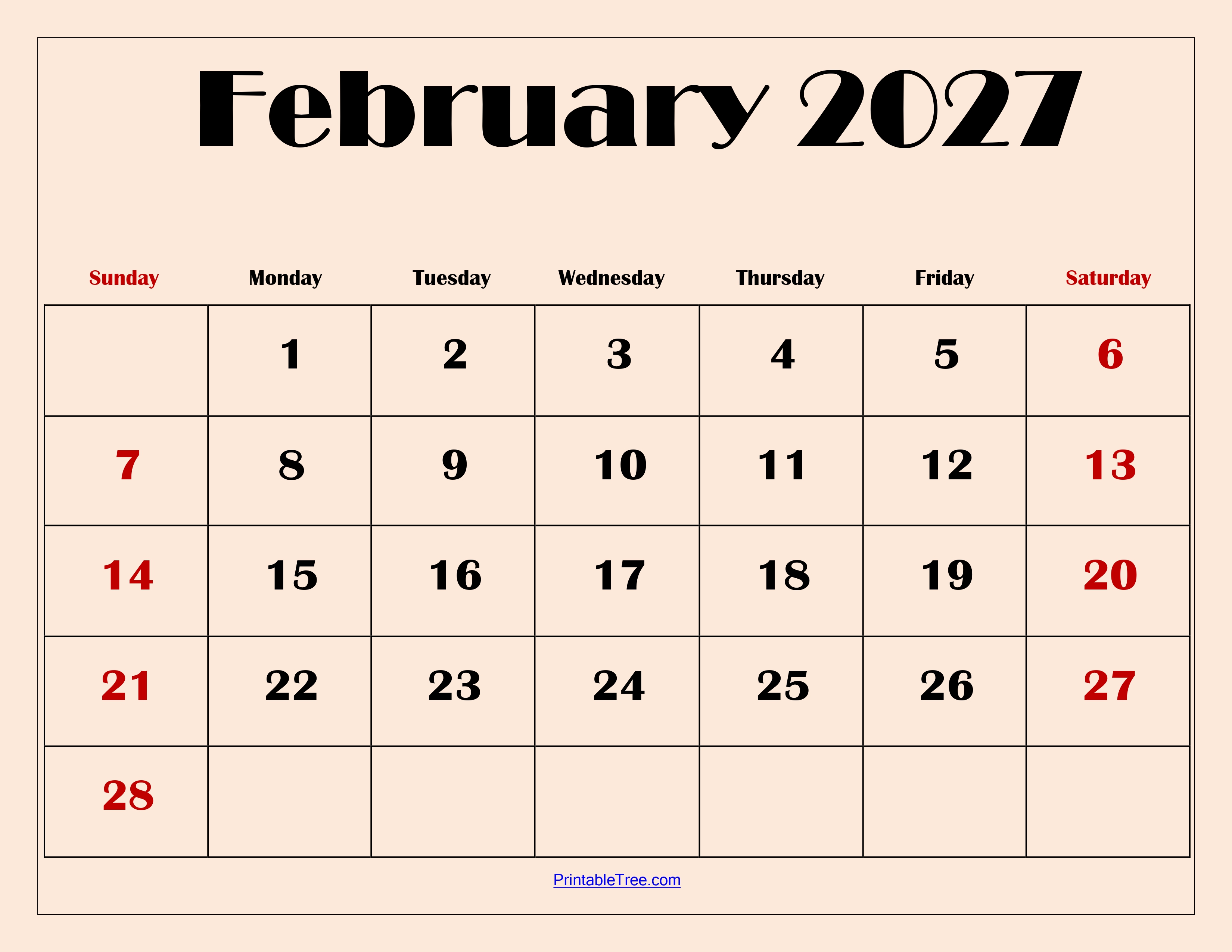
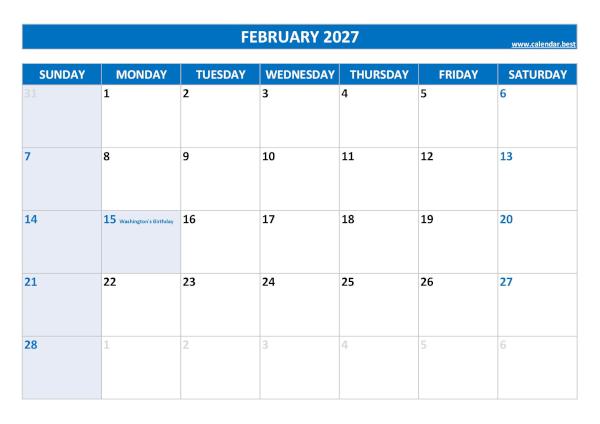
Let’s get down to the brass tacks: the actual calendar. Below is a clear layout of February 2027, highlighting the significant days. Use this as your immediate reference point for scheduling.
| Sunday | Monday | Tuesday | Wednesday | Thursday | Friday | Saturday |
|---|---|---|---|---|---|---|
| 1 | 2 | 3 | 4 | 5 | 6 (Lunar New Year’s Day) |
|
| 7 | 8 | 9 | 10 | 11 | 12 | 13 |
| 14 (Valentine’s Day) |
15 | 16 | 17 | 18 | 19 | 20 |
| 21 | 22 | 23 | 24 | 25 (EDSA People Power Revolution Anniversary) |
26 | 27 |
| 28 |
Spotlight on February 2027 Philippines Holidays: What You Need to Know
While February 2027 doesn’t feature an overwhelming number of mandatory nationwide public holidays, the two key dates we’ve identified carry significant weight. Understanding their nature and impact is crucial for planning.
February 6, 2027: Lunar New Year’s Day (Chinese New Year)
This is a big one, even if it’s not always declared a ‘Regular Holiday’ for all. The Philippines has a vibrant and influential Chinese-Filipino community, and Lunar New Year is a time of immense cultural celebration. In 2027, it falls on a Saturday, which naturally lessens its impact on typical workdays, but it doesn’t diminish the festivities.
- Cultural Significance: It marks the beginning of the new year in the traditional lunisolar Chinese calendar. It’s a time for family reunions, gift-giving (especially red envelopes known as ang pao), traditional foods like tikoy (sticky rice cake), and dragon or lion dances for good luck and prosperity.
- Impact on Travel & Business: Expect lively celebrations in Chinatowns (like Binondo in Manila) and other areas with significant Chinese populations. Some businesses, particularly those owned by Chinese-Filipinos, might observe closures or modified hours, even on a Saturday. Traffic in celebration hotspots can be heavy. If you’re traveling, it’s a fantastic opportunity to experience a unique cultural event, but be mindful of crowds and potential closures of specific establishments.
- Status: Often declared a ‘Special Non-Working Day’ by presidential proclamation, but sometimes not. Even when not an official non-working day, its cultural impact is undeniable. As of now, for 2027, it’s safe to assume widespread cultural observance and some local business impact.
February 25, 2027: EDSA People Power Revolution Anniversary
This date commemorates a pivotal moment in Philippine history—the non-violent revolution that took place in 1986, which ultimately led to the ousting of a dictator and the restoration of democracy. It’s a day of reflection and national pride.
- Historical Significance: The EDSA Revolution (named after Epifanio de los Santos Avenue, where much of it transpired) is a powerful symbol of Filipino unity and peaceful resistance. It’s a day for remembering the fight for freedom and the sacrifices made.
- Impact on Travel & Business: The EDSA People Power Revolution Anniversary is consistently declared a Special Non-Working Day. This means government offices, banks, and many private companies will likely be closed. Public transportation might have reduced schedules, and some services could be limited. For travelers, this means planning ahead for transport and securing any necessary supplies. While there aren’t usually large-scale public festivities like the Lunar New Year, there might be commemorative events or small rallies, particularly around the EDSA Shrine in Quezon City.
- Status: Typically a Special Non-Working Day. This implies that while employees are not required to work, if they do, the standard pay rules apply (no special holiday premium unless specified by company policy).
Understanding Philippine Holiday Classifications: More Than Just a Day Off
One of the most important distinctions you’ll need to grasp when dealing with Philippine holidays is that they aren’t all created equal. The classification of a holiday directly impacts business operations, labor laws, and what you, as a traveler or planner, can expect. The Department of Labor and Employment (DOLE) sets these guidelines.
Regular Holidays
These are your major, nationwide holidays. Think New Year’s Day, Holy Week (Good Friday, Easter Sunday), Labor Day, Christmas Day, etc. They are officially observed, and come with specific labor rules for employees who work on these days, often involving premium pay (e.g., 200% of their regular daily wage).
- Impact: Expect widespread closures of government offices, banks, and many private businesses. Public transportation may operate on a holiday schedule. Tourist attractions generally remain open but might be crowded.
- Examples: New Year’s Day, Araw ng Kagitingan (Day of Valor), Independence Day, National Heroes Day, Bonifacio Day, Christmas Day.
Special Non-Working Days
These holidays are also nationwide but carry different implications, primarily regarding labor compensation. Employees who work on a Special Non-Working Day are typically paid their regular daily wage plus a 30% premium. If they don’t work, they generally don’t get paid, unless company policy states otherwise.
- Impact: Many government offices, banks, and private establishments will still close, but some businesses (especially in retail, hospitality, and essential services) may remain open. It’s less disruptive than a Regular Holiday but still requires planning.
- Examples: EDSA People Power Revolution Anniversary, All Saints’ Day, Ninoy Aquino Day, sometimes Lunar New Year (if declared as such).
Special Working Days
These are declared holidays where work is not suspended, and normal operations are expected. The declaration often serves a commemorative or educational purpose rather than granting a day off.
- Impact: Minimal impact on business operations or travel. Schools and offices generally remain open, and public services operate as usual. It’s more of a day of remembrance or special observation.
- Examples: First Philippine Republic Day (January 23rd).
Here’s a quick comparative table to help you differentiate:
| Holiday Type | Status in February 2027 | Typical Business/Service Impact | Labor Compensation (for working) |
|---|---|---|---|
| Regular Holiday | None in Feb 2027 | Widespread closures (banks, government, many private offices) | 200% of regular wage |
| Special Non-Working Day | Lunar New Year’s Day (Feb 6, Saturday) – *Cultural observance, potentially declared special non-working; less impact on workweek due to Saturday. EDSA People Power Revolution Anniversary (Feb 25, Thursday) – *Likely declared special non-working.* | Many offices and banks closed; some businesses open with reduced staff. | 130% of regular wage (for employees who work) |
| Special Working Day | None directly in Feb 2027. | Normal operations expected; work not suspended. | Regular wage |
Planning Your February 2027 Trip or Business in the Philippines? Essential Tips
Knowing the holidays is just the first step. Here’s how to integrate that knowledge into practical planning, whether you’re exploring the islands or managing remote teams.
For Travelers:
- Embrace the Festivities: If you’re in an area with a strong Chinese-Filipino community on February 6th, dive into the Lunar New Year celebrations! It’s a fantastic cultural experience. Just be prepared for crowds, especially in Manila’s Binondo district.
- Book Ahead: February is peak dry season, so flights and popular accommodations fill up quickly regardless of holidays. Factor in any potential increase in domestic travel around the EDSA People Power Revolution Anniversary (if locals take extended weekends).
- Transportation Nuances: On February 25th, expect potential changes to public transportation schedules (buses, trains, ferries). Check local advisories. Ride-sharing apps typically operate but might experience higher demand and surge pricing.
- Banking & Services: On February 25th, banks and government services (like immigration offices) will be closed. Plan your cash withdrawals and any official transactions accordingly. ATMs are generally available, but ensure you have enough cash for smaller vendors.
- Restaurant & Retail: While many malls and major restaurant chains will remain open on both significant dates, smaller, family-owned establishments might close, particularly on Lunar New Year. Have backup plans for dining.
For Businesses & Remote Workers:
- Communicate Clearly: If you have teams or partners in the Philippines, establish clear communication regarding holiday schedules well in advance. Confirm which offices or teams will observe the Special Non-Working Day on February 25th.
- Adjust Deadlines: Factor in the non-working day on February 25th when setting project deadlines or expecting deliverables. It’s better to build in a buffer than to be caught off guard.
- Payment Schedules: If you handle payroll or invoicing to/from the Philippines, remember that banks will be closed on February 25th. Adjust your payment processing dates to avoid delays. The Bangko Sentral ng Pilipinas (BSP), the central bank, will also observe these closures.
- Customer Service: If your business provides customer support or services to the Philippines, ensure you have adequate staffing or communicate expected delays during the non-working day.
- Local Customs: Acknowledge Lunar New Year even if your business doesn’t formally close. A simple greeting or understanding of local celebrations can go a long way in fostering good relationships.
What to Expect: Atmosphere & Celebrations in February
February in the Philippines offers a mix of festive energy and solemn remembrance. The weather is generally sunny and pleasant, making it ideal for outdoor activities and island hopping.
- Lunar New Year (February 6): In cities like Manila, Cebu, and Davao, the air will be thick with the scent of incense, firecrackers (though regulated in some areas), and the sound of gongs and drums accompanying dragon and lion dances. Families gather for elaborate feasts, and many observe traditions meant to bring good fortune. You’ll see plenty of red decorations, symbolizing luck and prosperity.
- Valentine’s Day (February 14): While not a holiday, Valentine’s Day is widely celebrated with enthusiasm, particularly among younger Filipinos. Restaurants will be busy, florists will be in demand, and romantic gestures are common.
- EDSA People Power Revolution Anniversary (February 25): This day is typically more subdued. You might see documentaries or news features on TV recounting the events of 1986. Commemorative events, often involving government officials and civic groups, will take place at historical sites. It’s a day of quiet reflection and national pride rather than overt festivity.
Overall, February is a fantastic time to visit, offering a blend of cultural immersion and comfortable travel conditions. Just be mindful of these key dates to maximize your experience.
Beyond February: Looking Ahead to 2027 Philippines Holidays
While our focus is squarely on February, it’s always smart to have a wider view for your longer-term planning. The Philippine holiday calendar is rich and diverse, reflecting its unique history and cultural tapestry. Knowing what’s coming up can help you strategize future visits or business operations.
Here’s a glimpse at some of the major national holidays you can expect throughout the rest of 2027. Keep in mind that specific dates for some observances, especially those tied to the lunar calendar (like Eid al-Fitr or Eid al-Adha) or some local proclamations, are subject to official announcements closer to the date.
| Date (2027) | Holiday Name | Classification | General Impact |
|---|---|---|---|
| January 1 | New Year’s Day | Regular Holiday | Widespread closures |
| March 25 | Maundy Thursday | Regular Holiday | Widespread closures (part of Holy Week) |
| March 26 | Good Friday | Regular Holiday | Widespread closures (part of Holy Week) |
| March 27 | Black Saturday | Special Non-Working Day | Many offices closed, some businesses open |
| March 28 | Easter Sunday | Ordinary Day / No Special Status | Normal operations, but widely observed culturally |
| April 9 | Araw ng Kagitingan (Day of Valor) | Regular Holiday | Widespread closures |
| May 1 | Labor Day | Regular Holiday | Widespread closures |
| June 12 | Independence Day | Regular Holiday | Widespread closures |
| August 21 | Ninoy Aquino Day | Special Non-Working Day | Many offices closed |
| August 30 | National Heroes Day | Regular Holiday | Widespread closures |
| November 1 | All Saints’ Day | Special Non-Working Day | Many offices closed, heavy travel |
| November 2 | All Souls’ Day | Special Working Day / No Special Status | Normal operations, but traditionally observed |
| November 30 | Bonifacio Day | Regular Holiday | Widespread closures |
| December 8 | Feast of the Immaculate Conception of Mary | Special Non-Working Day | Many offices closed |
| December 25 | Christmas Day | Regular Holiday | Widespread closures |
| December 30 | Rizal Day | Regular Holiday | Widespread closures |
| December 31 | Last Day of the Year | Special Non-Working Day | Many offices closed |
It’s worth noting that the specific official list of holidays for 2027 is usually finalized and declared by the Philippine President late in the preceding year (e.g., late 2026). Always refer to official government sources like the Department of Tourism (Philippines) or the Official Gazette of the Republic of the Philippines for the most up-to-date information.
Conclusion: Your February 2027 Philippines Adventure Awaits!
Navigating the calendar in a new country can seem daunting, but with this detailed guide, you’re now equipped to confidently plan your February 2027 experience in the Philippines. You understand that February brings not only beautiful weather but also two key dates – Lunar New Year’s Day on the 6th and the EDSA People Power Revolution Anniversary on the 25th – each with its own cultural significance and practical implications.
Remember, the Philippines is a country of warm smiles, stunning landscapes, and rich traditions. By respecting its holidays and preparing accordingly, you’re not just avoiding logistical headaches; you’re showing appreciation for its culture and making your journey or business operations all the more successful. Go forth and plan, knowing you’re well-informed!
Frequently Asked Questions
What are the main holidays in the Philippines for February 2027?
For February 2027, the two main observances are Lunar New Year’s Day (Chinese New Year) on Saturday, February 6, and the EDSA People Power Revolution Anniversary on Thursday, February 25. Lunar New Year is a significant cultural celebration, while EDSA People Power Revolution Anniversary is typically a Special Non-Working Day.
Is Lunar New Year a public holiday in the Philippines in February 2027?
Lunar New Year’s Day on February 6, 2027, is widely celebrated culturally, particularly within Chinese-Filipino communities. While it can sometimes be declared a Special Non-Working Day by presidential proclamation, it is not consistently a mandatory public holiday for all. As it falls on a Saturday in 2027, its impact on typical workdays is naturally reduced, but expect festivities in major cities.
How does the EDSA People Power Revolution Anniversary on February 25, 2027, affect operations?
The EDSA People Power Revolution Anniversary is almost always declared a Special Non-Working Day. This means most government offices and banks will be closed. Many private businesses may also close or operate with reduced staff. Public transportation might have adjusted schedules. Travelers should plan ahead for banking needs and transportation, while businesses should adjust deadlines and communication.
What’s the difference between a Regular Holiday and a Special Non-Working Day in the Philippines?
A Regular Holiday is a mandatory day off with specific rules for premium pay if an employee works (typically 200% of their regular wage), leading to widespread closures. A Special Non-Working Day also often results in closures, but if an employee works, they are usually paid their regular wage plus a 30% premium. If they don’t work, they generally don’t get paid unless company policy dictates otherwise. Regular Holidays have a greater impact on nationwide closures.
What is the best way for a US traveler to plan around Philippine holidays in February 2027?
For US travelers, it’s advisable to book flights and accommodations well in advance as February is peak season. Be aware of potential closures of banks and government services on February 25th, and plan for cash needs. Embrace the cultural festivities of Lunar New Year if you’re in an area celebrating it, and anticipate potential traffic or crowded areas. Always have backup plans for dining and transportation, especially on the 25th.
Where can I find the official list of Philippine holidays for 2027?
The official list of holidays for 2027 is typically declared by the Philippine President through a proclamation late in the preceding year (e.g., late 2026). You should refer to official government sources such as the Official Gazette of the Republic of the Philippines or the Department of Tourism (Philippines) for the most accurate and up-to-date information.