Your Definitive Guide to the February 2026 Full Moon: The Snow Moon
Ever gazed up at the night sky, mesmerized by the sheer brilliance of a full moon? There’s a raw, undeniable magic to it, a cosmic spotlight that can stir something ancient within us. If you’re marking your calendar for the next spectacular lunar event, you’re in the right place. We’re diving deep into the Full Moon of February 2026, commonly known as the Snow Moon, ensuring you have every detail to witness its splendor.
So, let’s cut straight to it:
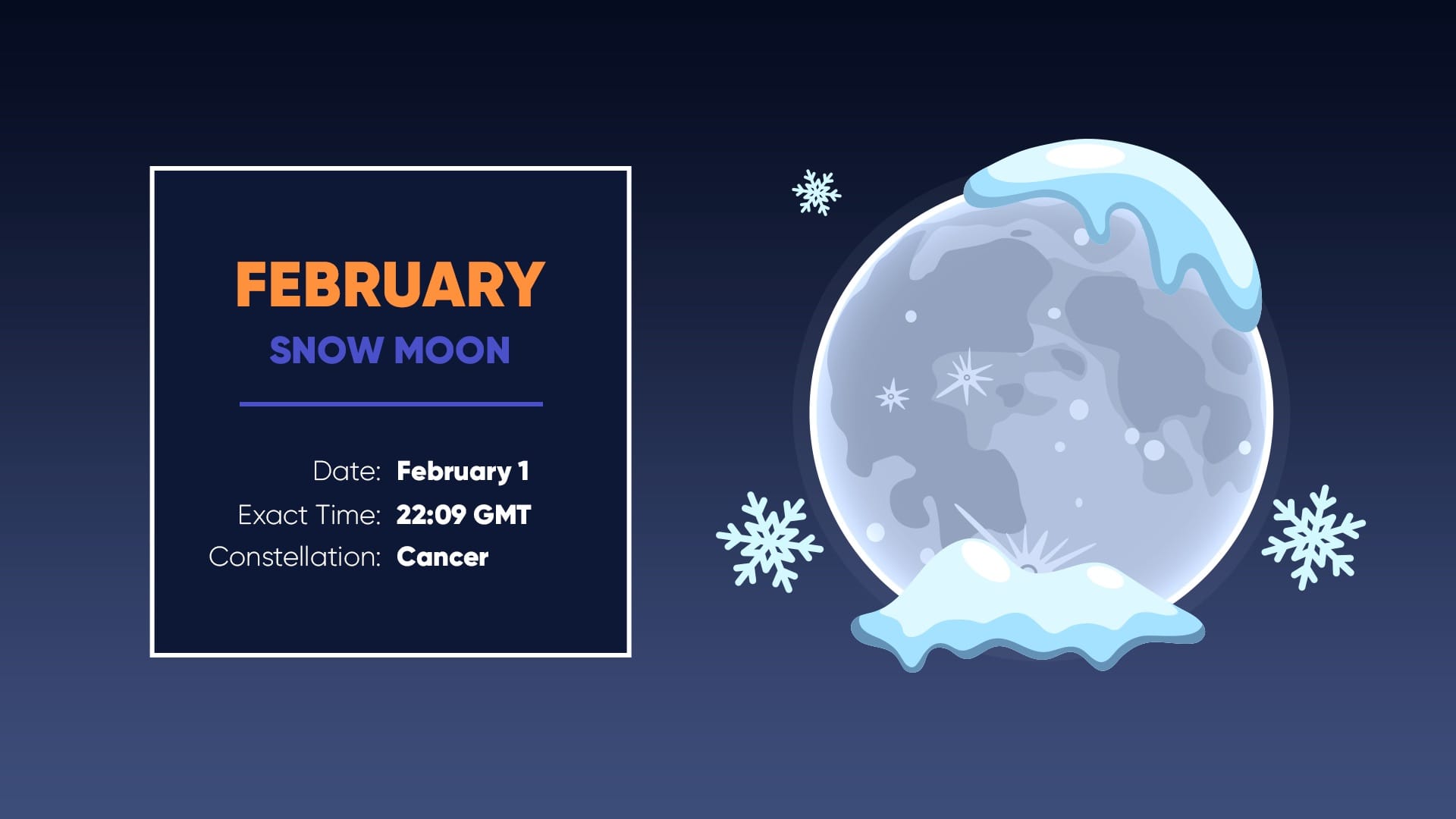
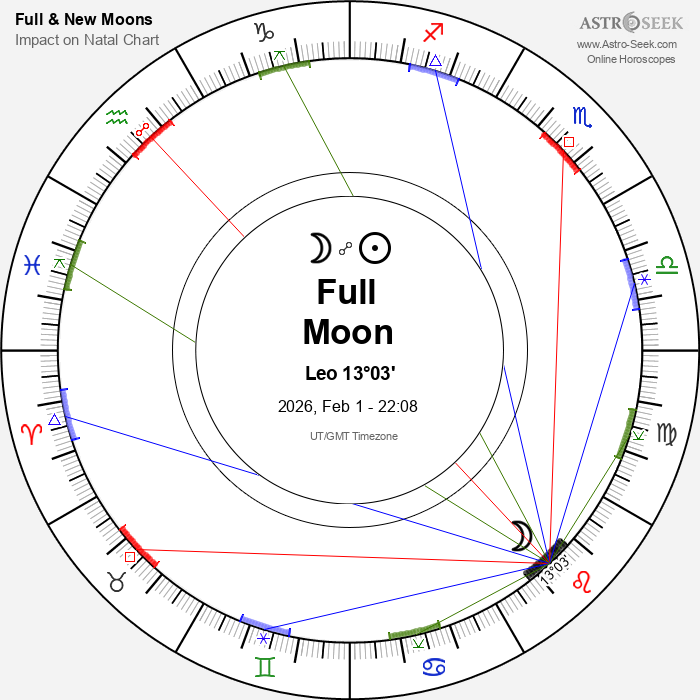
The February 2026 Full Moon, the Snow Moon, will reach its peak illumination on Sunday, February 1, 2026, at 5:09 PM Eastern Standard Time (EST). For our friends on the West Coast, that’s 2:09 PM Pacific Standard Time (PST). Mark your calendars, set your reminders, and prepare for a celestial treat!
When to Witness the February 2026 Full Moon Across the USA
While the exact moment of peak illumination is a scientific pinpoint, the Moon will appear gloriously full for about three days around this time – roughly from Saturday evening, January 31st, to Tuesday morning, February 3rd. But for the purest, brightest view, aiming for that peak moment is key.
The Official Date and Time (Peak Illumination)
In the contiguous United States, the peak of the February 2026 Full Moon occurs during daylight hours for many. This doesn’t mean you can’t see it! It simply means the *exact moment of 100% illumination might be when the sun is still up, but the Moon will rise as a fully illuminated orb shortly after sunset, making for a breathtaking evening display. For observers on the East Coast, the Moon will rise shortly after 5:09 PM EST, appearing strikingly full as it ascends.
Your Full Moon Viewing Cheat Sheet: US Time Zones
To make sure everyone across the diverse landscapes of the United States knows exactly when to look up, here’s a handy table with the peak illumination times for all major US time zones:
| US Time Zone |
Date |
Peak Illumination Time (Local) |
| Eastern Standard Time (EST) |
Sunday, Feb 1, 2026 |
5:09 PM |
| Central Standard Time (CST) |
Sunday, Feb 1, 2026 |
4:09 PM |
| Mountain Standard Time (MST) |
Sunday, Feb 1, 2026 |
3:09 PM |
| Pacific Standard Time (PST) |
Sunday, Feb 1, 2026 |
2:09 PM |
| Alaska Standard Time (AKST) |
Sunday, Feb 1, 2026 |
1:09 PM |
| Hawaii Standard Time (HST) |
Sunday, Feb 1, 2026 |
12:09 PM |
Remember, while the precise moment of ‘fullness’ might be during the day for some, the Moon’s appearance in the sky after sunset will be virtually indistinguishable from its absolute peak for the entire evening. So, don’t worry if you miss the exact second!
Unpacking the “Snow Moon”: Why February’s Full Moon Has Its Name
Each full moon throughout the year carries a unique name, steeped in folklore, history, and seasonal observation. February’s full moon is perhaps one of the most evocative: the Snow Moon. It’s not hard to guess why.
The Native American Roots
The names we commonly use for full moons today largely originate from the traditions of various Native American tribes, particularly those from the Northeastern United States. These names were practical, serving as a lunar calendar to track the changing seasons and agricultural cycles.
For February, the name “Snow Moon” makes perfect sense. February typically brings the heaviest snowfall of the year across much of North America. The landscape transforms into a vast, white blanket, and travel becomes difficult. Hunting was challenging, and survival often depended on stored provisions. This moon symbolized the harsh, barren conditions of late winter, a time of scarcity and stark beauty.
Other Intriguing Names for February’s Full Moon
While “Snow Moon” is the most popular, other cultures and tribes had their own descriptive names for February’s full moon:
- Hunger Moon: This name, used by some tribes, directly reflects the scarcity of food during this deep winter month when hunting was difficult and stored provisions might be running low. It’s a stark reminder of nature’s challenges.
- Storm Moon: Emphasizing the fierce winter storms that often rage in February, bringing heavy snow and biting winds.
- Bear Moon: Some Algonquin tribes referred to it as the Bear Moon, noting the time when bear cubs are typically born in their dens, or when bears begin to stir from hibernation.
- Chaste Moon: In some European traditions, this name reflects the purity and cleansing associated with the late winter period, preceding the vibrant spring.
Each name offers a fascinating glimpse into how different societies observed and interacted with the natural world, using the Moon as their guiding clock.
Beyond the Hype: What Makes a Full Moon “Full”?
We often talk about the full moon as a single event, but what’s really happening up there?
A Celestial Dance
A full moon occurs when the Moon is precisely opposite the Sun in its orbit, as viewed from Earth. At this point, the entire face of the Moon that is visible from Earth is illuminated by the Sun’s light. It’s a perfect alignment where Earth is essentially caught between the Sun and the Moon.
Is It Really “Full” for Days?
Scientifically, the Moon is only ‘full’ for an instant – the exact moment of peak illumination (as listed in our table above). However, to the naked eye, the Moon appears completely full for approximately three days centered around this peak. The slight difference in illumination before and after the peak is imperceptible without specialized equipment. So, if you catch it the night before or the night after February 1st, 2026, you’ll still be treated to a magnificent spectacle.
The Science Behind the Shine
The Moon itself doesn’t emit light. What we see is sunlight reflecting off its surface. During a full moon, the angle of reflection is such that the maximum amount of sunlight bounces back towards Earth, making it appear incredibly bright and sometimes even casting shadows on the ground.
How to Best Observe the February 2026 Snow Moon
Even though February can be chilly, the Snow Moon offers a unique viewing experience. Its brightness against a stark, winter sky can be truly stunning. Here’s how to make the most of it:
Finding Your Perfect Viewing Spot
- Minimize Light Pollution: The brighter the moon, the less impacted it is by light pollution compared to fainter celestial objects. However, for the clearest, most crisp view, try to get away from city lights if possible. A local park, open field, or even your backyard if it’s relatively dark can work wonders.
- Check the Weather: This is crucial for February! Clear skies are your best friend. Cloud cover will obstruct your view, and winter storms can quickly move in. Keep an eye on local forecasts in the days leading up to February 1st.
- Consider Your Horizon: If you want to see the moonrise, find a spot with an unobstructed view of the eastern horizon. The moon can appear larger and more dramatic when it’s low in the sky, an effect known as the “moon illusion.”
Essential Viewing Gear (or Lack Thereof)
- Naked Eye: The full moon is one of the most accessible celestial events. You need no special equipment to enjoy its grandeur. Just step outside and look up!
- Binoculars: For a more detailed look, a pair of standard binoculars (e.g., 7×50 or 10×50) will reveal some of the Moon’s craters and seas with surprising clarity. It’s a fantastic way to enhance the experience without breaking the bank.
- Telescope: If you’re a serious stargazer, a telescope will, of course, offer the most magnified and detailed views. However, be aware that a full moon can be too* bright through a telescope, sometimes causing glare. A moon filter can help reduce this intensity for more comfortable viewing.
Capturing the Moment: Photography Tips for Moongazers
Want to photograph the majestic Snow Moon? Here are a few pointers:
- Use a Tripod: Essential for sharp images, especially with longer exposures or telephoto lenses.
- Manual Settings: Forget auto mode. Set your camera to manual (M) and adjust ISO (start low, like 100-400), aperture (f/8-f/11 for sharpness), and shutter speed (experiment, but often faster than you’d think, e.g., 1/125 to 1/250 sec).
- Telephoto Lens: The Moon will still appear small even with a decent telephoto lens. The longer the focal length, the better.
- Focus Manually: Autofocus can struggle with the Moon. Use live view and zoom in to manually focus for crisp results.
Safety First: Cold Weather Advice
Since this is a February event, dress warmly! Layer up with hats, gloves, scarves, and insulated coats. A hot beverage can also enhance your outdoor viewing comfort. Don’t let the cold cut short your celestial experience.
The February Full Moon in Lore and Culture
Beyond its scientific precision, the full moon holds a powerful place in human culture, inspiring myths, rituals, and reflections for millennia. The Snow Moon, with its association with the deepest part of winter, often carries themes of:
Ancient Beliefs and Modern Interpretations
- Survival and Resilience: Historically, this was a time when communities relied on their stores and their ability to endure. The Snow Moon can be seen as a symbol of our own resilience in challenging times.
- Quiet Contemplation: The stark, quiet beauty of a snowy landscape under a bright moon can evoke feelings of peace and introspection. It’s a time for quiet reflection before the burst of spring energy.
- Spiritual Renewal: For many, the full moon is a time for releasing what no longer serves them and setting intentions. The Snow Moon, marking the end of winter’s grip, can be a potent time for shedding old habits and preparing for new beginnings.
Full Moon Rituals and Reflections
While not everyone follows ancient rituals, the full moon is an excellent time for personal reflection:
- Moon Gazing: Simply step outside, breathe deeply, and appreciate the Moon’s beauty. Let its light wash over you.
- Journaling: Use the powerful energy of the full moon to write down your thoughts, release what’s holding you back, and set intentions for the coming month.
- Quiet Meditation: Spend some time in quiet contemplation, either indoors with a view of the moon or bundled up outside.
- Connect with Nature: If weather permits, a quiet walk under the moonlight can be a grounding experience.
What Other Lunar Events Are Happening in February 2026?
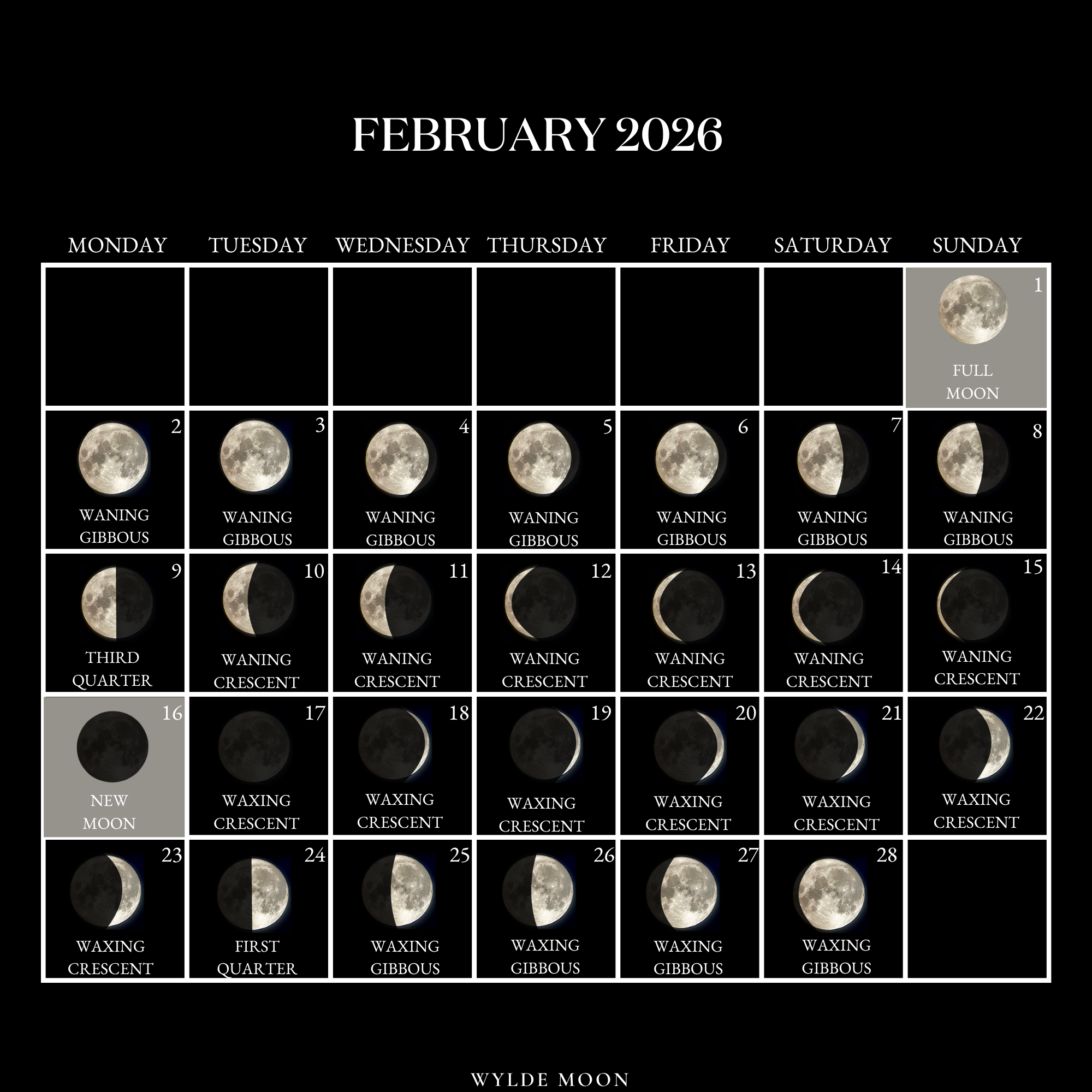
While the Full Snow Moon is undoubtedly the highlight, February 2026 will feature the entire cycle of lunar phases. Understanding these helps you appreciate the full journey of our celestial neighbor:
- Full Moon: Sunday, February 1st (as discussed)
- Third Quarter Moon: Monday, February 9th
- New Moon: Monday, February 16th
- First Quarter Moon: Monday, February 23rd
Each phase offers a different visual and often carries its own cultural significance, but the full moon remains the most visually striking.
Looking Ahead: The Next Full Moons of 2026
Don’t want to miss another full moon in 2026? Here’s a sneak peek at the full moons immediately following the Snow Moon, so you can keep your lunar calendar updated:
| Month |
Full Moon Name |
Date (USA) |
| March 2026 |
Worm Moon |
Tuesday, March 3rd |
| April 2026 |
Pink Moon |
Wednesday, April 1st |
Final Thoughts
The February 2026 Full Moon, the majestic Snow Moon, is more than just an astronomical event; it’s a connection to centuries of human observation, cultural traditions, and personal reflection. Whether you’re a seasoned stargazer or simply someone who appreciates the beauty of the night sky, take a moment on February 1st, 2026, or the evenings around it, to look up. Let the brilliance of the Snow Moon inspire you, reminding you of the enduring cycles of nature and the timeless wonders above.
Frequently Asked Questions
What is the exact date and time of the Full Moon in February 2026 in the USA?
The February 2026 Full Moon, known as the Snow Moon, will reach its peak illumination on Sunday, February 1, 2026, at 5:09 PM Eastern Standard Time (EST). Times vary by US time zone: CST (4:09 PM), MST (3:09 PM), PST (2:09 PM), AKST (1:09 PM), HST (12:09 PM).
Why is February’s Full Moon called the “Snow Moon”?
The name “Snow Moon” originates from various Native American tribes. It reflects the typical conditions of February, which historically brings the heaviest snowfall of the year across much of North America, making travel and hunting difficult and symbolizing a period of scarcity and deep winter.
Will the February 2026 Full Moon be a Supermoon or Micromoon?
The February 2026 Full Moon is not projected to be a Supermoon (when the Moon is unusually close to Earth) or a Micromoon (when it’s unusually far). It will be a standard, magnificent full moon, appearing bright and full.
How long does the Full Moon phase last?
Astronomically, the Moon is considered ‘full’ for only an instant – the moment of peak illumination. However, to the naked eye, it appears fully illuminated for approximately three days, centered around this peak. So you have a generous window for viewing!
Are there any special astronomical events coinciding with the February 2026 Full Moon?
While the February 2026 Full Moon itself is a beautiful event, there are no major, widely predicted special astronomical conjunctions or eclipses scheduled to coincide directly with its peak illumination. It will be a classic, bright Snow Moon.
Can I see the Full Moon during the day?
Yes, you can often see the full moon during daylight hours, especially as it approaches or moves away from its peak illumination. The February 2026 Full Moon’s peak illumination occurs during daylight hours for much of the US, so you might spot it in the late afternoon sky as the sun sets and the moon rises.
What are some other names for the February Full Moon?
Besides “Snow Moon,” other traditional names for February’s full moon include “Hunger Moon” (reflecting scarcity), “Storm Moon” (due to harsh weather), “Bear Moon” (related to bear cub births or stirring from hibernation), and “Chaste Moon” (from some European traditions).