The Snow Moon in February 2026: Your Definitive Guide to Dates, Times & Celestial Wonder (EST)
Are you looking ahead to catch the celestial spectacle of the February 2026 Full Moon? You’ve come to the right place. Mark your calendars, because the Full Snow Moon will grace our skies on Sunday, February 1, 2026, reaching its peak illumination at 5:09 PM Eastern Standard Time (EST). Whether you’re an avid sky-gazer, a planner, or simply curious about the rhythms of our lunar companion, this guide is your go-to resource for everything you need to know about February’s magnificent full moon.
We’ll dive deep into the precise timing for observers across the United States, uncover the rich history behind its evocative name, explore its potential significance, and give you practical tips to make the most of this stunning lunar event. Get ready to connect with the cosmos!
When to See the Full Snow Moon in February 2026 (EST & Beyond)
Let’s get straight to the critical details you’re looking for. Knowing the exact moment of peak illumination can help you plan your viewing experience, set intentions, or simply appreciate the precise celestial mechanics at play.
The Exact Moment of Full Illumination
For those of us in the Eastern Standard Time zone, the Full Snow Moon reaches its absolute brightest point at:
- Date: Sunday, February 1, 2026
- Time: 5:09 PM EST
This translates to:
- UTC: February 1, 2026, 22:09 UTC
But what about other time zones across the United States? Don’t worry, I’ve got you covered. Here’s a quick conversion so you can pinpoint the exact moment no matter where you are:
| Time Zone |
Date of Peak Illumination |
Time of Peak Illumination |
| Eastern Standard Time (EST) |
Sunday, February 1, 2026 |
5:09 PM |
| Central Standard Time (CST) |
Sunday, February 1, 2026 |
4:09 PM |
| Mountain Standard Time (MST) |
Sunday, February 1, 2026 |
3:09 PM |
| Pacific Standard Time (PST) |
Sunday, February 1, 2026 |
2:09 PM |
| Alaska Standard Time (AKST) |
Sunday, February 1, 2026 |
1:09 PM |
| Hawaii Standard Time (HST) |
Sunday, February 1, 2026 |
12:09 PM |
It’s important to remember that while the Moon technically hits its “full” phase at a specific instant, it will appear full to the naked eye for roughly three days surrounding this moment. So, if you miss the exact peak, don’t despair—you’ll still have plenty of opportunity to witness its brilliance!
Why the “Full” Moon Appears Full for Days
You might be wondering, if there’s an exact moment of full illumination, why does the moon seem full for so long? This is simply due to the geometry of the Earth, Moon, and Sun, combined with our human perception. When the Moon is directly opposite the Sun in its orbit, we see 100% of its face illuminated. However, even 99% or 98% illumination on the days just before and after this exact alignment looks completely full to our eyes.
The Moon’s orbit around Earth is an ellipse, not a perfect circle, and its path relative to the sun is also always changing slightly. This means the angle at which sunlight hits the Moon’s face, as viewed from Earth, is always in flux. But for a few days around the full moon, that angle is so close to 180 degrees that it’s virtually indistinguishable from a true full moon. So, feel free to enjoy the “full” moon experience throughout the entire weekend of February 1st.
Unpacking the “Snow Moon”: Origins and Meanings
Every full moon carries a unique name, often rooted in the natural cycles and cultural traditions of indigenous peoples. February’s full moon is famously known as the “Snow Moon,” and its name paints a vivid picture of the harsh winter conditions historically experienced during this time.
Where Did the Name “Snow Moon” Come From?
The most widely accepted origin of the “Snow Moon” name comes from Native American tribes, particularly the Algonquin, who lived in regions where heavy snowfall was common in February. This was typically the snowiest month, making hunting and foraging extremely difficult. The name directly reflects the challenging weather conditions and the scarcity of food that characterized this mid-winter period.
It’s a poignant reminder of a time when human survival was intimately linked to the rhythms of nature, and the moon served as both a calendar and a symbol of hope (or hardship) in the long winter nights.
Alternative Names for February’s Full Moon
While “Snow Moon” is the most popular, other cultures and tribes had their own descriptive names for February’s full moon, each telling a slightly different story:
- Hunger Moon: This name, also common among some Native American tribes, emphasizes the dire scarcity of food during February. Hunting was difficult, and stored provisions were often running low by this point in winter.
- Storm Moon: Reflecting the severe winter storms, blizzards, and harsh winds that often characterize February in many parts of the Northern Hemisphere.
- Chaste Moon: From medieval European traditions, sometimes associated with purity and purification as the end of winter approached.
- Bear Moon: Some tribes referred to it as the Bear Moon, relating to the time when bear cubs are typically born in their dens, or when hungry bears begin to stir from hibernation.
- Ice Moon: Another name reflecting the prevalent icy conditions of mid-winter.
These names offer a fascinating glimpse into the diverse ways different cultures observed and interpreted the same celestial event, always connecting it to their immediate environment and seasonal challenges.
The Full Moon Calendar for February 2026 (EST)
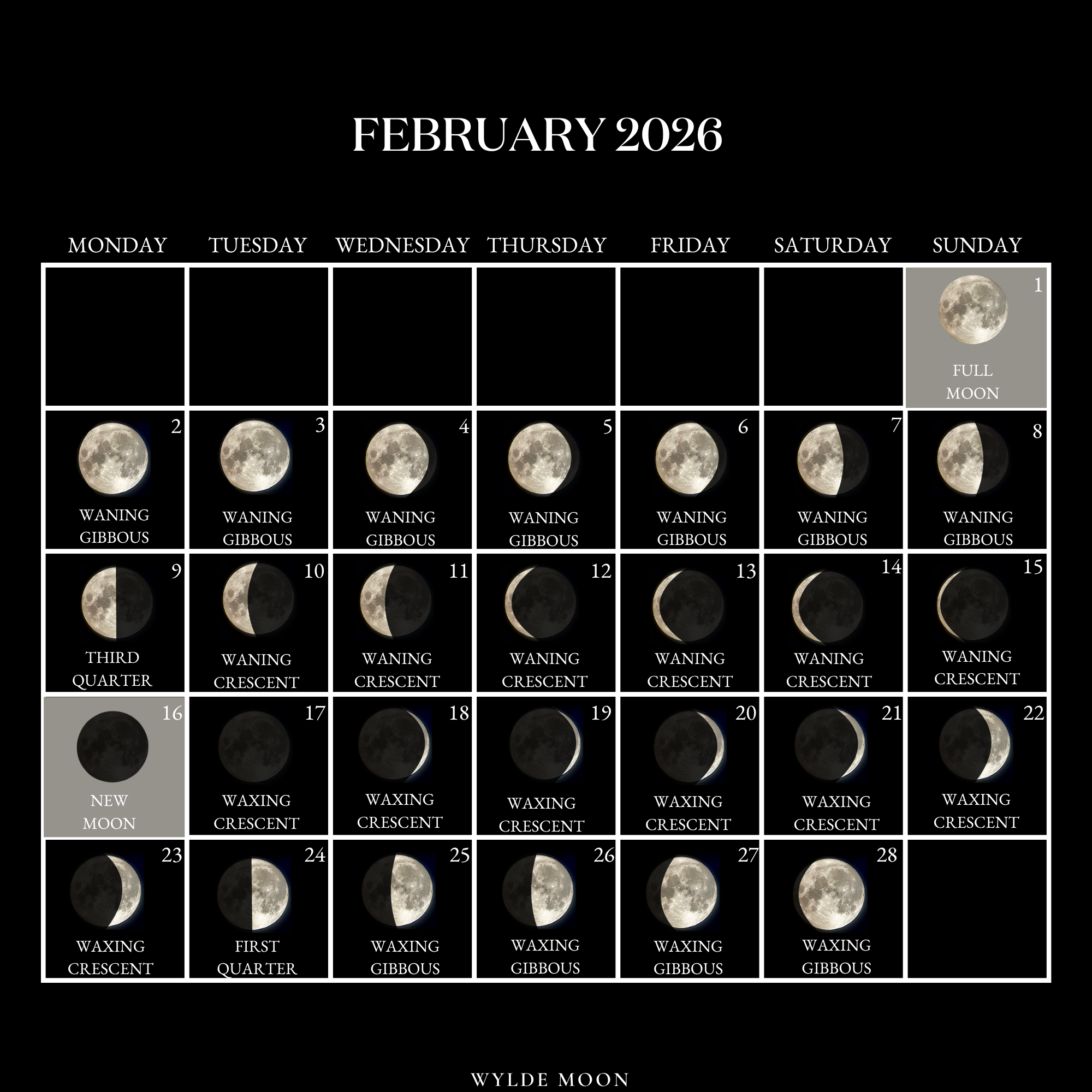
While our focus is on the full moon, it’s helpful to see where it fits within the larger cycle of lunar phases throughout February 2026. Understanding the progression of phases can deepen your appreciation for the Moon’s constant, silent journey around our planet.
A Daily Look at February’s Lunar Journey
Here’s a detailed breakdown of the major moon phases for February 2026, with all times in Eastern Standard Time (EST):
| Date |
Moon Phase |
Time (EST) |
Illumination (%) |
| February 1, 2026 |
Full Moon (Snow Moon) |
5:09 PM |
100% |
| February 9, 2026 |
Last Quarter |
9:27 AM |
50% |
| February 17, 2026 |
New Moon |
8:35 AM |
0% |
| February 24, 2026 |
First Quarter |
3:38 PM |
50% |
Key Phases Leading Up to and After the Snow Moon
The lunar cycle is a continuous dance, with each phase offering a different perspective on our natural satellite. Here’s a brief overview of what these phases mean:

- New Moon: This is when the Moon is between the Earth and the Sun, making it invisible from our perspective. It’s a time often associated with new beginnings and setting intentions. The New Moon in February 2026 is on February 17th.
- First Quarter: About a week after the New Moon, we see half of the Moon’s face illuminated, growing from right to left (in the Northern Hemisphere). This phase, occurring on February 24th, is often linked to taking action on those intentions.
- Full Moon: As we’ve discussed, this is when the entire face of the Moon is illuminated, signifying a peak or culmination. The Snow Moon on February 1st is this powerful moment.
- Last Quarter: A week after the Full Moon, we again see half of the Moon illuminated, now shrinking from right to left. The Last Quarter Moon on February 9th is a time for reflection, releasing, and preparing for the next cycle.
Understanding these phases can help you appreciate the journey of the Moon and how it influences natural tides and even, for some, human energy and emotions.
How to Best Observe the February Snow Moon
Observing a full moon is a simple yet profound experience. You don’t need fancy equipment, but a few tips can enhance your viewing pleasure.
Tips for Optimal Viewing
- Find a Clear View: The most important thing is to get away from obstructions like tall buildings or dense trees. Ideally, find an open area with a clear view of the eastern horizon around moonrise (and western for moonset).
- Minimize Light Pollution: While a full moon is bright enough to cut through some city lights, a darker sky will always offer a more spectacular view. Head to a park, a rural area, or even just your backyard if it’s relatively free of direct artificial light.
- Check the Weather: Cloud cover is the biggest enemy of lunar observation. Keep an eye on the forecast for February 1st and the surrounding evenings.
- Timing is Everything (Sort Of): While the peak illumination is 5:09 PM EST, the moon will be visibly full throughout the evening. The moonrise will be around sunset, offering a beautiful sight as it climbs above the horizon. Check a local almanac or weather app for precise moonrise and moonset times for your specific location.
- Bring Binoculars (Optional, but Recommended): If you have them, binoculars can transform your view. Even a modest pair can reveal an incredible amount of detail on the lunar surface, like craters, mountains, and the dark ‘seas’ (maria) that are otherwise just fuzzy patches to the naked eye.
What to Look For: Lunar Features and Atmospheric Effects
When you’re gazing up at the Snow Moon, take a moment to truly *see it. Here are a few things to observe:
- Craters and Maria: With binoculars, you can spot the countless craters pockmarking the Moon’s surface, remnants of ancient impacts. The darker, smoother areas are the maria (Latin for ‘seas’), vast plains of solidified basaltic lava.
- Lunar Glow and Halo: On a cold, clear winter night, the Moon’s light can be exceptionally crisp. If the conditions are right (e.g., high ice crystals in the atmosphere), you might even spot a beautiful lunar halo, a shimmering ring around the Moon. This is caused by light refracting through ice crystals, a truly magical sight.
- Color Variations: Sometimes, when the Moon is low on the horizon, it can appear reddish or orange due to the Earth’s atmosphere scattering blue light. As it rises higher, it will settle into its familiar silvery-white hue.
Cultural Traditions and Modern Practices
Beyond its scientific and observational appeal, the full moon has long been a source of inspiration for spiritual and cultural practices. Many cultures see the full moon as a time of culmination, celebration, and heightened energy.
- Reflection and Release: The full moon is an ideal time for personal reflection. Consider what you’ve achieved since the last new moon, what you’re grateful for, and what you’re ready to release or let go of as you move forward.
- Setting Intentions: While the new moon is often for setting new* intentions, the full moon is perfect for reviewing and amplifying existing ones. How close are you to achieving your goals? What adjustments need to be made?
- Nature Connection: Simply spending time outdoors under the full moon can be a grounding experience, fostering a deeper connection to the natural world.
The Astrological Significance of February’s Full Moon
For those interested in the energetic influences of the cosmos, the February 2026 Full Moon holds particular significance. With the Sun in the independent and innovative sign of Aquarius, the Full Moon will be directly opposite in the creative and expressive sign of Leo. This creates a powerful dynamic.
Full Moon in Leo: Creativity, Self-Expression, and Heart
A Full Moon in Leo brings themes of self-expression, passion, leadership, and the desire to shine. Leo is a fire sign, ruled by the Sun, embodying warmth, generosity, and confidence. When the Moon is full in Leo, it illuminates our core identity, our need for recognition, and our capacity for joy and drama.
This lunar event encourages us to:
- Embrace Our Inner Child: Reconnect with playfulness, creativity, and spontaneous joy.
- Shine Authentically: Release anything that dims your light or prevents you from expressing your true self.
- Heart-Centered Living: Focus on what truly brings you passion and love, and share that generously with the world.
- Acknowledge Achievements: Take pride in your accomplishments and allow yourself to be seen.
The opposition to the Aquarian Sun reminds us to balance our individual need for attention (Leo) with our communal responsibilities and innovative thinking (Aquarius). It’s a call to express our unique selves in ways that also serve the greater good.
Reflective Practices for the Snow Moon
With the Snow Moon’s energy, consider engaging in practices that help you integrate these themes:
- Journaling: Write about what makes you feel alive, what creative projects you want to pursue, or what fears hold you back from shining.
- Creative Expression: Whether it’s painting, writing, dancing, or even cooking, engage in an activity that allows you to express your unique spirit.
- Gratitude Ritual: Create a small ritual to express gratitude for your talents, your passions, and the love in your life.
- Release Ceremony: If there are self-doubt or negative patterns holding you back from truly expressing yourself, write them down and symbolically release them (e.g., safely burning the paper).
Beyond February: Full Moons to Watch in 2026
The Snow Moon is just one of many spectacular full moons in 2026. If you enjoy tracking these lunar events, here’s a quick reference guide to all the full moons coming your way this year, all times in Eastern Standard Time (EST):
| Month |
Full Moon Name |
Date |
Time (EST) |
| January |
Wolf Moon |
Saturday, January 3, 2026 |
5:02 AM |
| February |
Snow Moon |
Sunday, February 1, 2026 |
5:09 PM |
| March |
Worm Moon |
Tuesday, March 3, 2026 |
5:09 AM |
| April |
Pink Moon |
Wednesday, April 1, 2026 |
7:10 PM |
| May |
Flower Moon |
Friday, May 1, 2026 |
9:34 AM |
| May |
Blue Moon |
Sunday, May 31, 2026 |
5:38 PM |
| June |
Strawberry Moon |
Monday, June 29, 2026 |
2:06 AM |
| July |
Buck Moon |
Wednesday, July 29, 2026 |
1:34 PM |
| August |
Sturgeon Moon |
Thursday, August 28, 2026 |
12:13 AM |
| September |
Harvest Moon |
Saturday, September 26, 2026 |
10:38 AM |
| October |
Hunter’s Moon |
Sunday, October 25, 2026 |
9:43 PM |
| November |
Beaver Moon |
Tuesday, November 24, 2026 |
7:02 AM |
| December |
Cold Moon |
Wednesday, December 23, 2026 |
7:09 PM |
Note that 2026 features a rare event: a Blue Moon in May. A Blue Moon occurs when there are two full moons in a single calendar month, which is May 2026. This isn’t tied to the Moon’s color, but rather its rarity. Keep an eye out for more details on these special lunar events as their dates approach!
Connecting with the Cosmos in February
The Full Snow Moon in February 2026 offers a wonderful opportunity to pause, look up, and connect with the natural world around us. Whether you’re simply noting the date in your calendar, stepping outside to observe its luminous glow, or reflecting on its cultural and astrological significance, the Moon continues to inspire awe and wonder. Embrace the quiet power of this winter full moon and let its light guide you through the shortest month of the year.
Frequently Asked Questions
When is the Full Moon in February 2026 in EST?
The Full Snow Moon in February 2026 will occur on Sunday, February 1, 2026, reaching its peak illumination at 5:09 PM Eastern Standard Time (EST).
What is the name of the February 2026 Full Moon?
The February 2026 Full Moon is known as the ‘Snow Moon.’ This name originates from Native American tribes, particularly the Algonquin, who associated it with the heavy snowfall and difficult hunting conditions typically experienced in February.
Will the February 2026 Full Moon be visible for multiple days?
Yes, while the Moon reaches its exact ‘full’ phase at a specific moment, it will appear visibly full to the naked eye for approximately three days surrounding February 1, 2026. This allows for ample viewing opportunities.
Are there other names for the February Full Moon?
Absolutely! Besides ‘Snow Moon,’ it’s also known by alternative names such as the ‘Hunger Moon’ (due to food scarcity in winter), ‘Storm Moon’ (reflecting severe weather), ‘Chaste Moon,’ and ‘Bear Moon,’ among others, depending on cultural traditions.
What is the astrological significance of the February 2026 Full Moon?
The February 2026 Full Moon occurs in the astrological sign of Leo, opposing the Sun in Aquarius. This alignment highlights themes of self-expression, creativity, passion, and authenticity, encouraging a balance between individual needs and collective innovation.
What are the other moon phases in February 2026?
In February 2026, after the Full Moon on Feb 1, the Last Quarter Moon is on Feb 9 (9:27 AM EST), the New Moon is on Feb 17 (8:35 AM EST), and the First Quarter Moon is on Feb 24 (3:38 PM EST).