Full Moon February 2026 India: Your Complete Guide to the Snow Moon (Purnima)
Are you looking to pinpoint the exact moment of the Full Moon in February 2026, specifically for India, and understand its deeper meaning? You’ve landed in the right spot. Beyond just a date on the calendar, this celestial event, commonly known as the Snow Moon in the West and a significant Purnima in India, connects us to ancient traditions, natural rhythms, and breathtaking nighttime views.
Table of Contents
- Full Moon February 2026 India: Your Complete Guide to the Snow Moon (Purnima)
- When to Witness the February 2026 Full Moon in India: Exact Timings
- Time Zone Conversions for a Global Audience (USA Focus)
- The “Snow Moon”: Unpacking Its Name and Significance
- The Western ‘Snow Moon’ Tradition
- February’s Purnima in India: Cultural & Spiritual Context
- Observing the Full Moon in India: Tips for Stargazers and Photographers
- Best Practices for Viewing
- Capturing the Lunar Glow: Photography Tips
- The Broader Context: Full Moon Calendar 2026 India (Purnima Dates)
- The Science Behind the Full Moon
- Embracing the Full Moon’s Energy: Practices and Beliefs
- Spiritual & Meditative Practices
- Astrological Interpretations (Vedic & Western)
- Planning Your Lunar Journey: Why This Matters to You
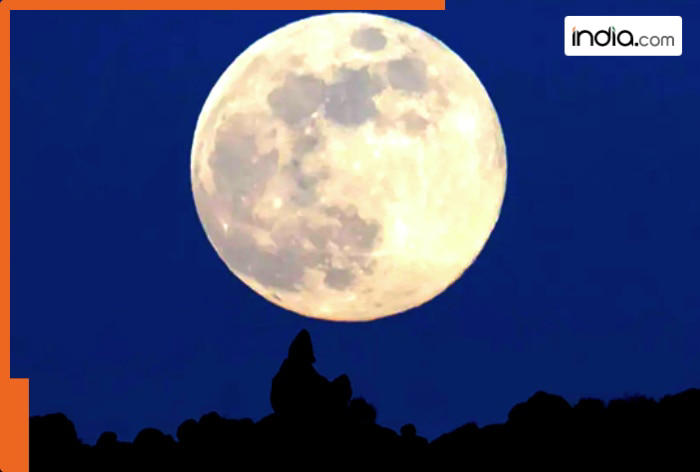
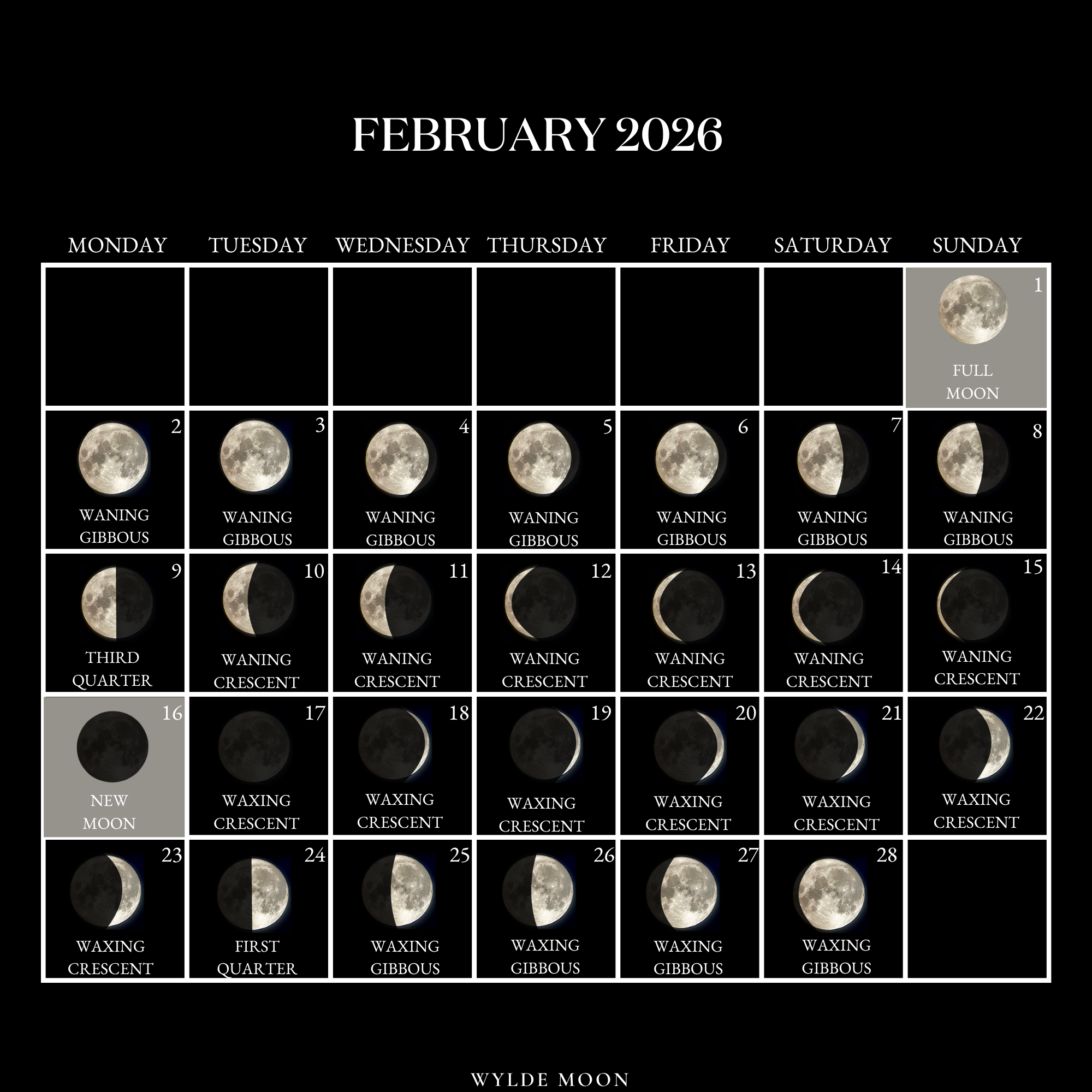
The February 2026 Full Moon occurs on Monday, February 2, 2026, at 3:39 AM Indian Standard Time (IST). For many in India, this Purnima is a time for spiritual reflection, fasting, and engaging in acts of charity. For stargazers globally, it’s a spectacular opportunity to witness the moon in its full, radiant glory.
When to Witness the February 2026 Full Moon in India: Exact Timings
Pinpointing the exact moment of a full moon is crucial for those who wish to observe it, photograph it, or align their spiritual practices with its peak. Here are the precise details for the February 2026 Full Moon in India:
| Detail | Information |
|---|---|
| Date of Full Moon | Monday, February 2, 2026 |
| Exact Time (Indian Standard Time – IST) | 3:39 AM IST |
| Western Full Moon Name | Snow Moon |
| Lunar Phase | Full Moon (Purnima) |
| General Visibility | Visible throughout India, weather permitting, as the moon rises in the evening of February 1st and sets early morning on February 2nd. |
Remember, while the peak illumination is at 3:39 AM IST on February 2nd, the moon will appear full to the naked eye for roughly a day before and after this precise moment. So, if you’re planning an evening observation on February 1st, you’ll still be treated to a magnificent spectacle.
Time Zone Conversions for a Global Audience (USA Focus)
If you’re in the United States or elsewhere globally, converting Indian Standard Time (IST) to your local time is essential for planning your observation or understanding the exact timing. India observes a single time zone, IST, which is UTC+5:30. Here’s how it translates to common US time zones:
| Time Zone | February 2026 Full Moon Time |
|---|---|
| Indian Standard Time (IST) | Monday, February 2, 2026, 3:39 AM |
| Eastern Standard Time (EST) | Sunday, February 1, 2026, 5:09 PM |
| Central Standard Time (CST) | Sunday, February 1, 2026, 4:09 PM |
| Mountain Standard Time (MST) | Sunday, February 1, 2026, 3:09 PM |
| Pacific Standard Time (PST) | Sunday, February 1, 2026, 2:09 PM |
The “Snow Moon”: Unpacking Its Name and Significance
Every full moon carries a unique name, often rooted in historical observations of nature or cultural practices. February’s full moon is widely known as the “Snow Moon,” but its significance in India through the concept of “Purnima” offers a rich, spiritual layer.
The Western ‘Snow Moon’ Tradition
The name Snow Moon primarily originates from the indigenous tribes of North America, where February historically marked the coldest and snowiest month of the year. Hunting became difficult, and survival depended heavily on stored provisions. This moon symbolized the harshness of winter, often the heaviest snowfall, and the challenges faced during this period.
- Native American Roots: Many tribes, including the Algonquin, used lunar cycles to track seasons. February’s full moon was a crucial marker of deep winter.
- European Folklore: Similar themes of scarcity and the last throes of winter are found in European traditions, sometimes associating it with hunger.
- Symbolism: The Snow Moon symbolizes resilience, introspection, and patience as nature endures its coldest period, awaiting the thaw of spring.
February’s Purnima in India: Cultural & Spiritual Context
In India, the full moon is known as Purnima (or Pournami). Purnima days hold immense spiritual significance across Hinduism, Jainism, and Buddhism. They are considered auspicious for various religious rituals, fasting, and charitable acts.
While some Purnimas are associated with major festivals (like Guru Purnima or Buddha Purnima), the February Full Moon, if it falls outside of Magha Purnima (which often occurs earlier in the Jan/Feb timeframe depending on the lunar calendar), is generally observed for its inherent sacredness. This particular Purnima in 2026 is often associated with the month of Phalguna in the Hindu lunar calendar, though its main festivals (like Holi, which is on the *next* Purnima) are yet to come.

Regardless of specific festival alignment, observing Purnima involves:
- Fasting (Vrat): Many devotees observe a fast, either partial or complete, from sunrise to moonrise or even for the entire day. This is a practice of self-purification and devotion.
- Prayers and Pujas: Special prayers (Pujas) are offered to deities, particularly Lord Vishnu and Goddess Lakshmi, or specific lunar deities. Temples often hold special ceremonies.
- Charitable Acts (Daan): Giving to the needy, feeding animals, or performing other acts of kindness are considered highly meritorious on Purnima.
- Holy Baths: Taking a dip in sacred rivers like the Ganges is believed to cleanse sins and bring spiritual merit.
- Meditation & Reflection: The calm energy of the full moon is considered ideal for meditation, introspection, and spiritual contemplation.
Across India, from the vibrant ceremonies in the south to the serene prayers in the Himalayas, the Purnima is a time when the spiritual energy is believed to be at its peak, inviting devotees to connect more deeply with their faith and inner selves.
Observing the Full Moon in India: Tips for Stargazers and Photographers
Whether you’re an amateur astronomer, a keen photographer, or simply someone who appreciates the beauty of the night sky, the February 2026 Full Moon offers a fantastic opportunity. Here’s how to make the most of your observation in India.
Best Practices for Viewing
Catching the full moon at its best requires a little planning, especially in diverse landscapes like India’s.
- Check Local Moonrise/Moonset Times: While the peak illumination is precise, the most dramatic viewing often happens during moonrise or moonset when the moon is low on the horizon. Search for your specific city’s moonrise/moonset times for February 1st and 2nd, 2026.
- Find a Dark Spot: Light pollution can severely diminish the moon’s glow. Head away from city lights if possible. Rural areas, beaches, or hill stations offer clearer views.
- Elevation Helps: If you can get to higher ground, like a rooftop or a hill, you’ll have a less obstructed view of the horizon.
- Clear Skies are Key: February can still bring misty mornings or hazy evenings in parts of India. Check local weather forecasts for clear skies.
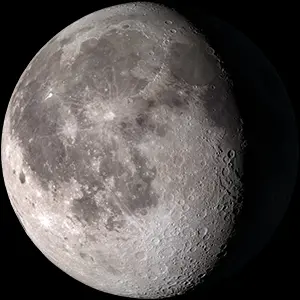
- Bring Binoculars or a Telescope: While stunning with the naked eye, binoculars will reveal lunar features, craters, and maria more clearly. A small telescope will offer even more detail.
- Comfort is Crucial: Dress warmly, bring a comfortable chair, and perhaps a hot beverage. Stargazing can be a chilly affair, even in India.
Capturing the Lunar Glow: Photography Tips
Photographing the full moon can be challenging but incredibly rewarding. Here’s how to get stunning shots:
- Equipment Matters:
- Tripod: Essential for sharp images, especially with longer exposures.
- Telephoto Lens: A lens with a focal length of 200mm or more (on a full-frame camera) will help fill the frame with the moon.
- Remote Shutter Release: Minimizes camera shake from pressing the shutter button.
- Manual Settings are Your Friend:
- Aperture: Start with a mid-range aperture (f/8 to f/11) for good depth of field.
- ISO: Keep ISO as low as possible (e.g., ISO 100-400) to minimize noise.
- Shutter Speed: The moon is brighter than you think! Start with a relatively fast shutter speed, like 1/125th to 1/250th of a second. Adjust based on your results.
- Focus: Manual focus is often best. Use Live View and zoom in to achieve sharp focus on the moon’s craters.
- Don’t Forget the Foreground: While a close-up of the moon is great, incorporating an interesting foreground (like a silhouette of a temple, trees, or city skyline) can create a more artistic and captivating image, especially during moonrise or moonset.
- Bracket Your Shots: Take multiple exposures at different settings to ensure you capture all the details, especially if you’re trying to balance the moon’s brightness with a darker foreground.
The Broader Context: Full Moon Calendar 2026 India (Purnima Dates)
Understanding the February Full Moon is even more meaningful when viewed within the context of the entire year’s lunar cycle. Here’s a quick reference for all the Full Moon (Purnima) dates in India for 2026, including their common Western names and any prominent associated Indian significance where applicable. This provides a comprehensive overview for anyone tracking lunar events in the Indian subcontinent.
| Month | Western Name | Purnima Date (IST) | Purnima Time (IST) | Associated Indian Significance/Festival (General) |
|---|---|---|---|---|
| January | Wolf Moon (Supermoon) | Saturday, January 3, 2026 | 3:33 PM | Paush Purnima (Magha Snan begins) |
| February | Snow Moon | Monday, February 2, 2026 | 3:39 AM | General Purnima observances |
| March | Worm Moon | Tuesday, March 3, 2026 | 5:08 PM | Phalguna Purnima (Holi) |
| April | Pink Moon | Thursday, April 2, 2026 | 1:22 PM | Chaitra Purnima (Hanuman Jayanti) |
| May | Flower Moon | Friday, May 1, 2026 | 11:34 PM | Vaishakha Purnima (Buddha Purnima) |
| May (Second Full Moon) | Blue Moon (Micromoon) | Sunday, May 31, 2026 | 6:01 PM | Jyeshta Purnima (Vat Purnima) |
| June | Strawberry Moon (Micromoon) | Tuesday, June 30, 2026 | 1:29 PM | Ashadha Purnima (Guru Purnima) |
| July | Buck Moon | Thursday, July 30, 2026 | 12:05 AM | Shravana Purnima (Raksha Bandhan) |
| August | Sturgeon Moon | Friday, August 28, 2026 | 9:53 AM | Bhadrapada Purnima (Pitru Paksha begins) |
| September | Corn Moon | Saturday, September 26, 2026 | 7:15 PM | Ashwin Purnima (Sharad Purnima) |
| October | Hunter’s Moon | Monday, October 26, 2026 | 4:00 AM | Kartik Purnima (Dev Deepawali, Guru Nanak Jayanti) |
| November | Beaver Moon | Tuesday, November 24, 2026 | 1:24 PM | Margashirsha Purnima (Dattatreya Jayanti) |
| December | Cold Moon | Wednesday, December 23, 2026 | 11:15 PM | Paush Purnima (general) |
The Science Behind the Full Moon
While the cultural and aesthetic aspects of the full moon are captivating, it’s equally fascinating to understand the science that drives this monthly spectacle. The full moon isn’t just a pretty sight; it’s a precise astronomical event.
- Orbital Alignment: A full moon occurs when the Earth is positioned directly between the Sun and the Moon. From our perspective on Earth, the entire face of the Moon is illuminated by the Sun’s light.
- Lunar Cycle: The Moon takes approximately 29.5 days to complete one full cycle of phases, from new moon to new moon. This is known as a synodic month.
- Not Always an Eclipse: While the Earth, Moon, and Sun are aligned during a full moon, a lunar eclipse doesn’t happen every time. This is because the Moon’s orbit is slightly tilted (about 5 degrees) relative to Earth’s orbit around the Sun. Most of the time, the Moon passes above or below Earth’s shadow.
- Perigee and Apogee: The Moon’s orbit around Earth is not a perfect circle, but an ellipse. Its closest point to Earth is called perigee, and its farthest is apogee. If a full moon occurs near perigee, it’s a Supermoon, appearing larger and brighter. If it occurs near apogee, it’s a Micromoon, appearing smaller. The February 2026 Full Moon is neither a Supermoon nor a Micromoon, falling within a regular distance from Earth.
Embracing the Full Moon’s Energy: Practices and Beliefs
Beyond its scientific explanation and cultural traditions, many people believe the full moon carries a unique energy that can influence human emotions, spirituality, and even physical states. This belief is woven into practices worldwide, and in India, it’s a deeply ingrained aspect of life.
Spiritual & Meditative Practices
The full moon is often seen as a powerful time for culmination, release, and manifestation. Here are some common practices associated with its energy:
- Mindfulness and Reflection: Many use the full moon as a time to reflect on the past month, acknowledge achievements, and release what no longer serves them.
- Meditation: Meditating under the full moon is a practice in many traditions, believed to enhance clarity, intuition, and spiritual connection.
- Gratitude Rituals: Expressing gratitude for abundance and blessings is a common practice during this lunar phase.
- Setting Intentions: While new moons are for setting new intentions, full moons are often used to review or supercharge existing goals, bringing them to fruition.
Astrological Interpretations (Vedic & Western)
Both Vedic (Indian) and Western astrology attribute significant influence to the full moon.
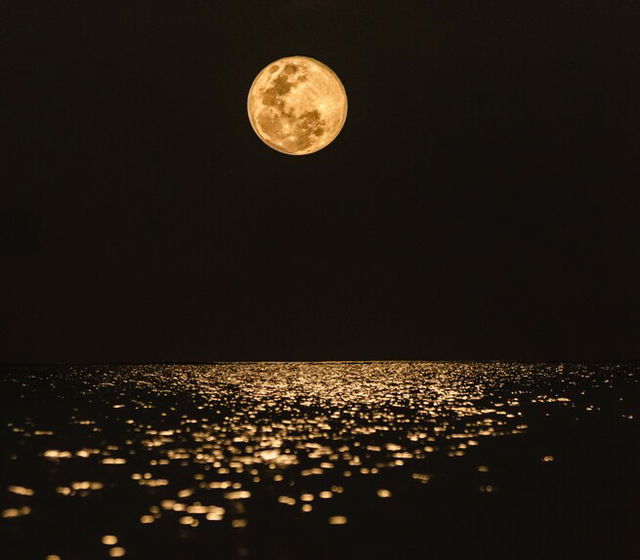
- Vedic Astrology: In Vedic astrology, the Moon (Chandra) represents the mind, emotions, and mother. A full moon, or Purnima, is when the Moon is at its most powerful and radiant. This can lead to heightened emotional states, increased intuition, and a strong pull towards spiritual pursuits. Depending on the zodiac sign the Moon is in during Purnima, its effects can vary for individuals.
- Western Astrology: Full moons are typically seen as periods of revelation, culmination, and emotional peak. They bring issues to light and can represent a turning point or a moment of realization. The specific zodiac sign the full moon falls in will color its astrological implications.
Planning Your Lunar Journey: Why This Matters to You
Whether you’re in India or observing from afar in the USA, the Full Moon in February 2026 is more than just an astronomical event. It’s an invitation to connect with a timeless rhythm that has inspired humanity for millennia. It offers a moment to pause, to look up, and to reflect on our place in the vast cosmos.
Understanding its exact timing, its Western “Snow Moon” moniker, and its profound spiritual resonance as “Purnima” in India enriches our experience. For those planning travel, or simply interested in global cultural practices, recognizing these lunar milestones provides a deeper appreciation for the world around us.
So, mark your calendars for Monday, February 2, 2026, at 3:39 AM IST. Prepare to witness a beautiful celestial display and perhaps, take a moment to engage with the ancient wisdom and spiritual practices that surround this powerful lunar phase.
Frequently Asked Questions
When is the Full Moon in February 2026 in India?
The Full Moon in February 2026 occurs on Monday, February 2, 2026, at 3:39 AM Indian Standard Time (IST).
What is the Western name for the February 2026 Full Moon?
The February 2026 Full Moon is commonly known as the ‘Snow Moon’ in Western traditions, due to its historical association with heavy snowfall in North America.
What is the significance of Purnima (Full Moon) in India?
Purnima days are highly auspicious in India across Hinduism, Jainism, and Buddhism. They are observed with fasting, prayers, charitable acts, and meditation, believed to enhance spiritual connection and self-purification.
How does the February 2026 Full Moon IST time convert to US time zones?
The February 2, 2026, 3:39 AM IST Full Moon translates to Sunday, February 1, 2026, at 5:09 PM EST, 4:09 PM CST, 3:09 PM MST, and 2:09 PM PST.
Will the February 2026 Full Moon be a Supermoon or Micromoon?
No, the February 2026 Full Moon will not be a Supermoon or Micromoon. It will occur at a regular distance from Earth.
Are there any specific festivals associated with February’s Purnima in India?
While some Purnimas align with major festivals, the February 2026 Full Moon (falling on Feb 2nd) primarily holds general Purnima observances. It’s often associated with the Phalguna lunar month, though major festivals like Holi occur on the *next* Purnima in March.
What are the best tips for observing the Full Moon?
For best viewing, find a dark spot away from city lights, check local moonrise/moonset times, use binoculars or a telescope for detail, and ensure clear skies. For photography, use a tripod, telephoto lens, and manual camera settings (low ISO, fast shutter, mid-aperture).