Unlocking the February 2026 Full Moon in Melbourne, Australia: Your Ultimate Guide to the Snow Moon Down Under
Ever felt that pull, that undeniable sense of wonder as the moon hangs heavy and bright in the night sky? There’s a magic to a Full Moon, a quiet power that transcends time zones and hemispheres. For those of you in Melbourne, Australia, or planning to be there, the February 2026 Full Moon is set to be a spectacle worth noting.
No need to search through endless calendars or cryptic astronomical charts. Here’s the definitive answer you’re looking for:
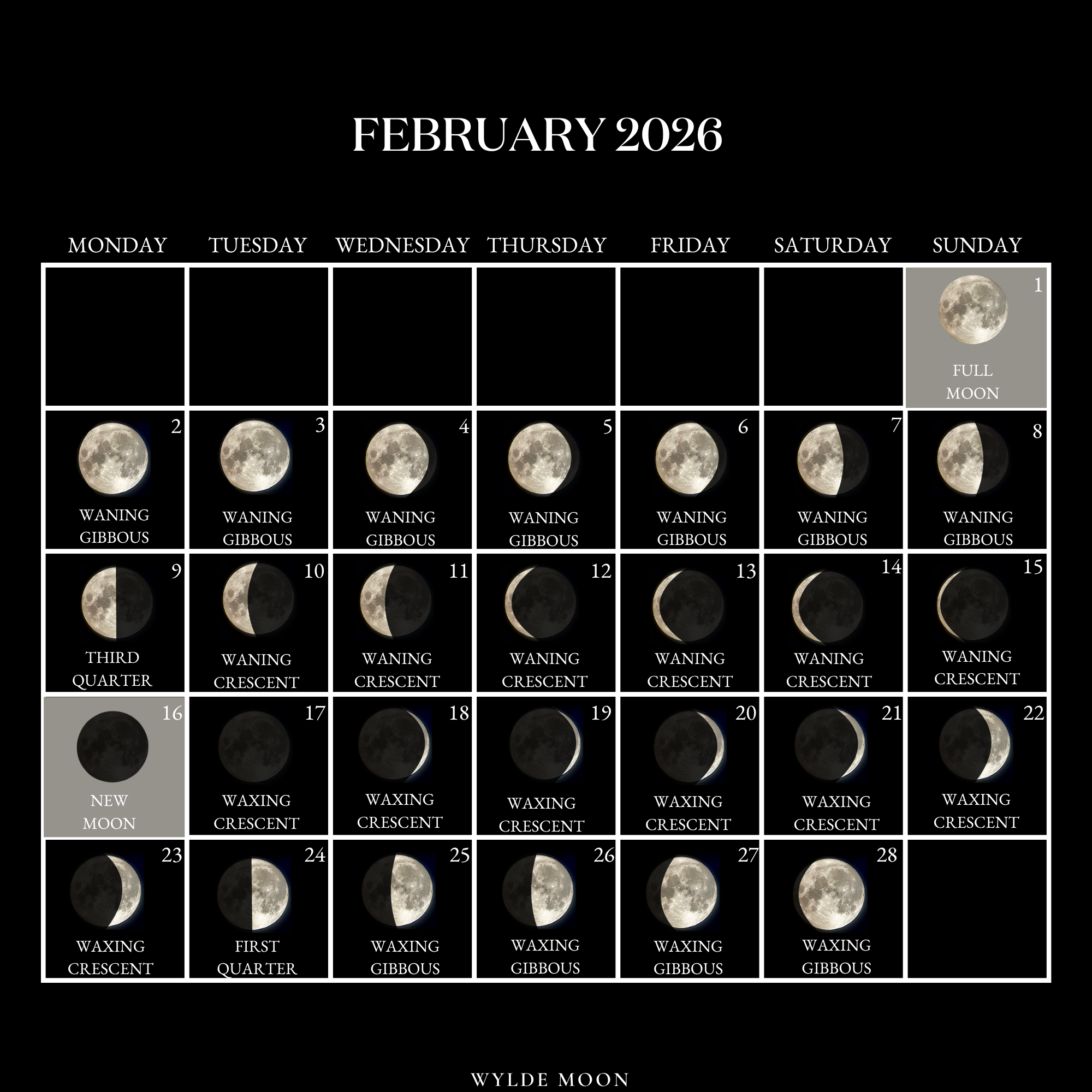
The Full Moon for February 2026 in Melbourne, Australia, will illuminate the skies on Monday, February 2nd, 2026, at 9:10 AM AEDT (Australian Eastern Daylight Time). Yes, that’s right, a morning full moon! While the precise peak of fullness occurs then, you’ll witness a spectacular near-full moon on the night of February 1st and the early hours of February 2nd.
But this isn’t just about a date and time. It’s about understanding its name, its science, and how you can truly experience this celestial event from the vibrant city of Melbourne. Let’s dive in.
The February 2026 Full Moon in Melbourne: Key Details at a Glance
When you’re tracking celestial events, precision is key. Here are the essential details for the February 2026 Full Moon, specifically tailored for Melbourne’s local time.
| Event |
Date |
Time (AEDT) |
Traditional Name |
Visibility (Peak) |
| Full Moon |
Monday, February 2, 2026 |
9:10 AM AEDT |
Snow Moon |
Full on morning of Feb 2nd, brilliant on evening of Feb 1st |
For those joining us from other parts of the world, remember that AEDT (Australian Eastern Daylight Time) is UTC+11. This means you might be seeing the peak of the full moon at a different local time, potentially even on a different calendar day depending on your location. For example, if you’re in New York (EST, UTC-5), 9:10 AM AEDT on February 2nd would be 5:10 PM EST on February 1st. Plan your moon-gazing accordingly!
What’s in a Name? Understanding the “Snow Moon”
The February Full Moon carries the evocative name “Snow Moon.” But what does that truly mean, especially for a place like Melbourne, which is basking in late summer/early autumn during February?
The Northern Hemisphere Origins
The traditional names for the full moons largely originate from the Native American tribes of the Northern Hemisphere, particularly the Algonquin tribes. These names often reflected the natural events or conditions prevalent during that month, helping them track the changing seasons.
February, for these tribes, was typically the month of heavy snowfall and bitterly cold weather. Food was scarce, hunting was difficult, and the ground was blanketed in deep snow. Hence, the name “Snow Moon“ was a poignant reminder of the harsh realities of winter. Other names included the Hunger Moon, because of the difficulty in finding food.
The Southern Hemisphere Twist: A Different Season, Same Wonder
Now, let’s bring that context to Melbourne in February 2026. While the Northern Hemisphere is bundled up against the chill, Melbourne is still enjoying the tail end of summer, perhaps just beginning its gentle transition into autumn. So, you won’t be seeing snow. You might, however, be seeing clear, warm evenings perfect for moon-gazing!
Despite the seasonal mismatch, adopting these traditional names allows us to connect with a universal human tradition of observing and naming our celestial guide. It’s a nod to shared history and our collective wonder at the cosmos, regardless of where on Earth you stand. Think of it as appreciating the moon’s journey, even if your local landscape tells a different story.
The Science Behind the Spectacle: Why We See a Full Moon
Beyond the names and the magic, there’s fascinating science at play when we witness a Full Moon. It’s not just a brighter moon; it’s a specific alignment that creates this luminous display.
Earth, Moon, and Sun Alignment
A Full Moon occurs when the Earth is positioned directly between the Moon and the Sun. From our perspective on Earth, this means the entire face of the Moon is fully illuminated by the Sun’s rays. It’s like seeing the Moon at its brightest, plumpest, and most magnificent.
However, it’s crucial to note that the alignment isn’t always perfectly straight. If it were, we’d experience a lunar eclipse every single Full Moon! The Moon’s orbit is slightly tilted (about 5 degrees) relative to Earth’s orbit around the Sun. This tilt usually means the Moon passes just above or below Earth’s shadow, allowing sunlight to still hit its entire visible surface.
Is February 2026’s Snow Moon a Supermoon or Micromoon?
You might have heard terms like “Supermoon” or “Micromoon” tossed around. These refer to how close or far the Moon is from Earth during its full phase.
- A Supermoon occurs when a Full Moon coincides with the Moon being at its closest point to Earth in its elliptical orbit (called perigee). This makes the Moon appear slightly larger and brighter than average.
- Conversely, a Micromoon (or Miniluna) happens when a Full Moon coincides with the Moon being at its farthest point from Earth (called apogee), making it appear a little smaller.
Looking at the 2026 lunar calendar, the Full Moon in January 2026 was actually a Supermoon. While the February 2026 Snow Moon will be a splendid sight, it is not anticipated to be a Supermoon. It will be an average-sized Full Moon, still incredibly beautiful and prominent in the night (or in this case, morning) sky.
Experiencing the Full Moon in Melbourne: Best Spots & Tips
Melbourne, with its stunning coastline, vibrant parks, and urban charm, offers numerous fantastic locations to truly appreciate the Full Moon. Even though the February 2026 Full Moon peaks in the morning, the night leading up to it (February 1st) will feature an almost indistinguishable full moon, perfect for an evening outing.
Prime Viewing Locations in Melbourne
To get the most out of your moon-gazing experience, seek out spots with minimal light pollution and an unobstructed view of the horizon. Here are some top recommendations:
- St Kilda Pier: Iconic and easily accessible, the pier offers sweeping views over Port Phillip Bay. The moonrise over the water can be breathtaking, and the city lights behind you add a unique dimension.
- Brighton Beach (Bathing Boxes): Head a little further south to Brighton. The famous colourful bathing boxes make for an excellent foreground for moon photography, and the open expanse of the bay provides clear views.
- Yarra River Precinct: While there’s more light pollution, finding a quiet spot along the Yarra River, perhaps near Southbank or further east, can offer a beautiful cityscape framed by the moon.
- Royal Botanic Gardens Victoria: These expansive gardens offer pockets of tranquility away from the brightest city lights. Find a clearing, lay down a blanket, and enjoy the celestial show in a natural setting.
- Mount Dandenong / SkyHigh: For those willing to drive a little out of the city, the Dandenong Ranges offer elevated viewpoints. SkyHigh Mount Dandenong, for example, provides panoramic views of the city and beyond, perfect for watching the moon ascend.
Photography Tips for the Lunar Enthusiast
Want to capture the magic? Photographing the Full Moon can be challenging but rewarding. Here are some quick tips:
- Use a Tripod: Essential for sharp images, especially when using longer exposures or telephoto lenses.
- Manual Settings: Forget auto mode. Set your camera to manual. Start with a low ISO (100-400), a relatively fast shutter speed (e.g., 1/125th to 1/250th of a second), and a narrow aperture (f/8 to f/11) for sharpness. Adjust as needed.
- Focus Manually: Autofocus struggles with the moon. Switch to manual focus and zoom in on the moon on your camera’s live view screen to achieve critical focus.
- Consider a Foreground: A lone tree, a building, or the ocean can add scale and interest to your moon shots.
- Shoot During Moonrise/Moonset: The moon appears larger and more dramatic when it’s closer to the horizon, thanks to the ‘moon illusion’ and atmospheric scattering of light. This is also when you can capture it alongside terrestrial objects before it gets too bright.
Full Moon Activities & Intentions
Beyond simply observing, many cultures and individuals find the Full Moon to be a powerful time for reflection and intention setting. Consider:
- Moon Gazing Meditation: Spend some quiet time simply observing the moon, letting its light bring a sense of calm and clarity.
- Journaling: Use the Full Moon’s energy to reflect on what you’ve achieved, what you want to release, and what intentions you want to manifest for the next lunar cycle.
- Nature Walk: Take a leisurely stroll under the moon’s glow, connecting with nature and the nocturnal world.
The Full Lunar Calendar for Melbourne, Australia: All 2026 Full Moons
While our focus is on the captivating Snow Moon of February 2026, it’s incredibly useful to have a complete picture of all the Full Moons throughout the year for Melbourne. This allows you to plan ahead for future celestial encounters and connect with the lunar rhythm all year long.
| Month |
Full Moon Date |
Time (AEDT/AEST) |
Traditional Name |
Notes |
| January |
Saturday, January 3 |
9:04 PM AEDT |
Wolf Moon |
Supermoon! |
| February |
Monday, February 2 |
9:10 AM AEDT |
Snow Moon |
Morning peak |
| March |
Tuesday, March 3 |
10:04 PM AEDT |
Worm Moon |
|
| April |
Thursday, April 2 |
Pink Moon |
Daylight Saving ends late March |
| May |
Saturday, May 2 |
9:53 AM AEST |
Flower Moon |
Morning peak |
| June |
Sunday, May 31 |
8:08 PM AEST |
Strawberry Moon |
|
| July |
Tuesday, July 2 |
6:29 AM AEST |
Buck Moon |
Morning peak |
| August |
Wednesday, July 30 |
4:52 PM AEST |
Sturgeon Moon |
|
| August (Blue Moon) |
Friday, August 29 |
3:07 AM AEST |
Blue Moon |
Second Full Moon in a calendar month |
| September |
Saturday, September 27 |
1:29 PM AEST |
Harvest Moon |
|
| October |
Monday, October 26 |
11:51 PM AEDT |
Hunter’s Moon |
Daylight Saving begins early October |
| November |
Wednesday, November 25 |
10:07 AM AEDT |
Beaver Moon |
Morning peak |
| December |
Thursday, December 24 |
8:18 PM AEDT |
Cold Moon |
Christmas Eve Full Moon |
Note on Time Zones: Victoria observes Australian Eastern Daylight Time (AEDT) during summer months (typically from early October to early April), which is UTC+11. During winter, it reverts to Australian Eastern Standard Time (AEST), which is UTC+10. The table above reflects these changes for 2026.
Full Moons and Your Well-being: A Cultural Perspective
Beyond the scientific explanation and practical viewing tips, the Full Moon holds a significant place in human culture and spirituality across the globe. For centuries, people have attributed various influences to the lunar cycle, from tides to moods.
While modern science often debunks direct correlations between lunar phases and human behavior (like the infamous “lunacy”), the Full Moon’s undeniable presence in the night sky continues to inspire and influence us in subtler ways:
- Reflection and Release: Many spiritual practices view the Full Moon as a time to release what no longer serves us, to complete projects, and to celebrate achievements from the past lunar cycle.
- Heightened Energy: Some individuals report feeling a surge of energy, creativity, or even restlessness around the Full Moon.
- Connection to Nature: It’s a natural rhythm that connects us to the larger cosmos, reminding us of our place within a grander, cyclical universe.
- Cultural Festivals: Numerous cultures worldwide celebrate festivals and rituals timed with the Full Moon, highlighting its deep-seated importance.
Whether you believe in its energetic influence or simply marvel at its beauty, the Full Moon offers a powerful invitation to pause, look up, and connect with something ancient and profound.
Don’t Miss a Moment: Preparing for the Full Moon
To fully immerse yourself in the magic of Melbourne’s February 2026 Full Moon (and indeed, any Full Moon throughout the year), a little preparation goes a long way:
- Check the Weather: Clear skies are essential for good moon-gazing. Keep an eye on the forecast for Melbourne on February 1st and 2nd, 2026.
- Find Your Spot: Decide on your preferred viewing location ahead of time. If driving, consider parking and accessibility.
- Time Your Viewing: For the February 2026 Snow Moon, while its peak is morning, the evening of February 1st will offer a spectacular, almost perfectly full moon that’s easier to observe in darkness.
- Bring Essentials: A comfortable blanket or chair, a thermos of your favourite warm drink, and perhaps a pair of binoculars or a telescope can enhance your experience.
- Minimize Light Pollution: If possible, turn off any unnecessary artificial lights around you. Your eyes will adjust better to the natural moonlight.
- Download an App: Star-gazing apps can help you locate the moon, understand its path, and even identify constellations around it.
- Share the Experience: Invite friends or family to join you. Sharing moments of awe can make them even more special.
The Full Moon is a consistent, reliable marvel that graces our skies every month. The February 2026 Snow Moon in Melbourne, with its unique timing and traditional name, offers a perfect opportunity to pause, look skyward, and connect with the cosmic dance above us. Whether you’re a seasoned astronomer, a budding photographer, or simply someone who appreciates natural beauty, make sure to mark your calendar and experience the lunar brilliance.
We hope this guide empowers you to make the most of this celestial event. Happy moon-gazing, Melbourne!
Frequently Asked Questions
What time is the Full Moon in Melbourne in February 2026?
The Full Moon in Melbourne, Australia, for February 2026 will peak on Monday, February 2nd, 2026, at 9:10 AM AEDT (Australian Eastern Daylight Time).
What is the traditional name for the February Full Moon?
The February Full Moon is traditionally known as the ‘Snow Moon,’ a name originating from Native American tribes in the Northern Hemisphere due to the heavy snowfalls common during that month.
Is the February 2026 Full Moon a Supermoon?
No, the February 2026 Snow Moon is not anticipated to be a Supermoon. The January 2026 Full Moon was a Supermoon, but the February one will be an average-sized Full Moon.
Where are the best places to view the Full Moon in Melbourne?
Excellent spots in Melbourne for Full Moon viewing include St Kilda Pier, Brighton Beach (with its bathing boxes), along the Yarra River, within the Royal Botanic Gardens, or from elevated points in the Dandenong Ranges like SkyHigh Mount Dandenong.
How often does a Full Moon occur?
A Full Moon occurs approximately once every 29.5 days, which is the length of one lunar cycle (the time it takes for the Moon to complete all its phases).
What is the difference between AEDT and AEST?
AEDT stands for Australian Eastern Daylight Time (UTC+11) and is observed in Victoria during the warmer months. AEST stands for Australian Eastern Standard Time (UTC+10) and is used during the cooler months when daylight saving is not in effect.
Can you see the full moon during the day?
Yes, while a Full Moon is most spectacular at night, it is possible to see it during the day, especially if its peak illumination occurs during daylight hours (as is the case for Melbourne’s February 2026 Full Moon). It will appear as a faint, pale disk in the sky.