Your Ultimate Guide to the February 2026 Full Moon in the Philippines: The Snow Moon Explained
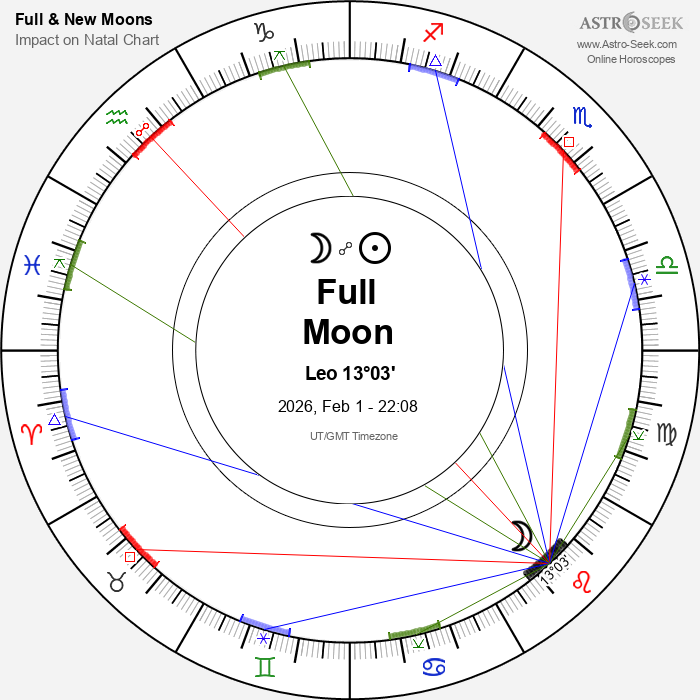
Are you looking ahead to February 2026, perhaps planning a trip to the beautiful Philippines, or simply an astronomy enthusiast keen on tracking lunar events? If you’re searching for the exact details of the Full Moon in the Philippines for February 2026, you’ve come to the right place. Mark your calendars: the spectacular February 2026 Full Moon, traditionally known as the Snow Moon, will grace the skies over the Philippines on Monday, February 2, 2026, at precisely 6:09 AM Philippine Standard Time (PST). For our friends in the US, that means a different viewing experience, often occurring the day before or early on the same day, depending on your time zone.
This isn’t just about a date and time; it’s about understanding a celestial ballet, appreciating cultural connections, and perhaps even planning your activities around the moon’s powerful presence. Let’s dive deep into everything you need to know.
The Exact Moment: February 2026 Full Moon Details for the Philippines
When the moon reaches its peak illumination, it’s a truly magnificent sight. For those located in the Philippines, or anyone around the globe interested in this specific event, here are the precise details:
When to Look Up: Key Dates and Times (Philippines Standard Time)
The February 2026 Full Moon will be a dramatic early morning event for the Philippines. Here’s the breakdown:
- Date: Monday, February 2, 2026
- Time of Peak Illumination: 6:09 AM Philippine Standard Time (PST)
- Illumination: 100% (or very close to it, appearing fully illuminated for a day or two around this time)
This timing means that for many in the Philippines, the best viewing will be in the very early hours of February 2nd, just before dawn, or enjoying its radiant presence throughout the night of February 1st into the morning of February 2nd.
Translating Time Zones: When US Observers Can Expect the Snow Moon
Since the Earth is constantly spinning and the moon’s moment of fullness is universal, the exact date and time you experience the Full Moon will shift based on your location. For our US audience, understanding the time difference is key to planning your observation.
The peak illumination moment occurs globally. If it’s 6:09 AM on February 2nd in the Philippines (UTC+8), let’s convert that for major US time zones:
| Location / Time Zone |
Date of Full Moon |
Time of Full Moon |
| Philippines (PST, UTC+8) |
Monday, February 2, 2026 |
6:09 AM |
| Eastern Standard Time (EST, UTC-5) |
Sunday, February 1, 2026 |
5:09 PM |
| Central Standard Time (CST, UTC-6) |
Sunday, February 1, 2026 |
4:09 PM |
| Mountain Standard Time (MST, UTC-7) |
Sunday, February 1, 2026 |
3:09 PM |
| Pacific Standard Time (PST, UTC-8) |
Sunday, February 1, 2026 |
2:09 PM |
| Alaska Standard Time (AKST, UTC-9) |
Sunday, February 1, 2026 |
1:09 PM |
| Hawaii Standard Time (HST, UTC-10) |
Sunday, February 1, 2026 |
12:09 PM |
So, if you’re in the US, you’ll be catching the peak illumination of the Snow Moon on the afternoon of Sunday, February 1, 2026, a day earlier than in the Philippines, due to the significant time difference. This makes it a great opportunity for stargazers on both sides of the globe!
Understanding the “Snow Moon”: Lore, Naming, and Global Significance
Every Full Moon has a story, a traditional name that reflects the season or specific events tied to that time of year. The February Full Moon is famously known as the Snow Moon.
The Origin of the Snow Moon Name
The name “Snow Moon” originates primarily from Native American tribes, particularly those in the northeastern United States. February is historically a month of heavy snowfall and frigid temperatures in these regions, making hunting difficult and life challenging. The moon’s radiant glow would illuminate the snow-covered landscape, a guiding light through the winter’s harshest days. Other traditional names for the February Full Moon include the “Hunger Moon” (reflecting food scarcity) or “Storm Moon.” These names paint a vivid picture of the harsh realities and quiet beauty of winter.
Cultural Echoes: The Moon in Philippine Tradition and Beyond
While the “Snow Moon” name isn’t indigenous to the tropical Philippines, the moon itself holds immense cultural and practical significance across various Filipino traditions and global cultures. In the Philippines, like many agricultural societies, lunar cycles have historically influenced:
- Planting and Harvesting: Farmers often look to the moon for optimal times to plant and harvest crops.
- Fishing: Fishermen understand that lunar phases affect tides and the behavior of marine life.
- Festivals and Rituals: Many indigenous groups and cultural practices throughout the Philippines feature ceremonies and festivals tied to specific moon phases, celebrating abundance, new beginnings, or giving thanks.
- Folklore and Superstitions: The moon is a powerful entity in Filipino folklore, often associated with luck, love, and various supernatural beliefs. Full moons, in particular, are seen as times of heightened energy and emotion.
Globally, the moon continues to be a symbol of mystery, femininity, cycles, and cosmic connection. Whether you’re in Manila or Montana, observing the Full Moon can be a moment of universal reflection.
The Full Lunar Cycle of February 2026: Beyond Just the Full Moon
The Full Moon is just one spectacular moment in the moon’s continuous journey around Earth. Understanding the entire lunar cycle can enrich your appreciation for our celestial neighbor.
All Moon Phases for February 2026 in the Philippines
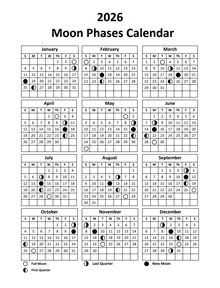
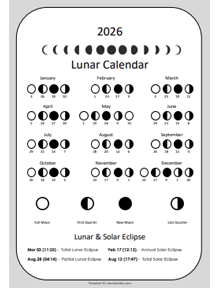
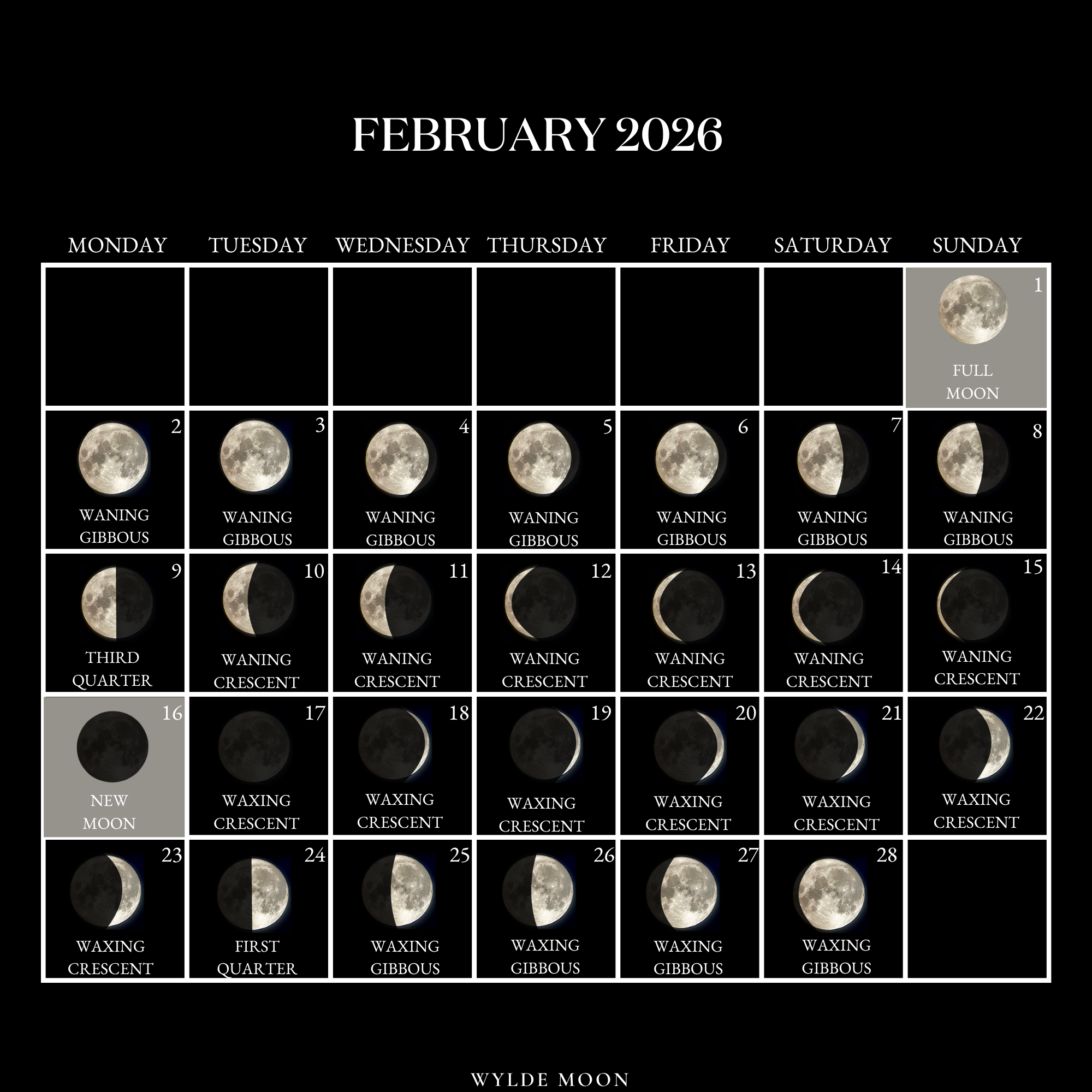
Here’s a quick guide to all the major moon phases occurring in February 2026, as observed from the Philippines (PST):
| Moon Phase |
Date (PST) |
Time (PST) |
Description |
| New Moon |
January 29, 2026 |
3:06 PM |
Moon is not visible, aligning between Earth and Sun. |
| First Quarter |
February 8, 2026 |
7:17 AM |
Half of the moon is illuminated, appearing as a ‘D’ shape. |
| Full Moon (Snow Moon) |
February 2, 2026 |
6:09 AM |
Fully illuminated, appearing as a perfect circle. |
| Last Quarter |
February 23, 2026 |
4:38 AM |
The other half of the moon is illuminated, appearing as a ‘C’ shape. |
Each phase offers a unique visual treat and often carries different symbolic meanings in various cultures.
Why Tracking Lunar Phases Matters
Beyond simply enjoying the view, tracking lunar phases can be surprisingly useful and enriching:
- For Astrologers and Spiritual Seekers: Many believe that different moon phases influence moods, energy levels, and even luck. New Moons are for new beginnings, Full Moons for culmination and release.
- For Gardeners: Some gardening practices, known as biodynamic gardening, align planting and harvesting with moon phases for better yields.
- For Sailors and Coastal Communities: The moon’s gravitational pull is the primary driver of tides. Understanding lunar cycles is crucial for navigation and coastal activities.
- For Photographers: Knowing the moon phases helps plan stunning celestial photography, whether it’s a slender crescent or a dazzling full orb.
- For Personal Reflection: Observing the moon’s journey can be a powerful way to connect with natural rhythms and reflect on your own cycles of growth and change.
Observing the Full Moon: Tips for a Stellar Experience
You don’t need fancy equipment to enjoy the Full Moon, but a few tips can enhance your viewing pleasure.
Best Viewing Conditions and Equipment (or Lack Thereof!)
- Naked Eye: The Full Moon is incredibly bright and easily visible without any tools. Just step outside, find a spot with a clear view of the sky, and look up!
- Binoculars: If you want to see a bit more detail, a good pair of binoculars (7×50 or 10×50 are common) will bring the moon’s craters and maria (dark plains) into impressive focus. They offer a wider field of view than telescopes, making it easier to locate.
- Telescopes: For serious enthusiasts, a telescope will reveal exquisite lunar details. However, the Full Moon can be *too bright through a telescope, sometimes causing glare. A moon filter can reduce brightness and improve contrast.
- Light Pollution: While the Full Moon is powerful enough to cut through some light pollution, seeking out darker skies away from city lights will always provide a more pristine and awe-inspiring view. If you’re in the Philippines, rural areas or beaches offer fantastic opportunities.
- Weather: Keep an eye on the weather forecast. Clear skies are, of course, essential!
Photographing the Full Moon
Capturing the Full Moon can be a rewarding challenge. Here are some quick tips:
- Smartphone: Use your phone’s zoom, but remember digital zoom often degrades quality. Tap on the moon on your screen to focus and adjust exposure (often by dragging a sun icon up or down). A tripod adapter for your phone can make a huge difference.
- DSLR/Mirrorless Camera:
- Lens: You’ll need a telephoto lens (200mm or more is ideal for a good shot of the moon itself).
- Tripod: Essential for sharpness, especially with long focal lengths.
- Settings (starting point): ISO 100-400, Aperture f/8-f/11, Shutter Speed 1/125 to 1/250 second. Adjust based on brightness.
- Manual Focus: Use live view to zoom in and manually focus on the moon’s surface.
- Timer/Remote Release: To avoid camera shake when pressing the shutter button.
Dive Deeper into Lunar Phenomena
The moon’s phases are a fundamental aspect of its journey and interaction with our planet.
What Makes a Full Moon “Full”?
A Full Moon occurs when the Moon is directly opposite the Sun in its orbit around Earth. From our perspective on Earth, this alignment means the entire face of the Moon is illuminated by the Sun’s light, reflecting it back to us. It’s the brightest phase of the moon, bathing our nights in its soft, ethereal glow. This isn’t to say it’s always* a perfect alignment; if it were, we’d have a lunar eclipse every month! The Moon’s orbit is slightly tilted relative to Earth’s, which usually prevents it from passing directly through Earth’s shadow.
So there you have it – your definitive guide to the February 2026 Full Moon in the Philippines, the beautiful Snow Moon. Whether you’re planning a trip, a cultural exploration, or simply want to pause and appreciate the cosmic ballet above, this guide equips you with the knowledge to make the most of this celestial event. Get ready to look up and be amazed!
Frequently Asked Questions
What is the exact date and time of the February 2026 Full Moon in the Philippines?
The February 2026 Full Moon, known as the Snow Moon, will occur on Monday, February 2, 2026, at 6:09 AM Philippine Standard Time (PST).
What is the traditional name for the February Full Moon?
The traditional name for the February Full Moon is the “Snow Moon,” derived from Native American tribes who noted the heavy snowfall during this month.
How can I convert the Philippines Full Moon time to my US time zone?
For US observers, the full moon’s peak illumination will largely fall on Sunday, February 1, 2026. For example, it will be 5:09 PM EST, 4:09 PM CST, 3:09 PM MST, and 2:09 PM PST (US Pacific Standard Time).
Are there any special cultural events in the Philippines associated with the February Full Moon?
While there isn’t a specific ‘Snow Moon’ tradition, lunar cycles historically influence agricultural practices, fishing, and various local festivals and folklore across the diverse cultural landscape of the Philippines. Full moons are often considered times of heightened energy and are significant in indigenous rituals.
Will the February 2026 Full Moon be visible from the US?
Yes, the February 2026 Full Moon will be visible from the US on the afternoon/evening of Sunday, February 1, 2026. The moon is a global phenomenon, and you’ll see it illuminated from anywhere with clear night skies.
What causes a Full Moon?
A Full Moon occurs when the Moon is positioned directly opposite the Sun in its orbit around Earth. This alignment means that the entire side of the Moon facing Earth is fully illuminated by sunlight, making it appear as a complete circle in the night sky.
When are the other moon phases in February 2026 for the Philippines?
In February 2026 (PST), the New Moon is on January 29, 2026, the First Quarter is on February 8, 2026, and the Last Quarter is on February 23, 2026.