The February 2026 Full Moon: Your Complete Guide to the Snow Moon in PST
Are you looking for the exact moment the February 2026 Full Moon graces the sky in the Pacific Standard Time (PST) zone? You’ve come to the right place. As a moon enthusiast, a planner, or someone simply curious about the celestial ballet above, getting precise information is key. This isn’t just a date and time; it’s an invitation to connect with ancient rhythms and the natural world.
Table of Contents
- The February 2026 Full Moon: Your Complete Guide to the Snow Moon in PST
- Unpacking the February 2026 Full Moon: The Snow Moon’s Arrival
- When Exactly Does the Full Moon Peak in PST?
- Why “The Snow Moon”? Tracing February’s Lunar Name
- Beyond PST: Understanding the Full Moon Across Time Zones
- Converting the February 2026 Full Moon from PST to Your Local Time
- Global Perspectives: When Others See the Snow Moon
- The Bigger Picture: Full Moons of 2026 in the Pacific Time Zone
- Are There Any Special Lunar Events in February 2026?
- Experiencing the February Snow Moon: Viewing Tips and Cultural Insights
- Best Practices for Observing the Full Moon
- The Snow Moon’s Cultural and Energetic Significance
- Celebrating the Full Moon: Rituals and Reflections
- Beyond the Full Moon: Understanding All Lunar Phases
- A Quick Guide to the Lunar Cycle
- Why the Moon’s Phases Matter
The February Full Moon, traditionally known as the Snow Moon, holds a special significance, marking the deepest part of winter for many. And for those of us on the West Coast, experiencing it in PST, knowing the precise peak allows for optimal viewing and reflection.
The Essential Details at a Glance:
- Date: Sunday, February 1, 2026
- Peak Time in PST: 2:09 PM PST
- Traditional Name: The Snow Moon
While a full moon appears ‘full’ for about three days, its astronomical peak – the precise moment when the Moon is 100% illuminated by the Sun – is an exact second. For February 2026, this moment is clearly defined for the Pacific Time Zone.
Unpacking the February 2026 Full Moon: The Snow Moon’s Arrival
Let’s dive deeper into what makes this particular full moon noteworthy and ensure you have all the specifics for your planning or stargazing.

When Exactly Does the Full Moon Peak in PST?
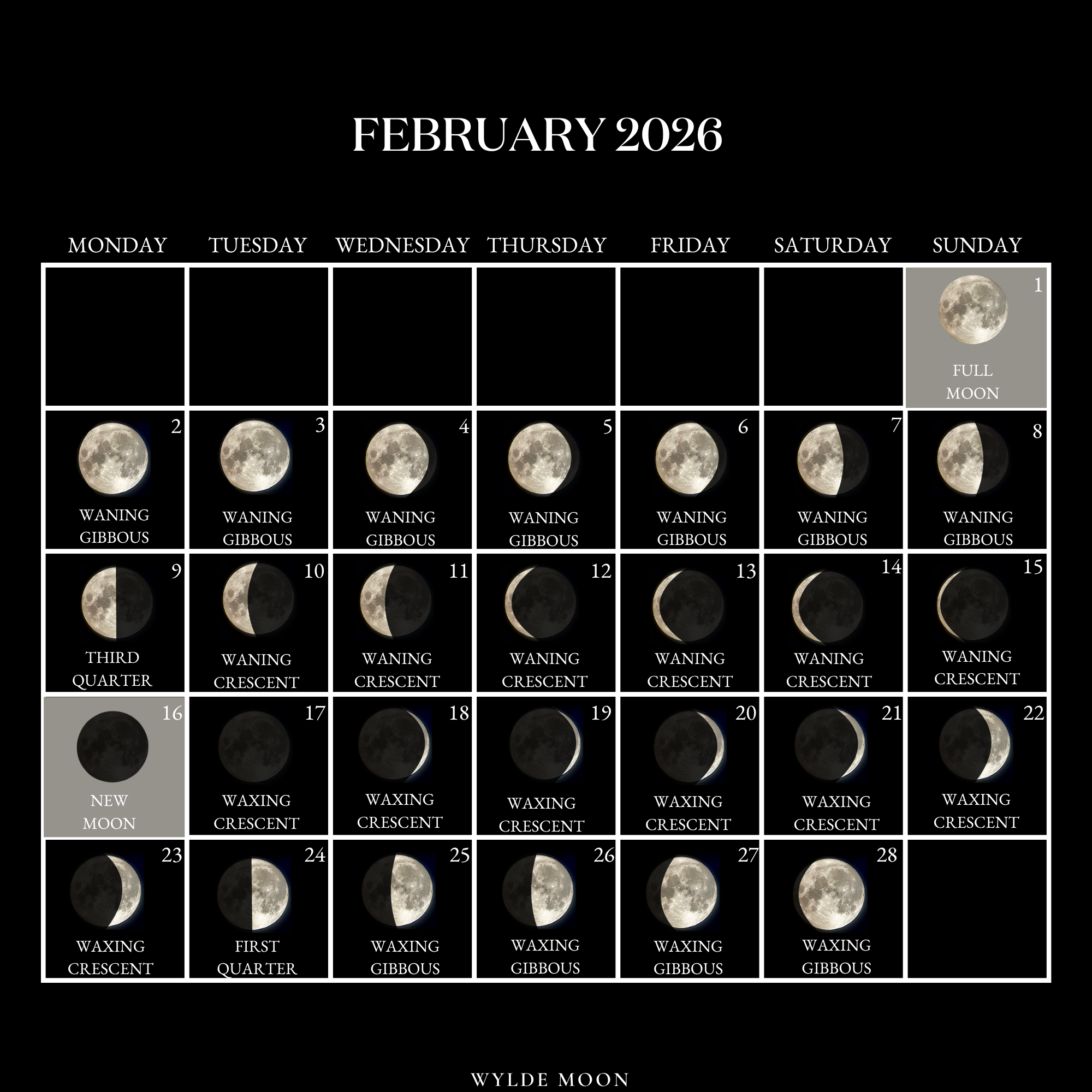
For those residing in the Pacific Standard Time (PST) zone, the February 2026 Full Moon will reach its exact, glorious peak on Sunday, February 1, 2026, at 2:09 PM PST. Yes, that’s in the afternoon! While the Moon will be below the horizon for many PST observers at its absolute peak, its round, luminous face will be observable in the evening hours of both February 1st and February 2nd. The afternoon peak simply means the exact moment of 100% illumination occurs then; the visual spectacle will follow as night falls.
This precision matters for several reasons: photographers might plan their shots around the moonrise and moonset relative to this peak, astrologers will use this exact time for calculations, and anyone with a keen interest will appreciate knowing the definitive moment of its astronomical fullness.
Why “The Snow Moon”? Tracing February’s Lunar Name
Every full moon throughout the year has a traditional name, often rooted in Native American, colonial American, or European folklore. These names typically reflect the natural phenomena, agricultural cycles, or cultural events prevalent during that specific month.
February’s full moon is most widely known as the Snow Moon. This name is pretty straightforward, isn’t it? It originates from the common observation that February often brings the heaviest snowfall of the year in many northern regions. For ancient peoples, this wasn’t just a pretty sight; heavy snow made hunting difficult and resources scarce, leading to a period of struggle.
Beyond the Snow Moon, you might also hear other historical names for February’s full moon:
- Hunger Moon: Reflecting the scarcity of food during deep winter.
- Bear Moon: Named as bears often emerge from hibernation around this time.
- Trapper’s Moon: Referring to the peak trapping season for furs.
These names offer a fascinating glimpse into how our ancestors observed and interacted with their environment, using the moon as a celestial calendar.
Beyond PST: Understanding the Full Moon Across Time Zones
While our focus is firmly on PST, the full moon’s peak is a universal moment. What changes is the local clock time you experience it. Understanding how this translates across different time zones is crucial for coordinating with friends or simply broadening your astronomical perspective.
Converting the February 2026 Full Moon from PST to Your Local Time
Since the February 2026 Full Moon peaks at 2:09 PM PST, let’s look at how that translates to the other major US time zones. Remember, PST is UTC-8 (Coordinated Universal Time minus 8 hours) during standard time, which February falls under.
| Time Zone | Difference from PST | February 2026 Full Moon Peak Time | Date |
|---|---|---|---|
| Pacific Standard Time (PST) | (Base) | 2:09 PM | Sunday, Feb 1 |
| Mountain Standard Time (MST) | PST + 1 hour | 3:09 PM | Sunday, Feb 1 |
| Central Standard Time (CST) | PST + 2 hours | 4:09 PM | Sunday, Feb 1 |
| Eastern Standard Time (EST) | PST + 3 hours | 5:09 PM | Sunday, Feb 1 |
| Alaska Standard Time (AST) | PST – 1 hour | 1:09 PM | Sunday, Feb 1 |
| Hawaii Standard Time (HST) | PST – 2 hours | 12:09 PM | Sunday, Feb 1 |
This table should make it crystal clear when the Snow Moon reaches its zenith across the mainland US and surrounding territories. Plan your evening viewing accordingly!
Global Perspectives: When Others See the Snow Moon
For a brief moment, let’s consider the global view. While the astronomical peak is simultaneous worldwide, the date can sometimes shift depending on the International Date Line. For the February 2026 Full Moon, the peak falls on Sunday, February 1st, for most of the world, including North America, Europe, and parts of Asia.
However, the Moon’s visibility in the night sky varies. Someone in Australia, for example, would see the full moon in their evening sky on February 2nd, even though the peak happened on February 1st UTC. It’s all about when it rises and sets relative to the precise moment of fullness.
The Bigger Picture: Full Moons of 2026 in the Pacific Time Zone
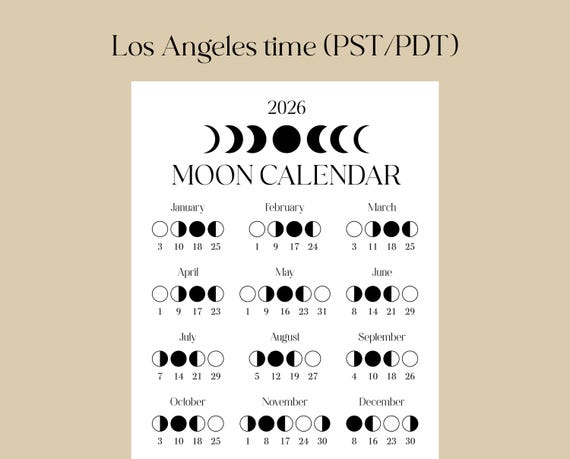
The February Snow Moon is just one of many lunar spectacles gracing our skies in 2026. Here’s a comprehensive look at all the full moons for the year, with their traditional names and, crucially, their peak times in PST.
| Month | Traditional Name | Date (PST) | Peak Time (PST) | Special Note |
|---|---|---|---|---|
| January | Full Wolf Moon | Saturday, Jan 3 | 1:57 AM | |
| February | Full Snow Moon | Sunday, Feb 1 | 2:09 PM | |
| March | Full Worm Moon | Tuesday, Mar 3 | 2:42 AM | |
| April | Full Pink Moon | Wednesday, Apr 1 | 11:03 AM | |
| May | Full Flower Moon | Friday, May 1 | 7:55 PM | |
| May | Full Strawberry Moon | Sunday, May 31 | 5:46 AM | Blue Moon (Second Full Moon in May) |
| June | Full Buck Moon | Monday, Jun 29 | 1:33 PM | |
| July | Full Sturgeon Moon | Wednesday, Jul 29 | 7:06 PM | |
| August | Full Harvest Moon | Friday, Aug 28 | 9:26 PM | |
| September | Full Hunter’s Moon | Sunday, Sep 27 | 8:15 AM | |
| October | Full Beaver Moon | Monday, Oct 26 | 4:49 PM | |
| November | Full Cold Moon | Wednesday, Nov 25 | 12:44 AM | |
| December | Full Long Night Moon | Thursday, Dec 24 | 12:47 AM |
It’s worth noting that 2026 features 13 full moons, with two occurring in May. The second full moon in a calendar month is commonly referred to as a Blue Moon. So, the Full Strawberry Moon on May 31st will officially be a Blue Moon!
Are There Any Special Lunar Events in February 2026?
Many full moons come with additional titles or phenomena, such as a Supermoon (when the moon is closest to Earth, appearing slightly larger) or a Micro Moon (when it’s furthest). Lunar eclipses also often coincide with full moons.
For the February 2026 Snow Moon specifically, there are no indications that it will be a Supermoon, Micro Moon, or coincide with a significant lunar eclipse. It will be a standard, yet beautiful, full moon. However, the Blue Moon in May offers a unique observation opportunity later in the year.
Experiencing the February Snow Moon: Viewing Tips and Cultural Insights
Observing the full moon, especially one named for the heart of winter, can be a profoundly peaceful and grounding experience. Here’s how to make the most of it.
Best Practices for Observing the Full Moon
Even though the February 2026 Full Moon peaks in the afternoon in PST, you’ll still have ample opportunity to see it in its glory:
- Timing is Key: The Moon will appear full to the naked eye for roughly three nights: the night before the peak (Saturday, Jan 31st), the night of the peak (Sunday, Feb 1st), and the night after (Monday, Feb 2nd). For the most dramatic view, consider watching the moonrise on Sunday evening as it climbs above the horizon, often appearing larger and with a striking hue due to atmospheric scattering.
- Find a Dark Spot: While the full moon is bright enough to cut through some light pollution, seeking out a location away from city lights will enhance your viewing experience, allowing the lunar surface details to pop.
- Look East at Moonrise: Generally, the full moon rises in the east around sunset and sets in the west around sunrise. Knowing this helps you pick a viewing spot with an unobstructed eastern horizon.
- Simple Equipment: You don’t need a fancy telescope. A good pair of binoculars can reveal incredible detail on the lunar surface – craters, maria (dark plains), and mountain ranges become surprisingly clear.
- Photography: For aspiring photographers, a full moon provides a bright target. Use a sturdy tripod, a longer lens if available, and experiment with exposure settings. The best shots often come shortly after moonrise or before moonset when the moon is lower in the sky and has more context with the landscape.
The Snow Moon’s Cultural and Energetic Significance
Beyond its astronomical definition, the full moon has long been a source of fascination, folklore, and spiritual reflection across cultures. The Snow Moon, marking a period of deep winter, often symbolizes: