Full Snow Moon 2026: Date, Time, & What You Need to Know About February’s Full Moon
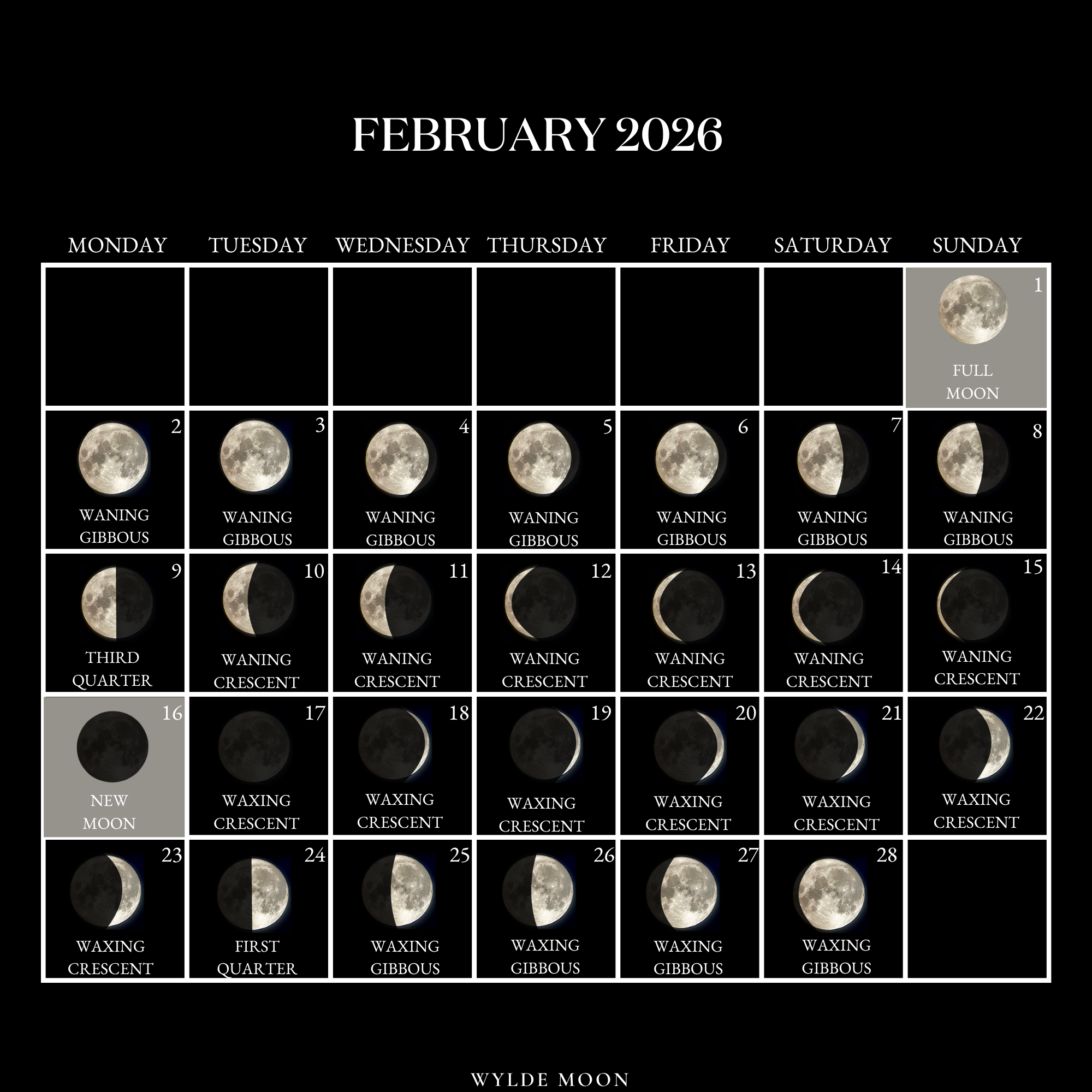
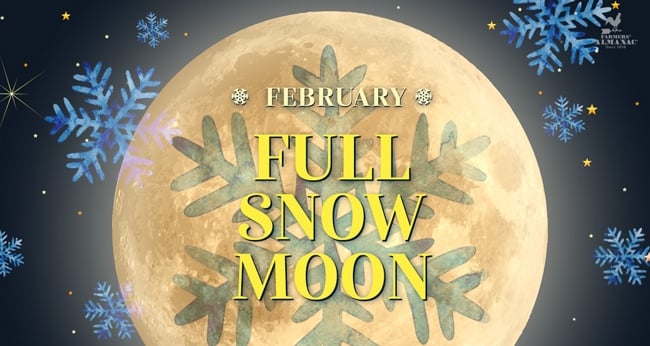
Are you looking ahead to February 2026, eager to know the celestial happenings? You’re in the right place. The full moon of February 2026 has a name, a date, and a rich history you’ll want to understand. Get ready to mark your calendars because February’s full moon is known as the Snow Moon, and it’s set to grace our skies on Sunday, February 1, 2026.
Table of Contents
- Full Snow Moon 2026: Date, Time, & What You Need to Know About February’s Full Moon
- When to Witness the February 2026 Snow Moon: Key Dates & Times
- Unpacking the “Snow Moon”: Origins and Meaning
- Why “Snow Moon”? The Story Behind the Name
- The Full Moon in February: A Time of Scarcity and Survival
- Other Names for February’s Full Moon: A Cultural Tapestry
- The Hunger Moon
- Trapper’s Moon / Fur Moon
- Little Famine Moon
- Ice Moon / Chaste Moon (European)
- The Astronomy of February 2026’s Full Moon
- The Lunar Cycle in a Nutshell
- Observing the Snow Moon: Tips for Stargazers
- Cultural Significance and Modern Interpretations of Full Moons
- Reflection and Renewal
- Lunar Calendars and Festivals
- Beyond February: A Look at the 2026 Full Moon Calendar
- Your Guide to Connecting with the Lunar Cycle
This isn’t just any full moon; it carries centuries of cultural weight, reflecting the challenging, often snow-laden conditions of winter in the Northern Hemisphere. We’ll dive deep into its origins, alternative names, and give you precise times for observation across the United States. Forget the guesswork; this is your definitive guide to the February 2026 Snow Moon.
When to Witness the February 2026 Snow Moon: Key Dates & Times
For those across the United States, the full moon will officially peak on Sunday, February 1, 2026. While the moon will appear full to the naked eye for about three days centered on this date, there’s a specific moment it reaches 100% illumination, known as its peak. Knowing this precise time can enhance your experience, especially if you’re keen on photography or specific lunar observations.
Here’s a handy table detailing the peak times across the major U.S. time zones, so you can plan your observation perfectly:
| Date | UTC Peak Time | EST Peak Time | CST Peak Time | MST Peak Time | PST Peak Time | HST Peak Time |
|---|---|---|---|---|---|---|
| Sunday, Feb 1, 2026 | 22:09 UTC | 5:09 PM EST | 4:09 PM CST | 3:09 PM MST | 2:09 PM PST | 12:09 PM HST |
Unpacking the “Snow Moon”: Origins and Meaning
The name Snow Moon isn’t just a quaint descriptor; it’s a vivid reflection of history, meteorology, and human survival. Many of the traditional full moon names we use today originate from various Native American tribes, colonial American, and European cultures. These names were practical, serving as a lunar calendar to track seasons and understand the natural world.

Why “Snow Moon”? The Story Behind the Name
February, for much of the Northern Hemisphere, is often the snowiest month of the year. The connection to snow is immediate and obvious. For tribes like the Algonquin, Ojibwe, and others, observing the environment was key to survival. Heavy snowfalls during this period made hunting difficult, travel arduous, and resources scarce. The name ‘Snow Moon’ thus served as a warning, a reminder of the deep winter conditions that characterized this part of the year.
It’s a testament to the acute observational skills of indigenous peoples, who understood the rhythms of nature and named the moon accordingly. These names weren’t arbitrary; they were crucial markers in their seasonal calendars, guiding their activities from hunting to planting and harvesting.
The Full Moon in February: A Time of Scarcity and Survival
Beyond just the snow, February represented a profound challenge. For many communities, food stores from the previous harvest were dwindling, and fresh game was hard to find. This period was often referred to as the time of scarcity or the hungry moon because of the limited food supply and the difficulties of obtaining sustenance in the harsh winter. Animals were either hibernating, seeking shelter, or simply harder to track in deep snow. This made February a critical month for survival, emphasizing careful resource management and resilience.
The Snow Moon, therefore, isn’t just about pretty snowscapes; it’s a powerful symbol of endurance, resourcefulness, and the delicate balance between humanity and the unforgiving winter environment. It reminds us of a time when the lunar calendar was not just for curiosity, but for life itself.
Other Names for February’s Full Moon: A Cultural Tapestry
While “Snow Moon” is the most widely recognized name for February’s full moon, cultures across the globe have bestowed other evocative names upon it. These alternative names often highlight specific environmental conditions, animal behaviors, or social customs prevalent during this time of year in different regions. Exploring them offers a richer understanding of humanity’s connection to the lunar cycle.
The Hunger Moon
This name is closely related to the “Snow Moon” and reinforces the theme of scarcity. Many Native American tribes, including the Cherokee and the Sioux, referred to February’s full moon as the Hunger Moon. It underscored the severe challenges faced during late winter when food supplies were critically low, and hunting was extremely difficult due to the deep snow and frozen ground. It’s a poignant reminder of the ancestral struggle for sustenance during the harshest part of the year.
Trapper’s Moon / Fur Moon
For some Northern tribes and early European settlers, February was a prime time for trapping animals, particularly those with thick winter coats, for their furs. The pelts were at their thickest and most valuable during this cold month. Thus, names like the Trapper’s Moon or Fur Moon emerged, reflecting the economic and survival-driven activities of the season. These furs were essential for warmth and trade, making the period marked by this moon vital for many communities.
Little Famine Moon
Similar to the Hunger Moon, the Little Famine Moon is another name that emphasizes the dwindling food reserves and the challenging conditions. It suggests a time when provisions were scarce, and communities had to rely on whatever little they had managed to store or forage, facing lean times before the promise of spring.
Ice Moon / Chaste Moon (European)
In various European traditions, February’s full moon has also been known as the Ice Moon, a direct reference to the widespread freezing conditions and icy landscapes characteristic of the month. Another European name, the Chaste Moon, has Christian origins, aligning with the purification rituals often observed around this time, particularly leading up to Lent.
These diverse names illustrate how different societies, despite their geographical separation, were united in their deep observation and understanding of the moon’s cyclical dance with the seasons, each weaving their unique cultural narrative into the celestial tapestry.
The Astronomy of February 2026’s Full Moon
Beyond its cultural significance, the full moon is a fascinating astronomical event. Understanding the science behind it can deepen your appreciation as you gaze up at the Snow Moon.
The Lunar Cycle in a Nutshell
A full moon occurs when the Moon is precisely opposite the Sun in its orbit around Earth. From our perspective, the entire face of the Moon is illuminated by sunlight, making it appear as a perfect, glowing orb in the night sky. This opposition happens roughly once every 29.5 days, which is the length of one lunar cycle, also known as a synodic month. The February 2026 Snow Moon will be one such moment of complete illumination.
While the full moon marks a distinct point in time, the moon appears full for about a day before and after its peak illumination. This makes it a multi-day event for casual observation, giving you ample opportunity to take in its beauty.
Observing the Snow Moon: Tips for Stargazers
Observing the Snow Moon is one of winter’s simple pleasures, requiring no special equipment, just a clear sky and your own eyes. Here’s how to make the most of it:
- Find a Dark Spot: While a full moon is bright enough to cut through some light pollution, seeking out an area away from city lights will significantly enhance your view, allowing you to appreciate the subtle textures and surrounding stars.
- Look Up Around Peak Time: Although it appears full for days, watching around the specific peak time (as detailed in our table) can offer a unique sense of connection to the astronomical event.
- Dress Warmly: Remember, it’s February! Bundle up in layers, grab a warm drink, and consider a comfortable chair if you plan to observe for an extended period.
- Use Binoculars (Optional): If you have binoculars, they can provide a stunning close-up of the Moon’s craters, seas (maria), and mountains. You’ll be amazed at the detail you can spot even with basic equipment.
- Photograph It: Full moons are popular subjects for photographers. Experiment with different camera settings, or simply snap a quick pic with your smartphone to capture the moment.
Whether you’re an experienced astronomer or a casual sky-watcher, the February 2026 Snow Moon offers a magnificent spectacle and a chance to connect with the cosmos.
Cultural Significance and Modern Interpretations of Full Moons
The allure of the full moon extends far beyond its scientific explanation or historical names. Throughout history, and even today, full moons have held profound cultural and spiritual significance, influencing everything from folklore to personal well-being practices. They are seen as periods of heightened energy, illumination, and transformation.
Reflection and Renewal
In contemporary spiritual and wellness circles, full moons are often viewed as a potent time for reflection, release, and renewal. Many believe that the moon’s full illumination brings hidden aspects to light, encouraging introspection. It’s a popular time for setting intentions, letting go of what no longer serves us, and celebrating achievements from the past lunar cycle. The Snow Moon, with its historical ties to survival and perseverance, can be a powerful symbol for reflecting on personal resilience and readiness for new beginnings.
Lunar Calendars and Festivals
Across various cultures, lunar calendars continue to play a crucial role in timing festivals, religious holidays, and agricultural practices. While the Western calendar primarily uses the Gregorian system, many Eastern traditions (like the Hindu, Islamic, and Chinese calendars) are lunar or lunisolar, with full moons marking significant points. Though the February Snow Moon itself isn’t tied to a major global festival in the same way some other full moons are, its presence reinforces the universal human inclination to organize time and find meaning in celestial events.
The persistent fascination with the full moon reminds us that we are deeply connected to the natural world and its cycles, finding both practical guidance and spiritual solace in the radiant glow of our nearest celestial neighbor.
Beyond February: A Look at the 2026 Full Moon Calendar
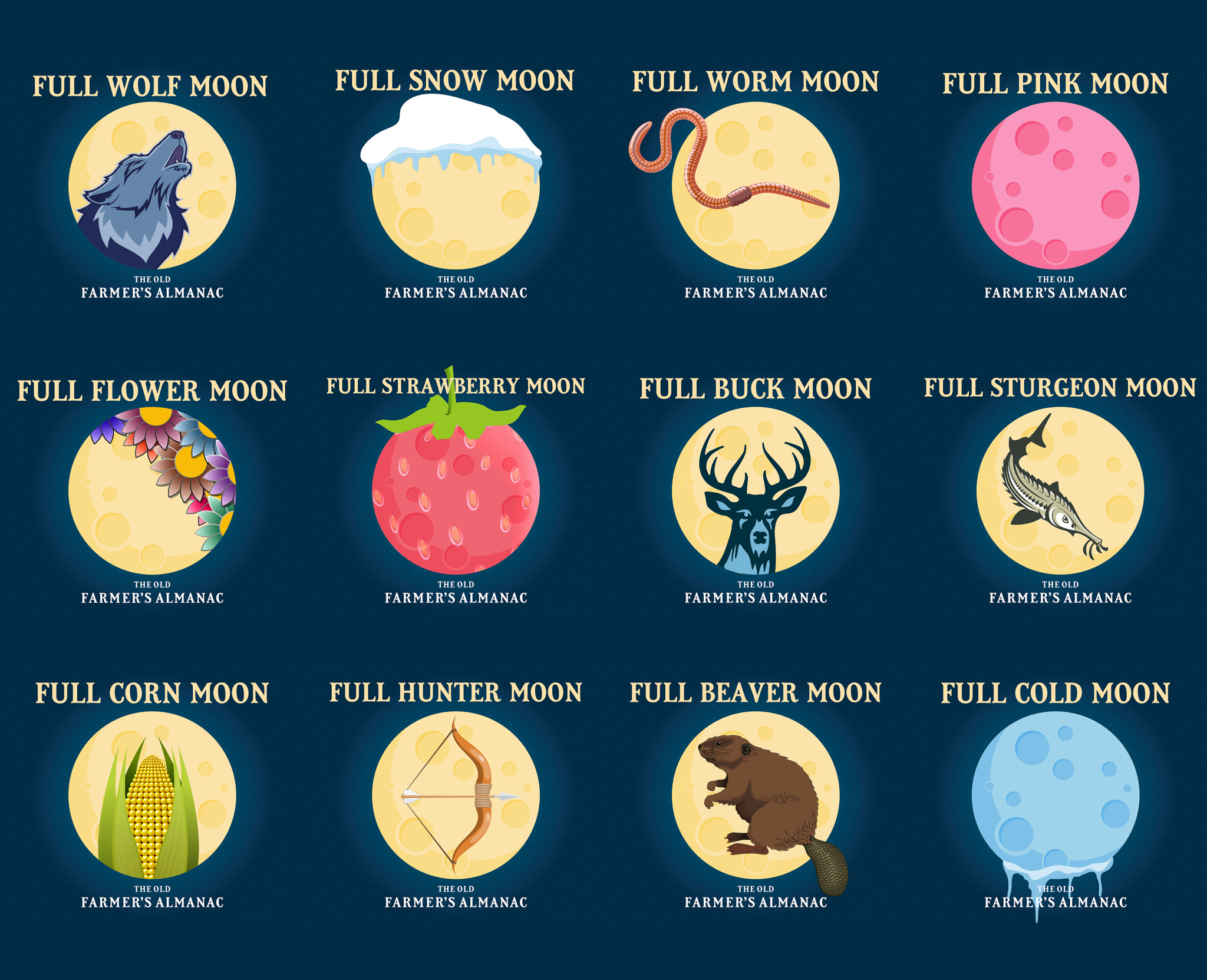
While our focus here is squarely on the magnificent February Snow Moon of 2026, it’s helpful to remember that the lunar calendar offers a full year of celestial wonders. Each month’s full moon carries its own unique traditional name, reflecting the seasonal changes, flora, and fauna pertinent to that time. Knowing these names can deepen your connection to the annual rhythm of nature.
Here’s a quick overview of the traditional full moon names for 2026, so you can anticipate the other lunar spectacles throughout the year:
| Month | Full Moon Name | Approximate Date (2026) |
|---|---|---|
| January | Wolf Moon | January 3 |
| February | Snow Moon | February 1 |
| March | Worm Moon | March 3 |
| April | Pink Moon | April 1 |
| May | Flower Moon | May 1 / May 31 (Blue Moon) |
| June | Strawberry Moon | June 29 |
| July | Buck Moon | July 29 |
| August | Sturgeon Moon | August 28 |
| September | Harvest Moon | September 26 |
| October | Hunter’s Moon | October 26 |
| November | Beaver Moon | November 25 |
| December | Cold Moon | December 25 |
Note: Dates for these full moons are approximate and can vary slightly based on time zone and specific calculations.
Your Guide to Connecting with the Lunar Cycle
The February 2026 Snow Moon is more than just a date on a calendar; it’s an invitation to pause, look up, and connect with cycles far older than ourselves. Whether you’re driven by scientific curiosity, cultural appreciation, or a desire for personal reflection, the full moon offers a universal point of connection. As we approach February 1, 2026, take a moment to consider the profound journey our ancestors took, guided by these very lunar phases, and how their wisdom still resonates today. Embrace the chill of winter and the radiant glow of the Snow Moon, allowing it to inspire a moment of awe and reflection in your busy life.
Frequently Asked Questions
What is the name of the Full Moon in February 2026?
The Full Moon in February 2026 is traditionally known as the Snow Moon. This name reflects the typically heavy snowfall common in the Northern Hemisphere during this month.

When exactly does the Snow Moon occur in February 2026?
The February 2026 Snow Moon will peak on Sunday, February 1, 2026, at 22:09 UTC. This translates to 5:09 PM EST, 4:09 PM CST, 3:09 PM MST, 2:09 PM PST, and 12:09 PM HST across the United States.
Why is it called the Snow Moon?
It’s called the Snow Moon because February typically brings the heaviest snowfalls of the winter season to many parts of the Northern Hemisphere. This name originated from various Native American tribes who used lunar cycles to track seasonal changes and agricultural activities.
Are there any other names for February’s Full Moon?
Yes, besides Snow Moon, it’s also known by several other names, including the Hunger Moon (due to food scarcity in late winter), Trapper’s Moon or Fur Moon (reflecting hunting and trapping activities), Little Famine Moon, and sometimes Ice Moon or Chaste Moon in European traditions.
What’s the best way to observe the February 2026 Snow Moon?
To best observe the Snow Moon, find a clear spot away from city lights, dress warmly for the winter chill, and look up around its peak time on February 1st. While no special equipment is needed, binoculars can enhance your view of the moon’s surface details.
Does the Snow Moon have any special cultural significance today?
Culturally, full moons are often seen as a time for reflection, release, and renewal. The Snow Moon’s historical ties to survival and resilience can be a powerful symbol for personal introspection, encouraging individuals to consider their own endurance and readiness for new beginnings after a challenging period.