Hindu Calendar 2026 February: Your Kalnirnay Guide for Festivals and Auspicious Dates in the USA
Are you looking to align your spiritual journey with the ancient wisdom of the Hindu calendar in February 2026? Perhaps you’re based in the USA, seeking to understand how the revered Kalnirnay almanac can illuminate your path to observing festivals, fasts, and auspicious timings. You’ve come to the right place. This definitive guide cuts through the clutter, offering you a precise, human-centric look at February 2026’s significant Hindu dates, explained through the lens of Kalnirnay and tailored for your context in the United States.
Table of Contents
- Hindu Calendar 2026 February: Your Kalnirnay Guide for Festivals and Auspicious Dates in the USA
- February 2026 at a Glance: Key Hindu Festivals and Vrats
- Understanding Kalnirnay: More Than Just a Calendar
- What is Kalnirnay? Its History and Significance
- How Kalnirnay Differs from a Gregorian Calendar
- Accessing Kalnirnay in the USA: Bridging Continents
- Detailed Dive into February 2026 Festivals & Observances
- Magha Purnima (Sunday, February 1st, 2026)
- Sankashti Chaturthi (Thursday, February 5th, 2026)
- Vijaya Ekadashi (Friday, February 13th, 2026)
- Kumbha Sankranti (Friday, February 13th, 2026)
- Maha Shivaratri (Sunday, February 15th, 2026)
- Phulera Dooj (Thursday, February 19th, 2026)
- Panchang Insights for February 2026: Navigating Auspicious Timings
- Key Panchang Elements Explained
- Understanding Auspicious and Inauspicious Timings
- Observing Hindu Festivals in the USA: Practical Considerations
- Adapting Rituals and Finding Community
- Leveraging Digital Resources for Accuracy
- The Primacy of Intent and Devotion
- Why Kalnirnay Remains Relevant for the Modern Devotee
- Plan Ahead: Integrating February 2026 into Your Spiritual Journey
February, often seen as a short and brisk month in the Gregorian calendar, holds immense spiritual depth in the Hindu tradition. For devotees in the USA, keeping track of these dates can be a beautiful way to stay connected to their roots and foster spiritual growth. We’ll explore the major festivals, crucial fasting days (Vrats), and the intricate details of the Panchang, ensuring you have all the information you need to participate meaningfully.
February 2026 at a Glance: Key Hindu Festivals and Vrats
Let’s kick things off with a quick overview of the prominent Hindu festivals and fasting days gracing February 2026. This table provides an immediate reference, allowing you to mark your personal calendar and prepare for the month’s spiritual milestones. Remember, these dates are generally based on Indian Standard Time (IST) and might vary slightly based on your specific location and sunrise/sunset timings in the USA, but they serve as an excellent primary guide.
| Date (February 2026) | Hindu Festival / Vrat | Significance |
|---|---|---|
| Sunday, February 1st | Magha Purnima | Holy baths, charity, spiritual purification, end of Magha month. |
| Thursday, February 5th | Sankashti Chaturthi (Sankashti Chaturthi Vrat) | Fasting for Lord Ganesha, seeking relief from obstacles. |
| Friday, February 13th | Vijaya Ekadashi | Fasting for Lord Vishnu, ensuring victory in endeavors. |
| Friday, February 13th | Kumbha Sankranti | Sun’s transition into Aquarius, auspicious for charity and holy dips. |
| Sunday, February 15th | Maha Shivaratri | Grand celebration of Lord Shiva, fasting, Jagran, Shiva Lingam worship. |
| Thursday, February 19th | Phulera Dooj | Auspicious for Lord Krishna devotees, symbolic of joy and fresh beginnings. |
| Saturday, February 29th | Amavasya (New Moon) | Ancestor worship (Tarpan), beginning of a new lunar cycle. |
This table gives you a snapshot. Now, let’s dive deeper into what makes Kalnirnay such a vital tool and then explore the significance and observance of each of these dates.
Understanding Kalnirnay: More Than Just a Calendar
When you hear “Hindu Calendar,” many variations exist, but Kalnirnay stands out as a household name, especially among Marathi-speaking communities and beyond. But what exactly is it, and why is it so significant, even for those of us living far from India?
What is Kalnirnay? Its History and Significance
Kalnirnay is much more than a simple calendar; it’s a comprehensive almanac, or ‘Panchang,’ that has been published annually for decades. Originating in Maharashtra, India, it blends traditional Hindu astrological calculations with practical daily information. It’s renowned for its accuracy and its ability to provide a wealth of data relevant to Hindu religious practices, cultural events, and even general well-being.
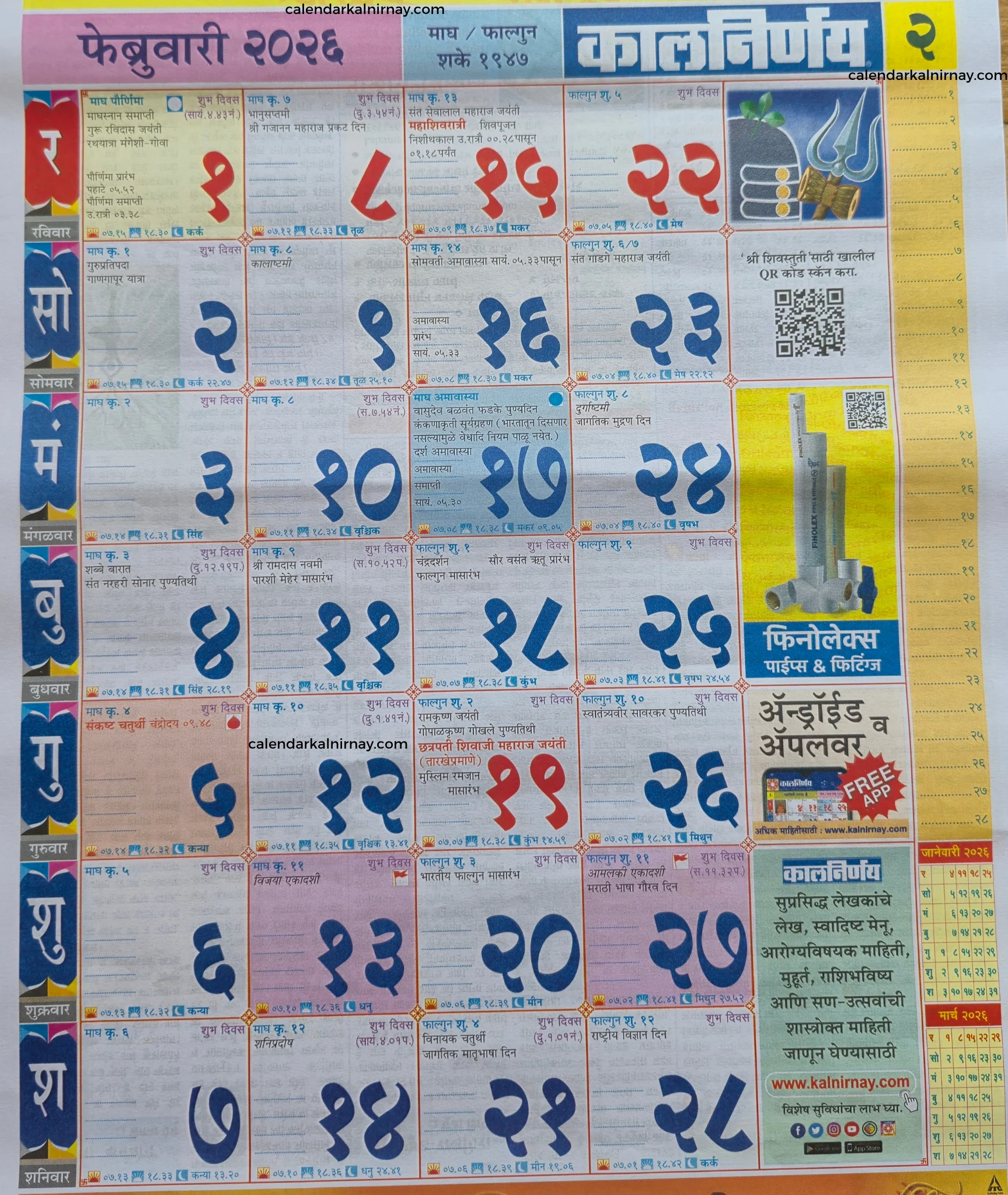
Think of it as your spiritual planner, guiding you through the intricate tapestry of Hindu timekeeping. It provides details on:
- Tithis: The lunar days.
- Nakshatras: The lunar mansions or constellations.
- Yogas: Auspicious and inauspicious planetary combinations.
- Karanas: Half of a Tithi, indicating specific actions.
- Vaar: The weekdays.
- Festivals & Vrats: Dates of all major and many minor Hindu festivals and fasts.
- Auspicious & Inauspicious Timings: Such as Rahu Kalam and Yamaganda Kalam.
- Muhurats: Favorable timings for ceremonies like weddings, housewarmings, or business ventures.
Its reliability has made it a trusted companion for millions worldwide, helping them navigate their spiritual duties and plan life events according to Vedic traditions.
How Kalnirnay Differs from a Gregorian Calendar
The primary difference lies in their underlying principles. The Gregorian calendar is a solar calendar, based on the Earth’s orbit around the sun. It’s straightforward: 12 months, 365 or 366 days.
The Hindu calendar, and by extension Kalnirnay, is a lunisolar calendar. This means it tracks both the lunar cycles (moon phases) and the solar year. Lunar months are shorter than solar months (about 29.5 days), which is why an extra month (Adhik Maas) is periodically added to realign the lunar calendar with the solar year and keep festivals in their appropriate seasons.
While the Gregorian calendar is excellent for everyday appointments, Kalnirnay offers the depth needed for religious observances, which are often dictated by lunar phases and specific astrological conjunctions.
Accessing Kalnirnay in the USA: Bridging Continents
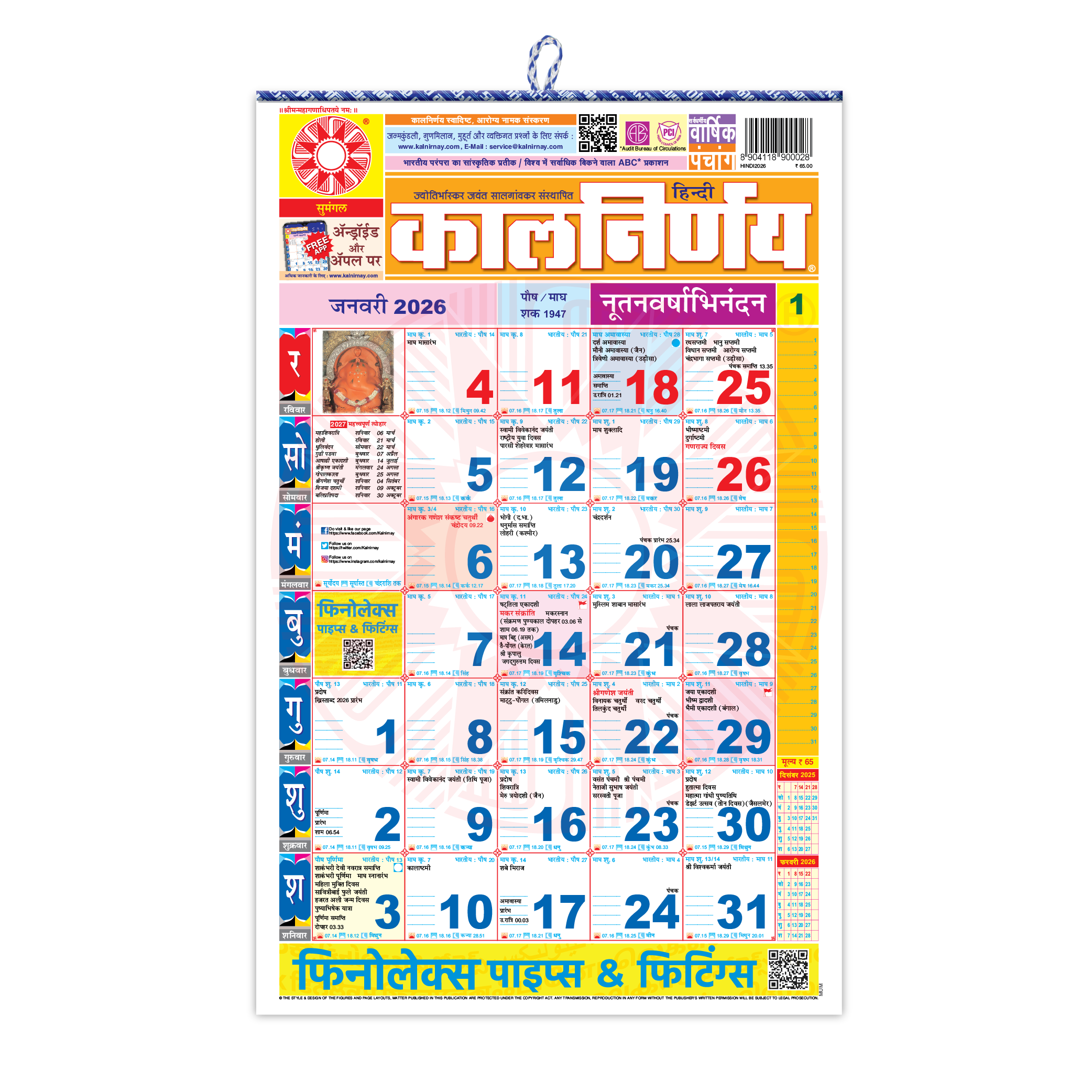
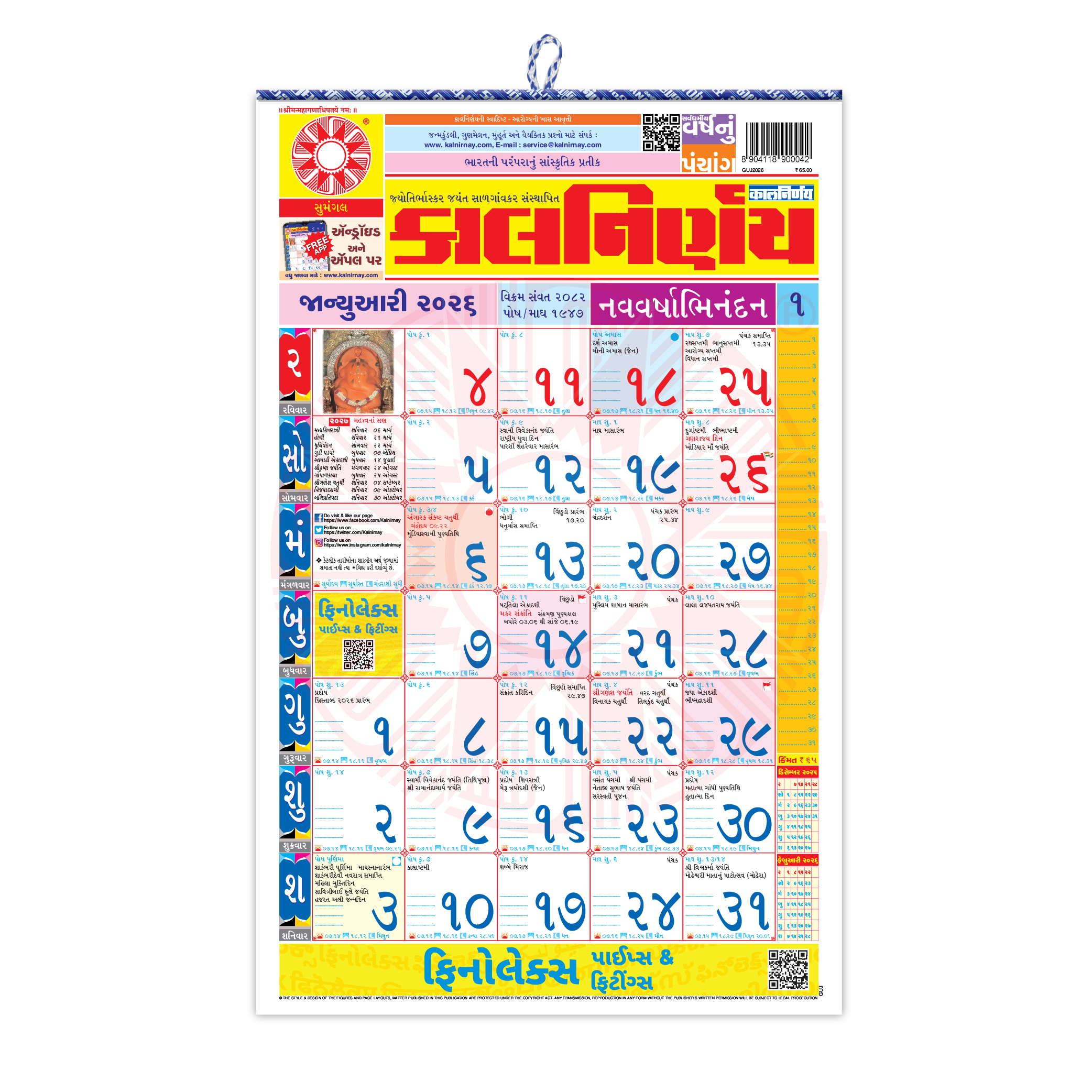
For Hindus in the USA, getting your hands on a physical Kalnirnay almanac might be challenging but not impossible. Many Indian grocery stores or spiritual shops in areas with large Indian populations might carry them. However, the modern age offers easier solutions:
- Official Kalnirnay Website: The official website (kalnirnay.com) often provides digital versions, app links, and sometimes even daily panchang details.
- Mobile Apps: Several reputable apps offer Kalnirnay’s data, often with customizable locations, making it perfect for USA-based users.
- Online Panchang Services: Many astrology and Hindu religious websites provide daily Panchang data that mirrors Kalnirnay’s information, often allowing you to input your specific US city for localized timings.
This digital access ensures that the traditions and precise timings of the Hindu calendar remain accessible, no matter where you are in the world.
Detailed Dive into February 2026 Festivals & Observances
Now, let’s explore the spiritual significance and common observances for each of February 2026’s key Hindu dates. Understanding the ‘why’ behind these festivals enriches your participation, even if you’re adapting them for life in the USA.
Magha Purnima (Sunday, February 1st, 2026)
Magha Purnima marks the full moon day of the Hindu month of Magha. It is considered an extremely auspicious day for taking holy dips in sacred rivers (like the Ganga in India), performing charity (Daan), and observing fasts. It is believed that observing rituals on this day cleanses one of sins and helps achieve salvation (Moksha).
- Significance: This day marks the conclusion of the month-long tapasya (penance) of the Magha month. It’s associated with spiritual purification and charity.
- Observances: Devotees may observe a full-day fast, perform Satyanarayan Puja, offer food to Brahmins, and donate clothes, food, or money to the needy. In the USA, while river dips aren’t practical for most, taking a ritual bath at home with devotional intent, performing puja, and charitable acts remain highly significant.
Sankashti Chaturthi (Thursday, February 5th, 2026)
Sankashti Chaturthi is observed every month on the fourth day (Chaturthi Tithi) of the Krishna Paksha (dark lunar fortnight). Dedicated to Lord Ganesha, the remover of obstacles, fasting on this day is believed to bring prosperity and good fortune, and help overcome challenges.
- Significance: ‘Sankashti’ means deliverance from trouble. Worshipping Lord Ganesha on this day is believed to resolve problems and fulfill desires.
- Observances: Devotees fast from morning until moonrise. After sighting the moon, they break their fast. Ganesha Puja is performed, offering Modaks (sweet dumplings) and Durva grass. In the USA, devotees can use online resources to determine local moonrise times.
Vijaya Ekadashi (Friday, February 13th, 2026)
Vijaya Ekadashi is one of the 24 Ekadashis observed annually, dedicated to Lord Vishnu. The word ‘Vijaya’ means ‘victory’, and observing a fast on this day is believed to grant victory in all undertakings and lead to spiritual liberation.
- Significance: It is highly revered for its power to remove past sins and ensure success in any righteous endeavor.
- Observances: A strict fast is observed, often without food or water (Nirjala Ekadashi), though some observe a partial fast. Devotees recite Vishnu Sahasranama, perform Vishnu Puja, and remain awake through the night (Jagran) chanting hymns. In the USA, devotees observe the fast and perform puja in their homes or local temples.
Kumbha Sankranti (Friday, February 13th, 2026)
Kumbha Sankranti marks the Sun’s transit from Makara (Capricorn) Rashi to Kumbha (Aquarius) Rashi. This transition is astrologically significant and considered auspicious for spiritual activities.
- Significance: The period around Sankranti is believed to be highly potent for spiritual practices, meditation, and charity. It’s a time for introspection and renewal.
- Observances: Many devotees take holy dips (though symbolic baths at home are more practical in the USA), perform Surya Puja (worship of the Sun God), and donate food, clothes, or sesame seeds.
Maha Shivaratri (Sunday, February 15th, 2026)
Maha Shivaratri is one of the most significant festivals in Hinduism, celebrated with great fervor by devotees of Lord Shiva. It marks the convergence of Shiva and Shakti, and many legends surround its origin, including the night Shiva performed the ‘Tandava’ dance and his marriage to Goddess Parvati.
- Significance: It’s a powerful night for spiritual awakening, meditation, and seeking blessings for liberation from sin and worldly desires.
- Observances: Devotees observe a strict fast, often a Nirjala (waterless) fast, throughout the day and night. They perform Shiva Lingam worship (Abhishekam) with milk, water, Bael leaves, and sacred ash (Bhasma). Many participate in Jagran, staying awake all night chanting mantras and performing pujas. Temples in the USA often hold special programs for this festival.
Phulera Dooj (Thursday, February 19th, 2026)
Phulera Dooj is a vibrant and auspicious festival primarily observed by devotees of Lord Krishna, particularly in the Braj region. It falls between Vasant Panchami and Holi, signifying the arrival of spring and joy.
- Significance: This day is considered immensely auspicious for starting new ventures and is associated with Lord Krishna’s playful nature, especially with flowers (Phul). No specific Muhurat is needed, as the entire day is believed to be inherently auspicious.
- Observances: Devotees adorn Radha-Krishna idols with colorful flowers and celebrate with music and dance. Many offer flowers and sweets to the deities. It’s a day of joy, color, and devotion, symbolizing love and happiness.
Panchang Insights for February 2026: Navigating Auspicious Timings
The Panchang (Pancha = five, Anga = parts) is the backbone of the Hindu calendar. It provides daily information based on five essential elements: Tithi, Nakshatra, Yoga, Karana, and Vaar (day of the week). Understanding these elements, especially through a resource like Kalnirnay, helps in identifying auspicious moments (Muhurats) for various activities and avoiding inauspicious ones.
Key Panchang Elements Explained
- Tithi (Lunar Day): A lunar day, varying in length, crucial for determining festival dates. There are 15 Tithis in each lunar fortnight (Shukla Paksha and Krishna Paksha).
- Nakshatra (Lunar Mansion): The position of the Moon in one of the 27 constellations, influencing personality and auspiciousness for events.
- Yoga (Combination): Derived from the longitudes of the Sun and Moon, indicating favorable or unfavorable periods.
- Karana (Half Tithi): Half of a Tithi, used for more precise timing.
- Vaar (Weekday): The day of the week, associated with different planetary influences.
While a full daily Panchang is extensive, here are some general highlights for February 2026, especially regarding auspicious and inauspicious timings relevant for daily life in the USA:
| Panchang Element | Description / Relevance for Feb 2026 | General Observation |
|---|---|---|
| Purnima (Full Moon) | Feb 1st (Magha Purnima). End of spiritual activities for Magha month. | Highly auspicious for meditation, charity, spiritual cleansing. |
| Amavasya (New Moon) | Feb 29th (End of the lunar month). | Auspicious for ancestor worship (Tarpan). Generally avoided for new beginnings. |
| Ekadashi | Feb 13th (Vijaya Ekadashi). Occurs twice a lunar month. | Sacred fasting day for Lord Vishnu, observing silence and introspection. |
| Sankranti | Feb 13th (Kumbha Sankranti). Sun’s transit between zodiac signs. | Favorable for spiritual practices, charity, holy dips. |
| Rahu Kalam | Daily ~90-minute inauspicious period. (Specific times vary by sunrise/sunset). | Generally avoided for starting new ventures, travel, or important ceremonies. |
| Yamaganda Kalam | Daily ~90-minute inauspicious period. (Specific times vary by sunrise/sunset). | Similar to Rahu Kalam, best to postpone critical activities. |
Understanding Auspicious and Inauspicious Timings
While the full Panchang is complex, the concepts of Rahu Kalam and Yamaganda Kalam are particularly practical for daily life. These are specific daily periods considered inauspicious for starting new endeavors. Their exact timings depend on the local sunrise and sunset, meaning they will differ significantly across various time zones in the USA. Using a Kalnirnay app or an online Panchang that customizes for your location is crucial for accurate daily guidance.
For significant life events like weddings, housewarmings, or business inaugurations, consulting a qualified astrologer for a personalized Muhurat (auspicious time) remains highly recommended. However, for smaller daily actions, being generally aware of Rahu Kalam and Yamaganda Kalam can guide your planning.
Observing Hindu Festivals in the USA: Practical Considerations
Observing Hindu festivals and following the Kalnirnay calendar in the USA presents unique opportunities and minor adjustments. It’s a testament to the adaptability and enduring spirit of Hinduism.
Adapting Rituals and Finding Community
The core of Hindu observance lies in intent (bhav) and devotion. While you might not have access to specific sacred rivers or all traditional ingredients, the essence of the rituals can still be maintained:
- Symbolic Observances: For rituals like holy dips, a bath at home with devotional chants and intent is considered equally meritorious.
- Ingredient Sourcing: Indian grocery stores are prevalent in many US cities, making it easier to find puja items, specific sweets, or fasting-friendly foods.
- Community Support: Connect with local Hindu temples, cultural centers, or online groups. These communities often organize collective pujas, celebrations, and even fasting gatherings, providing a sense of belonging and support.
Leveraging Digital Resources for Accuracy
As mentioned, digital Kalnirnay versions and other reliable online Panchang services are invaluable. They can:

- Localize Timings: Automatically adjust sunrise, sunset, moonrise, and specific Rahu Kalam/Yamaganda Kalam timings to your exact US city.
- Provide Reminders: Many apps offer notifications for important Tithis, festivals, and fasting days.
- Offer Explanations: Often include detailed information about the significance and rituals for each event.
This technological aid ensures that geographical distance doesn’t diminish the accuracy or depth of your observances.
The Primacy of Intent and Devotion
Ultimately, whether you’re observing a fast for Ekadashi or celebrating Maha Shivaratri, the sincerity of your devotion and the purity of your intent are paramount. Hindu scriptures emphasize that a sincere heart and a devoted mind are more important than rigid adherence to every minute detail, especially when adapting to new environments.
Why Kalnirnay Remains Relevant for the Modern Devotee
In an age dominated by digital calendars and globalized lifestyles, one might wonder about the enduring relevance of a traditional almanac like Kalnirnay. Its value, particularly for those in the diaspora, is multifaceted:
- Cultural Anchor: Kalnirnay serves as a tangible link to ancestral traditions and cultural identity, especially for younger generations growing up outside India.
- Spiritual Guide: It provides a structured framework for spiritual practice, ensuring that important dates are not missed and that observances are performed according to traditional timings.
- Informed Decision-Making: For those who incorporate Vedic astrology into their lives, Kalnirnay offers essential data for auspicious timings for personal and professional milestones.
- Educational Tool: It’s a rich source of information about Hindu mythology, fasting customs, and astrological principles, fostering deeper understanding and appreciation.
Its consistent accuracy and comprehensive nature make it an irreplaceable tool for navigating the complexities of the lunisolar calendar, ensuring that tradition thrives across continents.
Plan Ahead: Integrating February 2026 into Your Spiritual Journey
As you look at February 2026 through the lens of the Hindu calendar and Kalnirnay, consider how you can proactively integrate these insights into your life:
- Mark Your Calendar: Transfer key dates from this guide into your digital or physical planner.
- Prepare in Advance: For fasting days, plan your meals (if partial fasting), puja items, and any offerings.
- Engage with Community: If possible, participate in temple events or virtual gatherings for major festivals like Maha Shivaratri.
- Reflect and Learn: Use these auspicious days not just for rituals but for deeper meditation, self-reflection, and learning more about Hindu philosophy.
February 2026 offers several profound opportunities for spiritual engagement. By understanding the Hindu calendar, especially with the reliable guidance of Kalnirnay, you empower yourself to live a life deeply connected to your faith, no matter where you reside.
Frequently Asked Questions
What is Kalnirnay and how is it relevant for February 2026?
Kalnirnay is a popular lunisolar Hindu almanac (Panchang) that provides detailed daily information on Tithis, Nakshatras, Yogas, Karanas, festivals, and auspicious/inauspicious timings. For February 2026, it serves as a precise guide for Hindus, especially those in the USA, to accurately observe festivals, fasts, and other religious events according to traditional Vedic calculations.
What are the major Hindu festivals in February 2026?
February 2026 features several significant Hindu festivals and fasts, including Magha Purnima (Feb 1st), Sankashti Chaturthi (Feb 5th), Vijaya Ekadashi (Feb 13th), Kumbha Sankranti (Feb 13th), Maha Shivaratri (Feb 15th), and Phulera Dooj (Feb 19th). The month also concludes with Amavasya (New Moon) on February 29th.
How can I observe Hindu festivals in the USA?
Observing Hindu festivals in the USA can be adapted by focusing on devotion and intent. Use digital Kalnirnay apps or online Panchang services for localized timings (sunrise, moonrise). Source puja ingredients from Indian grocery stores, connect with local temples or online communities, and remember that symbolic observances (like ritual baths at home) are often as meritorious as traditional ones.
What is the significance of Maha Shivaratri in February 2026?
Maha Shivaratri, celebrated on February 15th, 2026, is one of the most important Hindu festivals dedicated to Lord Shiva. It commemorates the convergence of Shiva and Shakti and is considered a powerful night for spiritual awakening. Devotees observe strict fasts, perform Shiva Lingam worship, chant mantras, and often stay awake through the night (Jagran) to seek blessings for liberation and overcoming obstacles.
What are Rahu Kalam and Yamaganda Kalam, and how do they apply to February 2026?
Rahu Kalam and Yamaganda Kalam are daily periods considered inauspicious in Vedic astrology, typically lasting about 90 minutes. During these times, it is generally advised to avoid starting new ventures, making important decisions, or embarking on significant journeys. Their exact timings vary daily based on local sunrise and sunset, so for February 2026 in the USA, you would need to consult a localized Kalnirnay app or Panchang service for precise timings in your city.
Why does the Hindu calendar differ from the Gregorian calendar?
The Hindu calendar is a lunisolar calendar, meaning it tracks both the moon’s phases (lunar months) and the sun’s annual cycle (solar year), which dictate religious observances. The Gregorian calendar, on the other hand, is a purely solar calendar. Due to this fundamental difference, Hindu lunar months are shorter, requiring the periodic addition of an extra month (Adhik Maas) to synchronize with the solar year and ensure festivals fall within appropriate seasons.
Are there any specific auspicious dates for new beginnings in February 2026?
While the entire day of Phulera Dooj (February 19th) is considered inherently auspicious for starting new ventures, especially for Lord Krishna devotees, for other significant new beginnings (like weddings or major business deals), it is always best to consult a qualified astrologer for a personalized Muhurat (auspicious timing). General auspicious periods can be derived from the Panchang, but highly personal events warrant specific calculations.