Odia Calendar 2026 February Month: Your Definitive Guide to Auspicious Dates and Festivals
Are you looking to plan significant life events, observe important cultural festivals, or simply align your daily activities with traditional Odia wisdom? Understanding the Odia Calendar, or Panji, for February 2026 is key. Forget sifting through fragmented information; this guide is designed to be your one-stop resource for navigating the second month of 2026 through the lens of Odia tradition, providing clarity and practical insights, especially for those in the USA.
Table of Contents
- Odia Calendar 2026 February Month: Your Definitive Guide to Auspicious Dates and Festivals
- Navigating February 2026: Key Odia Dates at a Glance
- Major Festivals and Observances in Odia Calendar February 2026
- Maha Shivaratri: The Great Night of Shiva (February 15, 2026)
- Vijaya Ekadashi (February 12, 2026)
- Amalaki Ekadashi (February 26, 2026)
- Other Notable Observances
- Auspicious Timings and Muhurtas for February 2026
- Vivaha Muhurta (Marriage)
- Griha Pravesh Muhurta (Housewarming)
- Namakarana Muhurta (Naming Ceremony)
- Other Auspicious Days for February 2026
- Unpacking the Odia Panji: Key Elements for February 2026
- Tithi (Lunar Day)
- Nakshatra (Lunar Mansion)
- Yoga (Planetary Combinations)
- Karana (Half-Tithi)
- Rashi (Zodiac Sign)
- Daily Odia Calendar Insights: February 2026 Panji Breakdown
- Practical Applications: Using Your Odia Calendar in the Modern World (US Context)
- Event Planning & Celebrations
- Spiritual Practices & Fasting
- Personal Astrological Understanding
- The Significance of Odia Calendars and Panji
- Finding Reliable Odia Calendar Resources for 2026 and Beyond
February 2026, according to the Odia Panji, primarily covers the latter part of the Magha Masa and ushers in the auspicious Phalguna Masa. This period is rich with spiritual significance, important observances, and opportunities for auspicious beginnings. Whether you’re planning a wedding, a housewarming, or simply want to know the best days for spiritual practices, we’ve got you covered.
Navigating February 2026: Key Odia Dates at a Glance
Let’s kick things off with a quick overview of February 2026, highlighting the major Odia Tithis and their corresponding Gregorian dates. This table will give you an immediate snapshot of the month’s flow and important junctures.
| Gregorian Date | Odia Tithi (Lunar Day) | Key Events / Significance |
|---|---|---|
| February 1, 2026 | Magha Purnima (Ends) / Phalguna Pratipada (Starts) | Transition from Magha to Phalguna. Significant day for ritual bathing and charity. |
| February 5, 2026 | Phalguna Panchami | Generally favorable for learning and new ventures. |
| February 8, 2026 | Phalguna Ashtami | Good for spiritual practices and devotion. |
| February 12, 2026 | Phalguna Ekadashi (Vijaya Ekadashi) | Vijaya Ekadashi: Considered highly auspicious for attaining success and overcoming obstacles through fasting and prayers to Lord Vishnu. |
| February 13, 2026 | Phalguna Dwadashi | Parana day for Ekadashi fast. Good for charity. |
| February 14, 2026 | Phalguna Trayodashi | Pradosh Vrat day (if Trayodashi falls during Pradosh Kala). Dedicated to Lord Shiva. |
| February 15, 2026 | Phalguna Krishna Chaturdashi | Maha Shivaratri: The Great Night of Shiva. One of the most significant Hindu festivals, observed with fasting, prayers, and vigil. |
| February 16, 2026 | Phalguna Amavasya | New Moon day. Auspicious for ancestor worship (Tarpan). |
| February 17, 2026 | Phalguna Shukla Pratipada | Beginning of the bright fortnight of Phalguna. Generally good for new beginnings. |
| February 23, 2026 | Phalguna Shukla Saptami | Ratha Saptami (Surya Jayanti) if applicable in some traditions. Generally good for health. |
| February 26, 2026 | Phalguna Shukla Ekadashi (Amalaki Ekadashi) | Amalaki Ekadashi: Dedicated to Lord Vishnu, observed by worshipping the Amla tree. Significant for spiritual merit. |
| February 28, 2026 | Phalguna Shukla Trayodashi | Pradosh Vrat. |
Major Festivals and Observances in Odia Calendar February 2026
February 2026 holds a few profoundly significant days for the Odia community and Hindus worldwide. Understanding these festivals goes beyond just marking a date; it’s about connecting with centuries of cultural and spiritual heritage.
Maha Shivaratri: The Great Night of Shiva (February 15, 2026)
Without a doubt, Maha Shivaratri is the crown jewel of February 2026. This powerful festival celebrates Lord Shiva and the triumph of light over darkness, virtue over ignorance. Observances include:
- Nirjala Vrat: Many devotees observe a strict fast, often without water, throughout the day.
- Puja and Abhishek: Elaborate rituals involving bathing the Shiva Lingam with milk, water, honey, and bel leaves are performed in temples and homes.
- Jagaran: Devotees stay awake all night, chanting mantras, singing bhajans, and meditating, believing that staying awake on this night brings immense spiritual benefits.
- Significance: It’s believed that on this night, Lord Shiva performed the ‘Tandava,’ the cosmic dance of creation, preservation, and destruction. It’s also celebrated as the day Shiva married Goddess Parvati.
Vijaya Ekadashi (February 12, 2026)
Observed on the 11th lunar day of the Krishna Paksha (waning moon) of the Phalguna month, Vijaya Ekadashi is dedicated to Lord Vishnu. ‘Vijaya’ means victory, and it’s believed that observing a fast and performing prayers on this day helps devotees achieve success in their endeavors and overcome obstacles. This Vrat is particularly powerful for those seeking spiritual strength and resolution.
Amalaki Ekadashi (February 26, 2026)
Falling on the 11th lunar day of the Shukla Paksha (waxing moon) of Phalguna, Amalaki Ekadashi is uniquely associated with the Amla (Indian gooseberry) tree, which is considered sacred to Lord Vishnu. Devotees worship the Amla tree and offer its fruit to Vishnu, believing it brings immense blessings and spiritual merit. It’s also a day for fasting and prayer, often considered a precursor to Holi.
Other Notable Observances
- Pradosh Vrat (February 14 & 28, 2026): These bi-monthly fasts are dedicated to Lord Shiva and Parvati, observed on the 13th lunar day (Trayodashi) during twilight hours.
- Amavasya (February 16, 2026): The new moon day, important for performing ancestral rites (Tarpan) and seeking blessings from forefathers.
| Gregorian Date | Festival / Observance | Significance |
|---|---|---|
| February 1, 2026 | Magha Purnima (End) | Full moon of Magha, important for holy dips and charity. |
| February 12, 2026 | Vijaya Ekadashi | Fasting day dedicated to Lord Vishnu for victory and success. |
| February 14, 2026 | Pradosh Vrat | Auspicious fast for Lord Shiva and Parvati. |
| February 15, 2026 | Maha Shivaratri | The most significant festival for Lord Shiva; fasting, prayers, and vigil. |
| February 16, 2026 | Phalguna Amavasya | New moon day, ideal for ancestor worship. |
| February 26, 2026 | Amalaki Ekadashi | Fasting day dedicated to Lord Vishnu and the Amla tree. |
| February 28, 2026 | Pradosh Vrat | Another auspicious fast for Lord Shiva and Parvati. |
Auspicious Timings and Muhurtas for February 2026
One of the primary reasons people consult the Odia Calendar is to find Muhurtas – specific auspicious timeframes considered ideal for starting new ventures, performing ceremonies, or making major life decisions. Timing, according to Vedic astrology, can significantly influence the outcome of an event.
For February 2026, we’ve identified general periods suitable for various important life events. Please remember that for highly personal events like weddings or naming ceremonies, a personalized astrological consultation considering birth charts is always recommended. This list provides general guidance based on the Odia Panji.
Vivaha Muhurta (Marriage)
While February is a popular wedding month in the Gregorian calendar, auspicious Odia marriage dates are determined by planetary positions, Tithi, Nakshatra, and other complex astrological factors. February 2026 has a few suitable windows:
- Early February: A few dates early in the month before major festivals.
- Late February: Potential dates towards the end of the month, post-Amavasya, as the Shukla Paksha (waxing moon) is generally preferred.
Griha Pravesh Muhurta (Housewarming)
Moving into a new home or performing a housewarming ceremony (Griha Pravesh) requires careful timing to invite prosperity and peace. February 2026 offers some favorable days:
- Mid-February: After Maha Shivaratri and Amavasya, the new bright fortnight of Phalguna provides positive energy.
- Late February: Days around Phalguna Shukla Pratipada to Saptami are often considered good.
Namakarana Muhurta (Naming Ceremony)
A naming ceremony is a child’s formal introduction to the world and an important rite of passage. Auspicious days ensure a strong, positive start:
- Throughout Phalguna Shukla Paksha: The waxing moon period, particularly days with favorable Nakshatras, is generally auspicious for naming ceremonies.
Other Auspicious Days for February 2026
- Vehicle Purchase: Dates around Phalguna Shukla Dwitiya or Panchami.
- New Business or Project Launch: Days with strong Ekadashi or Dwadashi Tithis, particularly during the Shukla Paksha.
- Starting Education: Good days can be found in the Shukla Paksha, avoiding certain inauspicious Nakshatras.
| Gregorian Date | Type of Muhurta | General Suitability / Notes |
|---|---|---|
| February 2, 2026 | Griha Pravesh, Naming Ceremony | Good for domestic beginnings, initial ceremonies. |
| February 4, 2026 | New Business, Travel | Favorable for new ventures and journeys. |
| February 7, 2026 | Marriage, Vehicle Purchase | Generally auspicious for unions and significant purchases. |
| February 18, 2026 | Naming Ceremony, New Ventures | Post-Amavasya, strong day for fresh starts. |
| February 20, 2026 | Griha Pravesh, Marriage | Considered highly favorable for domestic harmony and marital bliss. |
| February 25, 2026 | Education, Spiritual Initiation | Auspicious for intellectual and spiritual pursuits. |
Important Note: For precise Muhurtas, especially for life-changing events, consulting an experienced Odia astrologer who can factor in your specific location (e.g., your city in the USA) and birth details is crucial. These tables offer general guidance.
Unpacking the Odia Panji: Key Elements for February 2026
To truly appreciate the Odia Calendar, you need to understand its foundational elements. The Panji isn’t just a list of dates; it’s a complex astrological almanac. Let’s break down what these terms mean for February 2026:
Tithi (Lunar Day)
A Tithi is a lunar day, defined by the angular distance between the sun and the moon. There are 30 Tithis in a lunar month, divided into two fortnights: the Shukla Paksha (waxing moon, bright fortnight) and the Krishna Paksha (waning moon, dark fortnight). Each Tithi has its own energy and significance. February 2026 begins at the transition from Magha Purnima to Phalguna Krishna Pratipada and progresses through the Krishna Paksha, leading to Phalguna Amavasya, and then into the auspicious Phalguna Shukla Paksha.
Nakshatra (Lunar Mansion)
The sky is divided into 27 Nakshatras, or lunar mansions, each occupying 13 degrees and 20 minutes of the zodiac. The moon’s position in a particular Nakshatra influences daily energies, personal characteristics, and the auspiciousness of events. Knowing the prevailing Nakshatra can guide you on what activities are favored or restricted on a given day in February 2026.
Yoga (Planetary Combinations)
Yoga in the Panji refers to specific planetary combinations that occur based on the longitudes of the Sun and Moon. There are 27 Yogas, each carrying distinct influences. Some Yogas are considered highly auspicious for specific activities, while others might indicate challenges or require caution. For February 2026, understanding the daily Yoga helps in fine-tuning your plans.

Karana (Half-Tithi)
Each Tithi is further divided into two Karanas. There are 11 Karanas in total, some fixed and some repeating. The Karana of the day provides a more granular understanding of the day’s energy, especially for practical, everyday tasks. For example, some Karanas are excellent for stable activities, while others favor dynamic actions.
Rashi (Zodiac Sign)
While Western astrology uses sun signs, Vedic astrology primarily focuses on the Rashi or moon sign. The moon’s transit through the 12 zodiac signs (Mesha, Brisha, Mithuna, Karka, Simha, Kanya, Tula, Bichha, Dhanu, Makara, Kumbha, Meena) influences daily moods and general fortune. Knowing the Moon’s Rashi for February 2026 can offer insights into emotional states and overall daily trends.
Daily Odia Calendar Insights: February 2026 Panji Breakdown
Let’s look at a selective daily breakdown for February 2026, focusing on key elements like Tithi, Nakshatra, and crucial timings to avoid (Rahu Kalam and Yamaganda Kalam), which are important for planning. These inauspicious periods are generally avoided for starting anything new or important.
| Date | Day | Odia Tithi | Nakshatra | Rahu Kalam (Approx.) | Yamaganda Kalam (Approx.) |
|---|---|---|---|---|---|
| Feb 1 | Sunday | Phalguna K. Pratipada | Purva Phalguni | 4:30 PM – 6:00 PM | 12:00 PM – 1:30 PM |
| Feb 5 | Thursday | Phalguna K. Panchami | Anuradha | 1:30 PM – 3:00 PM | 6:00 AM – 7:30 AM |
| Feb 12 | Thursday | Phalguna K. Ekadashi | Uttara Ashadha | 1:30 PM – 3:00 PM | 6:00 AM – 7:30 AM |
| Feb 15 | Sunday | Phalguna K. Chaturdashi | Dhanishta | 4:30 PM – 6:00 PM | 12:00 PM – 1:30 PM |
| Feb 16 | Monday | Phalguna Amavasya | Shatabhisha | 7:30 AM – 9:00 AM | 10:30 AM – 12:00 PM |
| Feb 20 | Friday | Phalguna S. Chaturthi | Ashwini | 10:30 AM – 12:00 PM | 3:00 PM – 4:30 PM |
| Feb 26 | Thursday | Phalguna S. Ekadashi | Ardra | 1:30 PM – 3:00 PM | 6:00 AM – 7:30 AM |
Note on Timings: Rahu Kalam and Yamaganda Kalam are based on typical sunrise/sunset patterns in the USA. Actual precise timings vary by exact location (longitude/latitude) and daylight saving adjustments. Always cross-reference with a localized panchang if precision is critical.
Practical Applications: Using Your Odia Calendar in the Modern World (US Context)
Living in the USA, far from the daily rhythms of Odisha, doesn’t diminish the importance of the Odia Calendar. In fact, it often makes it even more vital for maintaining cultural connections and spiritual practices. Here’s how you can effectively use the February 2026 Odia Panji:
Event Planning & Celebrations
- Weddings and Engagements: If you’re planning an Odia wedding in the US, consulting the Odia Calendar for auspicious Vivaha Muhurtas is fundamental. Even for pre-wedding ceremonies, choosing favorable days can enhance positive outcomes.
- Housewarmings (Griha Pravesh): Moving into a new home is a huge step. Selecting an auspicious Griha Pravesh Muhurta helps usher in good fortune, peace, and prosperity.
- Naming Ceremonies (Namakarana): For new parents, finding the right Nakshatra and Tithi for a child’s naming ceremony is crucial for their future well-being and destiny.
- Purchases: For significant purchases like a new car, property, or launching a major personal project, aligning with favorable Tithis and Nakshatras can be beneficial.
Spiritual Practices & Fasting
- Festival Observance: The Odia Calendar clearly marks festivals like Maha Shivaratri, Ekadashis, and Pradosh Vrats. For those observing fasts or performing specific pujas, knowing these dates is non-negotiable.
- Daily Worship: Understanding the daily Tithi and Nakshatra can inform your personal prayers or meditation, perhaps focusing on deities associated with specific energies.
- Ancestral Rites: Days like Amavasya are crucial for performing Tarpan (offerings to ancestors), maintaining a connection to your lineage.
Personal Astrological Understanding
- Self-Awareness: By observing the daily Tithis, Nakshatras, and planetary positions, you can start to notice patterns in your own energy levels, moods, and productivity. This fosters a deeper connection to cosmic rhythms.
- Consultation Preparation: If you’re consulting an astrologer, having a basic understanding of these calendar elements can help you engage more meaningfully with their readings.
The Significance of Odia Calendars and Panji
The Odia Calendar, or Panji, is far more than just a date-keeping system. It’s a repository of astronomical calculations, astrological wisdom, and cultural heritage that has guided generations of Odia people. Rooted in ancient Vedic traditions, it harmonizes lunar and solar cycles, providing a nuanced understanding of time and its inherent energies.
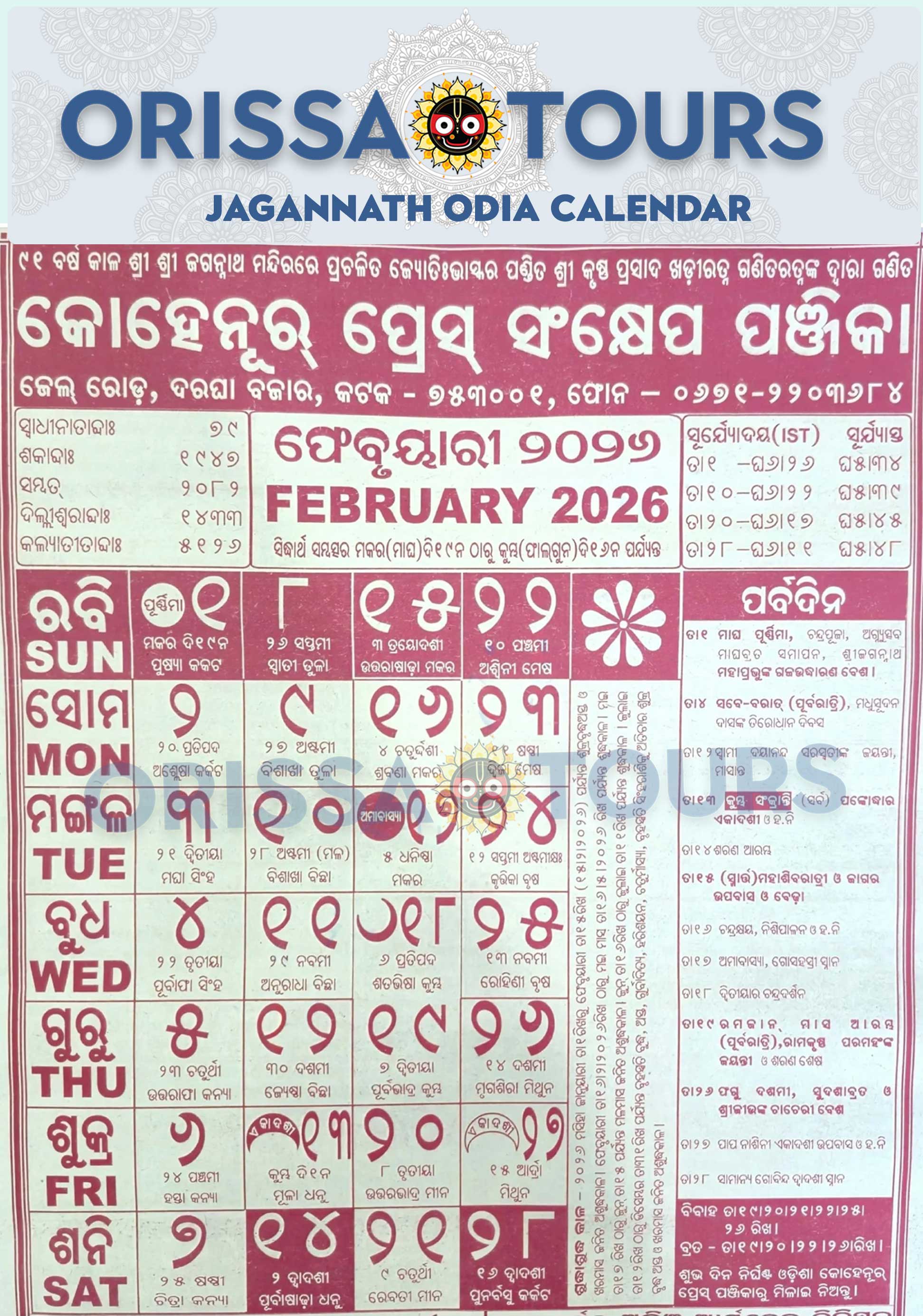
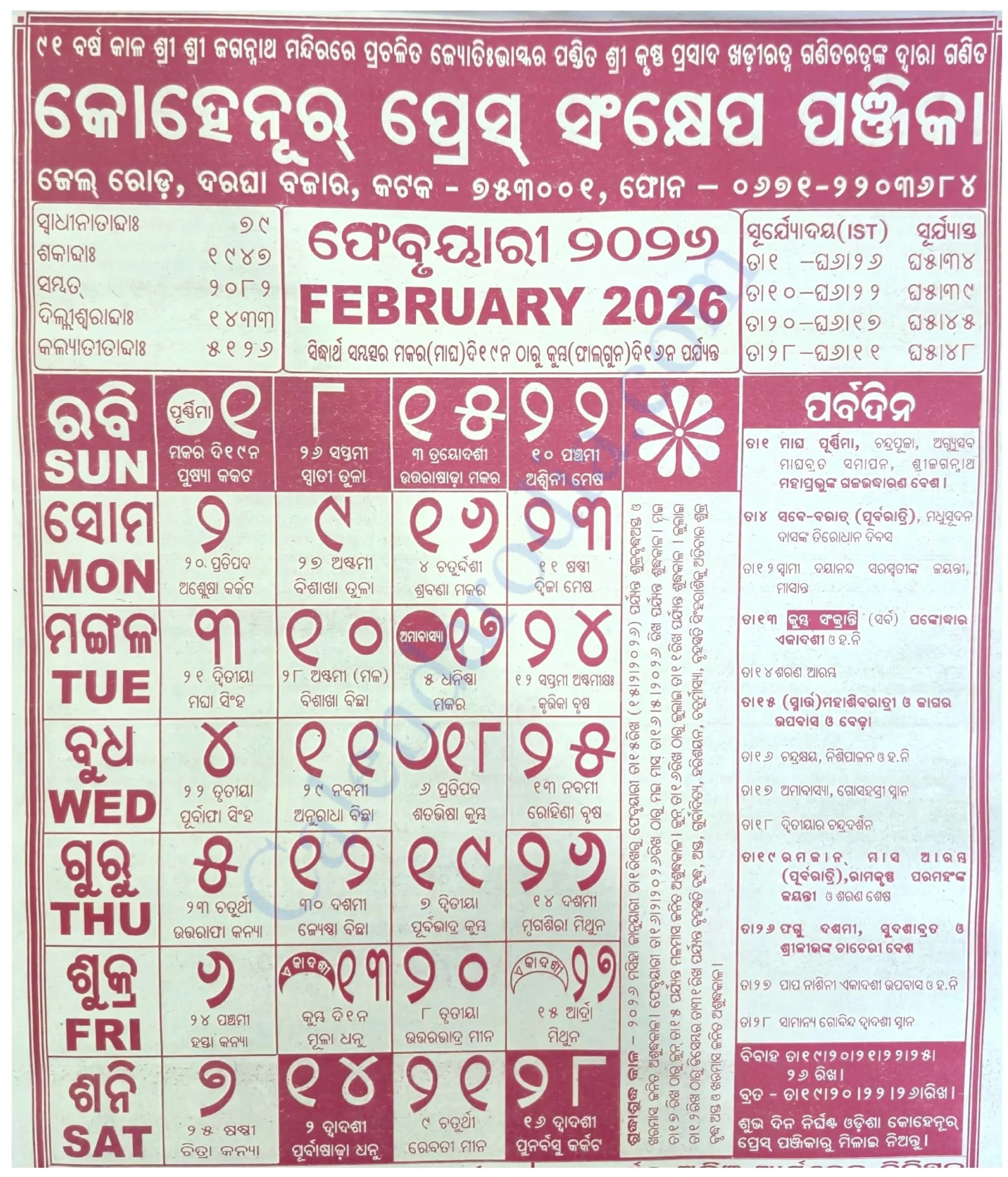
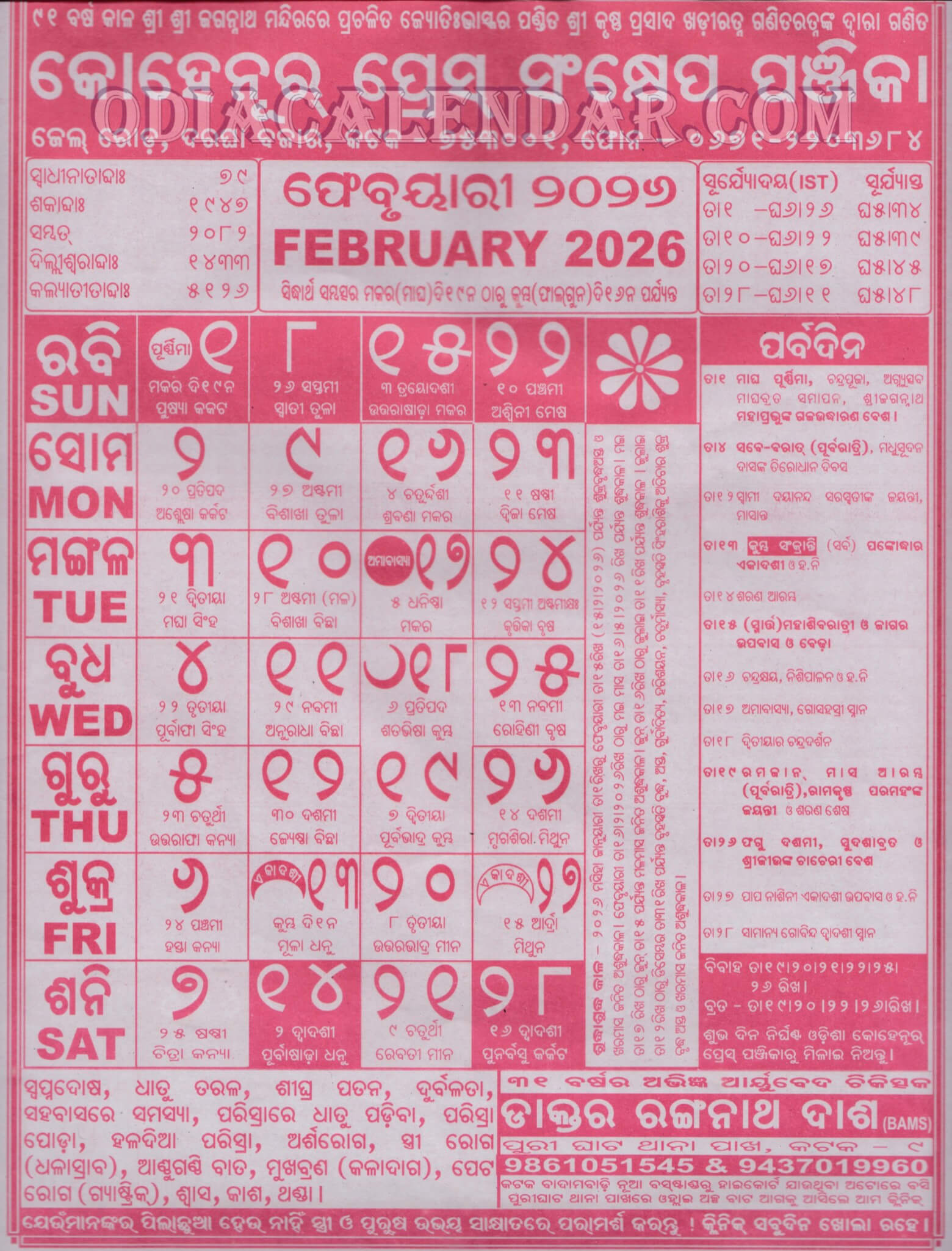
Unlike the purely solar Gregorian calendar, the Odia Panji is a lunisolar calendar, meaning its months are primarily based on the phases of the moon, while its year is adjusted to align with the solar year. This intricate system allows for the precise determination of auspicious timings (Muhurtas) for religious ceremonies, festivals, and personal milestones.
The Kohinoor Panji and Radharaman Panji are two of the most widely recognized and respected Odia almanacs, diligently compiled each year to serve the community. These printed calendars are still highly valued, though digital versions and online resources now offer easier access, especially for the global Odia diaspora.
For Odias, the Panji is a daily companion, helping them maintain their cultural identity, observe their dharma (righteous conduct), and make informed decisions guided by astrological principles. It’s a living tradition that ensures continuity between past, present, and future.
Finding Reliable Odia Calendar Resources for 2026 and Beyond
With so much information available, identifying reliable sources for your Odia Calendar needs is crucial. Here’s what to look for:
- Traditional Publishers: Look for information derived from historically reputable Odia Panji publishers. These have been meticulously calculated for centuries.
- Astrological Authority: Ensure the source draws its information from established Vedic astrological principles and experienced astrologers.
- Location Specificity: While general dates are universal, precise timings for sunrise, sunset, Rahu Kalam, and Muhurtas depend on your geographical location. A good digital resource or astrologer can adjust for your specific city in the USA.
- Clear Explanations: The best resources don’t just provide data; they explain what it means, helping you understand the ‘why’ behind the ‘what.’
Embracing the Odia Calendar for February 2026 is about more than just dates. It’s about reconnecting with a rich cultural heritage, leveraging ancient wisdom for modern living, and finding harmony in your daily rhythm.
Whether you’re planning a grand celebration or a quiet spiritual observance, the insights from the Odia Panji can illuminate your path. Use this guide to plan your February 2026 with confidence, making every day count according to the timeless traditions of Odisha.

Frequently Asked Questions
What is the primary Odia month covered in February 2026?
February 2026 primarily covers the latter part of the Magha Masa and then transitions into the auspicious Phalguna Masa according to the Odia Calendar. The transition usually happens around the full moon (Purnima) of Magha.
What is the most significant Odia festival in February 2026?
The most significant Odia festival in February 2026 is Maha Shivaratri, which falls on February 15, 2026. This is a major observance dedicated to Lord Shiva, celebrated with fasting, prayers, and vigil.
Are there auspicious dates for weddings (Vivaha Muhurta) in February 2026 according to the Odia Calendar?
Yes, there are generally a few auspicious windows for Vivaha Muhurta in February 2026, typically in the early part of the month or towards the end during the Shukla Paksha (waxing moon) of Phalguna. However, personalized astrological consultation is always recommended for precise dates based on individual birth charts and location.
What are Rahu Kalam and Yamaganda Kalam, and why are they important?
Rahu Kalam and Yamaganda Kalam are specific inauspicious time periods each day, varying based on the day of the week and sunrise/sunset. They are considered unfavorable for initiating new ventures, important meetings, or major ceremonies. It’s generally advised to avoid these times for significant activities.
How can I use the Odia Calendar in the USA?
You can use the Odia Calendar in the USA to plan cultural and religious events like weddings, housewarmings, naming ceremonies, and festivals. It helps in observing traditional fasts, performing pujas, and connecting with your heritage. While general dates are universal, precise timings for Muhurtas should be adjusted for your specific US location, possibly with an astrologer.
What are Tithi, Nakshatra, and Yoga in the Odia Panji?
These are fundamental components of the Odia Panji: Tithi is a lunar day, based on the angular distance between the sun and moon. Nakshatra refers to 27 lunar mansions through which the moon transits, influencing daily energies. Yoga represents specific planetary combinations that affect the day’s auspiciousness. Together, they provide a detailed astrological understanding of each day.