February 2027 Holidays Philippines: Your Definitive Guide to Planning & Culture
Planning a trip, a business venture, or simply curious about the Philippines in February 2027? You’ve landed in the right spot. Understanding the local holiday calendar isn’t just about marking days off; it’s about navigating culture, managing logistics, and maximizing your experience. The Philippines has a vibrant calendar, and February, while seemingly short, packs a punch with significant observances.
Whether you’re a traveler eyeing pristine beaches, an entrepreneur synchronizing schedules, or a curious mind delving into Filipino traditions, knowing when the nation pauses is crucial. We’ll cut through the noise and give you the definitive, human-friendly breakdown of what February 2027 holds for the Philippines, along with actionable insights to make your plans seamless.
Official February 2027 Philippine Holidays at a Glance
Let’s get straight to the essential dates. For February 2027, the Philippines observes a mix of widely celebrated cultural events and a significant national holiday. Here’s a quick overview to anchor your planning:
| Date | Day of Week | Holiday / Observance Name | Type | Brief Significance |
|---|---|---|---|---|
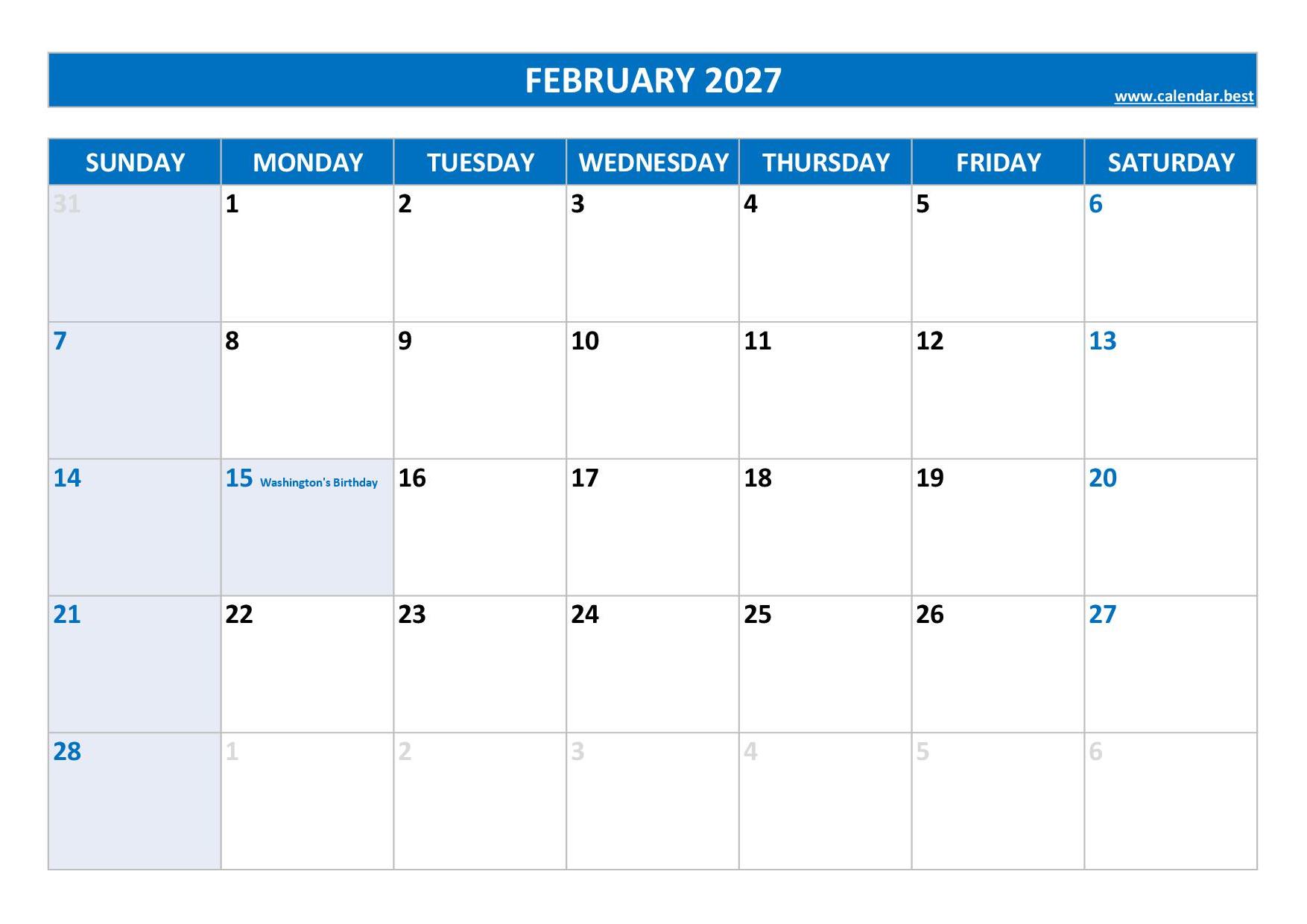
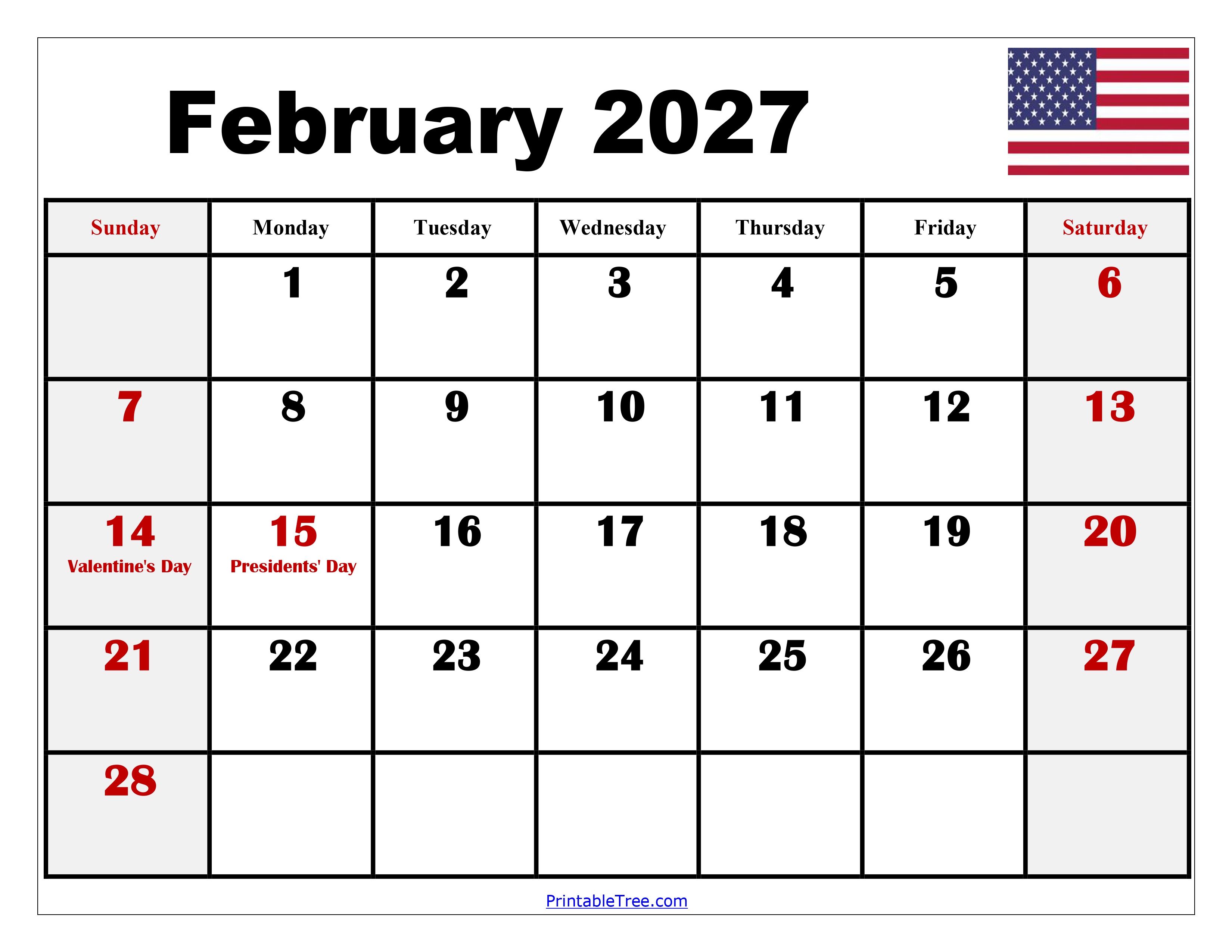
| February 6, 2027 | Saturday | Lunar New Year’s Day (Chinese New Year) | Observance / Special (often non-working) | Celebrated by Chinese-Filipino communities; often declared a Special Non-Working Day via presidential proclamation. |
| February 25, 2027 | Thursday | EDSA People Power Revolution Anniversary | Special Non-Working Holiday | Commemorates the 1986 peaceful revolution that restored democracy. |
Remember, while these dates are generally fixed, the official declaration of Special Non-Working Holidays, particularly for events like Lunar New Year, comes from the Office of the President of the Philippines. Always keep an eye on official government announcements closer to the date for final confirmation.
Deep Dive into February 2027 Philippine Holidays
Knowing the dates is one thing; understanding their heart is another. Let’s unpack the cultural and historical weight of February’s significant dates.
February 6, 2027: Lunar New Year’s Day (Chinese New Year)
While not a traditional Filipino holiday rooted in pre-colonial or Spanish-era history, the Lunar New Year (often simply called Chinese New Year) is a massive cultural event in the Philippines. Why? Because the nation is home to a significant and influential Chinese-Filipino population.
This isn’t just a quiet observance. Expect vibrant celebrations, especially in areas with strong Chinese communities like Binondo (Manila’s Chinatown). You’ll see:
- Dragon and Lion Dances: Parades fill the streets, believed to ward off evil spirits and bring good fortune.
- Feasting: Families gather for elaborate meals, symbolizing unity and prosperity. Sticky rice cakes (tikoy) are a must-have!
- Firecrackers and Fireworks: Traditionally used to scare away bad luck and welcome good fortune.
- Red Envelopes (Ang Pao): Given to children and unmarried adults, containing money as a symbol of good luck.
From a practical standpoint, the Lunar New Year is often declared a Special Non-Working Holiday by presidential proclamation. This means many businesses and schools will close, but it’s not a mandatory closure for all. Always check local news or official government pronouncements.
February 25, 2027: EDSA People Power Revolution Anniversary
This is a profoundly significant date in modern Philippine history, observed as a Special Non-Working Holiday nationwide. The EDSA People Power Revolution in 1986 was a truly remarkable event – a largely nonviolent four-day series of protests that led to the overthrow of the dictatorial regime of Ferdinand Marcos and the restoration of democracy.
EDSA stands for Epifanio de los Santos Avenue, the main thoroughfare in Metro Manila where millions gathered in solidarity. The anniversary is a day of reflection and remembrance, highlighting the power of collective action and peaceful dissent. While it’s a non-working day, it’s generally a more solemn commemoration rather than a festive one.
What does this mean for you?
- Public Services: Government offices, banks, and some private businesses will likely be closed.
- Transportation: Public transport usually operates, but expect fewer commuters.
- Traffic: Metro Manila might experience localized traffic reroutes or heavier traffic around memorial sites if commemorative events are held on EDSA itself.
Understanding Philippine Holiday Classifications
The Philippines categorizes its holidays, and knowing the difference is crucial for travel planning, business operations, and understanding local life. These classifications often dictate how employees are compensated and which businesses are required to close.
Regular Holidays
These are the major holidays that are statutorily observed nationwide. They carry specific labor law implications, including premium pay for employees who work on these days. Examples include New Year’s Day, Holy Week (Maundy Thursday, Good Friday), Araw ng Kagitingan (Day of Valor), Independence Day, National Heroes Day, Bonifacio Day, Christmas Day, and Rizal Day.
During Regular Holidays, expect:
- Widespread Closures: Most government offices, banks, and many private businesses will be closed.
- Reduced Services: Some public transportation may have reduced schedules.
- Higher Costs: Travel and accommodation might be more expensive due to demand.
Special Non-Working Holidays
These holidays are also observed nationwide, but their labor law implications are different from regular holidays. For February 2027, the EDSA People Power Revolution Anniversary falls into this category. The Lunar New Year is also frequently declared a Special Non-Working Holiday by the President.
Key characteristics of Special Non-Working Holidays:
- Optional Work: Employees who work on these days usually receive a different premium pay compared to regular holidays.
- Varying Closures: Some businesses and government offices may close, while others (especially in the service sector like malls, restaurants) may remain open, often with adjusted hours.
- Less Impact on Travel: While some services might be affected, the impact on general travel and tourism is typically less severe than during Regular Holidays.
It’s important to note that the dates for some Special Non-Working Holidays (like Lunar New Year or Eid al-Fitr/Eid al-Adha) can vary year-to-year and are often declared via presidential proclamation just weeks or months before. This highlights the importance of checking official sources like the Philippine Presidential Communications Office (PCO.gov.ph) for the most current information.
Observances
These are important dates of cultural, religious, or historical significance that are recognized but do not typically lead to public closures or specific labor premium requirements. They allow individuals and communities to observe the day as they wish, without mandatory impact on work or school schedules. The Lunar New Year, even when not declared a Special Non-Working Day, always functions as an important observance for the Chinese-Filipino community.
Why February is a Unique Time in the Philippines
Beyond the specific holidays, February offers a unique window into the Philippines, particularly for visitors from the US. Understanding the broader context can enhance your experience significantly.
Ideal Weather Conditions
February falls squarely within the Philippines’ dry season (roughly November to May). This means:
- Pleasant Temperatures: Generally cooler and less humid than the scorching summer months (April-May). Expect average temperatures around 25-30°C (77-86°F).
- Minimal Rainfall: Lower chances of typhoons or heavy monsoon rains, making it perfect for island hopping, beach activities, and exploring outdoor attractions.
- Sunshine: Abundant sunny days are the norm, ideal for photography and outdoor adventures.
Travel Implications: A Peak Season Sweet Spot
Given the favorable weather, February is often considered part of the peak travel season for the Philippines. This has a few key implications for your travel plans:
- Increased Demand: Popular destinations like Boracay, Palawan, Cebu, and Siargao will see more tourists.
- Higher Prices: Flights and accommodations, especially in prime locations, might be more expensive and book up quickly.
- Crowds: Expect more people at major attractions and transportation hubs.
However, the EDSA People Power Revolution Anniversary is generally a local observance that doesn’t significantly impact international tourism, and Lunar New Year celebrations are largely concentrated in urban centers or specific communities. So, while it’s peak season, it’s not as universally disruptive as, say, Holy Week or Christmas.
Planning Your Trip or Business Operations Around February 2027 Holidays
Knowledge is power, especially when it comes to international travel and business. Here’s how to leverage this information for a smooth February 2027 experience in the Philippines.
For Travelers
February is a fantastic time to visit, but smart planning is essential:
- Book Early: This cannot be stressed enough. Secure your flights, hotels, and popular tours well in advance – think 3-6 months ahead, especially for high-demand areas. Websites like Philippine Airlines or other major carriers often open bookings far in advance.
- Anticipate Crowds: Popular beaches, historical sites, and major transport terminals will be busier. If you prefer solitude, research less-traveled islands or consider visiting during the shoulder seasons.
- Local Festivities: If you’re near a strong Chinese-Filipino community during Lunar New Year (like in Manila or Cebu), embrace the cultural experience! Just be prepared for potential street closures or increased foot traffic.
- Respect Observances: While EDSA People Power is not a somber holiday for tourists, understanding its significance shows respect for local history and culture.
- Cash is King (sometimes): While major cities accept cards, smaller establishments and remote islands might rely heavily on cash. Plan your withdrawals before hitting isolated spots.
For Businesses (US-based dealing with PH)
If your operations intersect with the Philippines, these holidays require attention:
- Communications & Deadlines: Be mindful of the EDSA People Power Revolution Anniversary (Feb 25) and potential Lunar New Year (Feb 6) closures. Communication channels with your Filipino counterparts might be slower, and deadlines could shift. Proactively clarify schedules.
- Logistics & Supply Chain: Factor in potential delays for shipments or services if ports, customs, or local transport companies observe the holidays. The Bureau of Immigration (Philippines) and other government agencies will likely be closed on Feb 25th.
- Labor Law Awareness: If you employ staff in the Philippines, understand the country’s labor laws regarding holiday pay. The Department of Labor and Employment (Philippines) website is a reliable source for current regulations. Special Non-Working Holidays have different pay rules than Regular Holidays.
- Cultural Nuances: Wishing your partners ‘Kung Hei Fat Choy’ (Happy New Year in Cantonese) or ‘Gong Xi Fa Cai’ (in Mandarin) for Lunar New Year can go a long way in building relationships.
General Tips
- Stay Updated: The most accurate information will always come from official government sources. Bookmark the official gazette or the PCO website for proclamations.
- Flexibility: While planning is key, sometimes things change. Maintain a degree of flexibility in your itinerary or business schedule.
- Local Expertise: If you’re engaged in complex business dealings, consider consulting with local Filipino legal or business experts.
Beyond February: A Glimpse at Other 2027 Philippine Holidays
While February is our focus, the Philippine holiday calendar for 2027 features many other important dates. Here’s a high-level overview of what else to expect throughout the year:
| Month | Key Holidays/Observances (Tentative) | Type |
|---|---|---|
| January | New Year’s Day, Feast of the Black Nazarene (observance) | Regular Holiday, Observance |
| April | Maundy Thursday, Good Friday, Black Saturday, Easter Sunday, Araw ng Kagitingan (Day of Valor) | Regular Holidays, Special Non-Working Holiday |
| May | Labor Day | Regular Holiday |
| June | Independence Day, Eid al-Fitr (subject to moon sighting) | Regular Holiday, Regular Holiday |
| August | National Heroes Day | Regular Holiday |
| September | Eid al-Adha (subject to moon sighting) | Regular Holiday |
| November | All Saints’ Day (Special Non-Working), Bonifacio Day | Special Non-Working Holiday, Regular Holiday |
| December | Feast of the Immaculate Conception (Special Non-Working), Christmas Eve (Special Non-Working), Christmas Day, Rizal Day, New Year’s Eve (Special Non-Working) | Special Non-Working Holiday, Special Non-Working Holiday, Regular Holiday, Regular Holiday, Special Non-Working Holiday |
Please note that Islamic holidays like Eid al-Fitr and Eid al-Adha are declared based on the lunar calendar and official moon sightings, so their exact dates are confirmed closer to the event by the President of the Philippines.
Knowing the full scope of holidays helps you avoid unexpected surprises and plan longer trips or business cycles more effectively throughout the year. The Department of Tourism (Philippines) often publishes guides that can help with general travel planning around these dates.
Final Thoughts: Embrace the Philippine Rhythm
February 2027 in the Philippines promises great weather, vibrant cultural celebrations, and a moment of national reflection. By understanding the official holidays—the widely observed Lunar New Year and the commemorative EDSA People Power Revolution Anniversary—you’re not just ticking boxes; you’re stepping into the rhythm of Filipino life.
Whether for leisure or business, a well-informed approach ensures a richer, smoother, and more respectful engagement with this incredible archipelago. So, go ahead, mark your calendars, and prepare for a memorable experience!
Frequently Asked Questions
What are the official holidays in the Philippines for February 2027?
For February 2027, the Philippines officially observes the EDSA People Power Revolution Anniversary on February 25th as a Special Non-Working Holiday. Lunar New Year’s Day (February 6th) is widely celebrated and often declared a Special Non-Working Holiday via presidential proclamation, though its status needs official confirmation closer to the date.
How do Philippine holidays impact travel for a US tourist?
During Special Non-Working Holidays like EDSA People Power, some government offices and banks may close, but tourist attractions, malls, and public transport usually operate. For Lunar New Year, expect vibrant celebrations in Chinese-Filipino communities, which might involve temporary street closures. February is also part of the dry, peak travel season, so anticipate higher demand and prices for flights and accommodations, making early booking crucial.
What is the difference between a Regular Holiday and a Special Non-Working Holiday in the Philippines?
Regular Holidays are major statutory holidays with specific labor law implications (e.g., mandatory premium pay for work, widespread closures). Special Non-Working Holidays are also observed but have different labor compensation rules and typically result in less uniform closures, with many businesses and services remaining open, often with adjusted hours. The EDSA People Power Revolution Anniversary is a Special Non-Working Holiday.
Is Lunar New Year (Chinese New Year) an official public holiday in the Philippines for 2027?
Lunar New Year’s Day (February 6, 2027) is not automatically a Regular Holiday. However, it is very commonly declared a Special Non-Working Holiday by a presidential proclamation due to the significant Chinese-Filipino population and its cultural importance. Travelers and businesses should look for the official proclamation from the Office of the President of the Philippines closer to the date.
How do I find the most up-to-date information on Philippine holidays?
The most reliable and definitive source for Philippine holidays are official government announcements, typically presidential proclamations. You can check the website of the Philippine Presidential Communications Office (PCO.gov.ph) or the Official Gazette of the Republic of the Philippines (officialgazette.gov.ph) for the latest declarations.
What kind of weather can I expect in the Philippines in February 2027?
February falls within the Philippines’ dry season, generally offering excellent weather. You can expect pleasant temperatures (around 25-30°C or 77-86°F), lower humidity, abundant sunshine, and minimal rainfall or typhoon activity, making it an ideal time for outdoor activities and island exploration.