February 2027 Holidays in India: Your Definitive Guide to Festivals & Observances
Planning a business trip, a cultural immersion, or simply trying to connect with friends and family in India during February 2027? You’ve come to the right place. Navigating the diverse tapestry of Indian holidays can be tricky, especially when factoring in national, state, and religious observances. You don’t want to arrive only to find key businesses shut or miss out on a vibrant local festival. I get it.
This isn’t just another dry list. I’m giving you the definitive, human-friendly guide to February 2027 holidays in India, breaking down what each day means, how it’s celebrated, and what impact it might have on your plans. From national gazetted holidays to significant regional festivals and cultural observances, you’ll get the full picture, helping you plan your month with confidence and cultural sensitivity.

Quick Glance: February 2027 Indian Holidays at a Standalone Table
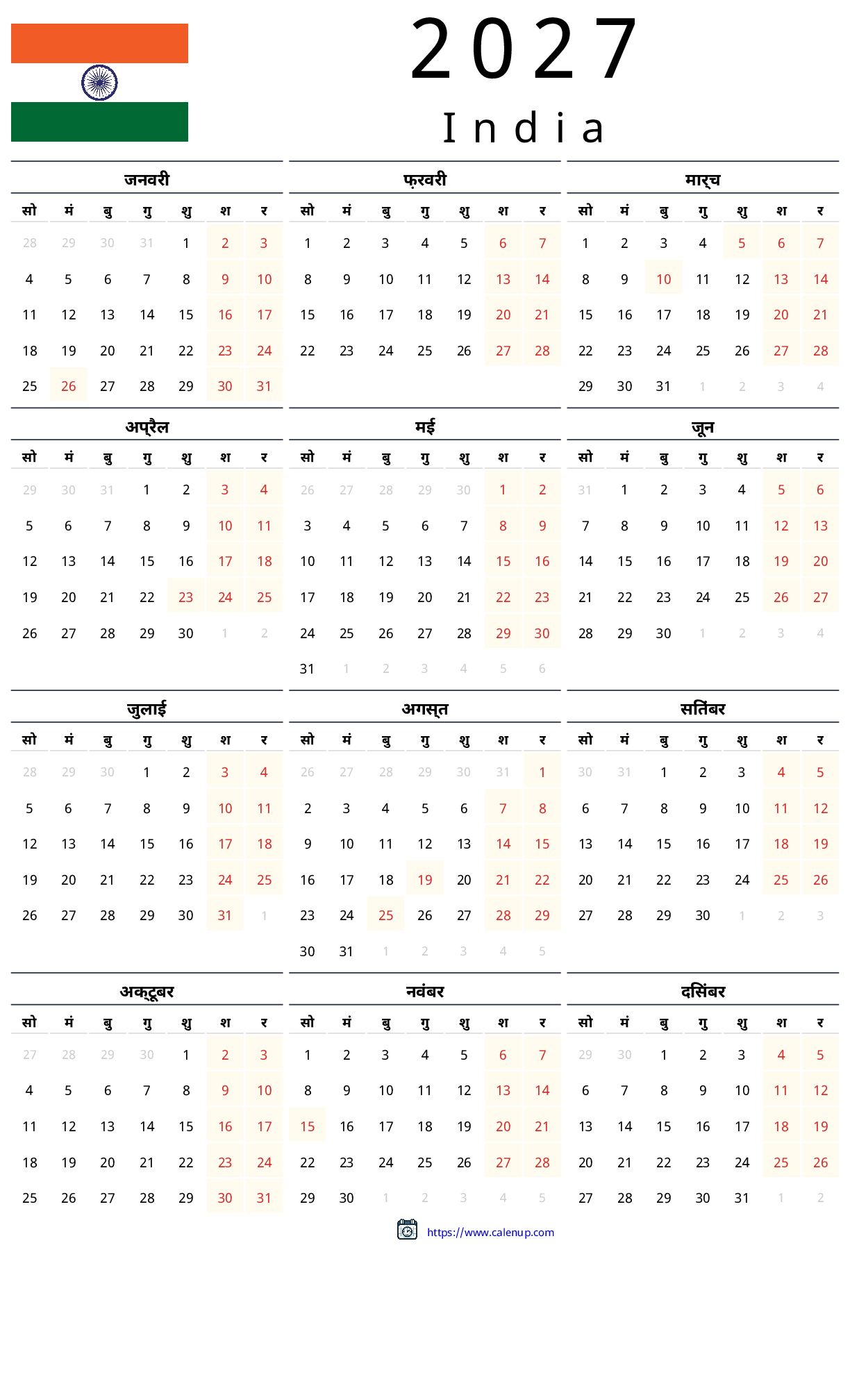
Let’s kick things off with the most important part: a clear, concise overview. This table will be your go-to reference for all significant dates in February 2027 across India. I’ve categorized them to make planning even easier.
| Date | Day | Holiday Name | Type of Holiday | Significance / Key States Observing |
|---|---|---|---|---|
| February 11, 2027 | Thursday | Vasant Panchami (Saraswati Puja) | Restricted Holiday / Religious Festival | Celebration of Goddess Saraswati, marking the arrival of spring. Widely observed in North, West, and East India. |
| February 13, 2027 | Saturday | Ramadan Begins (Tentative) | Religious Observance | Holy month of fasting and prayer for Muslims worldwide. Dates are approximate based on lunar calendar. |
| February 14, 2027 | Sunday | Valentine’s Day | International Observance / Commercial | Celebrated by younger generations and couples, though not an official public holiday. |
| February 18, 2027 | Thursday | Maha Shivaratri (Tentative) | Restricted Holiday / Religious Festival | Dedicated to Lord Shiva, observed with fasting and prayers. Dates are approximate based on lunar calendar. |
| February 19, 2027 | Friday | Shivaji Jayanti | State Holiday | Birthday of Chhatrapati Shivaji Maharaj. Primarily observed in Maharashtra. |
| February 20, 2027 | Saturday | Guru Ravidas Jayanti | Restricted Holiday / Religious Festival | Commemorates the birth of Guru Ravidas. Significant in Punjab, Haryana, and Himachal Pradesh. |
| February 21, 2027 | Sunday | International Mother Language Day | UN Observance | Promotes linguistic and cultural diversity. Not a public holiday. |
Diving Deeper: Understanding February 2027’s Major Indian Festivals and Observances
Now that you have the dates, let’s explore the heart of these celebrations. Understanding the ‘why’ behind each holiday enriches your experience and offers profound insights into India’s rich cultural fabric.
Vasant Panchami (Saraswati Puja) – February 11, 2027 (Thursday)
Imagine a day when the color yellow paints the landscape, symbolizing the bloom of mustard fields and the vibrancy of spring. That’s Vasant Panchami, a joyous Hindu festival celebrating Goddess Saraswati, the deity of knowledge, music, art, and wisdom.
- Significance: It marks the onset of spring (Vasant Ritu) and is considered an auspicious day for new beginnings, especially for students and artists. Many initiate their children’s education or begin learning a new art form on this day.
- How it’s Celebrated: Devotees wear yellow clothes, offer yellow flowers and sweets to Goddess Saraswati. Educational institutions and homes are adorned, and special ‘pujas’ (worship rituals) are performed. In some regions, kite flying is a popular tradition.
- Regional Focus: Widely celebrated with great fervor across North, West, and East India, particularly in states like West Bengal, Bihar, Punjab, and Uttar Pradesh.
Ramadan Begins – February 13, 2027 (Saturday) (Tentative)
For millions of Muslims in India and worldwide, February 13th, 2027, marks the highly anticipated beginning of Ramadan, the ninth month of the Islamic calendar. This is a profound period of spiritual introspection and devotion.
- Significance: It commemorates the first revelation of the Quran to Prophet Muhammad. During this holy month, Muslims observe a strict fast from dawn until dusk, refraining from food, drink, and other physical needs.
- How it’s Observed: The fast (Sawm) is broken after sunset with a meal called ‘Iftar’, often shared with family and community. Special prayers (Tarawih) are offered, and there’s an increased focus on charity (Zakat) and acts of kindness.
- Regional Focus: Observed by Muslim communities across all states of India. Please note that the exact start date is subject to the sighting of the crescent moon, making it ‘tentative’ until officially announced by religious authorities.
Maha Shivaratri – February 18, 2027 (Thursday) (Tentative)
Just five days after the tentative start of Ramadan, Hindus will observe Maha Shivaratri, the ‘Great Night of Shiva.’ This is one of the most significant festivals dedicated to Lord Shiva, the Destroyer within the Hindu Trinity.
- Significance: Celebrated to honor Lord Shiva and Parvati’s wedding. Many believe that on this night, Lord Shiva performs the ‘Tandava’ dance of creation, preservation, and destruction.
- How it’s Celebrated: Devotees observe a strict fast, perform ‘lingam puja’ (worship of Shiva’s idol), chant prayers, and maintain an all-night vigil. Temples dedicated to Shiva are beautifully decorated and thronged by devotees. Offerings often include milk, water, bel leaves, and fruits.
- Regional Focus: Celebrated with immense devotion nationwide, particularly in states with prominent Shiva temples like Uttar Pradesh, Uttarakhand, Maharashtra, Tamil Nadu, and Andhra Pradesh. The date is also tentative, based on the lunar calendar.
Shivaji Jayanti – February 19, 2027 (Friday)
On February 19th, the state of Maharashtra comes alive to celebrate Shivaji Jayanti, commemorating the birth anniversary of Chhatrapati Shivaji Maharaj, the legendary founder of the Maratha Empire.
- Significance: Shivaji is revered as a national hero for his administrative prowess, military genius, and efforts to establish a just and independent Maratha kingdom against the Mughal Empire.
- How it’s Celebrated: This is a vibrant state holiday in Maharashtra. Grand processions, cultural programs, historical plays, and patriotic speeches mark the day. People dress in traditional Maratha attire, and forts associated with Shivaji are illuminated.
- Regional Focus: Primarily observed as a public holiday in Maharashtra. While admired nationwide, its public holiday status is concentrated in his home state.
Guru Ravidas Jayanti – February 20, 2027 (Saturday)
Following Shivaji Jayanti, February 20th brings Guru Ravidas Jayanti, a significant day for the Ravidassia community and admirers of his teachings.
- Significance: This day celebrates the birth anniversary of Guru Ravidas, a revered Indian mystic and social reformer from the 15th century. His teachings emphasized equality, humanitarianism, and devotion.
- How it’s Celebrated: Followers participate in ‘kirtans’ (devotional singing), ‘langars’ (community meals), and processions. Special prayers are held at temples and ‘gurudwaras’ dedicated to Guru Ravidas. The focus is on promoting his message of universal brotherhood and social justice.
- Regional Focus: Particularly significant and celebrated in the states of Punjab, Haryana, and Himachal Pradesh, as well as by Ravidassia communities across India. It is often observed as a restricted holiday.
Other Notable Observances & International Days in February
While not public holidays that close businesses, these days hold cultural or international significance:
- Valentine’s Day (February 14, 2027, Sunday): Though a Western import, Valentine’s Day has gained considerable popularity among younger generations in urban India. You’ll see cards, gifts, and special events, but don’t expect offices or banks to close.
- International Mother Language Day (February 21, 2027, Sunday): Recognized by the United Nations, this day promotes linguistic and cultural diversity. Educational institutions and cultural organizations may host events, but it’s not a holiday.
Types of Holidays in India: What You Need to Know
Understanding the classification of holidays in India is crucial for planning, especially if you’re engaging in business or travel.
Gazetted Holidays (Public/National Holidays)
These are the big ones! Gazetted Holidays are mandatory public holidays observed nationwide. Government offices, banks, and most businesses are closed. India has only three true National Holidays: Republic Day (January 26), Independence Day (August 15), and Gandhi Jayanti (October 2). February 2027 doesn’t have any of these, but it’s good to know the category.
Restricted Holidays (Optional Holidays)
Many religious festivals, like Vasant Panchami and Maha Shivaratri, fall under the category of Restricted Holidays. These are optional holidays. Employees are usually allowed to choose a limited number of restricted holidays from a given list to observe. While not everyone takes them, government offices might operate with reduced staff, and private businesses may choose to remain open.
State-Specific Holidays
India is a union of states, and each state has the autonomy to declare its own holidays based on local cultural and historical significance. State-Specific Holidays, like Shivaji Jayanti in Maharashtra, only apply within that particular state. If you’re traveling or doing business across different states, this is an important distinction to remember.
Religious Festivals & Observances
Beyond official holidays, India’s calendar is dotted with countless Religious Festivals and Observances. Many of these are not public holidays but are deeply ingrained in daily life. Schools might close, or local communities might have specific celebrations. Awareness of these can enrich your cultural experience, even if they don’t impact your work schedule directly.
Planning Your Trip or Business Schedule Around Indian Holidays
Knowing the holidays is one thing, but understanding their practical implications for someone in the USA planning a trip or business engagement is key. Let’s get practical.
Travel Considerations:
- Book in Advance: During major festivals, domestic travel (trains, flights, buses) can be heavily booked and more expensive. Plan and book your tickets well in advance.
- Local Transport: In cities observing a state holiday or major festival, local transportation might be affected, with reduced services or reroutes due to processions.
- Accommodations: Hotels in popular tourist or pilgrimage destinations can see increased demand during religious festivals. Secure your bookings early.
- Cultural Immersion: If you’re visiting during a festival like Vasant Panchami or Maha Shivaratri, embrace the opportunity! You’ll witness incredible cultural vibrancy, traditional rituals, and community spirit. Be respectful, ask for permission before taking photos, and enjoy the experience.
Business Implications:
- Office Closures: While February 2027 has no national gazetted holidays, state-specific holidays like Shivaji Jayanti in Maharashtra will mean offices and banks in that state are closed. Restricted holidays might mean key contacts are observing them.
- Communication Delays: Be prepared for potential communication delays during festival periods, even if offices are technically open. Many will be celebrating with family.
- Cultural Sensitivity: Acknowledging and respecting Indian holidays, especially when dealing with Indian counterparts, goes a long way. A simple “Happy Vasant Panchami!” can build rapport.
- Project Deadlines: Factor in any potential holiday-related slowdowns when setting deadlines for projects involving Indian teams.
Why Understanding Indian Holidays Matters (Even if You’re in the USA)
You might be thinking, “I’m in the USA, why do I need to know about Indian holidays?” Fair question! The answer lies in global connectivity and cultural appreciation.
- Connecting with Colleagues & Friends: Many in the USA have Indian colleagues, friends, or family. Knowing when a significant festival like Vasant Panchami or Maha Shivaratri occurs allows you to extend thoughtful greetings, fostering stronger relationships.
- Better Business Relations: If you conduct business with India, understanding their holiday calendar is not just practical; it’s a sign of respect and professionalism. It helps you manage expectations, plan communications, and avoid awkward scheduling conflicts.
- Cultural Appreciation: India’s culture is vibrant and ancient. Learning about its festivals is a fantastic way to broaden your worldview and deepen your appreciation for global diversity. It’s about more than just dates; it’s about stories, beliefs, and traditions.
- Future Travel Planning: Even if you’re not going to India in February 2027, this knowledge builds a foundation for future travel. You might decide you want to experience Diwali, Holi, or another grand festival, and knowing how to research these helps you plan.
Embrace the Vibrancy of February 2027 in India
February 2027 in India is a month brimming with cultural significance and spiritual devotion. From the educational celebrations of Vasant Panchami to the profound fasting of Ramadan, the worship of Maha Shivaratri, and the historical tributes of Shivaji Jayanti, each day tells a story.
By understanding these holidays, you’re not just reading a calendar; you’re gaining insight into a civilization that thrives on tradition, community, and colorful celebrations. Whether you’re planning a journey, managing international business, or simply fostering global connections, this guide empowers you to navigate February 2027 in India with knowledge and respect. So go ahead, mark your calendars, and get ready to engage with the rich cultural tapestry that India offers!
Frequently Asked Questions
What are the major public holidays in India during February 2027?
February 2027 in India does not have any nationwide Gazetted Holidays (national public holidays). However, several significant religious festivals like Vasant Panchami (Feb 11), Maha Shivaratri (Feb 18, tentative), and Guru Ravidas Jayanti (Feb 20) are observed as Restricted Holidays, and Shivaji Jayanti (Feb 19) is a State Holiday in Maharashtra. Ramadan also begins around Feb 13, which is a major religious observance.
Is Vasant Panchami a public holiday across all of India?
Vasant Panchami (February 11, 2027) is generally observed as a ‘Restricted Holiday’ in India, not a mandatory public holiday. This means government offices and most businesses typically remain open, but employees may have the option to take the day off. It is widely celebrated culturally, particularly in North, West, and East India.
How will Ramadan in February 2027 impact travel or business in India?
Ramadan begins around February 13, 2027 (tentative). While not a public holiday that closes businesses, it’s a month of fasting for Muslims. You might notice some changes in business hours, particularly in Muslim-majority areas, with less activity during fasting hours and increased activity after sunset for Iftar meals. Be mindful of cultural sensitivities, and business communications might see slight delays.
Which states observe Shivaji Jayanti as a holiday in February 2027?
Shivaji Jayanti (February 19, 2027) is a significant ‘State Holiday’ primarily observed in Maharashtra. If you are traveling or conducting business in Maharashtra, expect government offices, banks, and many businesses to be closed on this day. It is not a public holiday in other Indian states.
Are the dates for Maha Shivaratri and Ramadan confirmed for February 2027?
No, the dates for Maha Shivaratri (February 18, 2027) and Ramadan’s beginning (February 13, 2027) are tentative. Both are determined by the lunar calendar and the sighting of the moon, which can lead to slight variations. It’s always advisable to check with local religious authorities or reputable calendar sources like Drik Panchang closer to the date for final confirmation.
What is the difference between a Gazetted Holiday and a Restricted Holiday in India?
A Gazetted Holiday is a mandatory public holiday observed by all government offices, banks, and most businesses nationwide. There are only three national Gazetted Holidays in India. A Restricted Holiday (also known as an Optional Holiday) is one that an employee can choose to take off from a list provided by their employer. Businesses and offices usually remain open on Restricted Holidays.