Your Definitive Guide to the Full Snow Moon in February 2027: Date, Time & Significance
Are you looking ahead to February 2027, wondering when the mystical full moon will grace our skies? You’ve come to the right place. February’s full moon, affectionately known as the Snow Moon, is a celestial event steeped in history, cultural significance, and astronomical wonder. In 2027, it holds even more intrigue, peaking in the meticulous sign of Virgo and accompanied by a partial lunar eclipse. Get ready to mark your calendars because this isn’t just any full moon; it’s a spectacle.
Let’s dive straight into the crucial details so you can plan your viewing and reflection:
When Exactly is the Full Moon in February 2027? (The Nitty-Gritty Details for the USA)
No need to scour multiple sources or convert time zones yourself. We’ve got the precise information you need for the February 2027 Full Snow Moon, including its exact peak time and how that translates across the United States.
The Exact Date and UTC Time
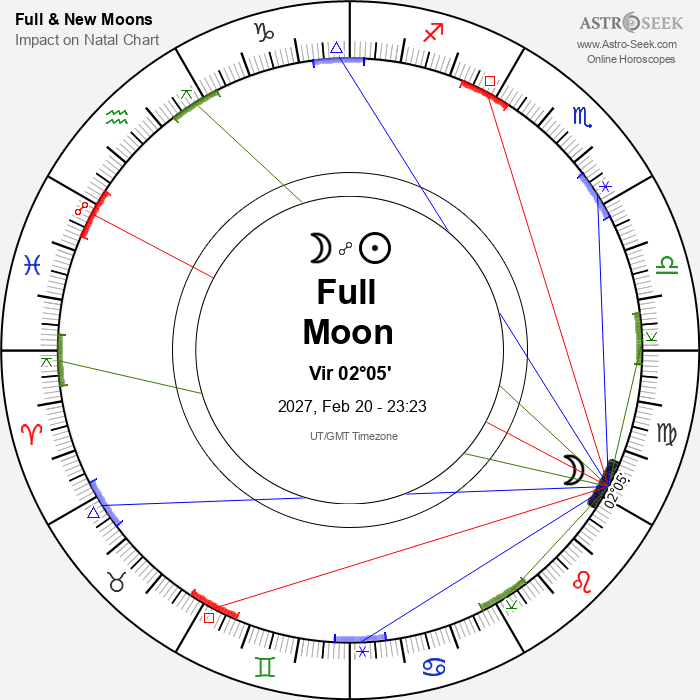
The Full Snow Moon in February 2027 will officially reach its peak illumination on Saturday, February 20, 2027, at 23:23 Coordinated Universal Time (UTC). Remember, UTC is the primary time standard by which the world regulates clocks and time, and it’s essential for universal astronomical calculations.
But here’s the kicker: this particular full moon is extra special because it coincides with a partial lunar eclipse! While not a total eclipse, it means you’ll witness a subtle darkening of the moon as it passes through Earth’s outer shadow (penumbra) and a small part of its inner shadow (umbra).
Full Moon February 2027 Across US Time Zones
Since the full moon peaks late on February 20th UTC, for most of the United States, it will occur in the evening. Here’s a breakdown of the exact peak times for major US time zones, ensuring you don’t miss a moment of this luminous event and the accompanying eclipse:
| Time Zone | Date | Peak Time (Local) | Notes |
|---|---|---|---|
| UTC (Coordinated Universal Time) | Saturday, February 20, 2027 | 23:23 | Global standard time for peak. |
| EST (Eastern Standard Time) | Saturday, February 20, 2027 | 6:23 PM | Prime evening viewing for the Eastern Seaboard. |
| CST (Central Standard Time) | Saturday, February 20, 2027 | 5:23 PM | Early evening for the Central US. |
| MST (Mountain Standard Time) | Saturday, February 20, 2027 | 4:23 PM | Late afternoon, might be visible at moonrise. |
| PST (Pacific Standard Time) | Saturday, February 20, 2027 | 3:23 PM | Afternoon, best viewing will be after sunset. |
| AKST (Alaska Standard Time) | Saturday, February 20, 2027 | 2:23 PM | Afternoon, watch for moonrise as evening approaches. |
| HST (Hawaii Standard Time) | Saturday, February 20, 2027 | 1:23 PM | Mid-day, will be visible after sunset. |
Regardless of your time zone, the moon will appear full to the naked eye for about three days centered around these peak times. So, even if you can’t be out at the exact moment, you’ll still have ample opportunity to observe its magnificent glow.
What Moon Phase is February 2027?
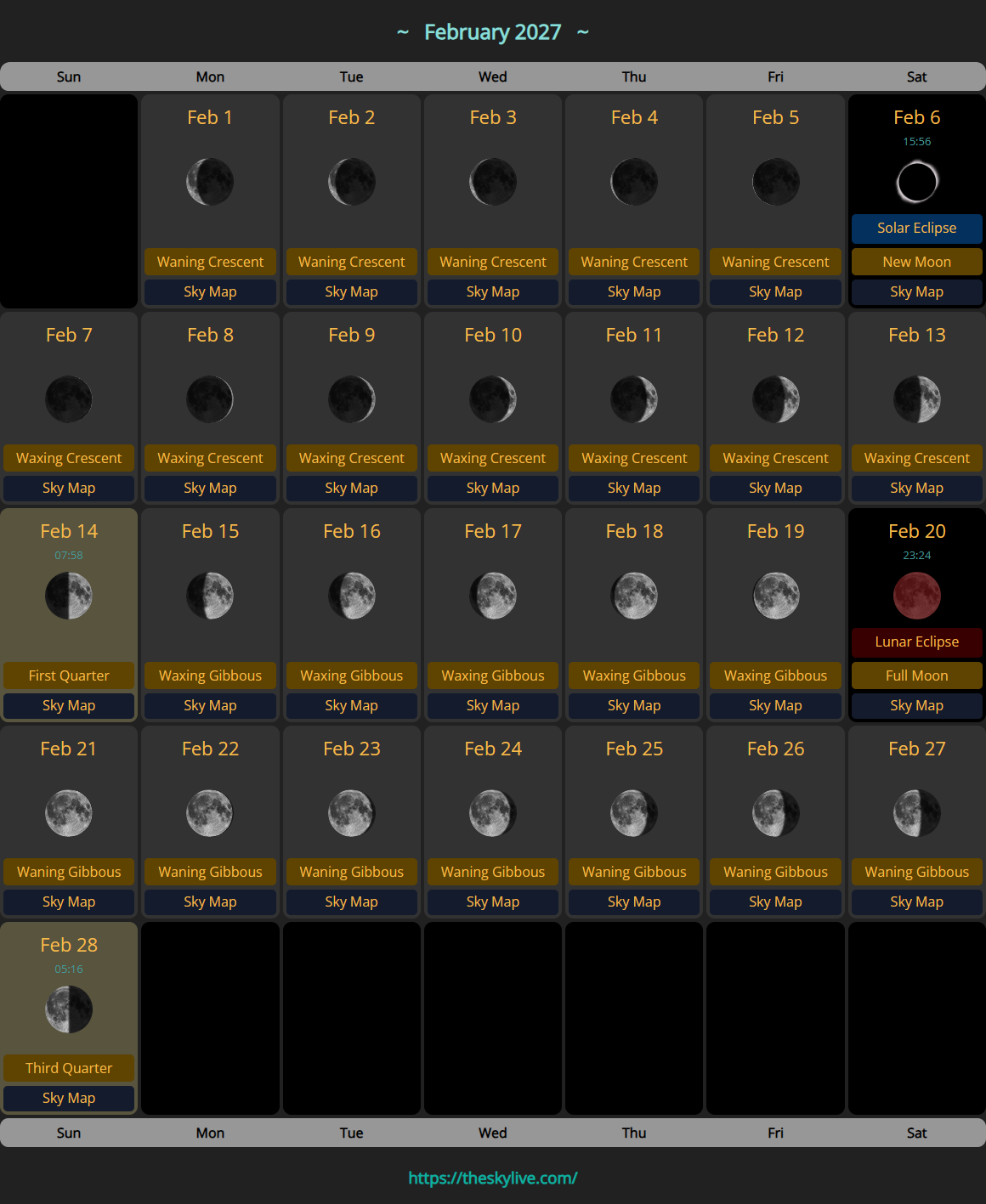
Before the grand event of the Full Snow Moon, the lunar cycle in February 2027 will progress through several phases:
- New Moon: Saturday, February 6, 2027
- First Quarter Moon: Saturday, February 13, 2027
- Full Moon (Snow Moon): Saturday, February 20, 2027
- Last Quarter Moon: Saturday, February 27, 2027
The journey from the New Moon, where the sky is dark and the moon is invisible, through the waxing crescent and first quarter, leads to the brilliantly illuminated full moon. After its peak, the moon will enter its waning gibbous phase, gradually diminishing in light each night.
The Snow Moon: Unpacking February’s Full Moon Name
Have you ever wondered why each full moon has such evocative names? February’s full moon is famously known as the Snow Moon, a name that paints a vivid picture of winter’s embrace. But where did this name come from, and what other appellations does this frosty moon carry?
Origins of the Snow Moon Name
The name “Snow Moon” traces its roots primarily to the Native American tribes of the northern and eastern United States. For these communities, February was (and often still is) a month synonymous with heavy snowfall. The hunting conditions became exceptionally difficult, and life was a struggle for survival amidst the deep snow and scarcity of food.
- Practical Observation: The name was a straightforward reflection of the harsh weather conditions prevalent during this time of year.
- Survival and Resilience: It highlighted a period when resources were scarce, emphasizing the resilience required to endure winter.
This traditional naming system, often documented by sources like The Farmer’s Almanac, connects us directly to the rhythms of nature and the wisdom of indigenous cultures.
Other Names for the February Full Moon
While “Snow Moon” is the most widely recognized, other cultures and regions had their own names for the February full moon, each reflecting unique observations or challenges of the season:
- Hunger Moon: Another common Native American name, underscoring the scarcity of food due to harsh winter weather and difficult hunting.
- Storm Moon: Reflecting the frequent blizzards and severe weather patterns common in February.
- Little Famine Moon: A name with similar connotations to the Hunger Moon, highlighting periods of food shortage.
- Chaste Moon: In some European traditions, particularly among the Anglo-Saxons, this name was associated with purity and new beginnings, perhaps in anticipation of spring.
- Ice Moon: Another direct reference to the icy conditions of late winter.
These names aren’t just quaint historical footnotes; they serve as a powerful reminder of humanity’s ancient connection to the lunar cycle and its profound influence on daily life.
The Full Moon in Virgo: Astrological Insights for February 2027
Beyond its astronomical beauty and cultural nomenclature, the Full Snow Moon of February 2027 carries a distinct astrological signature: it occurs in the meticulous and analytical sign of Virgo. For those who follow astrology, this alignment adds another layer of meaning to the lunar event.
Every full moon is a moment of culmination, illumination, and release. When the full moon shines in a particular zodiac sign, it highlights the themes associated with that sign, bringing them into sharp focus. Virgo, an Earth sign ruled by Mercury, is known for its:
- Practicality and Organization: Virgo loves order, efficiency, and systemization. This full moon might prompt you to organize your physical space, your digital life, or even your thoughts.
- Attention to Detail: The Virgo influence encourages a close examination of the small things. What details in your life need refinement or better execution?
- Service and Health: Virgo is deeply connected to well-being, routines, and service to others. This full moon can be a powerful time to assess your health habits, diet, and how you are contributing to your community or work.
- Analysis and Discernment: With Virgo’s analytical mind, this full moon could bring clarity to situations that have felt muddled. It’s a time for discernment, separating what works from what doesn’t.
So, as the Full Snow Moon brightens the sky, consider taking stock of the practical areas of your life. It’s an opportune moment to release old habits that no longer serve your well-being, refine your routines, and appreciate the beauty in structured order. The energy of this moon supports a pragmatic approach to bringing your intentions to fruition, grounded in thoughtful analysis.
Observing the Full Snow Moon: Tips for Stargazers and Enthusiasts
The Full Snow Moon of February 2027, especially with its accompanying partial lunar eclipse, is an event worth experiencing. Whether you’re a seasoned stargazer or simply appreciate the beauty of the night sky, here are some tips to make the most of it.
Best Time for Viewing
While the moon appears full for several nights, the absolute peak illumination and the eclipse will occur on Saturday, February 20, 2027. For most of the US, this is in the late afternoon/early evening.
- Moonrise/Moonset: Often, the most dramatic views of the full moon are shortly after it rises or before it sets. When the moon is low on the horizon, atmospheric scattering can give it a warm, orange hue, and it often appears much larger due to the ‘moon illusion’. Check your local moonrise and moonset times for February 20th and 21st, 2027.
- Eclipse Timing: The partial lunar eclipse will be subtle, but visible if you’re looking closely during the peak hours. Because it’s a partial eclipse, the moon won’t disappear entirely but will dim noticeably, especially as it dips into the Earth’s inner shadow (umbra).
- Clear Skies: Of course, the most crucial element for viewing is clear skies. Keep an eye on the weather forecast for February 20th and 21st.
Photography Tips
Capturing the full moon, especially during an eclipse, can be a rewarding challenge. Here are some basic tips:
- Equipment: A DSLR or mirrorless camera with a telephoto lens (200mm or more) and a sturdy tripod will give you the best results. A remote shutter release can also help prevent camera shake.
- Settings: Experiment with your camera settings.
- ISO: Keep it low (e.g., ISO 100-400) to minimize noise.
- Aperture: Start around f/8 or f/11 for good sharpness.
- Shutter Speed: This will vary depending on the moon’s brightness and whether you’re capturing the eclipse. Start with something relatively fast (e.g., 1/125th to 1/250th of a second) and adjust. During the eclipse, you’ll need a slower shutter speed as the moon darkens.
- Focus: Manual focus is often best. Use Live View to zoom in and focus precisely on the moon’s craters.
- Composition: Don’t just shoot the moon in isolation. Try to include foreground elements like trees, buildings, or interesting landscapes to add context and scale.
Full Moon Activities & Reflection
Beyond simply observing, the full moon is a potent time for reflection, release, and intention setting:
- Journaling: Write down what you want to release from your life – old habits, negative thoughts, or anything that no longer serves you.
- Meditation: Spend some quiet time meditating under the moonlight. Focus on gratitude and envisioning your goals coming to fruition.
- Nature Walk: Take a mindful walk outdoors, allowing the moonlight to illuminate your path. Connect with the quiet power of nature.
- Set Intentions: While new moons are traditionally for setting intentions, full moons are excellent for assessing progress and celebrating what has blossomed.
- Moon Bathing: Simply sit or lie under the moonlight. Many believe this can be restorative and cleansing.
Remember, the full moon’s energy is a powerful tool for personal growth and introspection. Use this time wisely to align with your deepest desires and release what holds you back.
Understanding Moon Phases: A Quick Primer
The full moon is just one spectacular moment in the continuous, mesmerizing dance of the Moon around Earth. Understanding the broader lunar cycle helps us appreciate each phase, including the brilliant full moon.
What is a Full Moon?
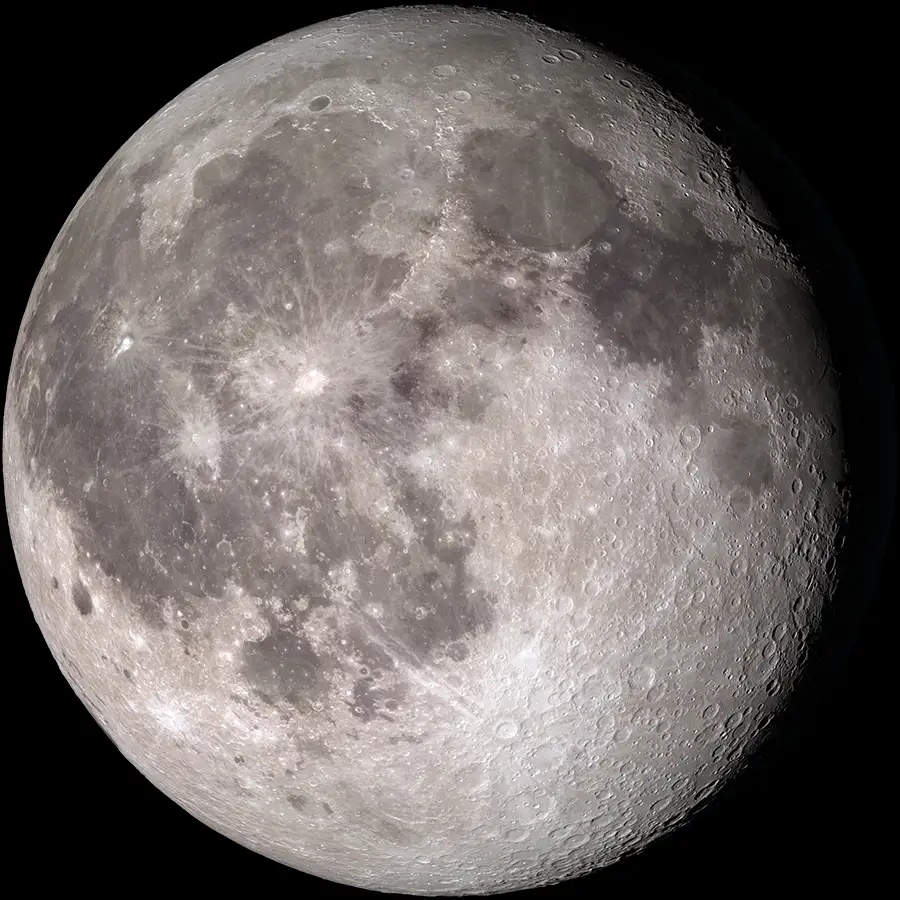
A full moon occurs when the Moon is directly opposite the Sun in the sky, as viewed from Earth. At this point, the entire face of the Moon that is visible from Earth is illuminated by the Sun’s light. It appears as a perfect, luminous disc in the night sky.
- Illumination: The side of the Moon facing Earth is 100% illuminated.
- Alignment: Earth is roughly positioned between the Sun and the Moon.
- Visibility: Rises around sunset and sets around sunrise, visible throughout the night.
While we perceive it as perfectly round, the exact moment of ‘fullness’ is a fleeting instant. Before and after this moment, the moon is technically a waxing or waning gibbous, but it appears full to the casual observer for about three days.
The Lunar Cycle Explained
The Moon completes one full cycle of phases, from new moon to new moon, in approximately 29.5 days. This is known as a synodic month. Here’s a quick rundown of the major phases:
- New Moon: The Moon is between the Earth and the Sun, making its sunlit side face away from Earth. It’s invisible in the night sky.
- Waxing Crescent: A sliver of light appears on the right side of the Moon (in the Northern Hemisphere) as it starts to become visible. “Waxing” means growing.
- First Quarter Moon: Half of the Moon’s face is illuminated. It looks like a half-circle on the right side.
- Waxing Gibbous: More than half of the Moon is illuminated, but it’s not yet full. The illuminated portion continues to grow.
- Full Moon: The entire visible face of the Moon is illuminated. This is the peak of the lunar cycle’s illumination.
- Waning Gibbous: The illuminated portion begins to shrink, but it’s still more than half. “Waning” means shrinking.
- Last Quarter Moon: Half of the Moon’s face is illuminated, but now it’s the left side (in the Northern Hemisphere).
- Waning Crescent: Only a sliver of light remains, on the left side, as the Moon approaches the New Moon phase again.
This endless cycle has captivated humanity for millennia, guiding calendars, agriculture, and spiritual practices across cultures.
The Full Moons of 2027: Planning Your Lunar Year
The February 2027 Snow Moon is just one of many fascinating full moons to anticipate throughout the year. If you enjoy tracking these celestial events, here’s a quick look at the other full moon dates in 2027 to help you plan your observations and reflections for the entire year:
| Month | Date (UTC) | Popular Name |
|---|---|---|
| January | Thursday, January 21, 2027 | Full Wolf Moon |
| February | Saturday, February 20, 2027 | Full Snow Moon (with Partial Lunar Eclipse) |
| March | Monday, March 22, 2027 | Full Worm Moon |
| April | Wednesday, April 21, 2027 | Full Pink Moon |
| May | Friday, May 21, 2027 | Full Flower Moon |
| June | Sunday, June 20, 2027 | Full Strawberry Moon |
| July | Monday, July 19, 2027 | Full Buck Moon |
| August | Wednesday, August 18, 2027 | Full Sturgeon Moon |
| September | Friday, September 17, 2027 | Full Harvest Moon |
| October | Saturday, October 16, 2027 | Full Hunter’s Moon |
| November | Monday, November 15, 2027 | Full Beaver Moon |
| December | Wednesday, December 15, 2027 | Full Cold Moon |
Each full moon throughout the year carries its own unique energy and cultural stories. Marking these dates on your calendar can help you stay attuned to the celestial rhythms and incorporate lunar awareness into your life.
The Full Snow Moon of February 2027 is more than just a date on the calendar; it’s an invitation to connect with ancient traditions, astronomical wonders, and your own inner world. Don’t miss this opportunity to observe its glow and reflect on its powerful significance, especially with the added dimension of a partial lunar eclipse. Clear skies and happy moon gazing!
n”
Frequently Asked Questions
When is the exact peak of the Full Snow Moon in February 2027 in my local time zone?
The Full Snow Moon in February 2027 peaks on Saturday, February 20, 2027, at 23:23 UTC. This translates to 6:23 PM EST, 5:23 PM CST, 4:23 PM MST, 3:23 PM PST, 2:23 PM AKST, and 1:23 PM HST. The moon will appear full for about three days centered around this peak.
What is the astrological significance of the February 2027 Full Moon being in Virgo?
When the full moon is in Virgo, it emphasizes themes of practicality, organization, health, service, and attention to detail. This lunar alignment encourages individuals to focus on refining daily routines, improving well-being, and bringing order to chaotic areas of their lives. It’s a powerful time for discernment and releasing what no longer serves your practical or health goals.
Why is it called the Snow Moon?
The name ‘Snow Moon’ originates from Native American tribes, particularly in the northern and eastern United States. It reflects the typical harsh weather conditions of February, which often brings heavy snowfalls and made hunting difficult, leading to food scarcity. Other names include Hunger Moon and Storm Moon.
Will there be a lunar eclipse during the February 2027 Full Moon?
Yes, the Full Snow Moon in February 2027 will coincide with a partial lunar eclipse. This means the moon will pass through Earth’s outer shadow (penumbra) and a small part of its inner, darker shadow (umbra), causing a subtle but noticeable dimming of a portion of the moon’s surface during the peak of the full moon.
Can I see the Full Moon during the day?
While the full moon officially peaks at a specific moment when it’s opposite the sun, it can often be seen in the daylight hours leading up to or following its peak. It typically rises around sunset and sets around sunrise, making it visible throughout the night. If you’re up early or out late, you might catch it in a bright sky.
How does the full moon affect human behavior or tides?
The full moon’s gravitational pull significantly affects Earth’s tides, causing higher high tides and lower low tides (spring tides). As for human behavior, while scientific evidence for direct effects like ‘lunacy’ is limited, many people report feeling more energized, emotional, or restless during a full moon, often attributed to its symbolic power and brighter nights.