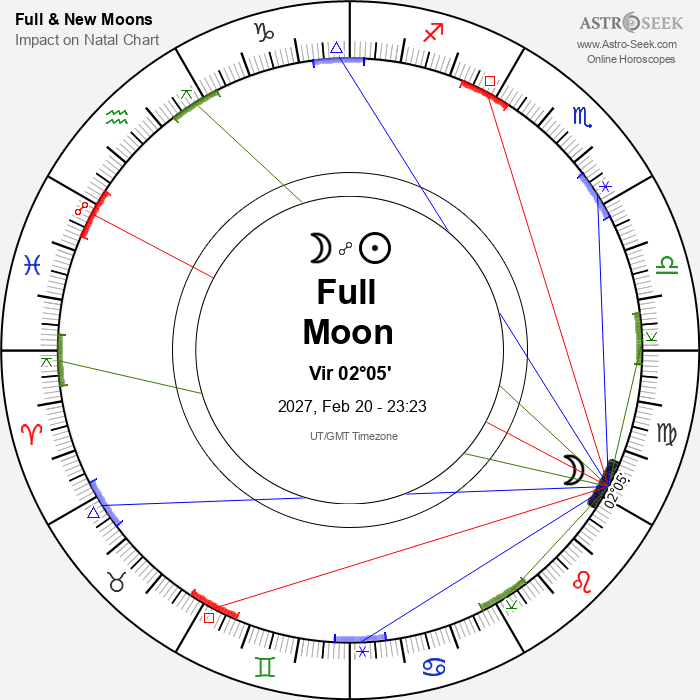
Your Definitive Guide to the Full Moon in February 2027 in Australia
Planning a trip to the land Down Under in early 2027? Or perhaps you’re just a lunar enthusiast curious about sky-gazing from a different hemisphere? You’ve landed in the right spot. For those eagerly anticipating the full celestial glow, mark your calendars: the Full Moon in February 2027 will reach its peak illumination on February 20, 2027, at 23:23 Universal Coordinated Time (UTC).
This event, traditionally known as the “Snow Moon” in the Northern Hemisphere, presents a unique viewing experience across Australia. But here’s where it gets interesting: due to Australia’s vast time zones, some parts of the country will see this peak illumination fall on February 21st local time, while Western Australia will still experience it on February 20th. Don’t worry, I’ll break down the exact timings for major Australian cities so you can plan your observation perfectly.
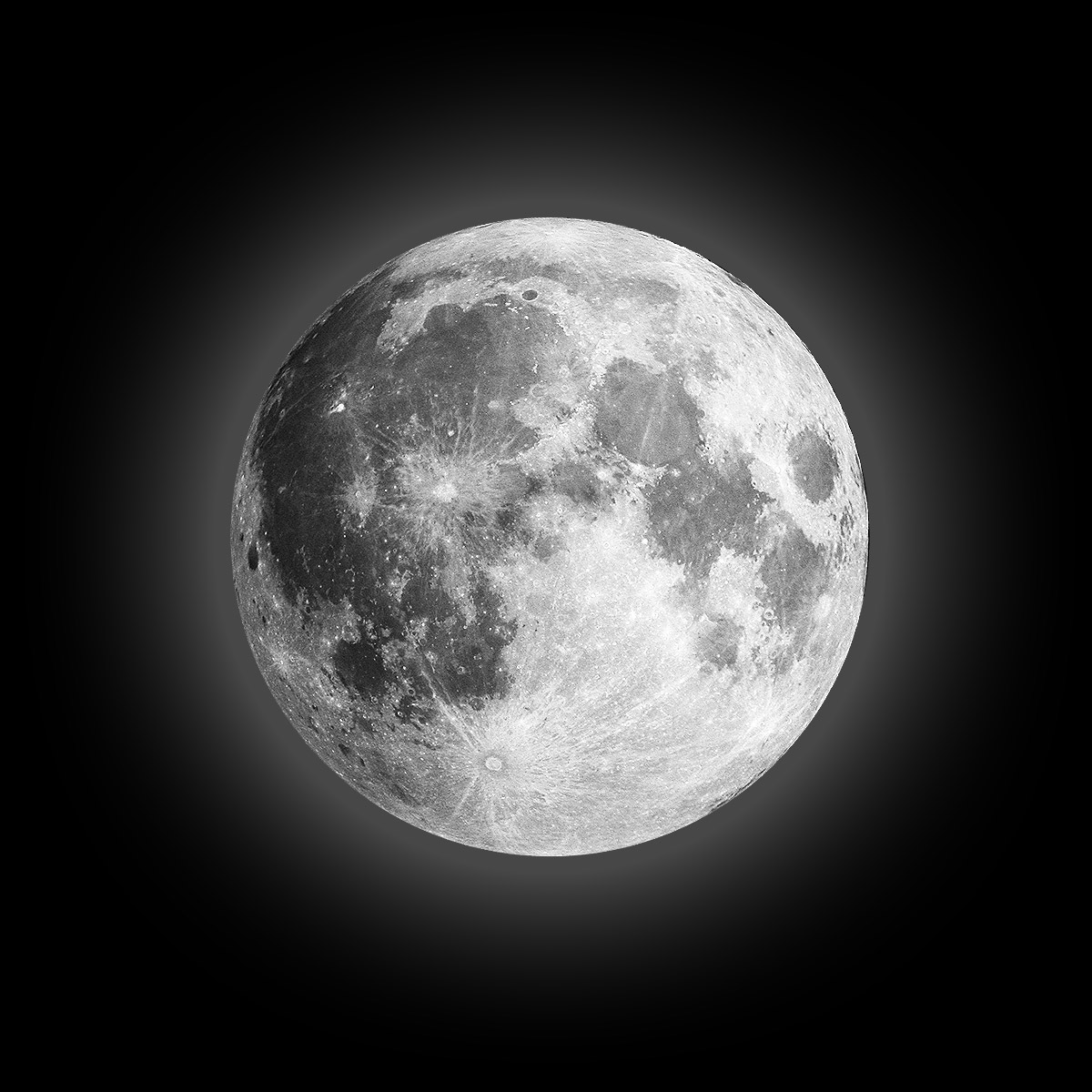
The February 2027 Full Moon: When and Where in Australia
Understanding the precise moment of a full moon isn’t just about picking a date; it’s about pinpointing the exact second the Moon is 100% illuminated as seen from Earth. This happens at one specific UTC time globally. Then, we translate that into local times, which can shift the date depending on your longitude.
The Moment of Peak Illumination
As mentioned, the absolute peak of the February 2027 Full Moon occurs on February 20, 2027, at 23:23 UTC. For many, this will be known as the “Full Snow Moon.” This traditional name comes from Algonquin tribes of North America, where February is typically the snowiest month. While Australia’s seasons are inverted, the name has become a universally recognized moniker for the February full moon.
It’s crucial to note that while the Moon appears full for about three days around this peak, the exact moment of 100% illumination is fleeting. If you’re chasing that perfect celestial alignment for photography or deep observation, these precise times matter.
Full Moon Timings Across Australia’s Major Cities
Australia spans three main time zones (and some minor ones), meaning the peak illumination occurs at different local times. Here’s a breakdown for major Australian capital cities, allowing you to pinpoint the full moon’s arrival:
| City | Australian Time Zone | Local Date | Local Time of Peak Illumination | Offset from UTC |
|---|---|---|---|---|
| Sydney | AEDT (Australian Eastern Daylight Time) | February 21, 2027 | 10:23 AM | UTC+11 |
| Melbourne | AEDT (Australian Eastern Daylight Time) | February 21, 2027 | 10:23 AM | UTC+11 |
| Brisbane | AEST (Australian Eastern Standard Time) | February 21, 2027 | 9:23 AM | UTC+10 |
| Adelaide | ACDT (Australian Central Daylight Time) | February 21, 2027 | 8:53 AM | UTC+10.5 |
| Darwin | ACST (Australian Central Standard Time) | February 21, 2027 | 7:53 AM | UTC+9.5 |
| Perth | AWST (Australian Western Standard Time) | February 20, 2027 | 7:23 PM | UTC+8 |
As you can see, most of Australia experiences the full moon on February 21st, typically in the morning. However, if you’re in Perth, you’ll still be on February 20th in the evening, making for a potentially stunning sunset full moon viewing opportunity!
What If You’re in the USA? Syncing Up with the Australian Full Moon
For our readers in the United States, whether you’re planning a trip, have family in Australia, or just love tracking global lunar events, understanding the time difference is key. The peak illumination of February 20, 2027, at 23:23 UTC translates to these major US time zones:
| US Time Zone | Local Date & Time of Peak Illumination | Offset from UTC |
|---|---|---|
| Eastern Time (ET) | February 20, 2027, 6:23 PM | UTC-5 |
| Central Time (CT) | February 20, 2027, 5:23 PM | UTC-6 |
| Mountain Time (MT) | February 20, 2027, 4:23 PM | UTC-7 |
| Pacific Time (PT) | February 20, 2027, 3:23 PM | UTC-8 |
So, whether you’re in New York or Los Angeles, you’ll be able to observe the full moon on February 20th in the afternoon or evening, depending on your time zone. This means you can gaze at the same full moon as your friends in Australia (albeit perhaps not at the *exact* same peak local time!).
Understanding the “Snow Moon”: A Northern Hemisphere Tradition in the Southern Sky
The name “Snow Moon” for February’s full moon is a beautiful and enduring tradition, primarily rooted in the lore of various Indigenous peoples of North America. It perfectly captures the often harsh, snow-laden conditions of winter in the Northern Hemisphere. But what does that mean for Australia?
In February, Australia is experiencing late summer, verging on early autumn. The weather is typically warm, and snow is confined to very high alpine regions (and certainly not widespread enough to name a moon after!). This highlights a fascinating cultural and seasonal contrast:
- Northern Hemisphere Perspective: February is often the coldest, snowiest month. The “Snow Moon” signifies the deep winter, scarcity of food, and the need for resilience.
- Southern Hemisphere Perspective: February in Australia brings sunshine, beach days, and the final stretch of summer holidays. It’s a time of abundance and outdoor activity, a stark difference from the moon’s namesake.
While we adopt these traditional names out of global astronomical curiosity, it’s a wonderful reminder that different cultures have their own unique ways of observing and naming celestial events based on their local environment and seasons. Indigenous Australian cultures, for instance, have incredibly rich and complex astronomical knowledge systems, with myriad names and stories for the moon and stars that are deeply connected to their land, seasons, and spiritual beliefs. These systems often vary greatly between different language groups and communities, reflecting thousands of years of observation and cultural wisdom.
Beyond the Hype: What Does a Full Moon Really Mean?
A full moon is more than just a beautiful sight; it’s a significant astronomical and cultural event. From a scientific standpoint, it’s the point in the lunar cycle where the entire face of the Moon visible from Earth is illuminated by the Sun. This happens when the Earth is positioned directly between the Sun and the Moon.
Scientific Insights: Tides and Light
- Tidal Effects: Full moons (and new moons) cause spring tides, which are exceptionally high and low tides. This is because the gravitational pull of both the Sun and the Moon align, amplifying their effect on Earth’s oceans.
- Natural Illumination: A full moon is incredibly bright! On a clear night, it can cast shadows and make the landscape surprisingly visible, a boon for nocturnal animals and stargazers alike.
Cultural and Spiritual Significance
Throughout human history, the full moon has been a powerful symbol across countless cultures and spiritual practices. It’s often associated with:
- Culmination and Release: Many believe it’s a time to reflect on intentions set during the New Moon, celebrate achievements, and release what no longer serves us.
- Heightened Energy: Some report feeling more energetic, emotional, or experiencing disrupted sleep around the full moon. While scientific evidence is mixed, the cultural belief persists.
- Fertility and Growth: In many agricultural societies, the moon’s phases were intimately tied to planting and harvesting cycles, with the full moon often symbolizing peak growth or harvest time.
How to Experience the Full Moon in Australia (Even from Afar)
Whether you’re physically in Australia or observing from thousands of miles away, there are wonderful ways to connect with the February 2027 Full Moon.
Stargazing and Observation Tips
- Find Dark Skies: For the best views, get away from city lights. Australia boasts some of the darkest skies in the world, especially in regional areas. Even from a suburban backyard, a full moon is easily visible.
- Look East (at sunset) or West (at sunrise): The full moon rises in the east around sunset and sets in the west around sunrise. Catching it near the horizon offers spectacular views due to the ‘moon illusion’ and atmospheric scattering.
- No Equipment Needed: Your eyes are the best tool! The Moon is a stunning object even without binoculars or a telescope.
- Binoculars or Telescope: If you have them, even a simple pair of binoculars will reveal incredible detail on the lunar surface – craters, maria (dark plains), and mountains.
- Photography: A full moon is a fantastic subject! Use a tripod to prevent camera shake and experiment with exposure settings. You might need a faster shutter speed or lower ISO than you think, as the full moon is surprisingly bright.
Connecting with the Lunar Cycle
Beyond scientific observation, the full moon can be a powerful time for personal reflection:
- Moon Bathing: Simply spend time outdoors under the moonlight. Absorb its calm energy.
- Journaling: Use the full moon as an opportunity to journal about your goals, progress, and what you’re ready to release.
- Meditate: A quiet meditation under the full moon can be incredibly peaceful and insightful.
Lunar Calendar for February 2027 in Australia: A Quick Overview
While the Full Moon is the star of the show, here’s a quick look at the other significant lunar phases for February 2027, centered on Australia (using AEDT as a reference point for general timing):
| Moon Phase | Date (AEDT) | Time (AEDT) |
|---|---|---|
| First Quarter Moon | February 3, 2027 | 6:01 PM |
| Full Moon (Snow Moon) | February 21, 2027 | 10:23 AM |
| Last Quarter Moon | February 28, 2027 | 3:16 PM |
| New Moon | March 8, 2027 | 8:29 PM |
This provides a holistic view of the lunar cycle throughout February, offering context for the full moon’s position within the month.
Planning Your Trip Around the Stars?
While the February 2027 Full Moon isn’t accompanied by a lunar eclipse (as some sources might suggest, that typically refers to the full moon closest to the lunar node, which can be a partial or penumbral eclipse but isn’t a dramatic event), its bright presence can certainly influence your travel plans. Full moon nights are fantastic for general stargazing because they offer ample natural light, making paths easier to navigate and enhancing the visibility of the immediate landscape. However, the bright moonlight can also wash out fainter celestial objects like nebulae or distant galaxies, so if deep-sky astrophotography is your goal, consider the new moon phase instead.
For most travelers, a full moon simply adds another layer of magic to an evening walk, a beach stroll, or a bushwalk. Imagine experiencing the stunning natural beauty of Australia bathed in brilliant moonlight – it’s an unforgettable experience!
Whether you’re an avid astronomer or simply someone who appreciates the beauty of our cosmos, the Full Moon in February 2027 over Australia promises to be a spectacular event. Mark your calendars, find your perfect viewing spot, and take a moment to look up and connect with our incredible universe.
Frequently Asked Questions
When is the Full Moon in February 2027 in Australia?
The Full Moon in February 2027 will reach its peak illumination on February 20, 2027, at 23:23 UTC. Due to Australia’s time zones, this translates to February 21st for most major eastern, central, and northern cities, and February 20th evening for Perth.
What is the traditional name for the February Full Moon?
The traditional name for the February Full Moon is the ‘Snow Moon,’ originating from Algonquin tribes in North America due to the typically heavy snowfall in February during the Northern Hemisphere winter.
Will the ‘Snow Moon’ name be accurate for Australia in February?
No, the ‘Snow Moon’ name is not seasonally accurate for Australia in February. February is late summer/early autumn in the Southern Hemisphere, a time of warmth and sunshine, not snow.
What are the local peak times for major Australian cities?
For Sydney and Melbourne, the peak is February 21, 2027, at 10:23 AM AEDT. Brisbane is 9:23 AM AEST. Adelaide 8:53 AM ACDT. Darwin 7:53 AM ACST. Perth is February 20, 2027, at 7:23 PM AWST.
How can I observe the Full Moon in Australia?
To observe the Full Moon, find a spot away from city lights if possible, though it’s bright enough to see from anywhere. Look towards the east around sunset or west around sunrise. No special equipment is needed, but binoculars can enhance the view of lunar details. A tripod is recommended for photography.
Is the February 2027 Full Moon visible from the USA?
Yes, the February 2027 Full Moon will be visible from the USA. Its peak illumination occurs on February 20, 2027, in the late afternoon/evening across US time zones (e.g., 6:23 PM ET, 3:23 PM PT), allowing for observation on the same day as Australia’s western regions.
Will there be a lunar eclipse during the February 2027 Full Moon?
No, there will not be a dramatic lunar eclipse coinciding with the February 2027 Full Moon. While a full moon might be near a lunar node allowing for very minor penumbral eclipses, this date is not associated with a significant, observable lunar eclipse event.