February 2027 Holidays in the Philippines: Anticipating the Official Proclamation
Planning a trip to the Philippines or managing a team there for February 2027? You’re likely searching for that official list of holidays, eagerly awaiting the presidential proclamation that sets the calendar for the year. Here’s the crucial update you need right now: as of early 2027, the comprehensive official proclamation for all Philippine holidays in 2027, including specific dates for movable feasts, is still pending.
However, that doesn’t mean you’re flying blind! Based on long-standing laws, historical patterns, and reliable forecasts from established calendar sources, we can confidently anticipate the most likely non-working days and observances for February 2027. Consider this your definitive guide to understanding the Philippine holiday landscape, what to expect, and how to plan effectively.
The Philippine Holiday Proclamation Process: Why We Wait
Unlike some countries where holidays are static and known years in advance, the Philippines often issues a presidential proclamation annually. This declaration finalizes the list of regular holidays and special non-working days. Why this process? It allows for flexibility, particularly concerning certain religious holidays.
Who Declares Philippine Holidays?
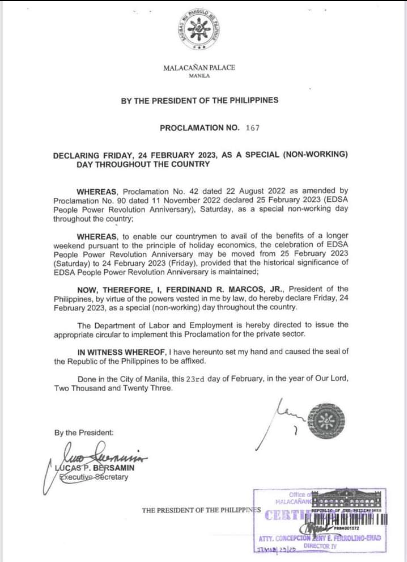
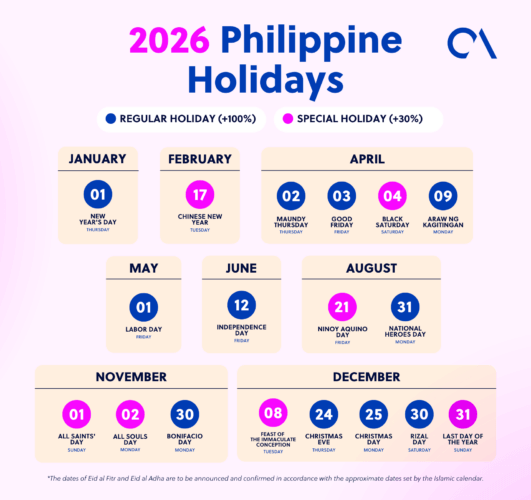
Philippine holidays are officially declared through a Presidential Proclamation. This is typically signed by the President of the Republic of the Philippines. For example, Proclamation No. 1006 declared the holidays for 2026. These proclamations are legally binding and dictate which days are non-working and how wages should be calculated.
Regular Holidays vs. Special Non-Working Days: What’s the Difference?
This distinction is vital for anyone engaging with the Philippines, especially for businesses and travelers. Understanding the difference impacts payroll, business operations, and even the availability of services.
- Regular Holidays: These are generally fixed dates and major national observances (e.g., New Year’s Day, Holy Week, Independence Day, Christmas Day). Employees who work on these days are typically entitled to 200% of their daily wage. If they don’t work, they still receive 100% of their basic pay.
- Special Non-Working Days: These are often declared for significant historical events or cultural celebrations (e.g., Chinese New Year, EDSA People Power Anniversary). For employees working on these days, they generally receive an additional 30% of their daily wage. If they don’t work, the “no work, no pay” principle usually applies, unless there’s a company policy or collective bargaining agreement stating otherwise.
It’s important to remember that the official proclamation specifies the type of holiday for each date, solidifying these implications.
The Role of the Official Gazette
The Official Gazette of the Republic of the Philippines is the official journal of the government. Once a Presidential Proclamation is signed, it is published here. This website is the gold standard for verifying official government issuances, including holiday declarations. While other news outlets and calendars provide excellent summaries, the Official Gazette is the primary source you’ll want to check for the definitive word once the 2027 proclamation is released.
February 2027: Forecasting Key Philippine Holidays
While we await the official 2027 proclamation, we can make highly educated guesses for February based on established laws and consistent annual observances. February typically features a mix of culturally significant days and a crucial national anniversary.
Anticipated Special Non-Working Holidays & Observances in February 2027
Here’s what you should mark on your preliminary calendar for February 2027:
- February 6, 2027 (Saturday): Lunar New Year’s Day (Chinese New Year)
This is almost certainly going to be declared a Special Non-Working Day. The Lunar New Year is a significant cultural event celebrated widely, particularly within the Filipino-Chinese community. While it falls on a Saturday in 2027, reducing its impact on the typical work week, it remains a recognized holiday. - February 8, 2027 (Monday): Ramadan Start (Tentative)
This date is often listed as a tentative observance for the start of Ramadan. It is an extremely important religious period for the Muslim community in the Philippines. Note that the *start of Ramadan* itself is an observance; the Eid’l Fitr (Feast of Ramandan, marking its end) is the one that is typically declared a national regular holiday, with its date officially determined based on the sighting of the moon. This date is highly susceptible to change. - February 25, 2027 (Thursday): EDSA People Power Anniversary
The EDSA People Power Revolution Anniversary commemorates a pivotal moment in Philippine history, marking the non-violent revolution that took place in 1986. This day is consistently declared a Special Non-Working Day. Falling on a Thursday in 2027, it could potentially create a long weekend if workers take a leave on Friday, February 26th.
Here’s a preliminary overview of February 2027 holidays:
| Date | Day of Week | Holiday / Observance | Type (Anticipated) | Significance |
|---|---|---|---|---|
| February 6 | Saturday | Lunar New Year’s Day (Chinese New Year) | Special Non-Working Day | Celebration of the traditional Chinese New Year. |
| February 8 | Monday | Ramadan Start (Tentative) | Observance | Beginning of the holy month of fasting for Muslims. |
| February 25 | Thursday | EDSA People Power Anniversary | Special Non-Working Day | Commemoration of the 1986 People Power Revolution. |
Beyond February: A Glimpse at Other Major Philippine Holidays in 2027
While this guide focuses on February, it’s helpful to have a broader perspective for your 2027 planning. The Philippines has a rich calendar of holidays, blending religious, historical, and cultural observances. Many of these, particularly those tied to the Islamic calendar, will also be subject to official proclamation due to moon sighting traditions.
Here’s a look at some other major holidays you can expect in 2027:
| Month (Expected) | Holiday | Type (Commonly) | Significance |
|---|---|---|---|
| January | New Year’s Day | Regular Holiday | Start of the Gregorian calendar year. |
| March/April | Maundy Thursday, Good Friday, Black Saturday, Easter Sunday | Regular Holidays (Maundy Thu, Good Fri); Special Non-Working Day (Black Sat) | Christian Holy Week observances. |
| April | Araw ng Kagitingan (Day of Valor) | Regular Holiday | Commemorates the heroism of Filipino and American soldiers during WWII. |
| May | Labor Day | Regular Holiday | Celebration of workers’ rights. |
| June | Independence Day | Regular Holiday | Commemorates Philippine independence from Spain. |
| July | Eid’l Adha (Feast of Sacrifice – Tentative) | Regular Holiday | Islamic holiday commemorating Prophet Ibrahim’s devotion. |
| August | Ninoy Aquino Day | Special Non-Working Day | Commemoration of the assassination of Senator Benigno “Ninoy” Aquino Jr. |
| August | National Heroes’ Day | Regular Holiday | Honors all national heroes of the Philippines. |
| November | All Saints’ Day | Special Non-Working Day | Day of remembrance for the faithful departed. |
| November | All Souls’ Day | Special Non-Working Day | A day to pray for the souls of the dead. |
| November | Bonifacio Day | Regular Holiday | Commemorates the birth of Andres Bonifacio. |
| December | Christmas Day | Regular Holiday | Celebration of the birth of Jesus Christ. |
| December | Rizal Day | Regular Holiday | Commemoration of the martyrdom of Jose Rizal. |
| December | Last Day of the Year | Special Non-Working Day | End of the Gregorian calendar year. |
Practical Implications for Travelers and Businesses
Whether you’re planning a vacation from the USA or managing remote teams in Manila, understanding Philippine holidays is crucial. Don’t let the lack of an immediate official proclamation throw your plans off.
Planning Your Trip Around Philippine Holidays
For travelers, holidays mean a few key things:
- Crowds: Expect popular tourist destinations, airports, and public transport to be busier, especially if a holiday creates a long weekend. Book flights and accommodations well in advance.
- Closures: While most tourist-centric businesses, malls, and restaurants remain open on Special Non-Working Days and often even on Regular Holidays (though with reduced hours), some government offices, banks, and schools will definitely be closed. Plan essential errands accordingly.
- Higher Prices: Airfare and hotel rates can increase during peak holiday periods.
- Cultural Experiences: Holidays can also be fantastic opportunities to experience local culture firsthand through festivals and special events. If you’re there for Chinese New Year or EDSA, look for local celebrations!
Business Operations During Philippine Holidays
For businesses, especially those with offshore teams or clients in the Philippines, holidays require strategic planning:
- Payroll & Compliance: Understand the wage rules for Regular vs. Special Non-Working days. Compliance with Philippine labor laws is paramount. Consult with local HR or legal experts.
- Productivity & Deadlines: Factor in non-working days when setting project deadlines. Communication with your Philippine team is key to avoid misunderstandings.
- Client Expectations: Inform international clients about Philippine holidays that might affect service delivery or response times. Set clear expectations.
- Local Impact: Be aware that local businesses and supply chains might also experience disruptions due to holidays, which could indirectly affect your operations.
How to Stay Updated on Official Holiday Proclamations
The best strategy is to stay informed. Here’s how you can get the definitive word once the 2027 proclamation is issued:
- Official Government Sources:
- Official Gazette of the Republic of the Philippines: This is your primary source. Monitor their website for the official release of the 2027 holiday proclamation.
- Presidential Communications Office (PCO): The PCO often announces significant presidential issuances, including holiday proclamations, through press releases and on their official channels.
- Reputable News Outlets: Major Philippine news organizations (both print and online) will widely report on the official proclamation once it’s released. Keep an eye on trusted sources for announcements.
- Philippine Department of Labor and Employment (DOLE): DOLE also publishes advisories regarding holiday pay rules once the proclamation is out.
While the wait for the official 2027 Philippine holiday proclamation continues, February’s anticipated non-working days give us a clear picture for preliminary planning. By understanding the proclamation process, the types of holidays, and their practical implications, you can confidently navigate your travel or business operations in the Philippines. Stay tuned to official government channels for the final word!
Frequently Asked Questions
Has the official proclamation for 2027 Philippine holidays been released yet?
As of early 2027, the comprehensive official proclamation for all Philippine holidays in 2027, including specific dates for movable feasts, is still pending. This article provides anticipated dates based on historical patterns and current laws.
What is the difference between a Regular Holiday and a Special Non-Working Day in the Philippines?
Regular Holidays are major national observances with fixed dates (mostly) where employees get 200% pay if they work, or 100% pay if they don’t. Special Non-Working Days are for significant events; employees get an additional 30% pay if they work, but typically ‘no work, no pay’ applies if they don’t, unless company policy states otherwise.
What are the most likely holidays in February 2027 for the Philippines?
Based on historical patterns, the most anticipated special non-working days in February 2027 are Lunar New Year’s Day (Chinese New Year) on February 6 (Saturday) and the EDSA People Power Anniversary on February 25 (Thursday). Ramadan Start on February 8 (Monday) is an observance.
Where can I find the official 2027 holiday proclamation once it’s released?
The official proclamation will be published on the Official Gazette of the Republic of the Philippines (officialgazette.gov.ph). You can also look for announcements from the Presidential Communications Office (pco.gov.ph) and reputable Philippine news outlets.
How do Philippine holidays affect travel plans for visitors from the USA?
Travelers should expect increased crowds at tourist destinations and transportation hubs, potential closures of government offices and banks, and possibly higher prices for flights and accommodations, especially if holidays create long weekends. It’s best to book early and plan errands accordingly.
What are the implications of Philippine holidays for businesses with operations there?
Businesses need to factor in non-working days for payroll compliance (different wage rules apply), adjust project deadlines, and inform international clients about potential delays. Consulting with local HR or legal experts on labor laws is highly recommended.
Why are some holiday dates, like Eid’l Fitr, often tentative or subject to later proclamation?
Holidays like Eid’l Fitr and Eid’l Adha are based on the Islamic lunar calendar and the sighting of the moon. Their exact dates can only be definitively set closer to the time, leading to separate or later proclamations to finalize their observance.