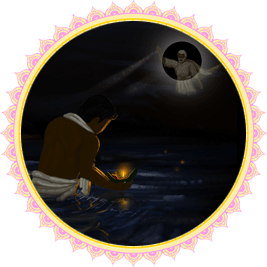
February 2027 Tamil Calendar Amavasai: Your Definitive Guide to Thai Amavasai & Ancestral Blessings
Are you looking for the exact date and spiritual significance of Amavasai in February 2027 according to the Tamil Calendar? You’ve landed in the right place. Amavasai, or the New Moon day, holds profound importance in Hindu traditions, especially for those following the Tamil calendar. In February 2027, this sacred day takes on even greater weight as it coincides with Thai Amavasai – a particularly potent time for ancestral veneration.
This comprehensive guide will not only give you the precise dates and timings but also delve into the cultural nuances, the rituals you can perform, and why this specific Amavasai is so crucial for spiritual well-being and honoring your forefathers. Let’s ensure you’re prepared to observe this powerful day with clarity and devotion.

When is Amavasai in February 2027? Mark Your Calendars!
For those observing the Tamil Calendar, the Amavasai in February 2027 falls primarily on Saturday, February 6th, 2027. While the Amavasai Tithi (lunar phase) commences on the evening of February 5th, the major observances, including ancestral rites, are typically performed on the 6th.
Here are the precise details:
| Date | Day | Event | Amavasai Tithi Start (IST) | Amavasai Tithi End (IST) |
|---|---|---|---|---|
| February 5, 2027 | Friday | Amavasai Tithi Begins | 07:05 PM | – |
| February 6, 2027 | Saturday | Thai Amavasai Observance | – | 09:26 PM |
Note: All timings are in Indian Standard Time (IST). For those in the USA, please refer to the section below on time zone conversion to adjust these timings to your local clock.
Understanding Thai Amavasai: A Sacred Confluence in February 2027
While every Amavasai is considered significant for spiritual practices, the Amavasai that falls during the Tamil month of ‘Thai’ (roughly mid-January to mid-February) is exceptionally potent and revered. This is why the February 2027 Amavasai is known as Thai Amavasai.
What makes Thai Amavasai so Special?
- Month of Austerity & Blessings: The month of Thai is traditionally considered highly auspicious in Tamil culture. It’s a period of harvest, gratitude, and spiritual growth, often associated with new beginnings and blessings.
- Ancestral Connection: Thai Amavasai is specifically designated as a prime day for performing rites and rituals to honor deceased ancestors, known as Pithrus. It is believed that on this day, the souls of ancestors are more accessible and receptive to the offerings and prayers of their descendants.
- Kumbh Mela Significance: In some Hindu traditions, the sacred Bath (Snan) in holy rivers during Amavasya in the month of Magha (which Thai aligns with) is considered highly meritorious.
The belief is that observing Thai Amavasai with sincerity can bring immense blessings, peace, and prosperity to the family, removing obstacles and ensuring the well-being of future generations. It’s not just about remembering the dead; it’s about maintaining a sacred connection and seeking their benevolent influence.
The Spiritual Heart of Amavasai: Why We Observe the New Moon
Amavasai, the New Moon day, is a period when the moon is completely hidden from our sight, symbolizing a powerful time of introspection, release, and spiritual renewal. In Vedic astrology and Hindu traditions, this particular phase of the lunar cycle carries a unique energy that is conducive to specific practices.
Lunar Cycle Connection: Energy of Introspection and Release
The moon governs our emotions, mind, and subconscious. On Amavasai, with the moon’s absence, there’s a perceived reduction in its mental and emotional influence. This makes it an ideal time for:
- Deep Meditation: The quieter mental state can facilitate deeper meditative experiences.
- Spiritual Cleansing: It’s a powerful day to shed old patterns, negative energies, and karmic debts.
- Setting Intentions: Just as the moon begins its cycle anew, Amavasai is a potent time to set intentions for growth and positive change.
Honoring Ancestors (Pithru Tarpanam): A Debt of Gratitude
The most prominent observance on Amavasai, especially Thai Amavasai, is Pithru Tarpanam – the ritual of offering prayers and oblations to deceased ancestors. This practice is rooted in the profound belief that we are indebted to our forefathers for our very existence and for the lineage we carry. By performing Tarpanam, we express our gratitude, seek their blessings, and help ensure their spiritual journey is smooth.
- Why Tarpanam? It’s believed that ancestors reside in Pitru Loka (the realm of ancestors) and that their well-being is intertwined with the actions of their descendants. Offerings on Amavasai help to appease them and resolve any karmic debts.
- Benefits: Performing Tarpanam with sincerity is said to remove obstacles in one’s life, bring peace to the family, ensure prosperity, and contribute to the spiritual evolution of both the living and the deceased.
Observing Amavasai: Rituals, Practices, and What to Do
Observing Amavasai doesn’t require elaborate ceremonies, but sincerity and adherence to basic customs are key. Here’s a guide to the common rituals and practices, particularly relevant for Thai Amavasai:
1. Preparations: Setting the Stage
- Purity (Shuddhi): Wake up early before sunrise (Brahma Muhurta). Take a purifying bath, ideally in a river, lake, or the sea if accessible. If not, a bath at home with a few drops of Ganga Jal (holy water) is sufficient.
- Simple Living: On Amavasai, many observe a simple lifestyle. This includes avoiding non-vegetarian food, alcohol, and luxurious activities.
2. Morning Rituals: Honoring the Ancestors
- Tarpanam (Pithru Pooja): This is the central ritual. It involves offering water mixed with black sesame seeds (til), darbha grass, and rice to the ancestors. If you are unfamiliar with the specific mantras, you can perform a simple offering by remembering your ancestors and praying for their peace and blessings. Many families consult a priest to perform the full ritual.
- Offerings: Offer fruits, flowers, and vegetarian food to your ancestors, either at home before their pictures or at a temple.
- Simple Pooja: Light a lamp (diya) and incense sticks. Offer prayers to your family deities and to Lord Vishnu, who is considered the preserver of the universe and the granter of liberation to ancestors.
3. Charity & Compassion (Annadanam)
Giving to others is highly meritorious on Amavasai:
- Food Donation: Offering food (Annadanam) to the needy, to Brahmins, or at temples is considered a powerful act. It’s believed that feeding others on this day directly benefits your ancestors.
- Donations: Contribute to charitable causes, especially those related to spiritual institutions or welfare.
4. Temple Visits & Prayers
Visiting a temple on Amavasai is highly recommended:
- Shiva Temples: Visiting Shiva temples is common, as Lord Shiva is associated with the dissolution of cycles and liberation.
- Vishnu Temples: For ancestral blessings, visiting Vishnu temples, particularly those dedicated to Lord Rama or Venkatachalapathy, can be beneficial.
- Specific Deities: Many visit temples dedicated to specific family deities or those known for ancestral rites.
5. Mantras & Meditation
Utilize the quiet energy of Amavasai for spiritual practices:
- Gayatri Mantra: Chanting the Gayatri Mantra is always purifying.
- Vishnu Mantras: Chanting ‘Om Namo Bhagavate Vasudevaya’ can help in seeking blessings for ancestors.
- Meditation: Spend time in silent meditation, reflecting on your lineage and sending positive energy to your ancestors.
What to Avoid on Amavasai:
Traditionally, certain activities are avoided on Amavasai due to its energy of dissolution and introspection:
- Auspicious Beginnings: Generally, it’s advised to avoid starting new ventures, major purchases, or important ceremonies like weddings.
- Physical Indulgence: Avoid physical intimacy and excessive sensory gratification.
- Negative Thoughts: Try to maintain a positive and calm mindset, avoiding arguments or negative emotions.
February 2027 Tamil Calendar: Beyond Amavasai
While Thai Amavasai is a central event in February 2027, the Tamil Calendar is rich with other significant dates for spiritual observance. Here’s a glimpse into other key events in February 2027 to help you plan your spiritual calendar:
| Date | Day | Event | Significance |
|---|---|---|---|
| February 2, 2027 | Tuesday | Shattila Ekadashi | Fasting day dedicated to Lord Vishnu, involves donating sesame seeds. |
| February 3, 2027 | Wednesday | Pradosham Vrat (Krishna Paksha) | Fasting and worship dedicated to Lord Shiva and Goddess Parvati, observed during twilight. |
| February 4, 2027 | Thursday | Masik Shivaratri | Monthly observance dedicated to Lord Shiva, seeking spiritual liberation. |
| February 6, 2027 | Saturday | Thai Amavasai | Most significant day for ancestral worship (Pithru Tarpanam). |
| February 10, 2027 | Wednesday | Vinayaka Chaturthi | Day to worship Lord Ganesha for removing obstacles. |
| February 17, 2027 | Wednesday | Jaya Ekadashi | Fasting day dedicated to Lord Vishnu, believed to grant victory and liberation from sins. |
| February 18, 2027 | Thursday | Pradosham Vrat (Shukla Paksha) | Another bi-monthly observance dedicated to Lord Shiva. |
| February 21, 2027 | Sunday | Panguni Uthiram | Though usually in March/April, some calendars might begin festivities. A significant day for Lord Murugan, Shiva, and Parvati. |
| February 22, 2027 | Monday | Pournami (Full Moon) | The full moon day, often associated with specific temple festivals and offerings. |
Empower Your Spiritual Journey: Tips for Amavasai Observance from Afar (USA)
Observing traditional Tamil festivals from outside India, especially in the USA, can present unique challenges. However, with a little planning, you can still honor these sacred days meaningfully.
Time Zone Conversion: Making IST Work for You
Since the timings provided are in Indian Standard Time (IST), you’ll need to convert them to your local time zone in the USA. Here’s a simple guide:
- Eastern Standard Time (EST): IST is 10 hours and 30 minutes ahead of EST. So, if Amavasai Tithi starts at 7:05 PM IST on Feb 5th, it would be 8:35 AM EST on Feb 5th.
- Central Standard Time (CST): IST is 11 hours and 30 minutes ahead of CST. So, 7:05 PM IST on Feb 5th would be 7:35 AM CST on Feb 5th.
- Mountain Standard Time (MST): IST is 12 hours and 30 minutes ahead of MST. So, 7:05 PM IST on Feb 5th would be 6:35 AM MST on Feb 5th.
- Pacific Standard Time (PST): IST is 13 hours and 30 minutes ahead of PST. So, 7:05 PM IST on Feb 5th would be 5:35 AM PST on Feb 5th.
It’s always a good idea to use an online time zone converter to double-check for accuracy, especially with specific tithi start and end times.
Local Resources: Connecting with Your Community
- Local Temples: Many major US cities have Hindu temples, often with specific priests who can guide you on Amavasai rituals. They may conduct communal Tarpanam ceremonies.
- Community Groups: Join local Tamil or Hindu community groups. They often organize events and provide support for observing festivals.
- Online Resources: Websites and apps like Prokerala, Drikpanchang, mPanchang, AstroSage, and AstroVed offer localized Panchangam details, but always cross-reference and adapt to your personal practice.
Maintaining Tradition: The Spirit of Observance
Even if you cannot perform every ritual perfectly, remember that the intention and devotion matter most. A simple prayer, a moment of silent remembrance for your ancestors, offering food to the less fortunate, or spending time in meditation can be incredibly powerful.
The Broader Context: Amavasai Across Different Panchangams
You might occasionally notice slight variations in Amavasai dates or timings across different panchangams (astrological calendars) or for different geographical locations. This is entirely normal and stems from a few factors:
- Panchangam Calculation Methods: Different panchangams (like Drik Ganita, Surya Siddhanta, Vakhya) use slightly varying astronomical calculations.
- Geographical Location: The precise start and end times of lunar phases are dependent on the observer’s location. This is why a panchangam for Chennai will differ from one for New York or even New Delhi. For the Tamil calendar, the primary reference point is usually locations in Tamil Nadu, India.
For February 2027, the general consensus across most reliable Tamil calendars points to the Amavasai Tithi beginning on the evening of February 5th and concluding on the evening of February 6th, with the major observances falling on February 6th. Always refer to a reputable Tamil calendar for your specific region if available, but for general understanding and spiritual practice, these dates are consistent.
The February 2027 Tamil Calendar Amavasai, marked as Thai Amavasai, is a profound opportunity to connect with your spiritual roots and honor your lineage. By understanding its significance and observing the traditional rituals with sincerity, you can invite blessings, peace, and spiritual growth into your life. Whether you’re in India or observing from the USA, the essence of Amavasai remains a powerful call to reflection, gratitude, and renewal. May your observances bring you immense peace and prosperity.
Frequently Asked Questions
What is Amavasai?
Amavasai, also known as Amavasya, is the New Moon day in the Hindu lunar calendar. It is considered a highly significant day for spiritual practices, particularly for honoring ancestors and performing various religious rites. It marks the end of a lunar cycle and the beginning of a new one.
Why is Thai Amavasai significant?
Thai Amavasai is the Amavasai that occurs during the Tamil month of ‘Thai’ (mid-January to mid-February). It is considered exceptionally sacred for ancestral worship (Pithru Tarpanam). It’s believed that performing rituals on this day brings immense blessings, prosperity, and helps ensure the spiritual well-being of deceased ancestors.
What rituals are typically performed on Amavasai?
The primary ritual is Pithru Tarpanam, where offerings of water, black sesame seeds, and rice are made to ancestors. Other common practices include taking a purifying bath, observing a simple lifestyle, offering food (Annadanam) to the needy, visiting temples (especially Shiva or Vishnu temples), and engaging in prayers, mantras, and meditation.
Can women perform Tarpanam?
Traditionally, Pithru Tarpanam is performed by the male head of the family. However, in modern times, especially if there are no male members, women can perform simplified versions of ancestral prayers, offer food, and seek guidance from a priest or family elders on appropriate observances. The core intention of honoring ancestors is paramount.
What should be avoided on Amavasai?
On Amavasai, it is generally advised to avoid starting new ventures, major purchases, or important ceremonies like weddings. One should also abstain from non-vegetarian food, alcohol, and excessive physical indulgence. Maintaining a calm and spiritual mindset is encouraged.
How do I convert Amavasai timings from IST to my local time in the USA?
Indian Standard Time (IST) is significantly ahead of US time zones. For example, IST is 10.5 hours ahead of EST, 11.5 hours ahead of CST, 12.5 hours ahead of MST, and 13.5 hours ahead of PST. You can subtract these hours from the IST timings to get your local time. For precise conversion, an online time zone converter is recommended.
Is February 2027 Amavasai considered a highly auspicious day?
Yes, February 2027 Amavasai is Thai Amavasai, which is considered a highly auspicious and powerful day in Tamil culture. It is especially significant for performing ancestral rites, seeking blessings for the family, and engaging in spiritual purification and renewal.