February 2027 Full Moon: The Snow Moon & A Subtle Lunar Eclipse – Your Complete Guide
Are you already planning your celestial observations for 2027? If you’re looking to mark your calendar for the February Full Moon, you’ve come to the right place. February’s Full Moon carries a beautiful name, the Snow Moon, and in 2027, it arrives with a special, albeit subtle, companion: a Penumbral Lunar Eclipse.
Forget generic calendars. We’re breaking down everything you need to know, from the exact times across the United States to the cultural lore, astronomical details, and how best to experience this celestial event. Let’s dive in!
The Core Details: When is the February 2027 Full Moon?
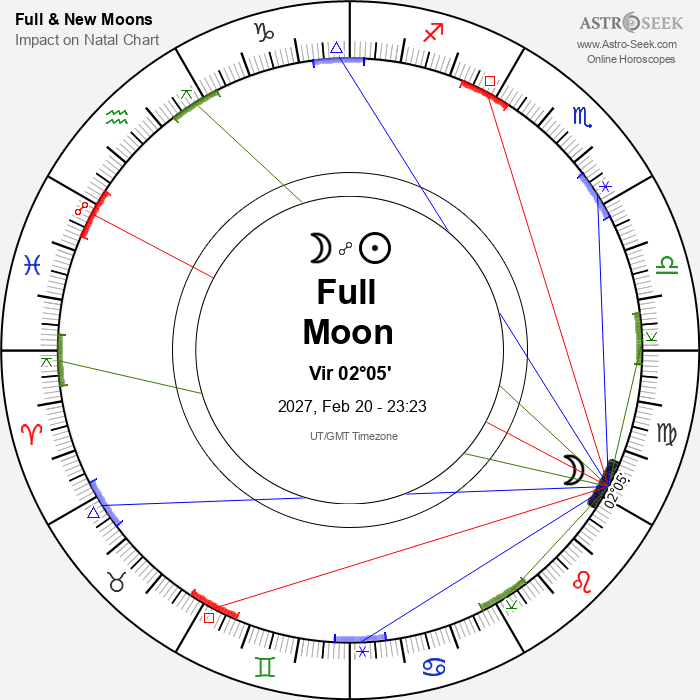
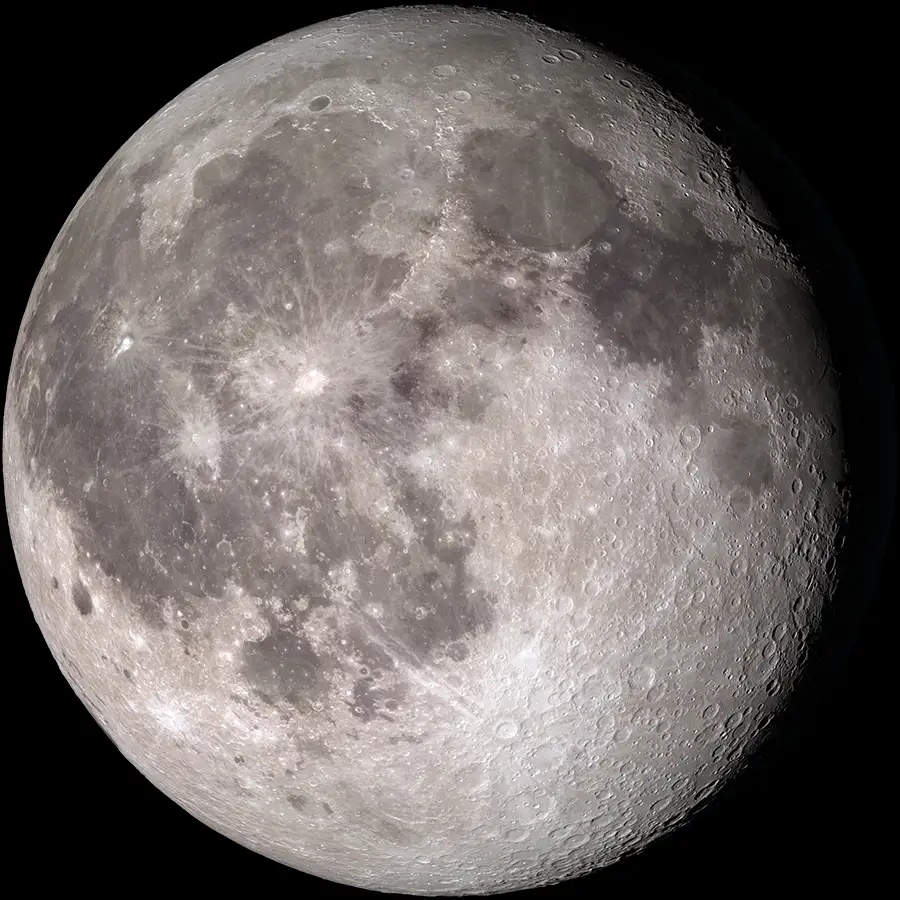
Let’s get straight to what you’re looking for. The Full Moon in February 2027, known as the Snow Moon, will reach its peak illumination on Saturday, February 20, 2027. But here’s the crucial detail: the exact moment of peak fullness varies by your time zone in the United States.
And yes, that very same day, we’ll also experience a Penumbral Lunar Eclipse. While not as dramatic as a total lunar eclipse, it’s a fascinating event that adds an extra layer of wonder to your moon-gazing. Don’t worry, we’ve got all the timings for you, consolidated in one easy-to-read table.
Immediate Answer: Date, Time & Key US Time Zones
Here’s your quick reference for the precise moments the Snow Moon reaches its fullest, alongside the specific timings for the Penumbral Lunar Eclipse across various US time zones. These times are crucial for those who want to witness the exact peak or the subtle dimming of the eclipse.
| Time Zone | Full Moon Peak (Feb 20, 2027) | Penumbral Eclipse Begins (Feb 20, 2027) | Penumbral Eclipse Maximum (Feb 20, 2027) | Penumbral Eclipse Ends (Feb 20, 2027) |
|---|---|---|---|---|
| Eastern Standard Time (EST) | 6:23 PM | 6:13 PM | 6:23 PM | 8:13 PM |
| Central Standard Time (CST) | 5:23 PM | 5:13 PM | 5:23 PM | 7:13 PM |
| Mountain Standard Time (MST) | 4:23 PM | 4:13 PM | 4:23 PM | 6:13 PM |
| Pacific Standard Time (PST) | 3:23 PM | 3:13 PM | 3:23 PM | 5:13 PM |
| Alaska Standard Time (AKST) | 2:23 PM | 2:13 PM | 2:23 PM | 4:13 PM |
| Hawaii Standard Time (HST) | 1:23 PM | 1:13 PM | 1:23 PM | 3:13 PM |
Note: All times are for February 20, 2027. The Penumbral Eclipse events occur entirely before midnight in all listed US time zones, meaning no date change for the end of the eclipse locally.
Unpacking the Snow Moon: Origins and Significance
Every Full Moon has a story, and February’s is deeply rooted in the natural cycles of the Northern Hemisphere. Known primarily as the Snow Moon, its name evokes images of deep winter, scarcity, and resilience. But where did this name come from, and what else has humanity called this cold month’s moon?
Why “Snow Moon”? The Native American Connection
The most popular names for the Full Moons throughout the year originate from various Native American tribes, particularly the Algonquin, who lived in regions where the cycle of the seasons heavily influenced their way of life. February was, and often still is, the month of the heaviest snowfall in many parts of North America.
- Harsh Conditions: Deep snow made hunting incredibly difficult, leading to periods of hardship and hunger.
- Survival Focus: The Snow Moon was a time for communities to huddle together, relying on stored provisions and their collective resilience to survive the frigid elements.
It’s a name that speaks volumes about the challenges faced by early peoples and reminds us of nature’s formidable power.
Other Names for February’s Full Moon Around the World
While “Snow Moon” is widely recognized, other cultures and regions developed their own evocative names for February’s Full Moon, reflecting their unique environments and experiences:
- Hunger Moon: Another common Native American name, directly referencing the scarcity of food due to harsh winter conditions.
- Storm Moon / Ice Moon: Celtic and Old English names that highlight the brutal weather of late winter.
- Chaste Moon: In medieval Europe, this name symbolized purity and purification, often linked to the approaching Lent.
- Magha Purnima (Hinduism): Occurring in the month of Magha, this full moon is significant for spiritual cleansing, charity, and austerity, particularly a holy dip in sacred rivers.
- Small Famine Moon: A milder variation of the Hunger Moon.
- Bear Moon: Some tribes noted this as the time when bear cubs were born or when bears emerged from hibernation.
These diverse names remind us that while the celestial object is universal, our connection to it is deeply personal and cultural.
Historical and Modern Interpretations
Historically, the Full Moon served as a crucial calendar and guide for agricultural and hunting cycles. Without artificial light, its brilliant glow offered valuable illumination during long winter nights. For early humans, the Moon wasn’t just a distant light; it was a companion and a clock.
Today, while we no longer rely on the Moon for survival in the same way, the Full Moon still holds immense cultural and spiritual significance for many. It’s a time for:
- Reflection: A moment to look back at the past month and plan for the next.
- Releasing: Many believe it’s an opportune time to let go of what no longer serves them.
- Manifestation: A powerful period for setting intentions and focusing on desires.
The Penumbral Lunar Eclipse of February 2027: What You Need to Know
Adding an extra layer of astronomical interest to the February 2027 Full Moon is a Penumbral Lunar Eclipse. While it might not offer the dramatic visual spectacle of a total lunar eclipse, understanding it enhances your appreciation of the intricate dance between the Earth, Moon, and Sun.
What is a Penumbral Lunar Eclipse? A Gentle Dimming
A lunar eclipse occurs when the Earth passes directly between the Sun and the Moon, casting a shadow on the lunar surface. There are three types:
- Total Lunar Eclipse: The Moon passes entirely through Earth’s darkest shadow (the umbra), often turning a striking reddish hue.
- Partial Lunar Eclipse: Only a portion of the Moon enters the umbra.
- Penumbral Lunar Eclipse: The Moon passes only through the Earth’s fainter outer shadow, known as the penumbra.
During a penumbral eclipse, the Moon doesn’t disappear or turn dramatically red. Instead, its brightness subtly dims. To the casual observer, it might look like a slightly hazy or less brilliant full moon. For the keen eye, especially those familiar with the Moon’s usual brilliance, the dimming can be noticeable, particularly when a larger portion of the Moon enters the penumbra.
Eclipse Visibility and Times Across the USA
The good news is that the Penumbral Lunar Eclipse on February 20, 2027, will be visible across all of North and South America (where the Moon is above the horizon). This means, from coast to coast in the United States, if skies are clear, you’ll have a chance to witness this event.
As detailed in our table above, the eclipse begins and ends within the evening hours for all US time zones, making it accessible. The maximum point of the eclipse occurs precisely at the same moment the Moon reaches its fullest illumination, ensuring the greatest potential for observing the subtle dimming effect.
How to Observe This Subtle Celestial Dance
Because a penumbral eclipse is so subtle, observing it requires a bit more intention than a total eclipse. Here’s how you can make the most of it:
- Find a Dark Location: Minimize light pollution. The darker your surroundings, the easier it will be to detect the subtle changes.
- Observe Continuously: Start observing about 30 minutes before the eclipse begins and continue through its maximum and beyond. This allows your eyes to adjust and to perceive the gradual dimming more clearly.
- Use Binoculars or a Telescope: While not strictly necessary, binoculars can enhance the view and help you notice minute changes in the lunar surface’s brightness and contrast.
- Take Photos: Even if you don’t notice it with the naked eye, a series of photos taken at regular intervals throughout the eclipse can reveal the slight shift in brightness. Use consistent camera settings.
- Compare Notes: If observing with others, discuss what you see. Sometimes a fresh pair of eyes can spot what you missed.
Remember, this is about appreciating the nuances of celestial mechanics. It’s a reminder that even the most common celestial bodies are always in motion, always changing.
The Full Moon in Leo: Astrological and Astronomical Insights
Beyond the cultural names and eclipse dynamics, the February 2027 Full Moon offers fascinating astronomical and astrological perspectives.
The Moon’s Position: Constellation Leo
During its fullest phase on February 20, 2027, the Moon will be situated in the constellation of Leo the Lion. While constellations are vast regions of the sky and the Moon doesn’t strictly adhere to astrological boundaries, its apparent position against the backdrop of this proud, fiery sign is significant for astrologers.
- Astrological Significance: In astrology, a Full Moon in Leo often signifies a period of heightened creativity, self-expression, passion, and leadership. It encourages us to embrace our unique talents, shine brightly, and be generous with our hearts. It’s a time to release inhibitions and step into our personal power.
- Astronomical Reality: From a purely astronomical standpoint, the Moon’s path through the constellations is part of its regular orbit around Earth. Its position relative to distant star patterns gives us a celestial roadmap.
Understanding Lunar Perigee and Apogee for February 2027
The Moon’s orbit around Earth isn’t a perfect circle; it’s an ellipse. This means the Moon’s distance from Earth varies throughout the month and year. These varying distances have special names:
- Perigee: The point in the Moon’s orbit when it is closest to Earth.
- Apogee: The point in the Moon’s orbit when it is farthest from Earth.
A Full Moon occurring near perigee is often called a “Supermoon,” appearing slightly larger and brighter. A Full Moon near apogee appears smaller, sometimes called a “Micromoon.” For February 2027, the Full Moon is not particularly close to its perigee or apogee, falling in a more average distance range. This means it will appear as its normal, brilliant self, unaffected by these extreme distance variations.
The Science Behind a “Full” Moon
What exactly makes a moon “full”? It’s all about geometry! A Full Moon occurs when the Moon is on the opposite side of the Earth from the Sun. This alignment means that the entire face of the Moon visible from Earth is illuminated by the Sun’s rays.
Technically, the Moon is only “full” for a single instant, when it’s precisely 180 degrees opposite the Sun. However, to our eyes, it appears fully illuminated for about a day before and after this exact moment, leading to several nights of stunning lunar displays.
Preparing for the February 2027 Full Moon: Tips for Observation & Connection
Whether you’re an avid astronomer, a casual stargazer, or someone who connects with the energetic shifts of lunar cycles, preparing for the February 2027 Full Moon and its accompanying eclipse can enhance your experience.
Best Practices for Moon Gazing
You don’t need fancy equipment to enjoy the Full Moon, but a few tips can make it even better:
- Check the Weather: Clear skies are a must! Keep an eye on the forecast for February 20th.
- Find a Good Viewing Spot: Head away from city lights if possible. A clear view of the eastern horizon (for moonrise) or the entire sky is ideal.
- Allow Your Eyes to Adjust: Give your eyes about 15-20 minutes in the dark to fully adapt. Avoid looking at bright screens during this time.
- Comfort is Key: Dress warmly, bring a blanket or chair, and perhaps a warm beverage, especially during a cold February night.
Capturing the Snow Moon: Photography Tips
Want to photograph the Full Moon and even attempt to capture the subtle penumbral eclipse? Here are some pointers:
- Use a Tripod: Essential for sharp images, especially in low light and with longer exposures.
- Manual Settings:
- ISO: Keep it low (e.g., ISO 100-400) to minimize noise.
- Aperture: Start around f/8 to f/11 for good depth of field on the lunar surface.
- Shutter Speed: This will vary. For a bright full moon, it might be surprisingly fast (e.g., 1/125 to 1/250 sec). Experiment!
- Telephoto Lens: A lens with a focal length of 200mm or more will help fill the frame with the Moon.
- Focus Manually: Autofocus can struggle with the Moon. Use live view to zoom in and focus manually for the sharpest results.
- Bracket Your Shots: Take several photos at slightly different exposures to ensure you capture details in both the highlights and shadows.
- For the Eclipse: Take consistent shots every 10-15 minutes throughout the eclipse window to document the subtle dimming. You might need to adjust exposure slightly as it progresses.
Connecting with Lunar Energy: Rituals and Reflection
For those who engage with the energetic qualities of the Moon, the Full Moon in Leo is a powerful time. Consider these practices:
- Journaling: Reflect on what you’ve accomplished since the last New Moon. What are you proud of? What habits or situations are you ready to release?
- Goal Review: Revisit your goals and intentions. The Full Moon is ideal for reviewing progress and making adjustments.
- Moon Bathing: Simply spend time under the moonlight. Absorb its calm energy.
- Cleansing and Charging: Use the Full Moon’s energy to cleanse crystals, tools, or even your living space, and then charge them with new intentions.
- Creative Expression: With the Moon in Leo, this is an excellent time for creative pursuits, whether it’s writing, painting, music, or any form of self-expression.
Lunar Calendar Overview for February 2027
The Full Moon is just one phase in the Moon’s continuous cycle. Understanding the other phases in February 2027 can give you a complete picture of the lunar month.
Beyond the Full Moon: Other Phases in February
Each lunar phase carries its own energy and visual characteristic:
- New Moon: The Moon is not visible as it’s between the Earth and the Sun. A time for new beginnings and setting intentions.
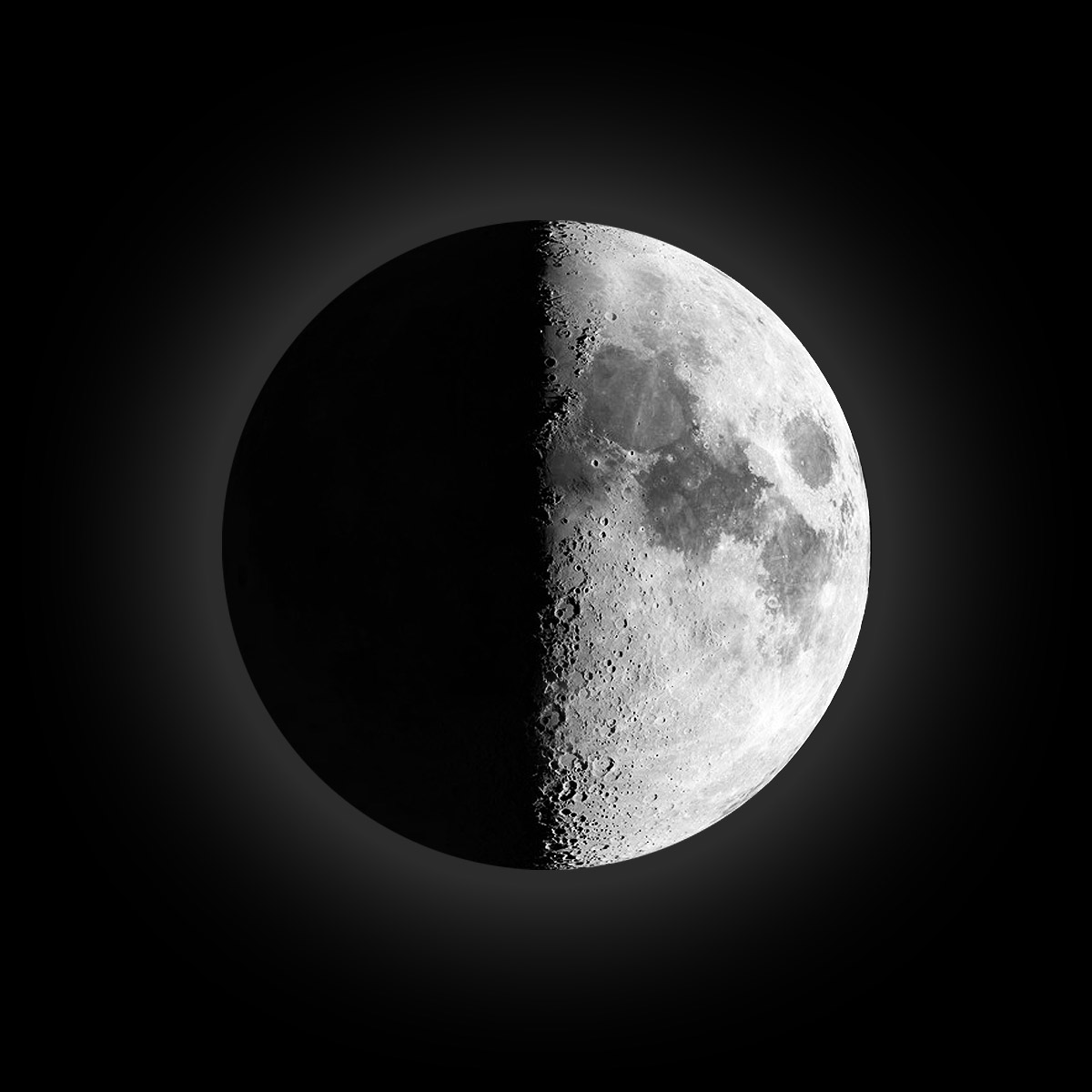
- First Quarter Moon: Half of the Moon is illuminated, growing stronger. A time for action and building.
- Full Moon: The entire face is illuminated. A time for culmination, release, and celebration.
- Last Quarter Moon: Half of the Moon is illuminated, waning. A time for winding down, re-evaluation, and clearing.
February 2027 Moon Phases at a Glance
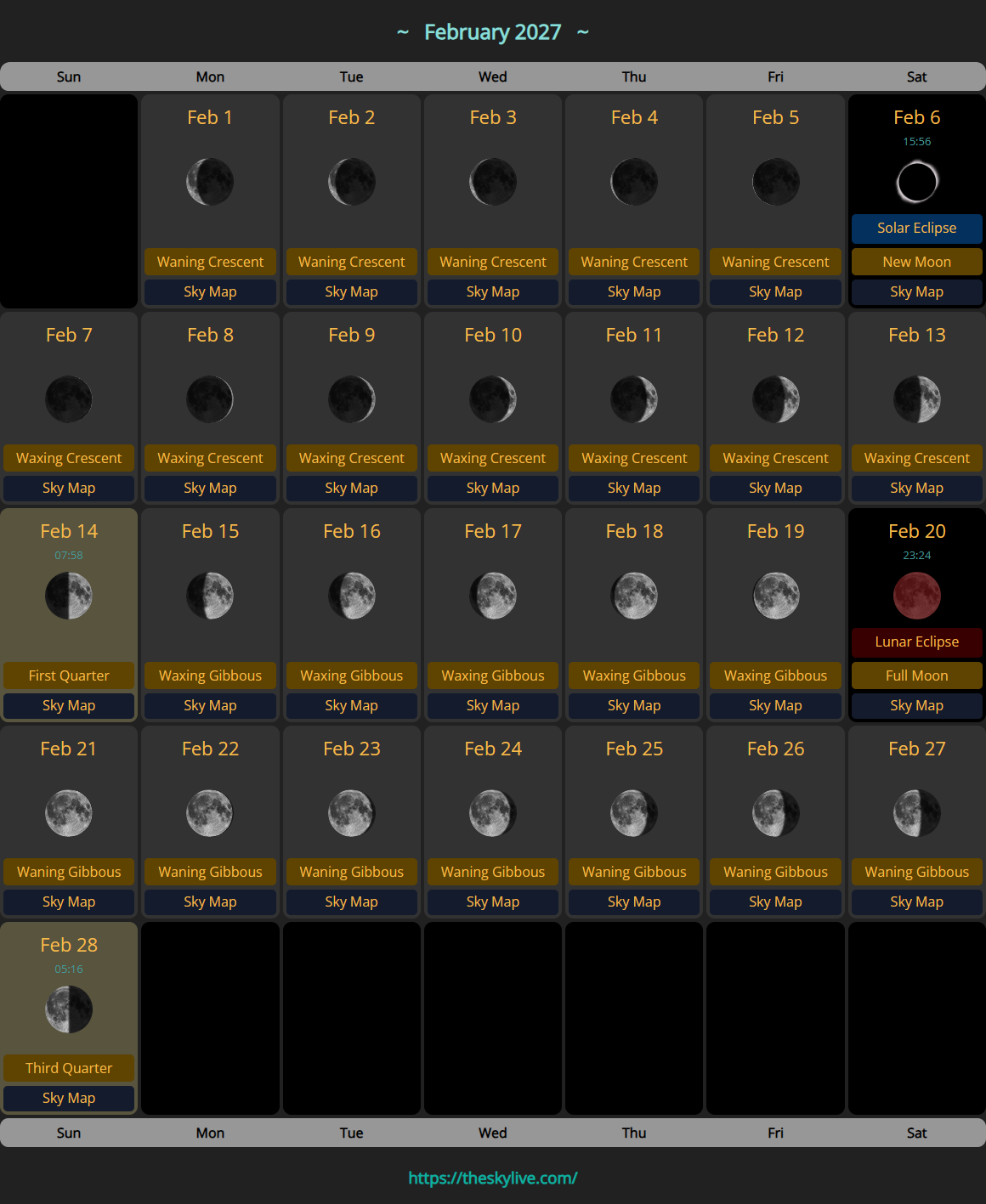
Here’s a quick overview of the primary Moon phases for February 2027 (times are approximate for US Eastern Time and will vary slightly by exact location):
| Moon Phase | Date (Approx. EST) | Significance |
|---|---|---|
| New Moon | February 6, 2027 | New beginnings, setting intentions, fresh starts. |
| First Quarter Moon | February 13, 2027 | Taking action, overcoming challenges, building momentum. |
| Full Moon (Snow Moon) | February 20, 2027 | Culmination, release, illumination, heightened energy. |
| Last Quarter Moon | February 27, 2027 | Re-evaluation, clearing out, preparing for the next cycle. |
Looking Ahead: The Next Full Moons in 2027
While the February Snow Moon is a highlight, 2027 promises a full year of lunar spectacles. If you’re planning your year around these celestial events, here’s a brief look at the next few Full Moons:
- March 2027: The Worm Moon, signaling the thawing of the ground and the emergence of earthworms.
- April 2027: The Pink Moon, named after the early spring flowers.
- May 2027: The Flower Moon, celebrating the abundant blooms of late spring.
Each Full Moon carries its own unique name, lore, and energy, tying us back to ancient rhythms and the natural world.
Debunking Common Full Moon Myths and Misconceptions
The Full Moon is often associated with a host of myths, from bizarre behavior to increased crime rates. While it’s fun to explore folklore, it’s important to separate fact from fiction.
- “Lunar Lunacy”: The idea that the Full Moon causes people to act strangely, or increases hospital admissions and crime, is largely unsupported by scientific evidence. Studies have generally found no significant correlation.
- Werewolves: The classic tale of transformations under a Full Moon is a compelling piece of folklore, but entirely mythological.
- Moon Affecting Tides: This is true! The Moon’s gravitational pull significantly influences Earth’s ocean tides, particularly strong during New and Full Moons (spring tides).
- Moon Affecting Sleep: Some research suggests that lunar cycles might have a subtle impact on human sleep patterns, but more studies are needed. It’s more likely that the extra light from a bright Full Moon might subtly disrupt sleep for light sleepers.
So, while the Full Moon undoubtedly has a powerful aesthetic and cultural presence, its direct impact on human behavior is often exaggerated in popular culture.
n
Frequently Asked Questions
When is the Full Moon in February 2027?
The Full Moon in February 2027, known as the Snow Moon, will occur on Saturday, February 20, 2027. The exact moment of peak illumination varies by time zone; for instance, it will be at 6:23 PM EST (Eastern Standard Time).
What is the name of the February 2027 Full Moon?
The February 2027 Full Moon is traditionally known as the Snow Moon, a name originating from Native American tribes, particularly the Algonquin, due to the heavy snowfalls typically experienced during this month.
Will there be a lunar eclipse in February 2027?
Yes, there will be a Penumbral Lunar Eclipse coinciding with the Full Moon on February 20, 2027. This type of eclipse is subtle, causing a slight dimming of the Moon’s brightness rather than a dramatic change in color or visibility. It will be visible across North and South America where the Moon is above the horizon.
What are the best times to observe the February 2027 Full Moon and eclipse in the US?
For the Full Moon’s peak and the eclipse maximum, it’s 6:23 PM EST, 5:23 PM CST, 4:23 PM MST, 3:23 PM PST, 2:23 PM AKST, and 1:23 PM HST on February 20, 2027. The eclipse begins about 10 minutes before the peak and ends roughly two hours later, also on February 20th in all US time zones.
What is the astrological significance of the February 2027 Full Moon?
The February 2027 Full Moon will be in the constellation Leo. Astrologically, a Full Moon in Leo is associated with themes of self-expression, creativity, passion, and leadership. It’s often seen as a powerful time for embracing personal power and releasing inhibitions.
How can I photograph the Penumbral Lunar Eclipse?
To photograph the subtle Penumbral Lunar Eclipse, use a tripod and manual camera settings (low ISO, aperture around f/8-f/11, adjust shutter speed). A telephoto lens is recommended. Take consistent shots every 10-15 minutes throughout the eclipse duration to capture the gradual dimming, potentially adjusting exposure slightly as the eclipse progresses.