February 2027 Full Moon: Your Complete Guide to the Snow Moon in Eastern Time
Ever feel that pull toward the night sky, especially when the Moon hangs heavy and bright? You’re not alone. For centuries, full moons have captivated humanity, signaling cycles, events, and often, a moment for reflection. If you’re looking to mark your calendar for the February 2027 Full Moon, specifically in Eastern Time, you’ve come to the right place. We’re not just giving you a date; we’re giving you the full picture.
The February Full Moon carries a rich history and a beautiful traditional name. It’s often shrouded in winter’s chill and offers a breathtaking spectacle for those willing to brave the cold. Understanding its exact timing in your local time zone – Eastern Time, in this case – is crucial for planning observations, cultural practices, or simply savoring the celestial show.

The Exact Moment: February 2027 Full Moon in Eastern Time
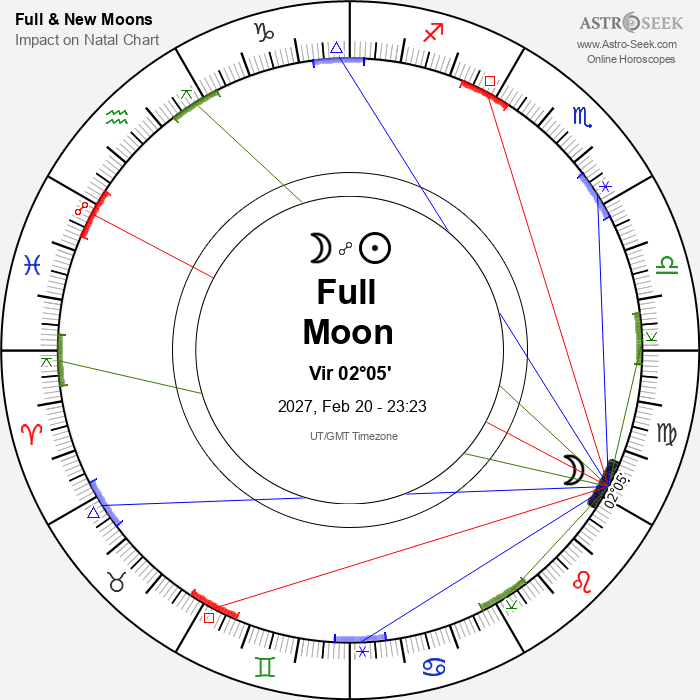
Let’s cut right to it. You want the precise details, and we’re here to deliver. The Full Moon in February 2027 is an event worth noting in your calendar, especially if you reside anywhere within the Eastern Time Zone. This isn’t just a general timeframe; it’s the exact astronomical peak of the full lunar phase.
Here’s the critical information you need:
| Event | Date | Eastern Standard Time (EST) | Coordinated Universal Time (UTC) |
|---|---|---|---|
| February 2027 Full Moon | Saturday, February 20, 2027 | 6:23 PM EST | 11:23 PM UTC |
This means that for anyone on the Eastern Seaboard of the United States and Canada, or in other regions observing Eastern Standard Time (EST), the Moon will reach its maximum illumination precisely at 6:23 PM on Saturday, February 20th. Why is knowing the exact time important? While the Moon appears full for about three days around this peak, the actual moment of fullness is when it’s directly opposite the Sun in its orbit. This precise alignment can subtly affect lunar phenomena and is the golden hour for astronomers and photographers.
Understanding Eastern Time: EST vs. EDT
A quick note on time zones: February falls squarely within Eastern Standard Time (EST), which is UTC-5. Daylight Saving Time (EDT) typically begins in March, so you won’t need to adjust for that during this February event. This consistent time zone ensures clarity for your observations and planning.
What to Expect: The "Snow Moon" of February
Every Full Moon has a story, often rooted in the natural cycles observed by ancient cultures. The February Full Moon is perhaps one of the most evocative, known primarily as the Snow Moon. But what does this name truly mean, and what other monikers has it carried through history?
Origin and Meaning of the "Snow Moon" Name
The name "Snow Moon" is widely attributed to Native American tribes, particularly those from the northeastern parts of North America. It perfectly captures the essence of February, a month often marked by the heaviest snowfalls of the year. Imagine gazing up at a brilliant full moon, casting long, stark shadows across a pristine, snow-covered landscape – the imagery is powerful and direct.
This name wasn’t chosen for its poetic quality alone; it was a practical identifier. For these communities, the moon’s phases were a calendar, and its names were descriptions of the season’s defining characteristics. Heavy snow meant difficult hunting and travel, making the "Snow Moon" a poignant reminder of winter’s grip.
Other Traditional Names: Hunger Moon, Storm Moon, etc.
While "Snow Moon" is the most popular, this full moon has other traditional names that paint an even broader picture of the challenges faced during late winter:
- Hunger Moon: This name, also common among Native American tribes, reflects the scarcity of food that often occurred by late winter, as hunting became harder and stored provisions dwindled. It was a time of genuine hardship for many.
- Storm Moon: Some European traditions, particularly Celtic, referred to it as the Storm Moon, acknowledging the often tempestuous and severe weather patterns of February.
- Chaste Moon: In medieval Europe, this name symbolized purity and new beginnings, perhaps looking ahead to the spring.
- Bone Moon: Another stark reminder of lean times, when people might have been forced to chew on bone marrow for sustenance.
These names, collected and preserved through sources like The Old Farmer’s Almanac, give us a window into the past, connecting us to the rhythm of life that revolved around the lunar calendar.
Brief Meteorological Context for February
From a meteorological standpoint, February in the Northern Hemisphere is typically one of the coldest and snowiest months. While snowfall varies by region, the general trend is cold temperatures, often accompanied by significant winter storms. The Full Moon’s bright light on a clear winter night, reflecting off fresh snow, creates an almost ethereal glow, making it a favorite for many observers. This natural backdrop enhances the significance of the Snow Moon title, reinforcing its deep connection to the season.
Lunar Phases for February 2027: An Eastern Time Calendar
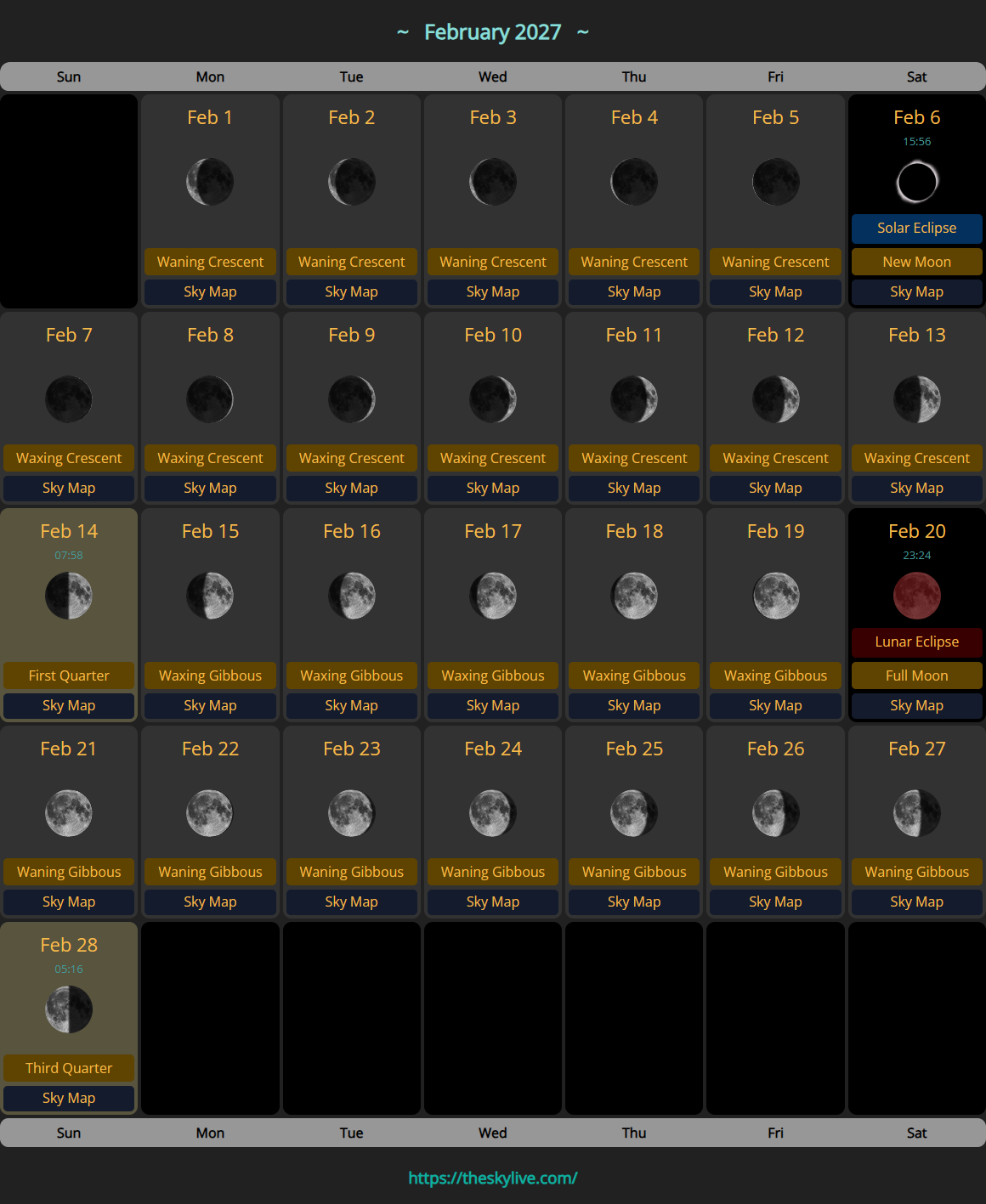
The Full Moon is just one highlight in the Moon’s fascinating monthly journey. Understanding all the major phases allows you to track its progression and appreciate the full lunar cycle. Here’s a detailed calendar of the key Moon phases for February 2027, presented in both Eastern Standard Time (EST) and Coordinated Universal Time (UTC) for universal reference.
| Moon Phase | Date | Eastern Standard Time (EST) | Coordinated Universal Time (UTC) |
|---|---|---|---|
| New Moon | Saturday, February 6, 2027 | 10:56 AM EST | 3:56 PM UTC |
| First Quarter | Sunday, February 14, 2027 | 2:58 AM EST | 7:58 AM UTC |
| Full Moon | Saturday, February 20, 2027 | 6:23 PM EST | 11:23 PM UTC |
| Last Quarter | Sunday, February 28, 2027 | 11:27 PM EST | 4:27 AM UTC (March 1st) |
Explanation of Moon Phases in Simple Terms
If you’re new to tracking the Moon, here’s a quick rundown of what each phase means:
- New Moon: This is when the Moon is directly between the Earth and the Sun. From our perspective, the side of the Moon facing Earth is not illuminated, making it largely invisible in the night sky. It’s a time of quiet beginnings.
- First Quarter: About a week after the New Moon, the Moon has completed a quarter of its orbit. We see exactly half of its face illuminated, resembling a "D" shape in the Northern Hemisphere. It rises around noon and sets around midnight.
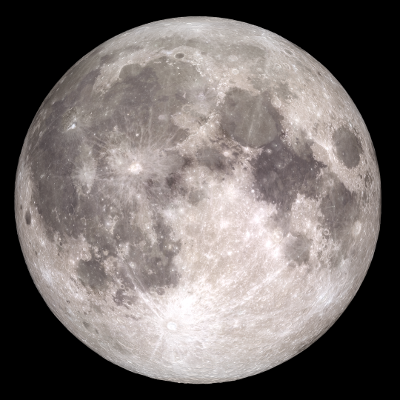
- Full Moon: The highlight of the lunar cycle! The Earth is between the Sun and the Moon, so the entire side of the Moon facing us is illuminated. It rises around sunset and sets around sunrise, dominating the night sky.
- Last Quarter: About a week after the Full Moon, we again see half of the Moon illuminated, but this time it’s the opposite half from the First Quarter, resembling a backward "D". It rises around midnight and sets around noon.
Visualizing the Moon’s Journey Throughout the Month
Observing the Moon’s phases day by day can be a truly rewarding experience. After the New Moon on February 6th, you’ll see a tiny sliver of light growing larger each evening as it waxes towards the First Quarter. The period between the First Quarter and Full Moon (known as the waxing gibbous) is when the Moon steadily grows in brightness and size. After the Full Moon, it will begin to wane, shrinking towards the Last Quarter and eventually returning to the New Moon phase in March.
Observing the Full Moon: Tips for Stargazers and Enthusiasts
The Full Moon is the easiest celestial object to observe, requiring no special equipment. Its brilliance can be appreciated even from light-polluted urban areas. However, with a few simple tips, you can enhance your viewing experience and truly connect with the Snow Moon.
Best Times and Conditions for Viewing
While the full moon technically peaks at 6:23 PM EST on February 20th, it will appear full for roughly three days around this date. For optimal viewing:
- On Full Moon Night: The Moon rises around sunset (which will be approximately 5:40 PM EST in much of the Eastern Time Zone on Feb 20th) and will be highest in the sky around midnight. Catching it shortly after moonrise can offer a stunning sight, as it appears larger and often has a beautiful orange hue close to the horizon.
- Weather: Clear skies are your best friend! Check local weather forecasts for cloud cover. February can be unpredictable, so be ready to step out if the clouds part.
- Cold Weather Prep: Since it’s February, dress warmly in layers. A hot beverage can also make the experience more enjoyable.
Equipment: Binoculars, Telescope vs. Naked Eye
- Naked Eye: The Full Moon is incredibly bright and needs no assistance to be seen. You can easily discern its major dark and light patches (maria and highlands) without any gear.
- Binoculars: If you have a pair, even standard 7×50 or 10×50 binoculars will offer a significantly enhanced view. You’ll be able to pick out craters, mountains, and finer details on the lunar surface. Steady your binoculars against a wall or use a tripod for the best results.
- Telescope: For serious enthusiasts, a small telescope will reveal an astonishing amount of detail, allowing you to explore individual craters and rilles. However, a Full Moon can be *too* bright through a telescope, sometimes causing glare. A moon filter, which screws onto the eyepiece, can reduce the brightness and enhance contrast, making for a more comfortable and detailed view.
Light Pollution Considerations
Unlike dimmer deep-sky objects, the Full Moon isn’t significantly affected by light pollution. You can enjoy its splendor even from a brightly lit city park. However, for a truly immersive experience, finding a darker location away from streetlights will allow your eyes to adjust better to the overall night sky, potentially revealing more stars alongside the Moon.
Safety Tips
Observing the Moon is generally very safe. Just remember common sense rules for being outdoors in February:
- Stay Warm: Protect yourself from the cold.
- Watch Your Step: Especially if observing in unfamiliar, dark areas.
Is There a Lunar Eclipse in February 2027?
When discussing full moons, the question of a lunar eclipse often arises. The alignment required for a full moon is similar to that for a lunar eclipse, leading to these events sometimes coinciding. So, will the February 2027 Full Moon be accompanied by an eclipse?
Yes, there will be a Penumbral Lunar Eclipse on Saturday, February 20, 2027, at the same time as the Full Moon’s peak.
Visibility in Eastern Time and What to Expect
However, and this is a crucial detail for our Eastern Time audience: this particular penumbral lunar eclipse will NOT be visible from North America, including any location within the Eastern Time zone. Its visibility path is primarily concentrated over parts of Europe, Asia, Africa, and Australia.
A penumbral lunar eclipse occurs when the Moon passes through the Earth’s faint outer shadow (the penumbra). Unlike a partial or total lunar eclipse, where a distinct bite or darkening is visible, a penumbral eclipse is often very subtle and difficult to detect with the naked eye, even for observers within its visibility zone. It typically appears as a slight, almost imperceptible dimming of the Moon’s surface.
So, while the Full Moon itself will be a magnificent sight across Eastern Time on February 20th, don’t expect to witness the lunar eclipse directly from your backyard here. For those interested in the eclipse, global astronomy sites like TheSkyLive or SpaceWeatherLive.com often provide detailed global visibility maps for such events.
Beyond Astronomy: Cultural and Spiritual Significance of the Full Moon
While the precise timing and astronomical details are fascinating, the Full Moon’s influence extends far beyond the scientific realm. Throughout history, cultures worldwide have imbued full moons with profound spiritual, cultural, and even practical significance.
Brief Historical Perspectives on Full Moons
For ancient civilizations, the Moon was a primary timekeeper, dictating planting cycles, hunting seasons, and religious festivals. Full Moons, being the brightest and most visible phase, naturally became markers of specific periods. Many ancient calendars, like the Chinese, Hindu, and Islamic calendars, are lunisolar or purely lunar, with full moons playing a central role in marking months and festivals.
From storytelling around campfires to navigation across vast oceans, the Full Moon served as both a guide and a muse. Its consistent reappearance offered comfort and predictability in a world where little else was certain.
Modern Cultural Interpretations: Manifestation, Reflection
Even in our modern, technologically advanced world, the Full Moon continues to hold a special place. For many, it’s a time for:
- Reflection and Release: The Full Moon is often seen as a peak energy point in the lunar cycle. It’s a popular time to reflect on what you’ve achieved since the New Moon, acknowledge your progress, and release anything that no longer serves you.
- Gratitude: Its radiant presence encourages a moment of gratitude for the abundance in one’s life.
- Manifestation and Intentions: While the New Moon is often associated with setting new intentions, the Full Moon is seen by some as a powerful time to manifest what you’ve been working towards, bringing projects or goals to fruition.
These practices often involve journaling, meditation, or simply taking a quiet moment under the moonlight to connect with your inner self and the natural world.
Brief Mention of Agriculture: Planting by the Moon
The practice of "planting by the moon" (also known as lunar gardening or biodynamic gardening) is an age-old tradition that persists today. While scientific evidence is debated, proponents believe that the Moon’s gravitational pull and light influence plant growth, similar to how it affects ocean tides.
Full Moon periods are often considered ideal for planting root crops, perennials, and bulbs, or for transplanting, as the increased moonlight is believed to stimulate strong root growth. It’s a fascinating blend of folklore and observation that many gardeners swear by.
Planning Your Month Around the Lunar Cycle
Beyond simply observing the Full Moon, understanding the entire lunar cycle for February 2027 can be a surprisingly useful tool for organizing your month, whether for practical tasks or personal well-being.
How Knowing Moon Phases Can Be Useful
- Outdoor Activities: Planning a night hike, camping trip, or even just a backyard gathering? The brilliant light of the Full Moon (or near-full phases) can illuminate your path and enhance the ambiance, reducing the need for artificial light. Conversely, if you’re planning stargazing for dimmer objects, you’ll want to avoid the full moon period entirely.
- Photography: Astrophotographers specifically plan shoots around moon phases. The Full Moon is ideal for lunar landscapes or detailed shots of the Moon itself, while a New Moon is perfect for capturing galaxies, nebulae, and meteor showers without lunar interference.
- Personal Productivity: Some individuals find their energy levels fluctuate with the lunar cycle. The New Moon is often associated with setting intentions and new beginnings, while the waxing phases (leading up to the Full Moon) are for growth and action. The Full Moon is for culmination and celebration, and the waning phases for release and winding down.
Setting Intentions with the Full Moon
The Full Moon is a powerful time for introspection and reviewing progress. Consider taking time on February 20th (or the days surrounding it) to:
- Reflect: Look back at the intentions you set around the New Moon. What has grown? What needs adjustment?
- Release: Identify habits, thoughts, or situations that are no longer serving your highest good. Write them down and symbolically release them.
- Recharge: Simply bask in the Moon’s glow. Many believe the Full Moon’s energy is ideal for recharging crystals, oneself, or simply finding a moment of calm.
Understanding Time Zones: Why "Eastern Time" Matters
You searched specifically for "Full Moon February 2027 Eastern Time," and for good reason. Astronomical events happen at an exact, universal moment, but our clocks depend on where we are on Earth. This distinction is critical for precise observation.
Brief Explanation of Time Zones, Specifically EST/EDT
The Earth is divided into 24 primary time zones, roughly corresponding to 15 degrees of longitude each. These zones allow for local times to generally align with the position of the sun. Coordinated Universal Time (UTC) serves as the primary time standard by which the world regulates clocks and time. It is, in essence, the modern equivalent of Greenwich Mean Time (GMT).
Eastern Standard Time (EST) is UTC-5, meaning it is five hours behind UTC. For example, if it’s 11:23 PM UTC, it’s 6:23 PM EST. During the summer months, many regions in the Eastern Time zone switch to Eastern Daylight Time (EDT), which is UTC-4. However, as noted, February 2027 falls within EST, simplifying things for this particular event.
Why Precise Time is Important for Astronomical Events
For casual observers, knowing the general day of the full moon is often sufficient. But for those who want to experience the moon at its absolute peak, or for astronomers and photographers, precision is everything. The exact moment of full illumination can impact the angle of light, the length of shadows on the lunar surface, and the exact timing of phenomena like eclipses or occultations (when the Moon passes in front of another celestial body).
Without converting to your local time zone, you might miss the precise moment or even mistakenly believe the event occurs on a different calendar day, especially if the universal time (UTC) falls just before or after midnight in your location.
How to Convert to Other Time Zones If Needed (Simple Math)
If you have friends or family in other time zones who want to observe the February 2027 Full Moon, here’s a simple guide for conversion from the EST peak of 6:23 PM on February 20, 2027:
- Central Standard Time (CST): EST – 1 hour = 5:23 PM CST
- Mountain Standard Time (MST): EST – 2 hours = 4:23 PM MST
- Pacific Standard Time (PST): EST – 3 hours = 3:23 PM PST
- Alaska Standard Time (AKST): EST – 4 hours = 2:23 PM AKST
- Hawaii Standard Time (HST): EST – 5 hours = 1:23 PM HST
Always remember to confirm if the other time zone observes Standard Time or Daylight Saving Time during February to ensure absolute accuracy.
Conclusion: Embrace the Snow Moon
The Full Moon of February 2027, the venerable Snow Moon, offers more than just a date on the calendar. It’s an opportunity to connect with ancient rhythms, observe a magnificent celestial body, and perhaps even find a moment of personal reflection amidst the lingering chill of winter. Whether you’re an avid stargazer, a cultural enthusiast, or simply someone who appreciates the beauty of the night sky, mark your calendars for Saturday, February 20, 2027, at 6:23 PM EST.
Step outside, bundle up, and take a moment to gaze upon our celestial neighbor. Its quiet power and luminous presence are a reminder of the universe’s enduring majesty, and a beautiful beacon in the heart of winter. Enjoy the view!
Frequently Asked Questions
When is the Full Moon in February 2027 in Eastern Time?
The Full Moon in February 2027 will occur on Saturday, February 20, 2027, at 6:23 PM Eastern Standard Time (EST). This is the precise moment when the Moon is fully illuminated by the Sun.
What is the traditional name for the February Full Moon?
The February Full Moon is most commonly known as the Snow Moon. This name originated from Native American traditions, reflecting the typically heavy snowfall experienced during this month in many regions. It’s also sometimes called the Hunger Moon or Storm Moon.
Will there be a lunar eclipse during the February 2027 Full Moon?
Yes, there will be a Penumbral Lunar Eclipse on February 20, 2027, coinciding with the Full Moon. However, this eclipse will not be visible from North America, including any locations within the Eastern Time zone. It will primarily be visible from parts of Europe, Asia, Africa, and Australia.
What are the other major moon phases in February 2027?
In February 2027, the New Moon is on February 6th at 10:56 AM EST, the First Quarter is on February 14th at 2:58 AM EST, and the Last Quarter is on February 28th at 11:27 PM EST. The Full Moon is on February 20th at 6:23 PM EST.
What’s the best way to observe the February Full Moon?
The Full Moon is bright and easily observable with the naked eye. For enhanced viewing, a pair of binoculars or a small telescope can reveal surface details. Find a spot away from city lights, if possible, and allow your eyes to adjust to the darkness for the best experience. The Full Moon rises around sunset and sets around sunrise.
Why is ‘Eastern Time’ important for moon phase timings?
Astronomical events like full moons occur at a specific universal time (UTC). Because the Earth has multiple time zones, the local time of the event changes depending on your geographical location. Specifying ‘Eastern Time’ provides the exact local time for observers in that zone, eliminating the need for manual conversion.