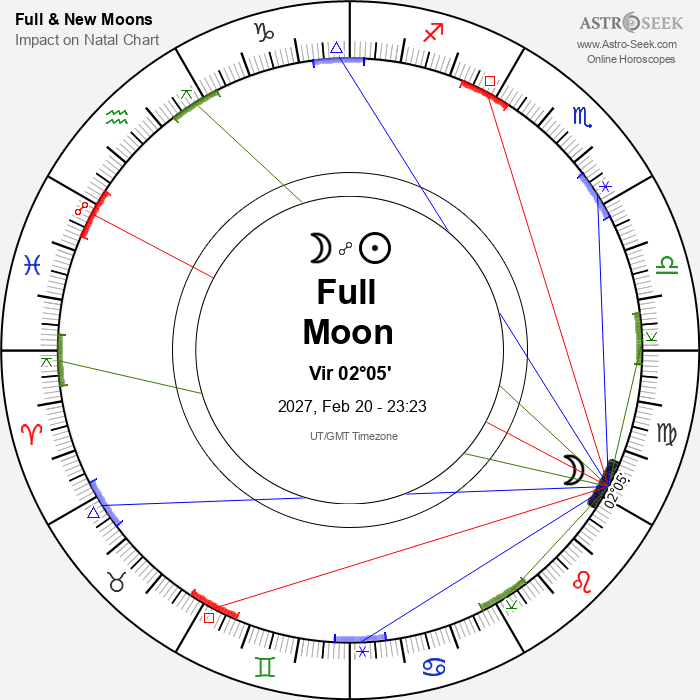
Your Definitive Guide to the February 2027 Full Moon (The Snow Moon) in EST
Ever feel a magnetic pull to the night sky, especially when the Moon is a brilliant, glowing orb? Get ready, because February 2027 delivers a celestial spectacle you won’t want to miss. For those of us on the East Coast, or anyone observing in Eastern Standard Time (EST), pinpointing the exact moment of the Full Moon can make all the difference in experiencing its full glory. We’re here to cut through the confusion and give you the definitive details for this unique lunar event.
This isn’t just another Full Moon; it’s February’s traditional Snow Moon, coinciding with a rare celestial alignment: a Lunar Eclipse! Forget generic calendars that just list a date. You need the precise timing, the cultural context, and the astrological insights to truly connect with this powerful lunar phase. Let’s dive in.

The Full Moon Moment: February 2027 in Eastern Standard Time
Mark your calendars and set your reminders!
The Full Moon in February 2027, also known as the Snow Moon, will reach its peak illumination for observers in Eastern Standard Time (EST) on:
Saturday, February 20, 2027, at 6:23 PM EST
Yes, you read that right. While some sources might list a different date or time based on other global time zones like UTC or Europe/London, this is the precise moment when the Moon achieves 100% illumination in our local EST sky. Prepare for a magnificent sight as the Moon rises, already full, ready to dominate the night.
Full Moons are powerful moments of culmination and illumination. They bring things to a head, shedding light on areas of our lives that have been developing since the previous New Moon. It’s a time for reflection, release, and sometimes, a sudden burst of clarity.
The February Full Moon: Unveiling the “Snow Moon”
Every Full Moon carries a unique name, steeped in history and cultural lore, often tied to the natural cycles of the seasons. February’s Full Moon is no exception.
Origins of the “Snow Moon” Name
The most widely recognized name for February’s Full Moon is the Snow Moon. This poignant name originates from several Native American tribes, including the Algonquin, who observed the harshest winter conditions during this month. February typically brings the heaviest snowfall across much of North America, making travel difficult and hunting nearly impossible.
For centuries, indigenous communities relied on the Moon’s cycles to track the seasons and guide their daily lives. The name “Snow Moon” served as a vital reminder of the deep winter, signifying scarcity and the need for resilience. Historical almanacs, like those published by the Old Farmer’s Almanac, have helped preserve and popularize these traditional names, connecting modern observers to ancient wisdom.
Other Names for February’s Full Moon
While “Snow Moon” is prevalent, other cultures and tribes had their own descriptive names for February’s Full Moon, reflecting their unique environments and experiences:
- Hunger Moon: This name, also common among various Native American groups, underscored the difficulty of finding food during the peak of winter. Game was scarce, and stored provisions were dwindling.
- Storm Moon: Reflecting the severe winter storms often encountered in February.
- Little Famine Moon: A name echoing the themes of scarcity and hardship.
- Bear Moon: In some traditions, this referred to the time when bear cubs were born or when bears emerged from their dens.
Regardless of the name, the underlying theme is clear: February’s Full Moon marks a time of intense winter, requiring fortitude and preparation.
Astrological Significance: Full Moon in Leo (February 2027)
Beyond its astronomical beauty and traditional names, the February 2027 Full Moon carries a potent astrological signature. This Full Moon occurs in the fiery, expressive sign of Leo, directly opposing the Sun in intellectual Aquarius.
The Energetics of a Full Moon
Astrologically, a Full Moon is a time of culmination, revelation, and emotional peak. It’s when the Moon, representing our emotions, intuition, and subconscious, is fully illuminated by the Sun, representing our conscious will and ego. This opposition creates a dynamic tension, bringing underlying issues to the surface for recognition and release.
It’s a powerful period for:
- Illumination: Seeing truths about ourselves and our relationships more clearly.
- Release: Letting go of what no longer serves us, whether it’s old habits, limiting beliefs, or stagnant emotions.
- Celebration: Acknowledging what we’ve accomplished since the New Moon.
The Influence of Leo: Creativity, Self-Expression, and Drama
When the Full Moon lights up the sign of Leo, its energies become magnified. Leo is a fixed fire sign, ruled by the Sun itself, embodying themes of:
- Creativity and Self-Expression: Leo loves to shine, to create, and to express its unique spirit. This Full Moon encourages you to tap into your inner artist, performer, or innovator.
- Leadership and Courage: Leo is a natural leader, brave and confident. This is a time to step into your power, take initiative, and lead with heart.
- Romance and Passion: The Lion’s heart is generous and passionate. This Full Moon can ignite romantic sparks or deepen existing connections.
- Drama and Ego: On the flip side, Leo can be prone to drama, needing external validation, or struggling with ego-driven desires. The Full Moon’s illumination might highlight where these tendencies are out of balance.
Navigating Leo’s Full Moon Energy
With the February 2027 Full Moon in Leo, here’s how you can harness its vibrant energy:
- Embrace Your Authentic Self: This is a prime time to express who you truly are, without apology. What makes you unique? How can you share your gifts with the world?
- Ignite Creative Projects: If you’ve been putting off a creative endeavor, this Full Moon provides the perfect energetic push to start or bring it to completion.
- Shine Your Light: Don’t be afraid to be seen! Step into leadership roles, speak your truth, and let your confidence radiate.
- Practice Self-Love: Leo energy is all about the heart. Treat yourself with kindness, acknowledge your worth, and engage in activities that make you feel joyful and alive.
- Release Ego Attachments: Reflect on where your need for external approval might be hindering your growth. Use this Full Moon to release any old patterns of attention-seeking or self-doubt.
Beyond the Full Moon: All February 2027 Lunar Phases (Your EST Calendar)
While the Full Moon takes center stage, February offers a complete cycle of lunar phases, each with its own rhythm and energy. Understanding the entire lunar calendar helps you tune into the natural flow of the month. Here’s your comprehensive guide to all the major Moon phases in February 2027, precisely timed for Eastern Standard Time (EST):
| Moon Phase | Date (EST) | Time (EST) | Sign/Description |
|---|---|---|---|
| Last Quarter Moon | Saturday, February 6, 2027 | 1:02 AM EST | A time for release and reflection before the new cycle. |
| New Moon | Saturday, February 13, 2027 | 10:56 AM EST | New beginnings, setting intentions for the month ahead (in Aquarius). |
| First Quarter Moon | Saturday, February 20, 2027 | 10:07 AM EST | Action and growth, overcoming challenges to manifest intentions. |
| Full Moon (Snow Moon) | Saturday, February 20, 2027 | 6:23 PM EST | Culmination, illumination, release (in Leo, with a Lunar Eclipse). |
| Last Quarter Moon | Sunday, February 28, 2027 | 8:03 PM EST | Winding down the cycle, preparing for new intentions. |
Note: Times for non-Full Moon phases are approximate based on general lunar cycle patterns and may vary by a few minutes depending on precise astronomical calculations.
Observing the February Full Moon: Tips for Stargazers and Moon Enthusiasts
Witnessing a Full Moon is a deeply satisfying experience. Here’s how you can make the most of the February 2027 Snow Moon, especially since it’s accompanied by a lunar eclipse!
Best Time to Observe
While the Moon is technically “full” at 6:23 PM EST, it will be visible for much of the night. The absolute best time to observe is often right around moonrise and moonset. At moonrise, the Moon appears larger and more dramatic due to an optical illusion and will be lower in the sky, offering a stunning backdrop against the horizon.
For the February 20, 2027 Full Moon, check your local moonrise time. Generally, it will rise around sunset, giving you ample opportunity to see it ascend into the twilight sky, already fully illuminated.
Simple Observation Tools
You don’t need fancy equipment to enjoy the Full Moon, but a few tools can enhance the experience:
- Your Eyes: The most powerful tool! Simply stepping outside and looking up is enough.
- Binoculars: Even a basic pair of binoculars (7×50 or 10×50 are excellent) will reveal incredible detail on the lunar surface – craters, maria (dark plains), and mountain ranges become surprisingly clear.
- Telescope (Optional): If you have one, a telescope will offer even more magnified views, though the brightness of a Full Moon can be intense. A moon filter can help reduce glare for more comfortable viewing.
Finding the Moon
The Full Moon is easy to spot. It will rise in the eastern sky around sunset and track across the sky, setting in the west around sunrise. On the night of February 20th, after 6:23 PM EST, simply look towards the eastern horizon as dusk settles, and the brilliant orb of the Snow Moon will greet you.
Capturing the Moment: Basic Moon Photography Tips
Want to photograph the Snow Moon? Here are a few quick tips:
- Use a Tripod: Essential for sharp images, especially with longer exposures.
- Telephoto Lens: The longer the focal length, the larger the Moon will appear in your frame.
- Manual Settings:
- Aperture: Start around f/8 to f/11 for good depth of field.
- Shutter Speed: Surprisingly fast for a bright Full Moon. Try 1/125th to 1/250th of a second.
- ISO: Keep it low, like ISO 100 or 200, to minimize noise.
- Shoot in RAW: Gives you more flexibility in post-processing.
Cultural Reverence & Modern Practices
Throughout history, the Full Moon has held a special place in human culture, inspiring myths, rituals, and scientific inquiry. Today, many continue to connect with its powerful energy.
Historical Rituals and Beliefs
Ancient civilizations observed the Moon’s phases for everything from agriculture and hunting to spiritual practices and predicting tides. The Full Moon was often associated with:
- Fertility and Growth: Believed to encourage plant growth and influence human fertility.
- Emotional Peaks: Many traditions linked the Full Moon to heightened emotions, dreams, and even lunacy (hence the term “lunatic”).
- Harvest and Feast: Full Moons often marked the completion of agricultural tasks, leading to celebrations and feasts.
Modern Full Moon Practices
In contemporary times, many people integrate Full Moon practices into their wellness routines, using this powerful lunar phase for:
- Journaling: Reflect on what has come to fruition since the last New Moon. What insights have been illuminated? What are you ready to release?
- Meditation: Connect with the Moon’s energy to enhance intuition, clarity, and emotional release.
- Setting Intentions (Release): While New Moons are for setting new intentions, Full Moons are ideal for releasing what no longer serves you. Write down what you want to let go of, and symbolically release it (e.g., burning the paper safely).
- Cleansing and Charging: Many believe the Full Moon’s energy can cleanse crystals, tools, and even yourself. Place objects under the moonlight to recharge them.
Full Moon Facts & Myths: Separating Science from Superstition
The Moon has long been a source of fascination, leading to a blend of scientific understanding and popular folklore.
Does the Full Moon Affect Behavior?
This is a classic question. While many anecdotal stories suggest a rise in strange behavior, hospital admissions, or crime during a Full Moon, scientific studies by institutions like NASA have largely debunked a direct causal link. The Moon’s gravitational pull primarily affects tides, not human behavior. However, the brightness of a Full Moon might have historically disrupted sleep patterns, which could indirectly affect mood or behavior. It’s more likely a psychological effect – we *expect* things to happen, so we notice them more.
A Crucial Detail: Lunar Eclipse During the February 2027 Full Moon!
Here’s a significant detail that makes the February 2027 Full Moon even more special: it will feature a Lunar Eclipse! Specifically, sources indicate a penumbral lunar eclipse. A penumbral eclipse occurs when the Moon passes through the outer, fainter part of Earth’s shadow (the penumbra). While not as dramatic as a total lunar eclipse, where the Moon turns a stunning red, a penumbral eclipse still dims the Moon’s appearance, often giving it a subtle, dusky, or smoky hue that can be observed by keen eyes.
This adds an extra layer of astronomical wonder to the Snow Moon, inviting you to observe closely and witness Earth’s shadow subtly caress our lunar neighbor. The precise timing of the eclipse will align with the full moon moment on February 20th. Astronomical agencies like the International Astronomical Union (IAU) categorize these events, and this one promises a unique visual treat.
Looking Ahead: The 2027 Full Moon Calendar at a Glance
To help you plan your year and anticipate future lunar wonders, here’s a quick look at all the Full Moons scheduled for 2027, including their traditional names (dates are approximate for EST and peak illumination):
| Month | Traditional Name | Approximate Date (EST) |
|---|---|---|
| January | Wolf Moon | January 21 |
| February | Snow Moon | February 20 |
| March | Worm Moon | March 20 |
| April | Pink Moon | April 18 |
| May | Flower Moon | May 18 |
| June | Strawberry Moon | June 16 |
| July | Buck Moon | July 16 |
| August | Sturgeon Moon | August 15 |
| September | Harvest Moon | September 13 |
| October | Hunter’s Moon | October 13 |
| November | Beaver Moon | November 12 |
| December | Cold Moon | December 12 |
Your February 2027 Full Moon Checklist
Don’t just watch the Full Moon, experience it!
- Confirm the Date & Time: Saturday, February 20, 2027, at 6:23 PM EST is your peak moment.
- Know Its Name: The Snow Moon – a reminder of winter’s grip and resilience.
- Embrace the Leo Energy: Plan for creativity, self-expression, and releasing old ego patterns.
- Prepare for the Lunar Eclipse: Look for a subtle dimming or dusky hue to the Moon.
- Plan Your Observation: Check moonrise for dramatic views. Grab binoculars!
- Reflect & Release: Use the Full Moon’s energy for journaling, meditation, or a releasing ritual.
The February 2027 Full Moon, the Snow Moon in Leo, accompanied by a subtle lunar eclipse, is more than just an astronomical event. It’s an invitation to connect with nature’s rhythms, reflect on your inner world, and embrace your unique sparkle, even in the depths of winter. Get ready to look up and feel the magic!
Frequently Asked Questions
When exactly is the Full Moon in February 2027 in EST?
The Full Moon in February 2027, known as the Snow Moon, will reach its peak illumination on Saturday, February 20, 2027, at 6:23 PM EST (Eastern Standard Time).
What is the February 2027 Full Moon called?
The February 2027 Full Moon is traditionally known as the “Snow Moon,” a name originating from Native American tribes due to the heavy snowfall typically experienced during this month. It’s also sometimes called the Hunger Moon or Storm Moon.
What does a Full Moon in Leo mean astrologically?
A Full Moon in Leo signifies a time of culmination and illumination related to themes of creativity, self-expression, leadership, and romance. It encourages you to embrace your authentic self, pursue creative projects, and release any ego-driven attachments or need for external validation.
Will there be a lunar eclipse during the February 2027 Full Moon?
Yes, the February 2027 Full Moon will coincide with a penumbral lunar eclipse. This means the Moon will pass through the outer, fainter part of Earth’s shadow, causing a subtle dimming or dusky hue on its surface, which can be observed by keen eyes.
How can I best observe the Snow Moon?
For the best experience, observe the Snow Moon around moonrise (which will be near sunset on February 20th, 2027) as it appears larger and more dramatic on the horizon. Your bare eyes are enough, but binoculars can reveal fascinating surface details. Look for the subtle dimming effect of the penumbral eclipse.
What other moon phases occur in February 2027?
Besides the Full Moon, February 2027 includes a Last Quarter Moon on February 6th, a New Moon on February 13th, a First Quarter Moon on February 20th (earlier in the day), and another Last Quarter Moon on February 28th, all timed for Eastern Standard Time.
Is the Full Moon in February 2027 a Supermoon?
While there might be discussions about a New Supermoon in February 2027, the Full Moon on February 20th is not classified as a Supermoon. A Supermoon occurs when a New or Full Moon coincides with the Moon’s closest approach to Earth (perigee), making it appear slightly larger and brighter than average.