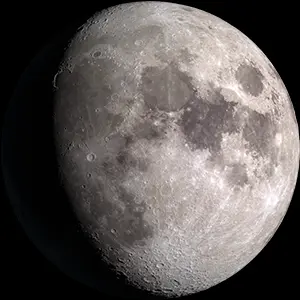
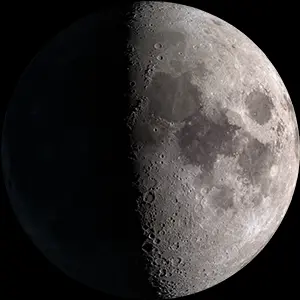
New Moon February 2027 in India: Timings, Cultural Significance, and the Annular Solar Eclipse
Ever gazed up at the night sky, only to find the Moon conspicuously absent? That’s the magic, and sometimes the mystery, of the New Moon. It’s more than just a phase; for millennia, across cultures, it has been a powerful marker of new beginnings, introspection, and spiritual renewal. For those tracking celestial events or immersed in the rich tapestry of Indian traditions, the New Moon in February 2027 holds particular significance.
We’re not just talking about a date on a calendar here. This specific New Moon, occurring on February 6, 2027, carries with it an added layer of cosmic drama: a coinciding Annular Solar Eclipse. While this spectacular eclipse won’t be visible from India, its presence underscores the profound astronomical alignment happening during this period. For millions in India, this day will be observed as Amavasya, a time steeped in spiritual practices, ancestral rites, and quiet contemplation.

Whether you’re planning your spiritual calendar, intrigued by Vedic astrology, or simply curious about the Moon’s journey, you’re in the right place. I’m here to break down the exact timings for major Indian cities, delve into the cultural practices surrounding Amavasya, explore the astrological undercurrents, and provide clarity on that remarkable solar eclipse. Let’s journey through this unique celestial event together.
The February 2027 New Moon in India: Key Dates & Times
For those eager to mark their calendars, the New Moon of February 2027 is a precise astronomical moment. This isn’t a phenomenon that spans days, but rather a specific instant when the Moon aligns perfectly between the Earth and the Sun, rendering its illuminated side invisible to us. In India, this transition will occur on the evening of February 6, 2027.
Understanding these timings isn’t just for astronomers; it’s crucial for adherents of various spiritual and cultural practices that revolve around the lunar calendar. The exact moment of the New Moon, or Amavasya Tithi, dictates the beginning and end of specific observances. I’ve compiled a detailed table below, providing the precise timings for several major Indian cities, ensuring you have the most accurate information at your fingertips.
Pinpointing the New Moon: Exact Timings Across Major Indian Cities
The time of the New Moon can vary slightly depending on your geographical location within India. While the event is simultaneous across the globe, the local time will differ. Here’s a breakdown for key cities, all times are presented in Indian Standard Time (IST). For our USA audience, remember that IST is +5 hours and 30 minutes ahead of Coordinated Universal Time (UTC), which means it’s significantly ahead of US time zones (e.g., 10.5 to 13.5 hours ahead of EST).
| City | Date of New Moon (IST) | Time of New Moon (IST) | Lunar Phase | Illumination (%) |
|---|---|---|---|---|
| New Delhi | February 6, 2027 | 21:25 | New Moon | 0.0% |
| Mumbai | February 6, 2027 | 21:25 | New Moon | 0.0% |
| Kolkata | February 6, 2027 | 21:25 | New Moon | 0.0% |
| Chennai | February 6, 2027 | 21:25 | New Moon | 0.0% |
| Bengaluru | February 6, 2027 | 21:25 | New Moon | 0.0% |
| Hyderabad | February 6, 2027 | 21:25 | New Moon | 0.0% |
| Ahmedabad | February 6, 2027 | 21:25 | New Moon | 0.0% |
Note: These timings represent the precise astronomical instant when the New Moon occurs. In traditional Hindu calendars (Panchang), the Amavasya Tithi (lunar day) might span a broader period, often from sunrise on one day to sunrise on the next, encompassing this exact moment.
Understanding the Lunar Cycle: What is a New Moon?
Let’s strip away the mystique for a moment and look at the science. A New Moon occurs when the Moon is positioned precisely between the Earth and the Sun. From our vantage point on Earth, the side of the Moon facing us is completely unilluminated by the Sun’s light. Essentially, it’s the darkest phase of the Moon, making it generally invisible to the naked eye. This alignment is called a conjunction.
Astronomically, the New Moon marks the beginning of a new lunar cycle. Over the next 29.5 days (approximately), the Moon will wax (grow brighter and larger in the sky) through its crescent, quarter, and gibbous phases until it reaches its peak illumination as the Full Moon, then wane (grow dimmer and smaller) back towards the next New Moon. This cyclical journey has fascinated humanity for millennia, influencing everything from agriculture to religious festivals.
A Celestial Spectacle: The Annular Solar Eclipse of February 6, 2027
Now, let’s talk about that extra layer of cosmic intrigue: the Annular Solar Eclipse. When a New Moon passes directly between the Earth and the Sun, it can cause a solar eclipse. The type of eclipse depends on the relative distances of the Earth, Moon, and Sun. In February 2027, we’re in for an annular eclipse.
What exactly is an Annular Solar Eclipse? Unlike a total solar eclipse where the Moon completely obscures the Sun, during an annular eclipse, the Moon is farther away from Earth in its orbit. This makes it appear slightly smaller than the Sun in our sky. So, when it passes directly in front of the Sun, it leaves a bright ring of sunlight visible around its edges—a breathtaking ‘ring of fire’ effect. It’s a truly magnificent sight, but requires special eye protection to observe safely.
It’s important to clarify something immediately for our readers in India and those planning to observe it from there: the Annular Solar Eclipse of February 6, 2027, will NOT be visible from India. The path of annularity for this eclipse primarily traverses the South Atlantic Ocean and parts of Antarctica. While solar eclipses are always captivating, this particular event serves more as an astronomical footnote for those in India, highlighting the powerful alignment that generates the New Moon itself, rather than offering a direct viewing opportunity.
Nonetheless, the fact that a New Moon coincides with a solar eclipse, even if not locally visible, amplifies the astronomical and astrological energies of the day. In many traditions, eclipses are seen as powerful cosmic resets, moments of intense transformation and heightened energy, regardless of whether they are directly witnessed.
Amavasya in India: Cultural & Spiritual Resonance
Beyond the astronomical charts and celestial mechanics, the New Moon holds profound cultural and spiritual weight in India. Known as Amavasya in the Hindu calendar, this darkest night of the lunar month is far from insignificant. Instead, it’s a time charged with energy, reflection, and specific religious observances. It’s a period when the veil between the physical and spiritual realms is believed to be thinner, making it ideal for certain sacred practices.
The term ‘Amavasya’ literally means ‘no moon’ or ‘dark moon.’ In Hinduism, this day is traditionally associated with ancestors (Pitra) and is considered highly auspicious for performing rites to honor them, known as Pitra Tarpan or Shraddh. Many believe that offerings made on Amavasya directly reach the departed souls, bringing peace to the ancestors and blessings to the living family members. It’s a day for gratitude, remembrance, and upholding familial spiritual duties.
However, Amavasya isn’t solely about ancestral reverence. It’s also seen as a powerful day for introspection, meditation, and spiritual cleansing. The absence of moonlight is believed to amplify internal energies, making it conducive for deep spiritual work, detoxifying the mind, and setting intentions for the new lunar cycle. It’s a natural reset button, encouraging individuals to shed old patterns and embrace new beginnings with clarity.
Specific Observances and Traditions on Amavasya
Across the diverse cultural landscape of India, Amavasya is observed in myriad ways. While the core essence remains similar, regional variations add unique flavors to the traditions. Here are some common practices:
- Pitra Tarpan and Shraddh: As mentioned, these rituals are central. Families gather to offer prayers, food, and water to their deceased ancestors, seeking their blessings. Specific mantras are chanted, and often, Brahmins are invited to perform the rites.
- Holy Dips (Snan): Many devotees travel to sacred rivers like the Ganges, Yamuna, or Godavari, or to holy confluence points (Triveni Sangam), to take a purifying dip. This act of bathing in holy waters is believed to wash away sins and purify the soul.
- Fasting (Vrat): Some individuals observe a partial or full fast on Amavasya, abstaining from food and water or consuming only specific sattvic foods. This is done to purify the body and mind, enhance spiritual focus, and connect more deeply with the divine.
- Charitable Acts (Daan): Performing acts of charity, such as donating food, clothes, or money to the needy, is considered highly meritorious on Amavasya. It’s believed to accumulate good karma and alleviate suffering.
- Pooja and Havan: Special prayers (Pooja) and fire rituals (Havan) are performed in temples and homes, dedicated to various deities, particularly Lord Shiva and Vishnu, and sometimes to specific planetary deities to mitigate negative astrological influences.
- Worship of Goddess Kali: In some traditions, particularly in Bengal, Amavasya is considered an auspicious day for worshipping Goddess Kali, who represents divine power, destruction of evil, and liberation.
While Amavasya is considered sacred for spiritual pursuits, it’s generally deemed inauspicious (Ashubh) for starting new ventures, major purchases, weddings, or significant worldly events. This is because the ‘darkness’ symbolizes an absence of clarity or auspicious energy for material beginnings. However, it is considered exceptionally potent for spiritual journeys and internal work.
Vedic Astrology & the February 2027 New Moon
For those interested in Vedic Astrology, the New Moon’s placement in the zodiac is crucial. The New Moon of February 6, 2027, will occur in the sign of Aquarius. In Vedic Astrology, Aquarius is a fixed air sign ruled by Saturn and Rahu, known for its focus on innovation, community, humanitarian ideals, and intellectual pursuits. It’s a sign that encourages breaking free from conventions and thinking outside the box.
When the Sun and Moon conjoin in Aquarius during a New Moon, it brings forth energies of:
- Innovation and Vision: This is an excellent time for brainstorming new ideas, initiating projects that serve a larger community, or finding unconventional solutions to problems.
- Social Awareness: There’s a heightened awareness of collective issues, social justice, and humanitarian causes. It can inspire acts of altruism and a desire for positive change in society.
- Intellectual Pursuit: The Aquarian energy encourages detachment for objective analysis, making it a good time for research, study, and gaining new knowledge.
- Re-evaluation of Friendships & Networks: It might prompt a review of your social circles and community involvement. Are your connections truly supportive of your growth and ideals?
- Saturnine Influence: With Saturn as a ruler, there’s an underlying theme of discipline, structure, and responsibility. New beginnings initiated now might require careful planning and commitment.
For individuals, this New Moon could signify a period of emotional reset, urging you to step back from personal dramas and view situations from a more detached, humanitarian perspective. It’s a powerful time to set intentions related to your long-term goals, your contribution to the world, and how you can best utilize your unique talents for the collective good. The fact that it coincides with an eclipse, even if not visible, adds an extra layer of transformative potential, indicating deep, sometimes sudden, shifts in perspective or life direction.
Planning Your Calendar Around the New Moon
Now that you’re armed with the precise timings, cultural context, and astrological insights, how can you practically integrate this knowledge into your life, especially for our USA audience interested in Indian culture or personal growth?
The New Moon, and particularly Amavasya, is a powerful moment for certain activities and a cautious time for others. Here’s how you can leverage its energy:
- Set Intentions: With its symbolism of new beginnings, the New Moon is ideal for setting clear intentions for the upcoming lunar cycle. What do you want to manifest? What habits do you wish to cultivate or release? Write them down, meditate on them.
- Spiritual Practices: If you follow Hindu traditions, observe the Amavasya rites as per your family customs or regional practices. Even if you don’t, use this day for quiet contemplation, meditation, or prayer.
- Cleansing & Decluttering: Just as the Moon is dark, symbolizing a clean slate, use this time to declutter your physical space, clear out old energies, or practice a digital detox.
- Research & Study: The Aquarian energy supports intellectual pursuits. Dive into a new topic, research humanitarian causes, or expand your knowledge base.
- Community Engagement: Consider how you can contribute to your community or support a cause you believe in, aligning with Aquarius’s social focus.
- Avoid Major New Ventures: As a general guideline in Hindu tradition, avoid signing major contracts, initiating big business deals, or performing marriage ceremonies on Amavasya. Focus on internal work rather than external launches.
For those in the USA with Indian heritage, observing Amavasya can be a beautiful way to stay connected to your roots, perform ancestral rites, and pass on cultural traditions. Many Hindu temples and cultural organizations in the US also host special prayers or events on Amavasya, providing a community space for these observances.
Beyond February: Looking Ahead in 2027 Lunar Calendar for India
The February 2027 New Moon is just one chapter in the Moon’s fascinating journey through the year. For those who track these cycles closely, knowing the upcoming New Moon dates can be invaluable for spiritual planning, personal reflection, or simply staying attuned to the rhythms of nature. While each New Moon carries the general energy of new beginnings, its placement in a different zodiac sign each month imbues it with unique influences.
Here’s a quick glance at some other New Moon dates in 2027 for India (all times would be approximately around the listed date, varying by a few hours based on exact astronomical moment):
| Month | Approximate New Moon Date (IST) | Zodiac Sign | Special Significance (if any) |
|---|---|---|---|
| January | January 7, 2027 | Capricorn | Focus on discipline, career, long-term goals. |
| March | March 8, 2027 | Pisces | Emphasis on spirituality, compassion, intuition. |
| April | April 6, 2027 | Aries | Action-oriented, new initiatives, leadership. |
| May | May 6, 2027 | Taurus | Grounding, financial stability, self-worth. |
| June | June 4, 2027 | Gemini | Communication, learning, social connections. |
Each of these New Moons offers a fresh opportunity to align your personal intentions with the cosmic energies, reflecting on the lessons of the previous cycle and setting the stage for what’s to come. Keeping a lunar calendar can be a surprisingly powerful tool for self-awareness and intentional living.
Embracing the Lunar Rhythm
The New Moon of February 2027 in India is a multifaceted event, blending precise astronomical alignment with deep cultural and spiritual significance. It’s a reminder that even in its ‘absence,’ the Moon profoundly impacts our world and traditions.
Whether you’re drawn to the scientific marvel of the Annular Solar Eclipse (even from afar), the spiritual depth of Amavasya, or the astrological insights of an Aquarius New Moon, this period invites introspection and renewal. Embrace the quiet power of this dark moon, set your intentions, honor your heritage, and prepare for the new cycle ahead. The cosmos is always speaking, and by tuning into its rhythms, we can live more aligned and purposeful lives.
Frequently Asked Questions
When is the New Moon in February 2027 in India?
The New Moon in February 2027 will occur on February 6, 2027, at approximately 21:25 IST (Indian Standard Time) across major cities in India. This marks the precise astronomical moment when the Moon is fully unilluminated.
What is the cultural significance of this New Moon in India?
In India, the New Moon is known as Amavasya and holds deep cultural and spiritual significance in Hinduism. It is primarily observed for performing ancestral rites (Pitra Tarpan or Shraddh) to honor departed family members and is considered auspicious for spiritual cleansing, introspection, and setting new intentions.
Will the Annular Solar Eclipse on February 6, 2027, be visible from India?
No, the Annular Solar Eclipse coinciding with the New Moon on February 6, 2027, will not be visible from India. Its path of annularity is primarily over the South Atlantic Ocean and Antarctica. While not visible, its occurrence still signifies a powerful astronomical alignment.
What are the astrological implications of the February 2027 New Moon in Aquarius?
In Vedic Astrology, this New Moon occurs in Aquarius, a sign associated with innovation, community, humanitarianism, and intellectual pursuits. It encourages setting intentions related to social change, personal growth through detachment, and re-evaluating one’s network and long-term goals.
Are there any specific rituals or practices associated with Amavasya?
Yes, common rituals include performing Pitra Tarpan (ancestral offerings), taking holy dips in sacred rivers, observing fasts (Vrat), engaging in charitable acts (Daan), and performing special prayers (Pooja) or fire rituals (Havan). It’s generally considered inauspicious for starting new worldly ventures.
How can someone in the USA observe or connect with the February 2027 New Moon in India?
Individuals in the USA can connect by setting personal intentions for the new lunar cycle, practicing meditation or spiritual reflection, researching Indian cultural traditions, or participating in Amavasya-related events hosted by local Hindu temples or cultural organizations.
What does ‘Amavasya Tithi’ mean in the Hindu calendar?
‘Amavasya Tithi’ refers to the lunar day of the New Moon in the Hindu calendar. While the astronomical New Moon is an exact moment, the Tithi can span from one sunrise to the next, encompassing the precise conjunction of the Sun and Moon.