Your Essential Guide to the New Moon in February 2027: South Africa & The Unforgettable Solar Eclipse
Ever gazed at the night sky, only to find the Moon has vanished? That quiet, invisible moment is the New Moon, a time of reset and renewal. But the New Moon in February 2027 over South Africa isn’t just any ordinary lunar phase; it brings with it an astronomical spectacle you won’t want to miss: a solar eclipse. If you’re based in the USA or anywhere else, and planning a trip to South Africa, or simply have a keen interest in celestial events, this guide will arm you with everything you need to know.
Forget generic calendar entries. We’re diving deep into the exact timings, the unique astronomical alignment, and why this particular New Moon carries extra weight, both scientifically and culturally. Get ready to mark your calendars!
Pinpointing the February 2027 New Moon in South Africa
Understanding the precise moment of a New Moon is crucial for astronomers, stargazers, and anyone wishing to align their intentions with this powerful lunar phase. For South Africa, February 2027 presents a particularly significant event.
The Exact Date and Time (SAST & UTC)
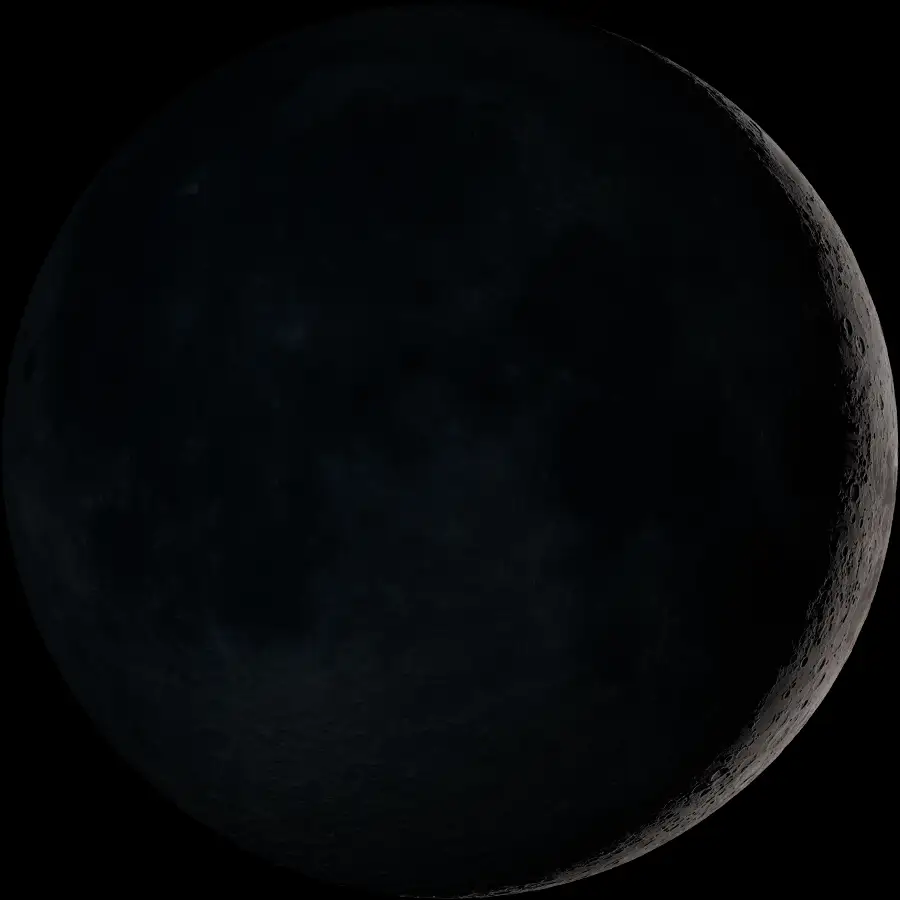
The New Moon occurs when the Moon is positioned between the Earth and the Sun, making its sunlit side face away from us. From our perspective on Earth, it appears as a dark silhouette or is entirely invisible. This means a New Moon is the perfect time for stargazing, as there’s no lunar glow to compete with the stars.
Here are the precise details for the February 2027 New Moon in South Africa:
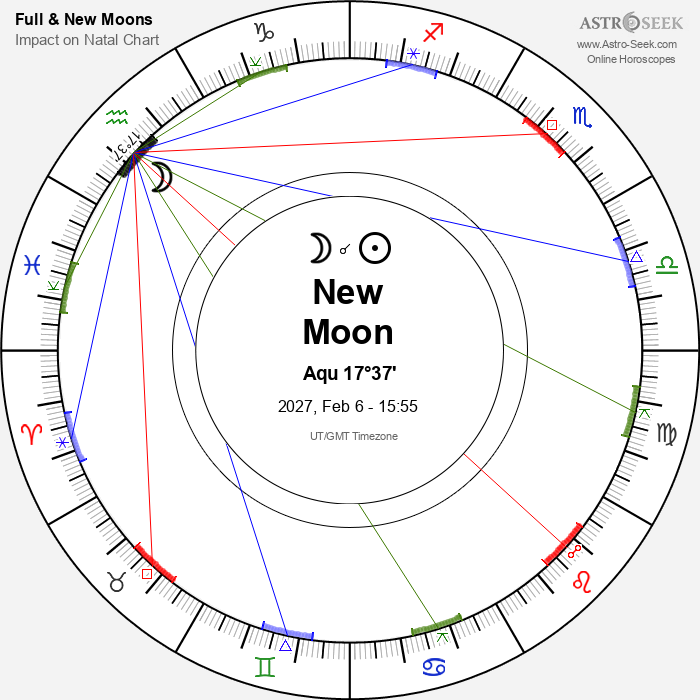
Date: Saturday, February 6, 2027
Time (South African Standard Time – SAST): 5:56 PM
Time (Coordinated Universal Time – UTC): 3:56 PM
Illumination: 0.0% (as seen from Earth)
For our readers in the USA, remember that South Africa is well ahead in terms of time zones. SAST is UTC+2. This means if you’re on Eastern Standard Time (EST, UTC-5), the New Moon in South Africa would occur at 10:56 AM EST on February 6th. Planning a remote observation or just following along? Keep that time difference in mind!
Key Astronomical Details
The New Moon marks the beginning of a new lunar cycle. While it’s largely unobservable, its significance lies in this ‘fresh start’ energy. It’s when the gravitational pull of the Moon and Sun combine to create particularly strong tides, known as spring tides. Astronomically, it’s the phase where the Moon’s orbital path sometimes aligns perfectly with the Earth and Sun, leading to the truly spectacular event we’ll discuss next.
The Hidden Gem: A Solar Eclipse Coinciding with the New Moon!
This is where the February 2027 New Moon truly distinguishes itself. It’s not just a New Moon; it’s the precise moment when the Moon passes directly in front of the Sun, creating an Annular Solar Eclipse visible from specific parts of the world, including central South Africa!
Understanding the February 6, 2027 Annular Solar Eclipse
An annular solar eclipse occurs when the Moon is at its farthest point from Earth in its elliptical orbit (apogee), making it appear smaller in the sky than the Sun. When it passes directly across the Sun’s face, it doesn’t completely cover it. Instead, it leaves a brilliant ‘ring of fire’ (annulus) around the Moon’s silhouette. This is a breathtaking phenomenon.
The path of annularity for the February 6, 2027, solar eclipse will begin in South America, traverse the Atlantic Ocean, and then sweep across parts of Angola, Namibia, and central South Africa, before continuing into the Indian Ocean. This means that viewers within a specific corridor in South Africa will have the incredible opportunity to witness this ‘ring of fire’ firsthand.
For areas outside the narrow path of annularity, a partial solar eclipse will be visible. Even if you’re not directly in the path of the ‘ring of fire,’ seeing a portion of the Sun obscured by the Moon is still a remarkable sight.
Why This Matters for Observers in South Africa (and Beyond)
For those in South Africa, this presents a once-in-a-lifetime opportunity to witness an annular solar eclipse. For astronomy enthusiasts globally, including those in the USA, this could be a compelling reason to plan a trip to South Africa. Imagine experiencing the stunning landscapes of South Africa while also witnessing a rare celestial event!
Critical Safety Reminder: Whether you’re in the path of annularity or observing a partial eclipse, it is never safe to look directly at the Sun without specialized eye protection. Regular sunglasses are NOT sufficient. You must use certified solar eclipse glasses or viewers. Alternatively, indirect viewing methods like a pinhole projector are safe and effective. Protecting your eyes is paramount.
The Lunar Cycle for February 2027: All Four Phases in South Africa
While the New Moon and the associated solar eclipse are the highlights, it’s helpful to understand the entire lunar cycle for February 2027 in South Africa. Each phase carries its own energy and visual characteristics.
Here’s a breakdown of the moon phases for February 2027, with precise times for South Africa:
| Moon Phase | Date (2027) | Time (SAST) | Time (UTC) | Illumination | Visibility |
|---|---|---|---|---|---|
| New Moon | February 6 | 5:56 PM | 3:56 PM | 0.0% | Invisible / Dark |
| First Quarter | February 14 | 9:58 AM | 7:58 AM | 50.0% | Half-illuminated (right side) |
| Full Moon | February 21 | 1:23 AM | 11:23 PM (Feb 20) | 100.0% | Fully illuminated, bright |
| Last Quarter | February 28 | 7:01 PM | 5:01 PM | 50.0% | Half-illuminated (left side) |
Beyond the New Moon: Understanding Each Phase
- First Quarter Moon: About a week after the New Moon, half of the Moon’s face appears illuminated (the right half in the Northern Hemisphere, which includes South Africa). It’s a great time for viewing lunar features along the terminator (the line between light and dark).
- Full Moon: Roughly two weeks after the New Moon, the entire face of the Moon is illuminated, appearing as a bright, full disc. This is when the Moon’s light is at its strongest, often washing out fainter stars.
- Last Quarter Moon: A week after the Full Moon, the other half of the Moon’s face (the left half in the Northern Hemisphere) is illuminated. This phase signals the waning period as the Moon heads back towards its New Moon stage.
Cultural and Spiritual Significance of the New Moon in South Africa
Beyond its astronomical importance, the Moon, and especially the New Moon, holds deep cultural and spiritual significance across various traditions worldwide, and South Africa is no exception. Its rich tapestry of indigenous cultures often weaves lunar cycles into daily life, rituals, and storytelling.
Indigenous Perspectives & Traditional Beliefs
For many indigenous groups in Southern Africa, such as the San, Zulu, Xhosa, and others, the Moon is not just a celestial body but a living entity, a guide, and a symbol of time, fertility, and renewal. While specific interpretations vary:
- The New Moon often symbolizes a fresh beginning, a time for planting, cleansing, or initiating new projects. It’s seen as a period of quiet reflection before the Moon’s energy grows.
- Lunar cycles were, and in many communities still are, crucial for agricultural planning, hunting, and fishing. The absence of moonlight during the New Moon might have marked specific times for certain activities or for deeper spiritual introspection.
- Oral traditions and folklore frequently feature the Moon in creation myths and tales that teach moral lessons or explain natural phenomena.
The solar eclipse coinciding with the New Moon in February 2027 would historically have been viewed with immense significance, often interpreted as a powerful omen, a disruption of the natural order, or a moment for special rituals. While modern science explains these events, the awe and wonder they inspire remain potent.
Modern Interpretations and Practices
Even in contemporary South Africa, and globally, many individuals choose to observe New Moon traditions. This might include:
- Setting Intentions: Using the ‘blank slate’ energy of the New Moon to set goals, manifest desires, or begin new personal projects.
- Meditation & Reflection: Engaging in quiet contemplation, journaling, or meditation to connect with inner wisdom and release old patterns.
- Cleansing Rituals: Symbolically clearing spaces or minds to make room for new growth and opportunities.
The New Moon, particularly when combined with a solar eclipse, becomes a powerful anchor for self-reflection and forward-thinking, whether your perspective is scientific, spiritual, or a blend of both.
Experiencing the New Moon & Eclipse in South Africa: Tips for Visitors & Locals
If you’re considering being in South Africa for this unique celestial event, or if you’re a local planning to make the most of it, here are some practical tips to enhance your experience.
Stargazing Opportunities (Dark Skies & Astronomy)
The New Moon phase is hands down the absolute best time for stargazing. With no lunar light polluting the night sky, even fainter stars, galaxies, and nebulae become visible. South Africa is blessed with some of the darkest skies on Earth, making it a prime destination for astronomy enthusiasts.
- Karoo Region: The vast, arid Karoo, home to the South African Astronomical Observatory (SAAO), boasts incredibly clear, dark skies, ideal for deep-sky observation. Towns like Sutherland offer public viewing nights and astronomical tours.
- Namibian Border: Areas close to the Namibian border, particularly in the Northern Cape, also offer pristine stargazing conditions.
- National Parks & Reserves: Many national parks and private game reserves offer excellent dark sky viewing away from city lights. Imagine a safari under a sky ablaze with stars!
While the New Moon itself is dark, the nights leading up to and immediately following it offer unparalleled views of the Milky Way and other celestial wonders. This February 2027 New Moon, coupled with the eclipse, makes it an extraordinary astronomical pilgrimage.
Planning Your Visit Around Lunar Events
For visitors from the USA or other countries, planning is key, especially if you want to be in the path of the annular solar eclipse.
- Eclipse Path: Research the exact path of the annular solar eclipse to determine the best viewing locations within South Africa. Central South Africa is indicated as a key viewing region, so focus on areas like parts of the Northern Cape, Free State, or North West provinces.
- Accommodation & Logistics: Areas within the eclipse path may see increased tourism. Book accommodations and transport well in advance.
- Safety First: Acquire certified solar eclipse glasses or viewers before you travel, or upon arrival from reputable sources. Do not compromise on eye safety.
- Local Astronomy Clubs: Connect with local astronomy clubs or observatories, like the SAAO, for potential viewing events, workshops, or guided observations. They often host public outreach programs. The Wits Anglo American Digital Dome is another excellent resource for public engagement with astronomy in South Africa.
- Extend Your Stay: South Africa offers so much more than just astronomy. Consider combining your eclipse viewing with safaris, cultural tours, or coastal adventures through resources like South African Tourism.
Connecting the Dots: South Africa’s Moon Phases from a USA Perspective
For our primary audience in the USA, tracking lunar events in South Africa might seem niche, but it offers fascinating insights and practical considerations, especially when planning international travel or simply expanding your astronomical knowledge.
Time Zone Differences Explained (SAST vs. EST/CST/MST/PST)
Understanding the time difference is fundamental. As mentioned, SAST is UTC+2. Here’s a quick conversion guide for major USA time zones:
- SAST to EST (Eastern Standard Time, UTC-5): Subtract 7 hours from SAST. (e.g., 5:56 PM SAST = 10:56 AM EST)
- SAST to CST (Central Standard Time, UTC-6): Subtract 8 hours from SAST. (e.g., 5:56 PM SAST = 9:56 AM CST)
- SAST to MST (Mountain Standard Time, UTC-7): Subtract 9 hours from SAST. (e.g., 5:56 PM SAST = 8:56 AM MST)
- SAST to PST (Pacific Standard Time, UTC-8): Subtract 10 hours from SAST. (e.g., 5:56 PM SAST = 7:56 AM PST)
This means the New Moon and the beginning of the solar eclipse in South Africa will be happening in the morning hours for most of the continental USA, making it a daytime event for remote tracking or live streams.
Why Track SA Moon Phases from the USA?
Why should you, from the USA, keep an eye on South African lunar events?
- Astrotourism: If you’re an avid astrotourist, an annular solar eclipse in South Africa is a compelling reason to travel. Knowing the exact timings helps with trip planning.
- Global Astronomy: It fosters a broader understanding of celestial mechanics and how events unfold differently across the globe.
- Cultural Exchange: Learning about lunar significance in South African cultures enriches your global perspective.
- Educational Value: For students and educators, it provides a real-world example of astronomical phenomena and time zone calculations.
The February 2027 New Moon in South Africa is far more than just a date on a calendar; it’s a convergence of astronomical wonder, cultural depth, and a unique travel opportunity for those with a keen eye on the sky.
Conclusion: Embracing the Lunar Rhythm
The New Moon in February 2027 in South Africa stands out as a truly remarkable celestial event, not least due to its spectacular alignment with an annular solar eclipse. From the precise scientific timings to its profound cultural resonance, this New Moon offers a unique moment for reflection, exploration, and awe.
Whether you’re an armchair astronomer following along from the USA, a local resident preparing for the eclipse, or a traveler planning an unforgettable journey, understanding this lunar phase enriches your connection to the cosmos and the vibrant culture of South Africa. So, mark your calendars, prepare your viewing equipment, and get ready to witness a truly special moment in our shared sky!
Frequently Asked Questions
When is the New Moon in February 2027 for South Africa?
The New Moon in February 2027 will occur on Saturday, February 6, 2027, at 5:56 PM South African Standard Time (SAST), which corresponds to 3:56 PM Coordinated Universal Time (UTC).
Will there be a solar eclipse in South Africa in February 2027?
Yes, an Annular Solar Eclipse will coincide with the New Moon on February 6, 2027. The path of annularity, where the ‘ring of fire’ will be visible, passes over central South Africa. Areas outside this narrow path will experience a partial solar eclipse.
What is the cultural significance of the New Moon in South Africa?
For many indigenous South African cultures, the New Moon symbolizes new beginnings, a time for planting, cleansing, or initiating new ventures. Lunar cycles were historically crucial for agricultural and spiritual planning, often viewed as a moment for quiet reflection and setting intentions.
How do I convert the New Moon time from SAST to USA time zones?
South African Standard Time (SAST) is UTC+2. To convert to USA time zones: subtract 7 hours for EST (UTC-5), 8 hours for CST (UTC-6), 9 hours for MST (UTC-7), and 10 hours for PST (UTC-8). For example, 5:56 PM SAST is 10:56 AM EST.
Is it safe to view the solar eclipse in South Africa?
It is never safe to look directly at the Sun during a solar eclipse without proper eye protection. You must use certified solar eclipse glasses or viewers. Regular sunglasses are insufficient and dangerous. Indirect viewing methods like pinhole projectors are also safe alternatives.
What are the other moon phases for February 2027 in South Africa?
After the New Moon on Feb 6, the First Quarter Moon is on Feb 14 at 9:58 AM SAST, the Full Moon is on Feb 21 at 1:23 AM SAST, and the Last Quarter Moon is on Feb 28 at 7:01 PM SAST.